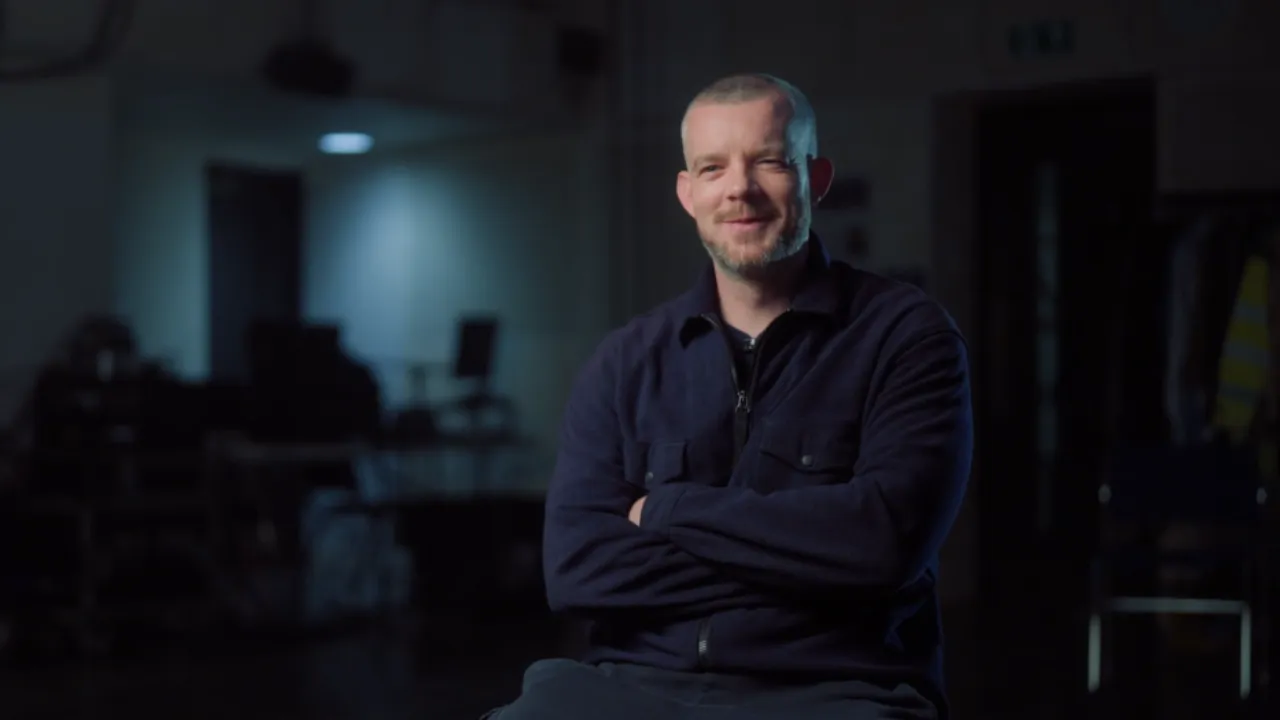

Ahead of his new show The Guilty, opening at the Donmar Warehouse next month, Russell Tovey speaks about the power and intimacy of the play, and why he views theatre as a sort of religion
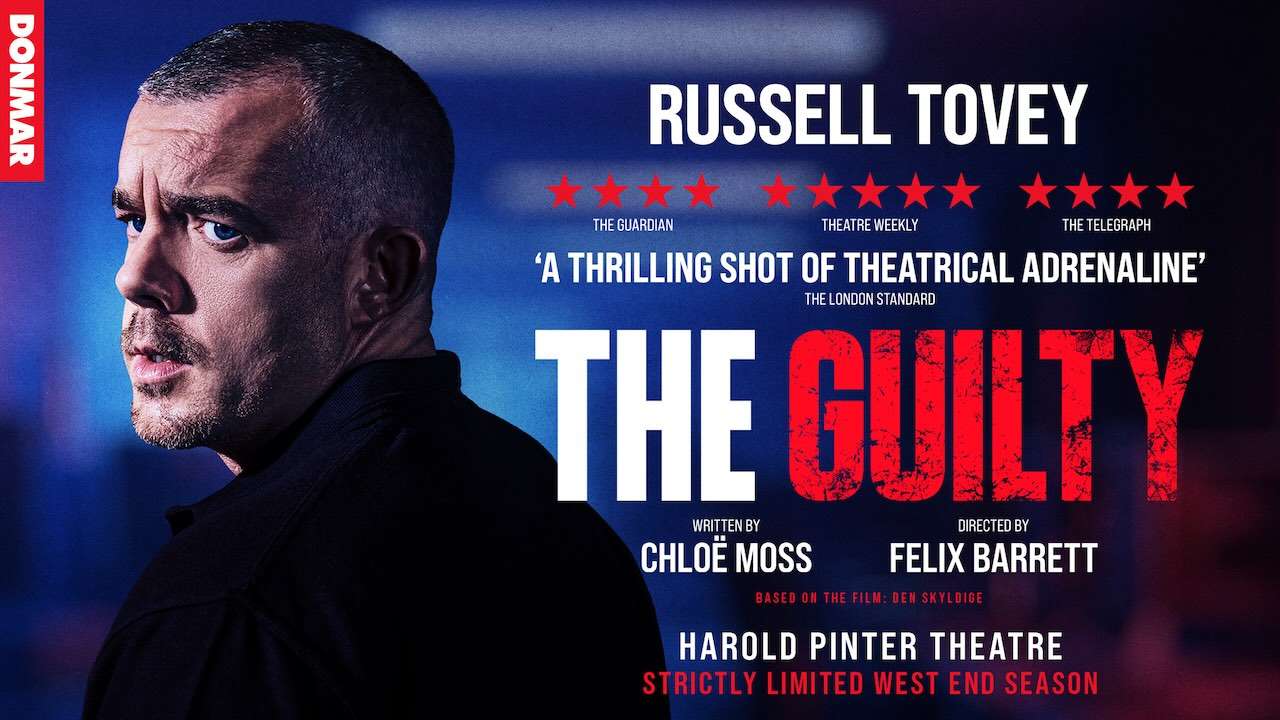
In The Guilty, Tovey plays troubled police officer Joe, stuck on the night shift. When a desperate 999 call comes in, he scrambles to decode the clues when nothing is quite as it seems.
In a press interview at the Donmar, Tovey spoke about why the shared experience of the audience is so important, since “we all turn up at the theatre, we all make a decision to put our phones away.”
He continues, explaining that theatre is “one of the last social interactions where our phones aren’t available to us. We all make a decision to go on this journey together, to experience this story, this temporary community, and to then leave hopefully changed, hopefully thinking about the world in a slightly different way, incrementally shifting our view of humanity.”
Phone etiquette in theatres
Tovey’s comments touch on an interesting conversation among theatre professionals about phone etiquette, following comments made by actor Lesley Manville in an interview with Radio 4 urging audiences to stop filming curtain calls.
The actress, currently appearing in Les Liaisons Dangereuses at the National Theatre, shared her feelings on the matter, saying, “we are all in this room, we are telling you a story, you’re listening – clap or don’t clap, but don’t just stick your phone in our face. I find it insulting.”
She elaborates, comparing the West End to Broadway, where “virtually the whole audience will take their phones out at the end of the evening. Why can’t they let it live in their souls for five minutes?“
Phone etiquette in general has been a hot topic both on Broadway and in the West End since smartphones became more mainstream.
Richard Griffiths famously stopped a performance of The History Boys in 2004 after several audience members phones went off. More recently, Cynthia Erivo stopped a performance of Dracula, when she spotted someone in the audience filming.
These of course happened during the performance, but some feel that the curtain call is fair game, especially if it’s a show with big stars. People want a souvenir to return to.
Social media also plays a big role in the shift, with viral video clips potentially leading to more exposure for a production. Broadway’s smash hit Every Brilliant Thing has leveraged social media in a sort of guerilla marketing technique. Lead actor Daniel Radcliffe goes around the audience ahead of the show, asking people to participate, and clips of those interactions are all over social media.
Regardless of your thoughts on filming the curtain call, Tovey’s comments are a timely reminder that going to the theatre is a collective experience, one that has the power to transform us all. It is, as Tovey comments, “a religion.”
Harold Pinter Theatre, London
Related News
Russell Tovey in The Guilty
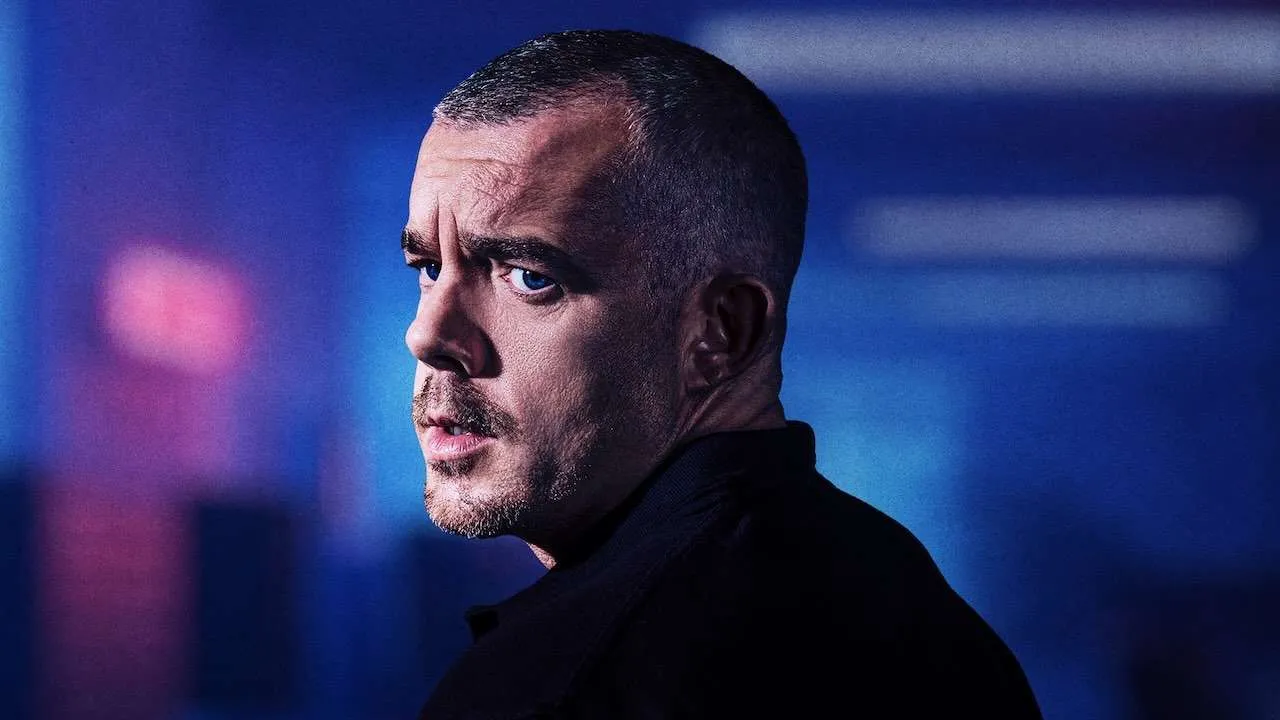
Russell Tovey’s sell-out thriller The Guilty will transfer to the West End’s Harold Pinter Theatre in 2027
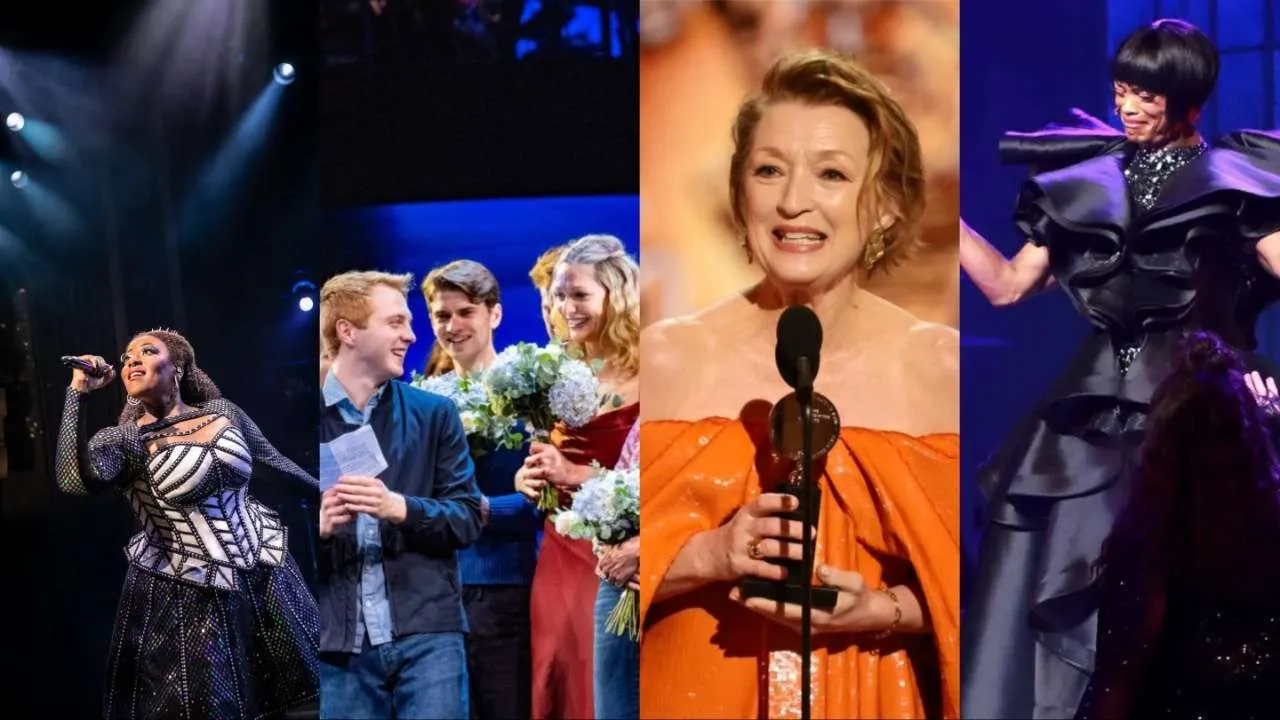
Is it insulting to film curtain calls? Inside theatre’s latest etiquette debate

WATCH: Prima Facie film adaptation trailer and poster unveiled, starring Cynthia Erivo
Latest News

A jaunt through the history of panto: how a flexible theatre form transformed Britain’s Christmas theatre scene
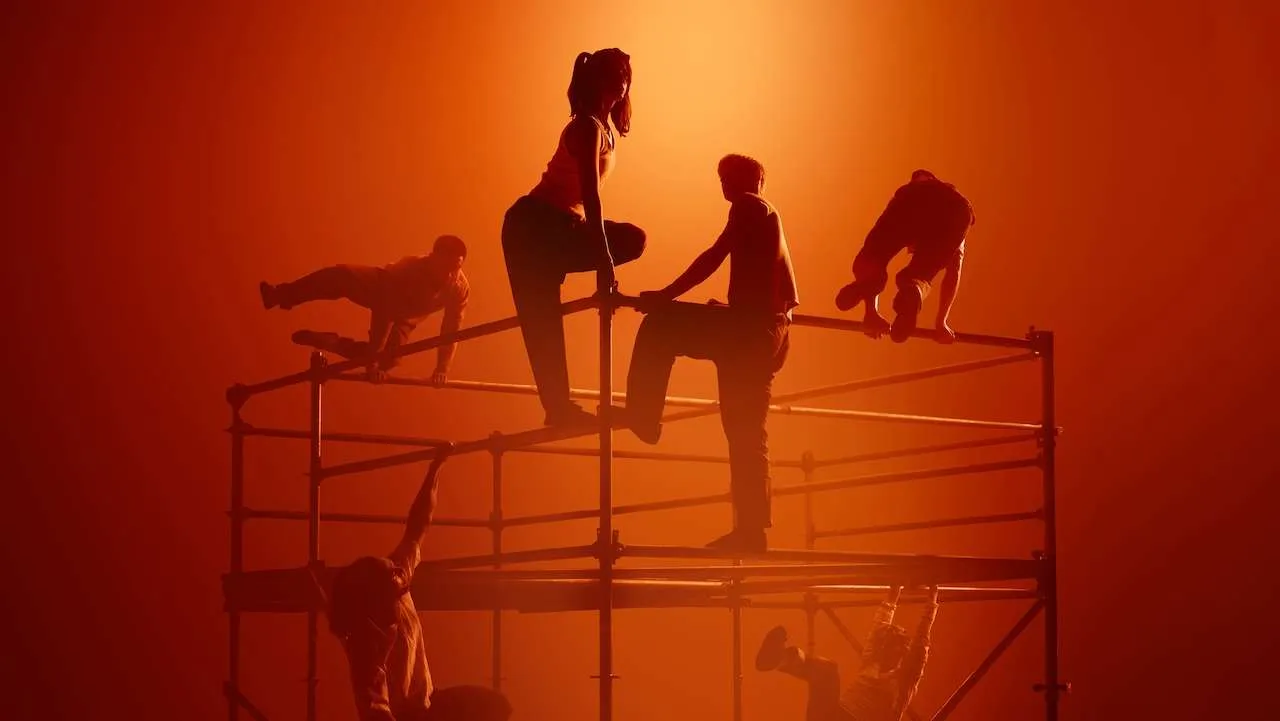
Everything you need to know about West Side Story at the National Theatre
10 reasons we can’t wait for West Side Story