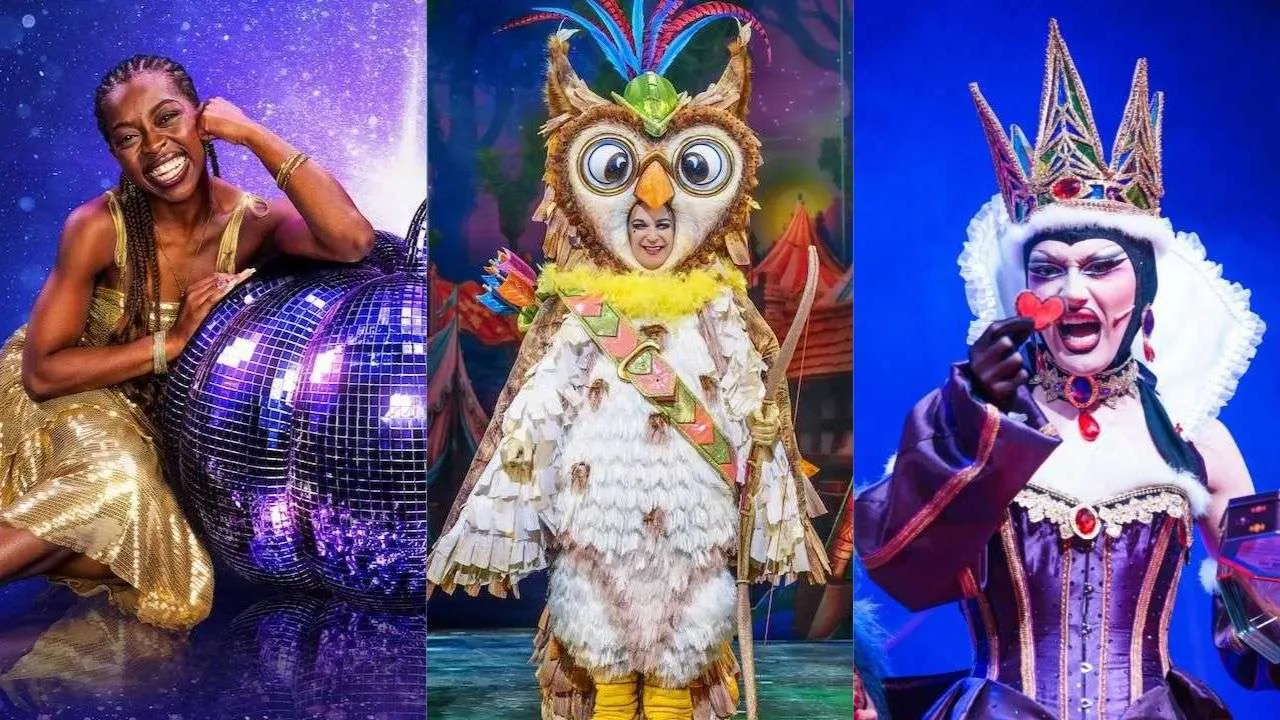

Each Christmas season, the UK’s theatre scene switches its focus to pantomime. It’s so woven into our festive culture that we might assume it’s always been this way. But there’s much more to its past.
Pantomime’s history is a story of transformation. It didn’t originate in the UK, but as an import from Italy in the mid-1500s, and has been radically adapted and repeatedly reinvented to eventually become so embedded into British Christmas culture that we stopped noticing it was ever anything else.
Understanding that history matters, because it reveals that we as theatre audiences (together with the industry), have taken a theatrical form built on flexibility, turned it into more of a rigid tradition, and led panto to help transform the British Christmas theatre scene.
Where panto really comes from


Pantomime’s roots trace back to Italy, to Commedia dell’arte – an improvisational theatrical style that emerged in Renaissance Italy and flourished across Europe from the 16th century onward.
Commedia dell’arte was physical, audience-interactive theatre shows. It featured stock characters, recurring gags, visual spectacles, and fundamental unpredictability.
Every performance was different because actors improvised, adapted to audience response, and changed things up on the fly.
By the 18th century, Commedia dell’arte had become so popular across Europe that it was impossible to ignore. Depsite Britain’s historically consistent wariness of continental imports, it eventually embraced the theatrical style.
The emergence of British pantomime
As Italian performers toured, British theatre-makers watched and learned.
Around 1717, English actor and theatre manager named John Rich, had an idea. He wondered what would happen if he took the physical comedy and visual spectacle of Commedia dell’arte, and added something distinctly British narrative structure, coherent stories, fairy tales that audiences already knew.
The result was revolutionary. Rich didn’t preserve Commedia dell’arte, but instead transformed it. He took a foreign form of theatre and made it British by fundamentally changing it. What Rich created, and what his successors refined through the 18th and 19th centuries, was almost unrecognisable as Commedia dell’arte.
Theatre actor and manager David Garrick followed in the late 1700s. While he wasn’t a fan of pantomimes, he understood how crucial they were to the theatre industry’s survival.
The development of British pantomime

In the 1950s and ’60s, one of the biggest names in pantomime production was Derek Salberg. He oversaw numerous successful productions from the Alexandra Theatre in Birmingham.
Salberg employed well-known people and speciality acts in his pantomimes, and helped pave the way for inclusion while emphasising the show’s strong storylines.
Many of the characteristics Salberg helped develop are still seen in pantos today, but there are others more influenced more by the music hall and variety era days in which the plot is secondary to the star turns and speciality acts and with more adult humour.
The Victorian era then refined pantos further. At this time, pantomime became a full theatrical production composed of two acts, elaborate scenery, costumes, orchestral music and dancing. The comedic elements didn’t disappear either, but were instead integrated into the story.
New character types emerged as well – the principal boy (traditionally a woman in a short skirt), the dame (a man in drag), the good fairy and the villain. While some of these emerged from theatrical necessity, such as a shortage of female performers, others were derived from what worked comedically, or came from sheer innovation.
Pantomimes became synonymous with Christmas by the 1850s, and spread outwards from London to theatres all over the UK.
If panto stopped changing

What’s important to notice about panto’s history is that at each stage, it fundamentally and radically changed.
People in the theatre industry didn’t preserve the form; they reimagined it. They took what worked and adapted it to British audiences’ changing tastes, invented new conventions, and told new stories. Pantomime survived and thrived because it was flexible and could be reinvented.
Somewhere in the 20th century, however, something shifted. Pantomime went from a form that was constantly evolving into something increasingly standardised and formulaic.
The stories settled into more of a fixed repertoire of stories such as Cinderella, Aladdin, Dick Whittington and Sleeping Beauty, and the character types hardened, the jokes became recurring and predictable, and the audience participation rituals calcified into convention.
This is likely to have happened partly because standardisation made pantomime more commercially reliable.
As theatre producers started to know precisely what audiences expected, and audiences knew they could bring children to the show – and were confident the show would be appropriate, funny, and broadly predictable in structure – it became possible to panto without reimagining it, to simply repeat what had worked before.
Pantomimes also became inextricably linked with Christmas by this time, and this wasn’t inevitable. Panto had been performed year-round for centuries, but gradually, the Christmas association cemented itself.
Additionally, panto wasn’t just a Christmas show by the mid-20th century (the 1940s-60s), it was the Christmas show. It became synonymous with the yuletide season, a specific audience, and a specific expectation. And that’s when pantomime stopped evolving so much as a theatrical tradition, and started being more of a preserved one.
Why evolution in panto matters

Here’s the uncomfortable truth: pantomime thrived for three centuries because it was flexible and constantly changed. Succeeding generations adapted it, reimagined it and reinvented it, while also maintaining its essential character. Panto survived not because people preserved it, but because people refused to rigidly preserve it.
But modern pantomime, particularly in the West End, has become increasingly focused on preservation and standardisation. The stories don’t change much, and the structure and jokes barely do either. What does change, however, is the celebrity casting, which has become the primary point of variation and interest in panto.
This is a fundamental inversion of what made panto work historically. The form itself – the structure, the stories, the conventions – used to lead to innovation and creativity.
Although the star performers have always mattered, the form was where the real theatrical work happened. But now it’s almost reversed, which has led pantomimes to became more static, and the only thing that changes is who is performing each show.
In preserving panto, we may start to inadvertently start to stifle what made it brilliant.
What panto’s history teaches us

Tracing panto’s journey from improvisational Italian theatre to British Christmas institution reveals something significant: theatrical forms thrive when they evolve., they survive when they adapt, and they die when they calcify.
The pantomime that arrived in Britain in the 18th century isn’t the pantomime Victorians performed, Victorian pantomime isn’t what 20th-century audiences saw, and 20th-century panto certainly isn’t what modern audiences experience.
Each generation changed it. And while some changes were small, others were radical, but change was constant. Panto’s actual tradition – its real legacy – is one of constant reinvention, and the genuine panto tradition is change itself.
The sparkling future of panto

Panto’s history, and that it survived and thrived precisely because it kept changing, proves that theatrical traditions don’t survive by staying the same, but by adapting.
Now, almost all regional theatres have a pantomime or a Christmas-themed show playing each December, the biggest being the annual panto at the Palladium. This year’s will see French & Saunders reunite in Cinderella at the London Palladium for the West End’s biggest festive pantomime.
Critics have been proclaiming the decline of pantomime almost since its beginning, but after around 300 years, it remains a major part of Christmas tradition for millions of families, and brings in revenue that helps support theatres throughout the rest of the year.
With its focus on family or humour-led entertainment, and ability to evolve, pantomime is destined to bring magic to theatregoers throughout the UK for decades to come.
Related News
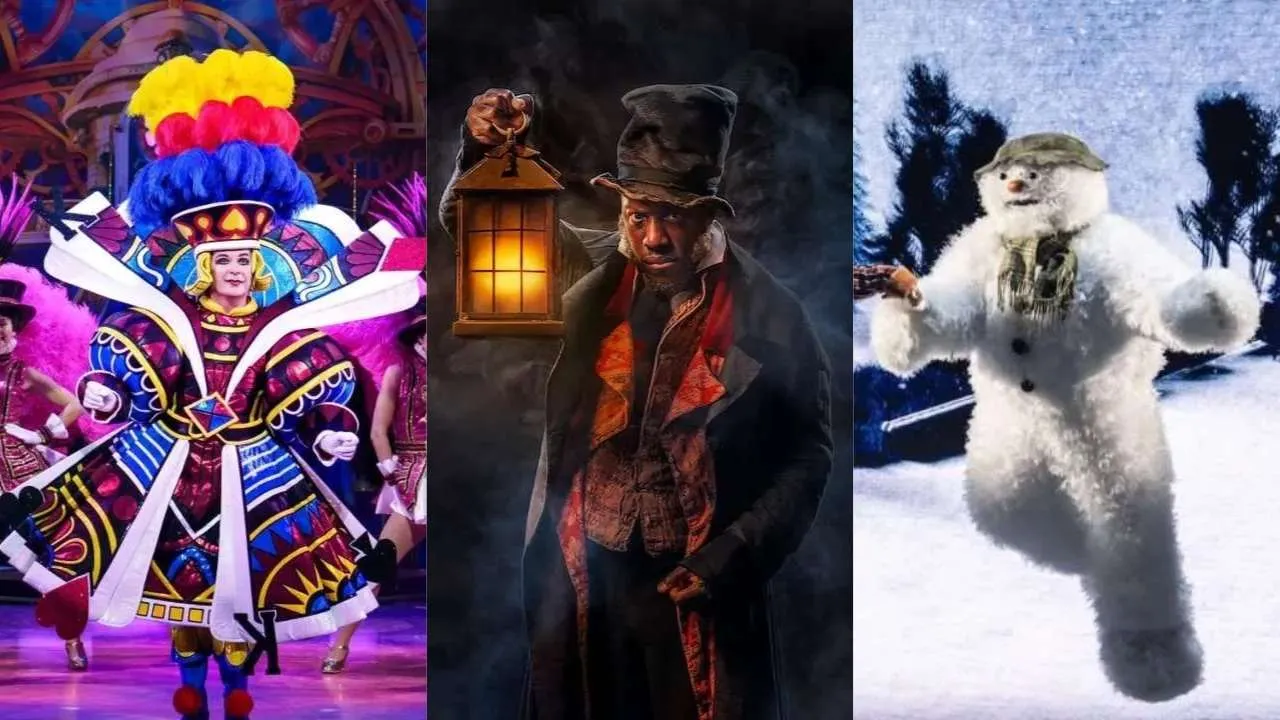
Why the West End at Christmas isn’t just for pantos
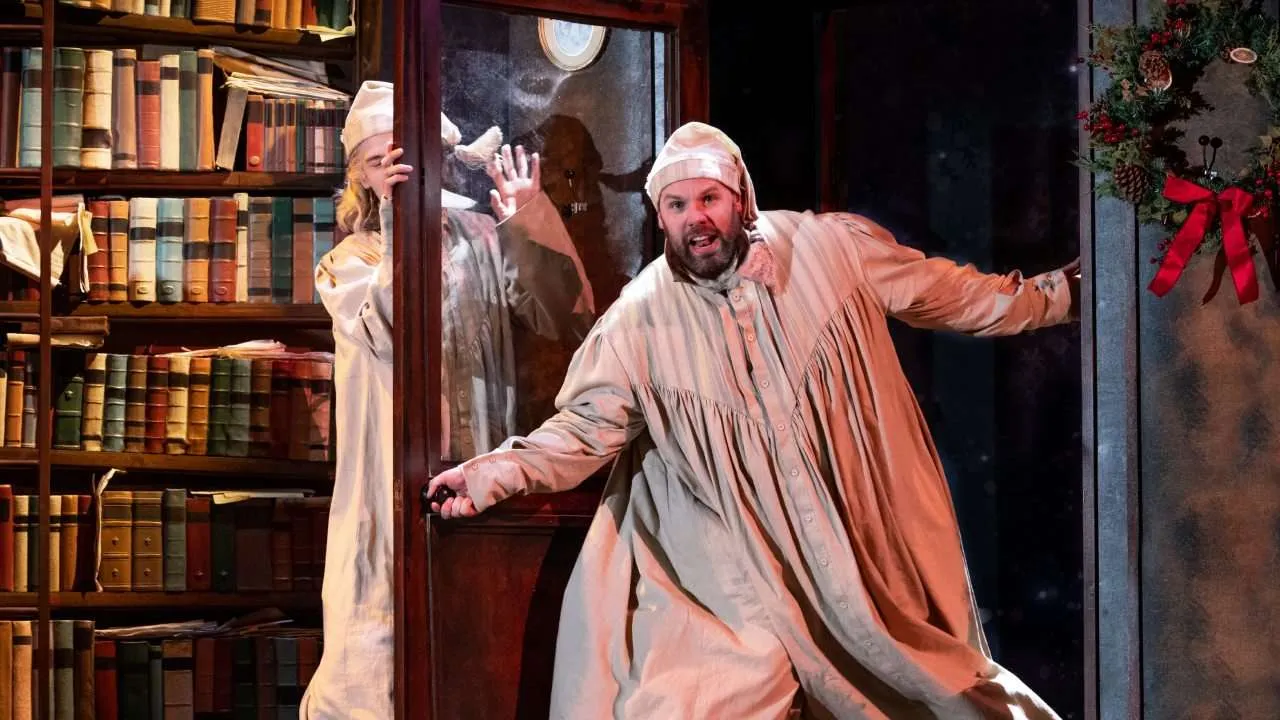
Christmas Carol Goes Wrong releases additional front row tickets at Wyndham’s Theatre in the West End

The best pantos in London to book this Christmas
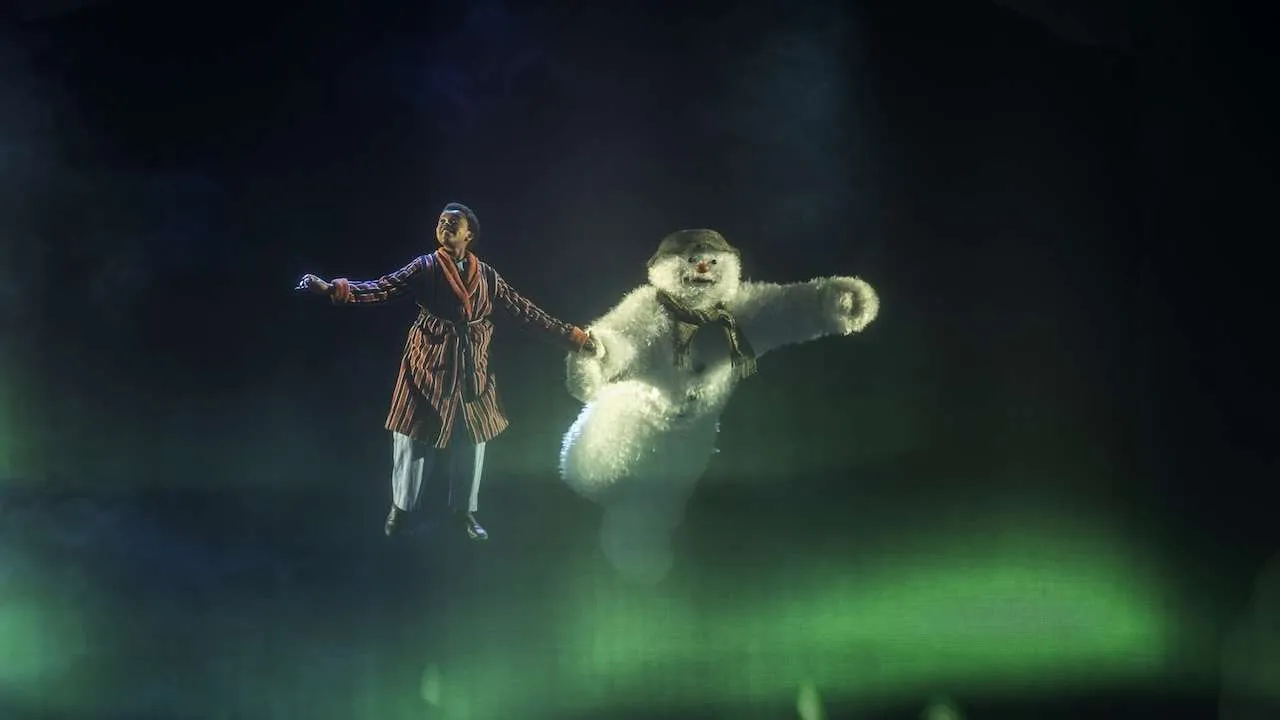
Everything you need to know about The Snowman on stage ahead of its 29th year in the West End
Latest News

Everything you need to know about West Side Story at the National Theatre
10 reasons we can’t wait for West Side Story
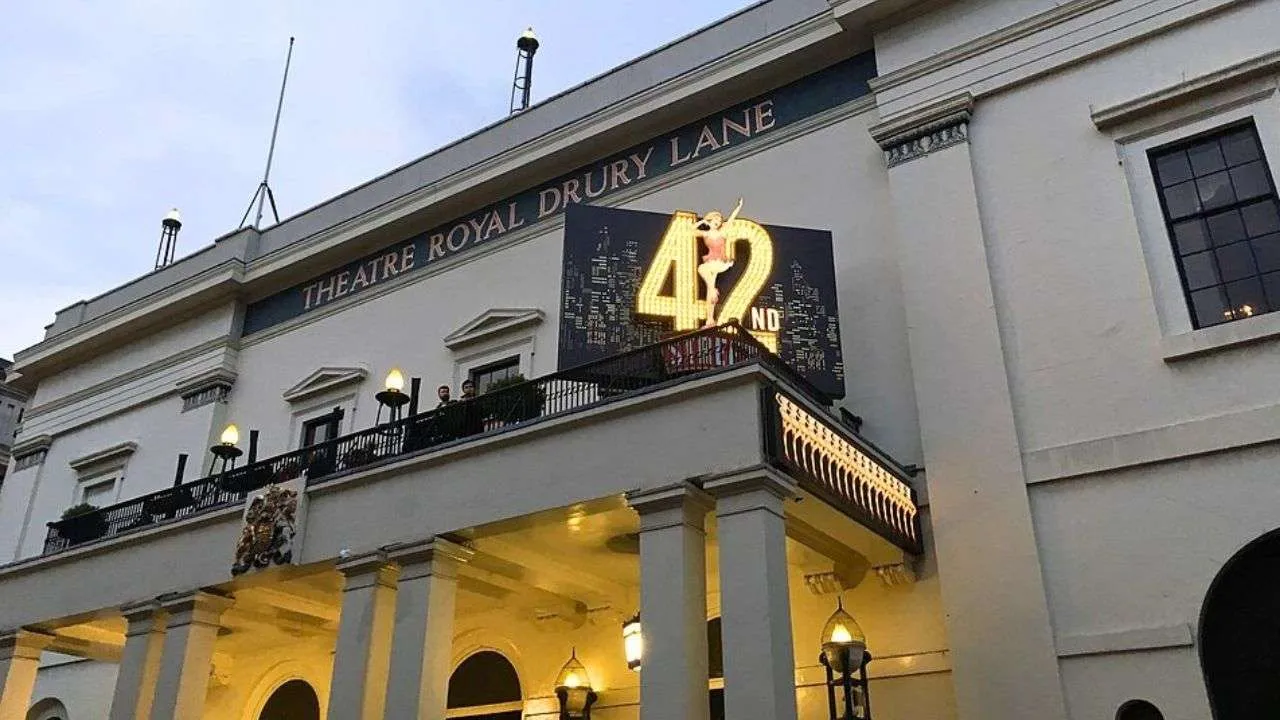
A brief history of Theatre Royal Drury Lane, the West End’s oldest theatre