
More and more of the West End’s biggest productions arrive with a famous name attached, but what happens when star casting quietly becomes the definition of a sell-out?
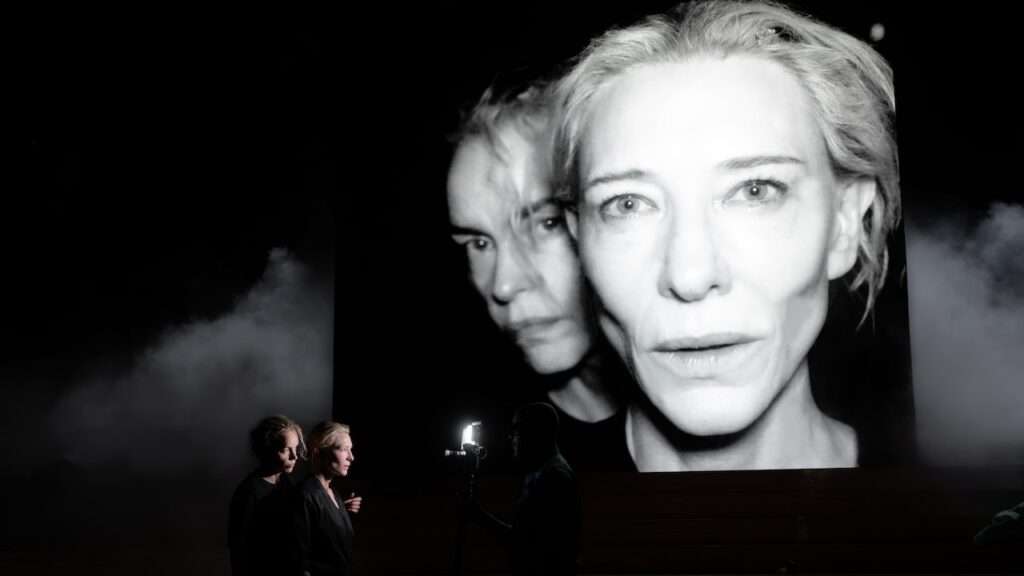
Run your eye down the year’s marquee theatre announcements and a pattern emerges almost immediately. Gillian Anderson in Who’s Afraid of Virginia Woolf? at @sohoplace. Cate Blanchett in Electra/Persona at the National. Sandra Oh in The Misanthrope. Christine Baranski and Richard E. Grant in Hay Fever. Michael Ball as Willy Wonka at the Coliseum, and that’s just a few.
Individually, each is a thrilling piece of casting. Collectively, they start to look less like a series of happy coincidences and more like a house style… and a settled assumption about what a big, sell-out production is now supposed to look like.
To be clear from the outset, this is not a snide complaint about the performers. Anderson sold out months ahead and will be a magnificent Martha, Blanchett is shaping up to be extraordinary if the opening nights of Electra/Persona are to be believed, and Oh made a very credible debut on the London stage.
These are gifted actors doing real work, and the audiences they draw are keeping the West End’s lights on. The talent has never been the question. The question is what happens to an industry when star casting stops being one good option among many and starts to feel like the default route to a hit?
From occasion to expectation
The pattern is not something that’s happened overnight. The more the season’s genuine sell-outs are star vehicles, the more star casting comes to look like the very definition of a success.
As star casting becomes the working assumption, the more producers, venues and the investors behind them reach for a name as the safest route to filling a house… which produces still more star-led productions, and, in turn hardens the practice further. It is a self-fulfilling prophecy: frequency breeds the expectation, and the expectation breeds more frequency.
The current loop accelerated in a very particular set of conditions: the economics of a successful show in the post-pandemic West End are tighter than they were, and the margins less forgiving. Industry analysis suggests a West End play that might once have needed to recoup at around 60% of its potential box office now needs closer to 75%, which pushes the occupancy a show must sustain to break even up towards 70% – a meaningfully riskier proposition for producers and the “angels” who finance them.
In that climate, the commercial logic of a guaranteed name becomes very hard to argue with. One industry observer has described the sector as increasingly polarised: the star-led productions and the big touring musicals do well, while much of everything else finds the going far tougher.
Dependence or cynicism?
This is where the frequency turns into something more consequential: because star casting is now so often the model, productions increasingly get conceived around the star from the very beginning.
The name isn’t attached to a show that would have existed regardless, but rather the show is designed around the name. Everything about the show, from its financing and marketing, even sometimes its entire reason for being greenlit, is centred on the star casting. The over-reliance is real, but its source isn’t any single producer’s miscalculation. It’s the loop itself, which has made building around a star feel like simply how you stage a hit in 2026.
Cate Blanchett, who is better placed than most to weigh in, put the distinction well. Speaking to the Guardian, she argued that celebrity casting is entirely legitimate so long as the fame genuinely serves the work — but warned against what she called “follow-spot theatre,” where the lead is “slightly more brightly lit than others” whether the play needs it or not. “You can smell the cynicism,” she said in this interview.
It’s a useful distinction to hold onto, because it separates the healthy version of star casting (a great performer serving a production) from a version where a production built to serve a great performer’s drawing power.
Sales, but at what cost?
The economics underneath all this are worth a careful look, distinguishing what’s known from what’s merely reported. The known part is public: West End minimum pay, agreed between Equity and the Society of London Theatre, runs from roughly £745 a week in a smaller house to around £911 in a large one. That’s the guaranteed wage for most of the company, including the ensemble and swings who carry a show, eight performances a week, for the length of a run.
What a star earns above that is a different matter and more difficult to quantify because these figures are never officially disclosed. With that firmly flagged, trade reporting has put major screen names in limited West End runs at reported fees in the tens of thousands of pounds a week, with the biggest television personalities said to have commanded six figures for a season.
Set against the reported cost of running a large musical, which is estimated to be somewhere between £300,000 and £600,000 a week, of which salaries are the largest slice, even a cautious reading suggests a single star’s fee could rival the combined annual minimums of an entire ensemble. The salaries can be entirely justified by the sales the star brings in, but it’s also a reminder of how much of a production’s budget can concentrate on one person.
And when it goes wrong?

Which brings us, finally, to the inevitable risk… because a production conceived around a star will inevitably be left in a difficult position if the star pulls out – and we’ve seen two recent examples of that this year alone.
The gentler was Sunday in the Park with George, the starry Barbican revival built around Ariana Grande and Jonathan Bailey. Its on-sale was delayed twice to accommodate Grande’s touring schedule, but then Grande withdrew as she plans to step back from public life, Bailey followed a month later, and the production was left promising that “casting discussions” were “actively under way.” It’s a prime example of a show that will end up radically different to that imagined, back at the drawing board before a single ticket has been sold. At least no audience was let down, because there wasn’t one yet.
The sharper version was Ivanov at the Bridge Theatre. When a scheduling conflict meant its star, Chris Pine, couldn’t do the original dates, the production was already on sale. Rather than recast, the Bridge postponed the entire staging by a full year, from 2026 to 2027, contacting existing ticket-holders to unpick plans they’d already made. That means inevitable increased costs and significant inconvenience to an audience whose evening had been built around one specific person being on that stage.
There’s still space for stars to shine
None of this is an argument against star casting, it genuinely isn’t. Stars are good for theatre. They can be superb, and they draw in people who’d otherwise never book a ticket at all. The critic Rosie Millard makes exactly this case, pointing to her twenty-year-old son, who’d never heard of Sigourney Weaver but went to The Tempest at Drury Lane purely because Gavin & Stacey’s Mathew Horne was in the cast. That’s a real and valuable win, and any argument that waves it away isn’t being honest.
Our worry is proportion. When star casting becomes not one route to a sell-out but the assumed route, everything without a name attached starts to look, by default, like the riskier and lesser option: the new play without a marketable lead, the ensemble piece with no single face to sell, the gifted director whose reputation alone won’t move a house. And because those shows increasingly don’t get made, or get made smaller and quieter, nobody quite notices what’s missing.
Take a punt on the lesser-known

A healthier West End would treat star casting as one strength among many rather than the definition of a hit, and would back its new writing, its unknown companies and its unbranded directors with a little more of the confidence it now hands so readily to a famous face. That confidence, in the end, is something audiences grant too. Look at the roaring success of 1536 whose sell out run at the Almeida was followed up by an even more successful West End transfer that sold out well before the production ended.
The more consistently we save our nights out for the show with a name we recognise, the more firmly we teach the industry that a name is the only thing worth betting on. The stars, happily, aren’t going anywhere. The real question is whether we still make room, in among them, for the shows that were only ever going to sell themselves.
Related News
10 West End theatre shows to see during October half term 2026
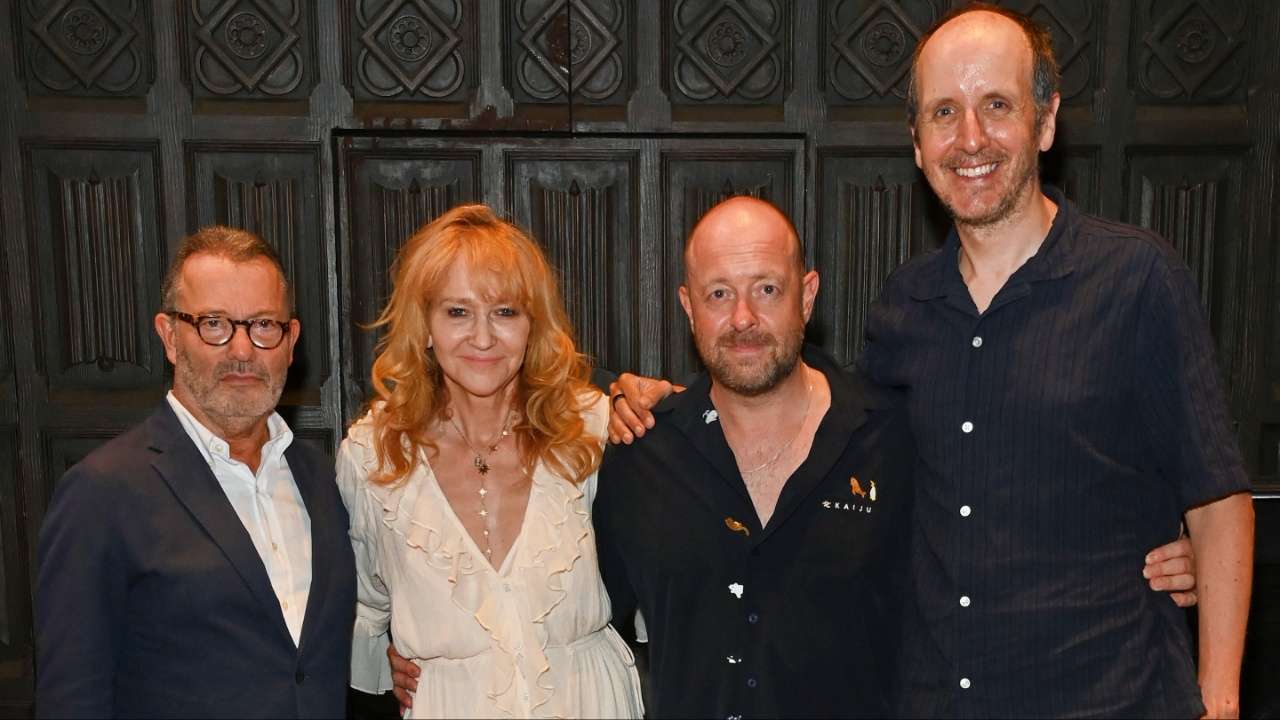
How Harry Potter and the Cursed Child’s creators are bringing its one-part version to life – and why the two-part version is closing
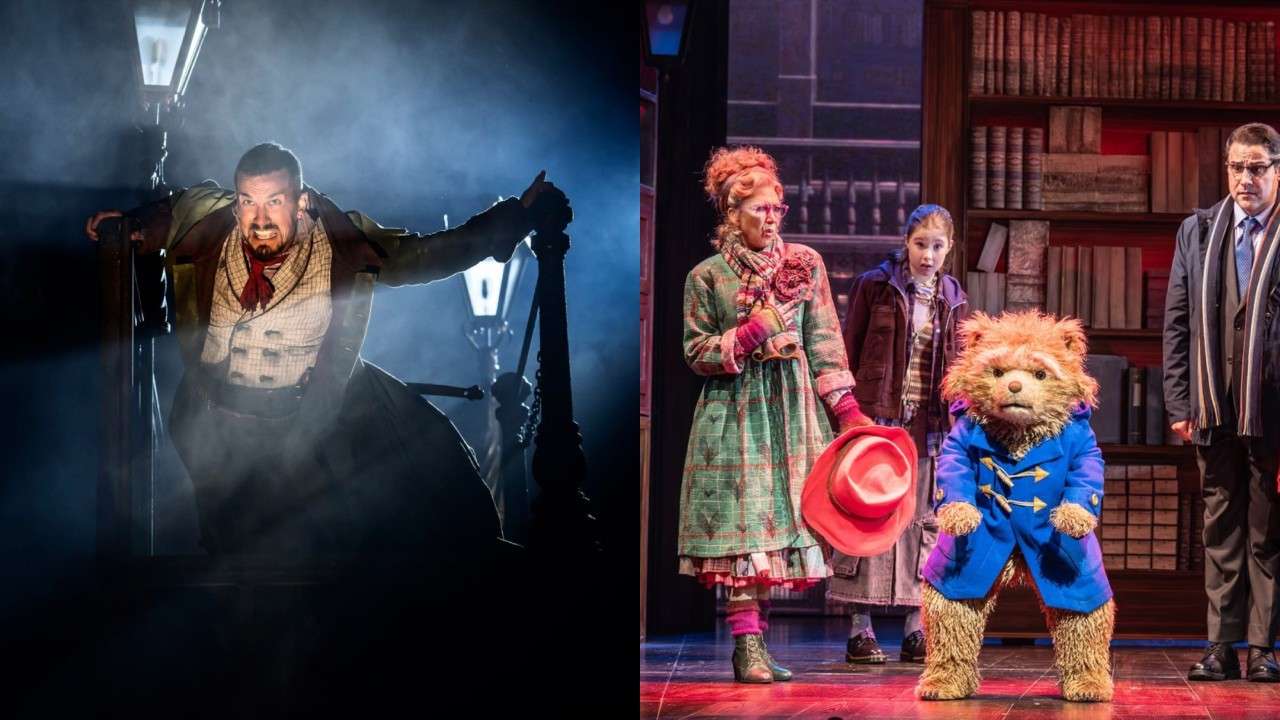
12 soap stars to watch in the West End this autumn
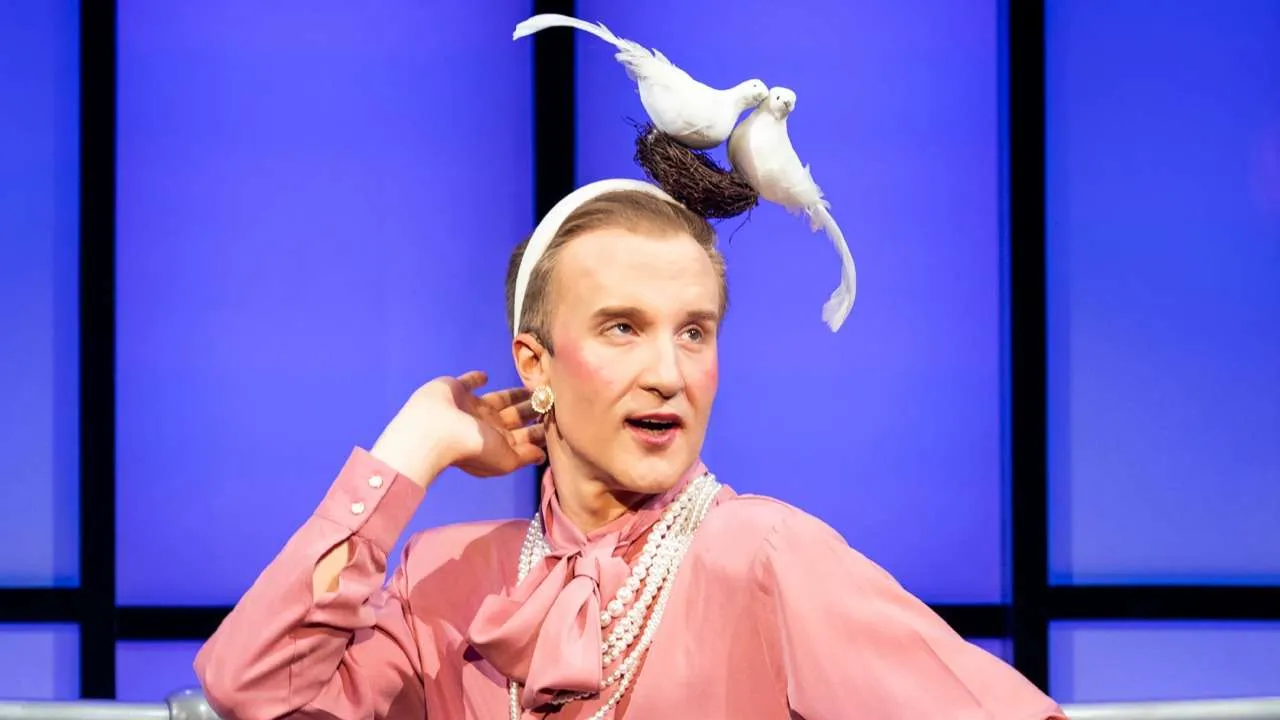
First look photos: William Hanson in his Titanique West End debut
Latest News
Everything you need to know about The Traitors: Acts of Betrayal in London
Nina Raine’s sweeping new adaptation of Middlemarch arrives at the RSC: See brand-new images from the production
What to expect from Pride the Musical ahead of highly anticipated transfer to the Bridge Theatre