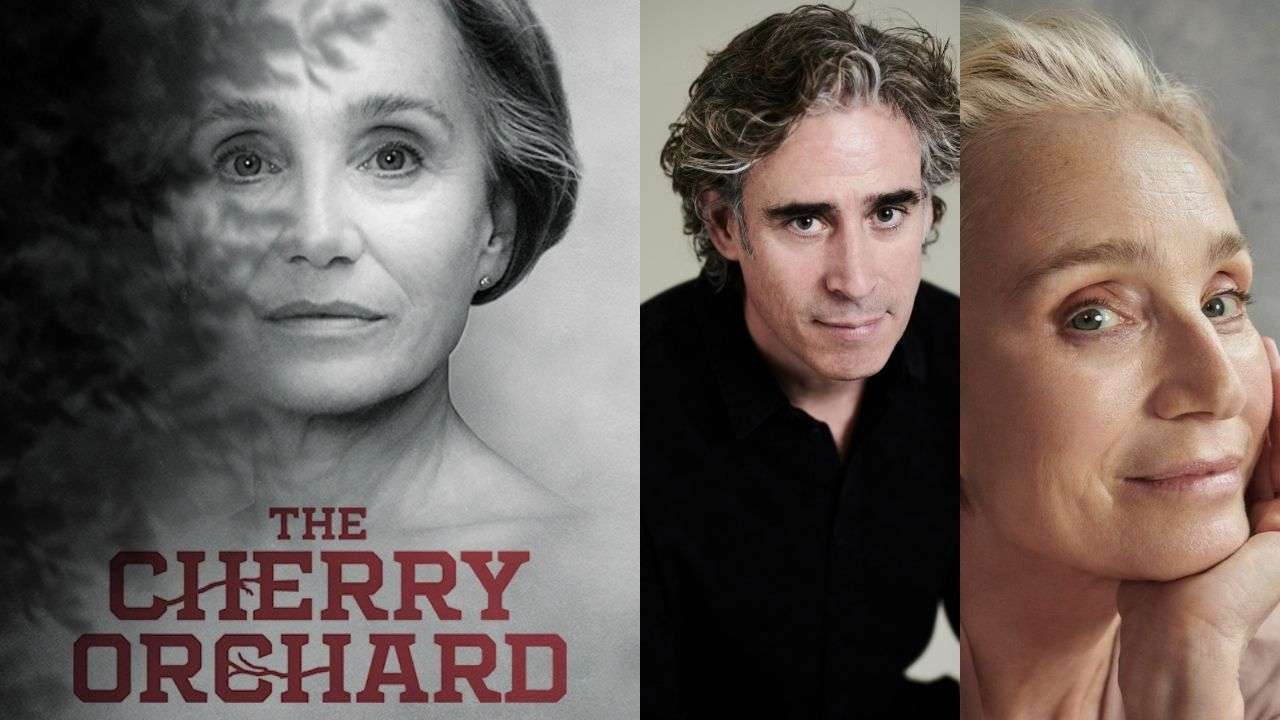

One of the greatest plays ever written is about to receive one of the most eagerly anticipated productions of the West End year. The Cherry Orchard, Anton Chekhov’s final and most celebrated work, arrives at the Harold Pinter Theatre this October, starring BAFTA and Olivier Award winner Kristin Scott Thomas as Lyubov Ranevskaya, opposite Stephen Mangan as Lopakhin.
Directed by Ian Rickson in a new adaptation by Conor McPherson, the production brings together a remarkable gathering of theatrical talent, reuniting several major creative partnerships along the way. Chekhov’s bittersweet study of a family, an estate and a way of life on the brink of extinction remains as timely and resonant as ever, and this new staging promises to be a genuine theatrical event.

View live availability for The Cherry Orchard tickets here
Key dates and venue
- Harold Pinter Theatre: 3 October 2026 – 9 January 2027 (press night 13 October)
What is The Cherry Orchard about?
When Lyubov Ranevskaya returns to her childhood estate after years spent abroad, she finds her family home, and the beloved cherry orchard that surrounds it, under threat. Debts have mounted, and unless the family acts, the estate will be sold at auction. Lopakhin, a local businessman and the son of a former serf on the estate, offers a practical solution: fell the orchard and lease the land for holiday cottages.
For Lyubov and her family, though, the orchard is not simply land. It is memory, childhood, identity and everything they cannot bear to relinquish. As old loyalties falter and new ambitions rise, a world of inherited privilege begins to quietly crumble, even as the people living through it refuse to see it happening.
Chekhov described The Cherry Orchard as a comedy, and much of it is genuinely funny…but it is comedy shot through with heartbreak: a study of people who talk endlessly around the one subject they cannot face, watching a way of life slip away in real time. Expect an evening that is tender, funny, melancholic and devastating, often within the same scene.
The history of The Cherry Orchard

The Cherry Orchard premiered at the Moscow Art Theatre in January 1904, directed by the legendary Konstantin Stanislavski. It was Chekhov’s final play. He was gravely ill with tuberculosis by the time of its opening night and died just months later, meaning he never saw the play find its lasting place in the theatrical canon.
Famously, Chekhov and Stanislavski disagreed profoundly on the nature of the piece: Chekhov insisted he had written a comedy, even a farce in places, while Stanislavski staged it as a tragedy, weighted with sorrow. That tension has never fully resolved, and it is precisely what makes the play so endlessly interesting to directors and audiences alike, since every new production must decide, in effect, whose reading to trust.
In the century since, The Cherry Orchard has become one of the most performed and most studied plays in the world, a defining influence on generations of playwrights fascinated by its blend of naturalism, symbolism and suppressed emotion. It has received numerous major London stagings over the decades, drawing some of the finest actors of each generation to Lyubov Ranevskaya, one of the great roles in the dramatic repertoire.
Who is in The Cherry Orchard?
- Lyubov Ranevskaya: Kristin Scott Thomas (Electra, Slow Horses, Four Weddings and a Funeral)
- Lopakhin: Stephen Mangan (The Split, Episodes, The Birthday Party)
- Gaev: Peter Wight (Three Sisters)
- Varya: Vinette Robinson (Emilia)
- Anya: Nadia Parkes (Kidnapped)
- Trofimov: Jack Riddiford (Stereophonic)
- Firs: Karl Johnson (King Lear)
- Yasha: Noof Ousellam (Macbeth)
- Dunyasha: Megan Cusack (Playboy of the Western World)
- Yepikhodov: Shubham Saraf (An Enemy of the People)
- Sharlotta: Ruby Bentall (Industry)
The headline pairing of Scott Thomas and Mangan brings together two performers at the peak of their powers. Scott Thomas, the Olivier Award-winning star of The Seagull, returns to a Chekhov play for the first time since that acclaimed production, while Mangan, best known to television audiences for The Split and Episodes, takes on Lopakhin, arguably the most complex role in the play: a man both product and destroyer of the old order.
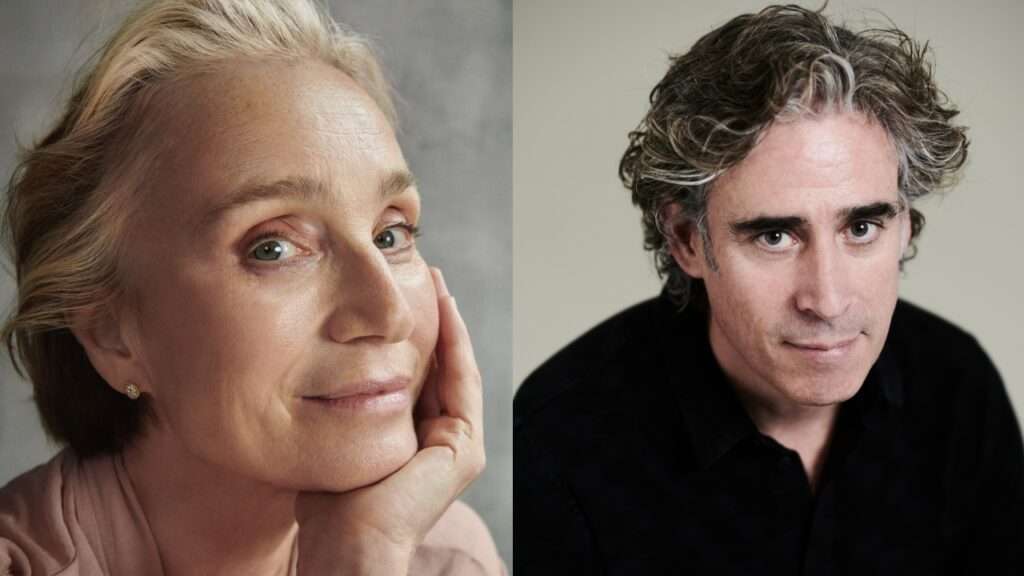
Several genuine reunions run through this casting. Mangan previously worked with director Ian Rickson on Pinter’s The Birthday Party in 2018, while Rickson directed Scott Thomas to her Olivier Award in The Seagull. Rickson also reunites here with adaptor Conor McPherson, following their previous collaborations on The Weir and a widely praised Uncle Vanya.
The playwright: Anton Chekhov
Anton Chekhov is one of the most important dramatists in the history of theatre, alongside Shakespeare and Ibsen, one of the writers most frequently credited with inventing modern drama as we understand it. A trained doctor as well as a writer, Chekhov brought a clinical, compassionate eye to ordinary human behaviour, favouring the texture of everyday life, half-finished conversations and unspoken longing over conventional dramatic incident.
The Cherry Orchard was written in the final months of his life, as his health was failing, and is widely regarded as the culmination of everything he had been working towards across his other great plays, The Seagull, Uncle Vanya and Three Sisters. It is often read as his most personal work: a meditation on mortality, change and the impossibility of holding on to the past, written by a man who knew he was dying as he wrote it.
The creative team
- Writer: Anton Chekhov
- Adaptation: Conor McPherson (The Weir, Girl from the North Country)
- Director: Ian Rickson (Jerusalem, The Seagull)
- Set Designer: Chloe Lamford
- Costume Designer: Sussie Juhlin-Wallén
- Lighting Designer: Bruno Poet
- Sound Designer: Tom Gibbons
- Composer: Stephen Warbeck
- Movement Director: Shelley Maxwell
- Casting Director: Amy Ball CDG
Ian Rickson is one of British theatre’s most consistently acclaimed directors, a former Artistic Director of the Royal Court whose credits include the original production of Jez Butterworth’s Jerusalem and Sophocles’ Electra at the Old Vic. His track record with Chekhov, most notably The Seagull, makes him a natural fit for this material.

Conor McPherson, the acclaimed Irish playwright behind The Weir and Girl from the North Country, brings his own distinctive ear for naturalistic dialogue and buried feeling to this new adaptation, a pairing of sensibility that feels particularly well suited to Chekhov’s world of things left unsaid.
Why The Cherry Orchard matters
Few plays have proved as durable, or as endlessly adaptable to their moment, as The Cherry Orchard. On its surface, it is the story of one family losing one estate. Beneath that surface, it is a study of an entire social order failing to recognise its own ending, told with such compassion that nobody in it, not even Lopakhin, the man who ultimately profits from the family’s ruin, is allowed to be simply a villain.
That refusal to assign blame is part of what makes the play feel so contemporary. Chekhov is less interested in who is right than in how people behave when the ground is shifting beneath them: through denial, nostalgia, distraction, and a very human inability to act until it is too late. In an era preoccupied with its own uncertain transitions, that particular blend of tenderness and clear-eyed observation continues to resonate.
A world on the brink
The Cherry Orchard was written in 1903 and first staged in January 1904, in a Russia that stood on the edge of profound upheaval. Within a year, the country would be convulsed by the 1905 Revolution; within a generation, the aristocratic world the play depicts would be swept away entirely by the events of 1917.
Chekhov did not live to see any of that unfold, but the play is often read, with hindsight, as remarkably prescient: a portrait of a landed class so wedded to sentiment and habit that it cannot save itself, even when the warning signs are plainly visible. Whether or not Chekhov intended the play as prophecy, that sense of a world quietly ending, glimpsed by everyone in it except the people living through it, is part of what gives The Cherry Orchard its enduring, melancholic power.
What to expect on the night
Expect a production that balances comedy and heartbreak in close proximity, often within the same breath. This is a Chekhov play in the fullest sense: character-driven, conversational, more interested in atmosphere and implication than plot, building not towards a single climactic event but towards a quiet, devastating inevitability.
Is The Cherry Orchard worth seeing?
Without question. This is a major new production of one of the greatest plays ever written, led by two of the finest actors working today, directed by one of British theatre’s most trusted interpreters of Chekhov, in a fresh adaptation by an acclaimed contemporary playwright. Few opportunities to see this level of talent applied to this calibre of material come along in a single West End season.
Whether you already love Chekhov or have never seen one of his plays performed, this is a genuinely rare chance to see The Cherry Orchard done at the highest level. Book early: demand for this production is expected to be exceptionally high.
Book tickets to The Cherry Orchard at the Harold Pinter Theatre here
Plan your visit to The Cherry Orchard
- Address: Harold Pinter Theatre, Panton Street, London SW1Y 4DN
- Booking dates: 3 October 2026 – 9 January 2027 (press night 13 October)
- Performance schedule: Monday–Saturday 7.30pm, Wednesday and Saturday 2.30pm
- Getting there: Piccadilly Circus (Piccadilly and Bakerloo lines), Leicester Square (Northern and Piccadilly lines)
- Access: Audio Described 31 October (2.30pm), BSL Interpreted 7 November (2.30pm), Captioned 14 November (2.30pm)
Harold Pinter Theatre, London

Related News
New company takes the stage as The Hunger Games: On Stage enters second year at Troubadour Canary Wharf

Artistic Director Rachel O’Riordan announces Lyric Hammersmith 2027 season with Rufus Norris directing and the return of Jaja’s African Hair Braiding
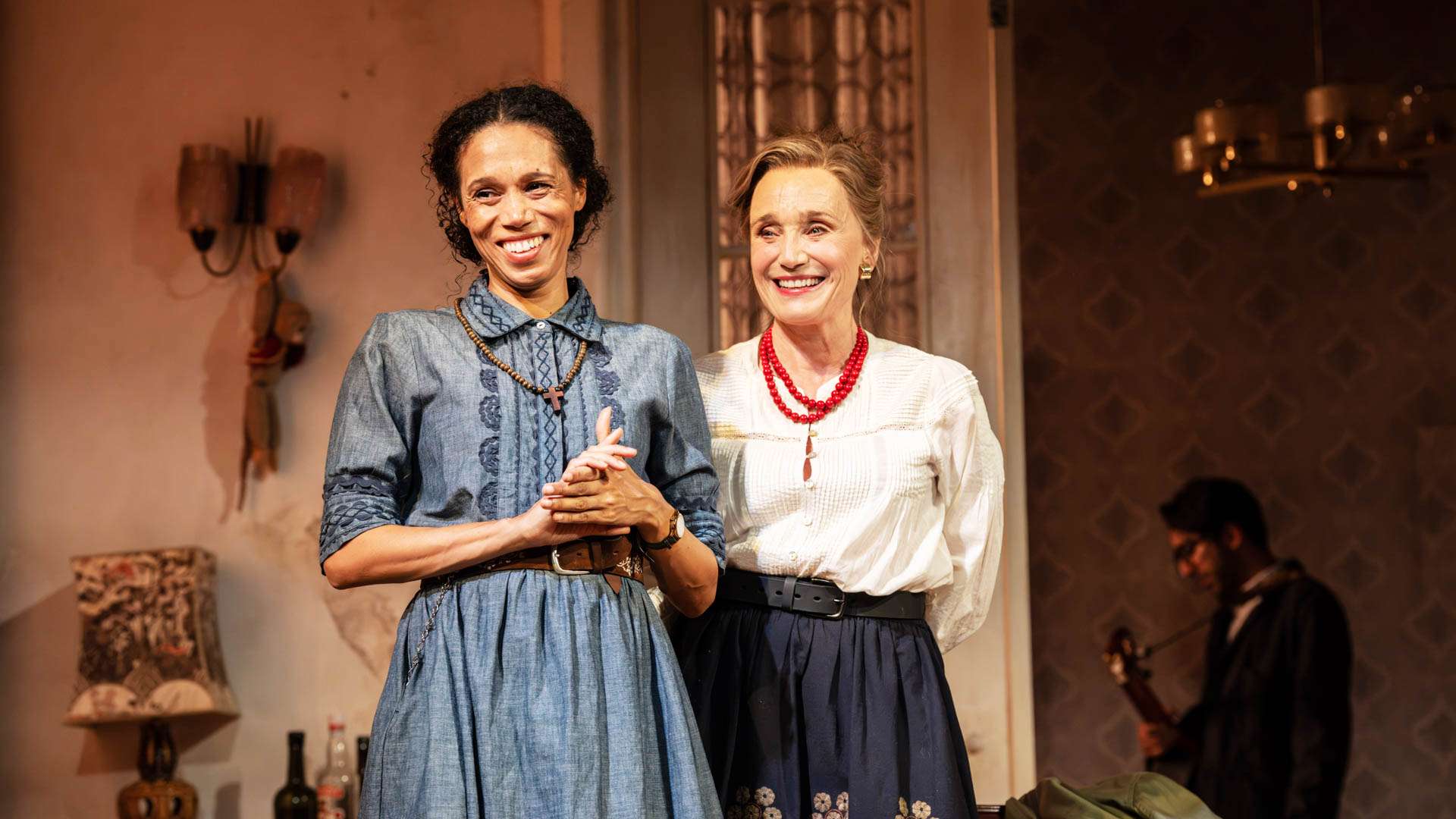
The Cherry Orchard Reviews: critics praise Kristin Scott Thomas, but split on Stephen Mangan

How screen star Kristin Scott Thomas is rediscovering herself on the West End stage
Latest News
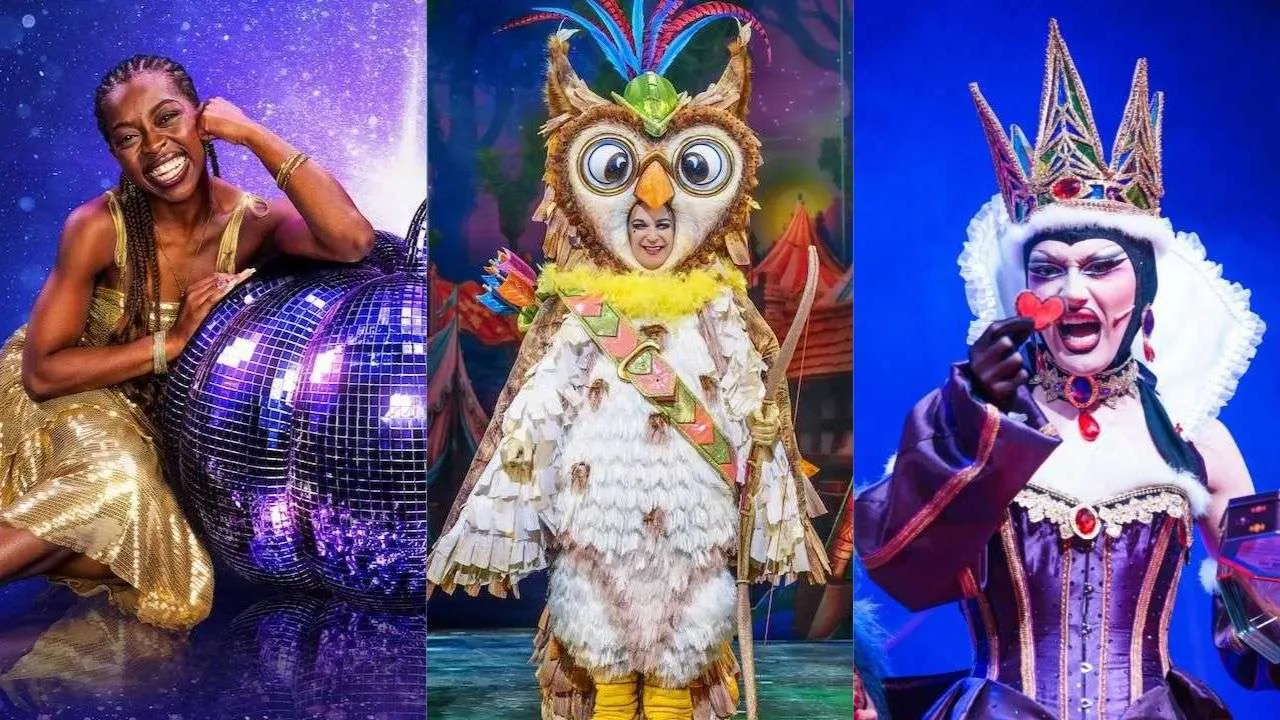
A jaunt through the history of panto: how a flexible theatre form transformed Britain’s Christmas theatre scene
Everything you need to know about West Side Story at the National Theatre
10 reasons we can’t wait for West Side Story