
Martin Guerre takes the stage at the Old Vic, in a stripped back, in-the-round new staging directed by Matthew Warchus. Critics agree that the musical, from the creators of juggernaut Les Misérables, creators’ musical, is well staged and well sung but still falls short.
Now playing at the Old Vic, Martin Guerre is reimagined, 30 years after it first premiered, in an all-new, semi-staged version. The Olivier Award-winning musical by Alain Boublil and Claude-Michel Schönberg, the creators of Les Misérables and Miss Saigon, is loosely based on the real-life historical figure Martin Guerre, a 16th-century French peasant who famously vanished from his village, only to return years later a changed man.
In his final production as Artistic Director of the Old Vic, Matthew Warchus has developed and directed the reworked production, which plays until 31 October 2026. In addition to the in-the-round staging, the production features new music and new lyrics by Boublil, Annabel Mutale Reed and Paul Hodge, and folk-influenced orchestrations.
The critics are in agreement that the cast and the design deserve plenty of praise but the show itself is a harder sell that falls significantly short of Boublil and Schönberg juggernaut musical Les Misérables. Some found the emotional payoff to be lacking while others felt something was lost in the changes, with the musical trying to hard to compete with it’s infamous predecessor.
The verdict: Critics are united on their praise of the cast and the design elements, but they felt the material still feels over-wrought and short of emotional impact.
Critics’ comparison
| Publication | Rating | The Key Takeaway |
| WhatsOnStage | ★★★★ | “A compelling case for a musical with a complicated past.” |
| Time Out | ★★★ | “Enjoyable but still not that great.” |
| The Times | ★★★ | “Intriguing rather than devastating, skilful more than soulful.” |
| The Standard | ★★★ | “Committed but over the top.” |
| The Stage | ★★★ | “Never quite reaches the emotional depths you hope for.” |
The reviews: what they loved about Martin Guerre
- Liv Andrusier’s Bertrande: All four critics single her out as a real highlight. The reworked musical centres her character, and Andrusier delivers. Time Out’s Tim Bano praised the actress for how she ‘packs a lot of power’ into the character, as well as her ability to meet ‘the many high, sustained notes in the belting arias Schonberg gives the character.’ The Stage’s Matthew Hemley calls her ‘sublime,’ noting that she ‘sings with such clarity and emotion’ it’s impossible to not be moved.
- A strong company: Critics agreed that the company as a whole performs well, with The Stage calling the cast ‘uniformly excellent,’ noting too, that the ensemble’s harmonies are ‘among the best to be heard on the London stage.’ The Times commented that the company ‘performs too well’ while TimeOut praised the ‘cracking cast’ for carrying the show.
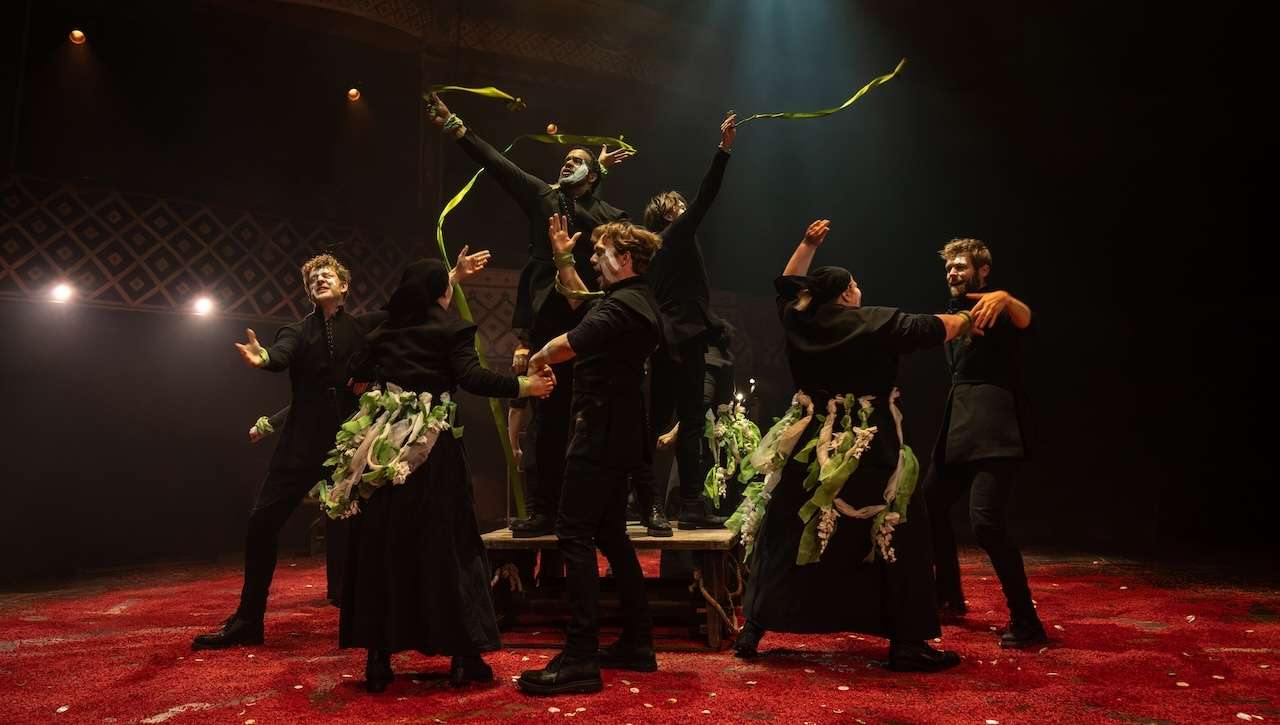
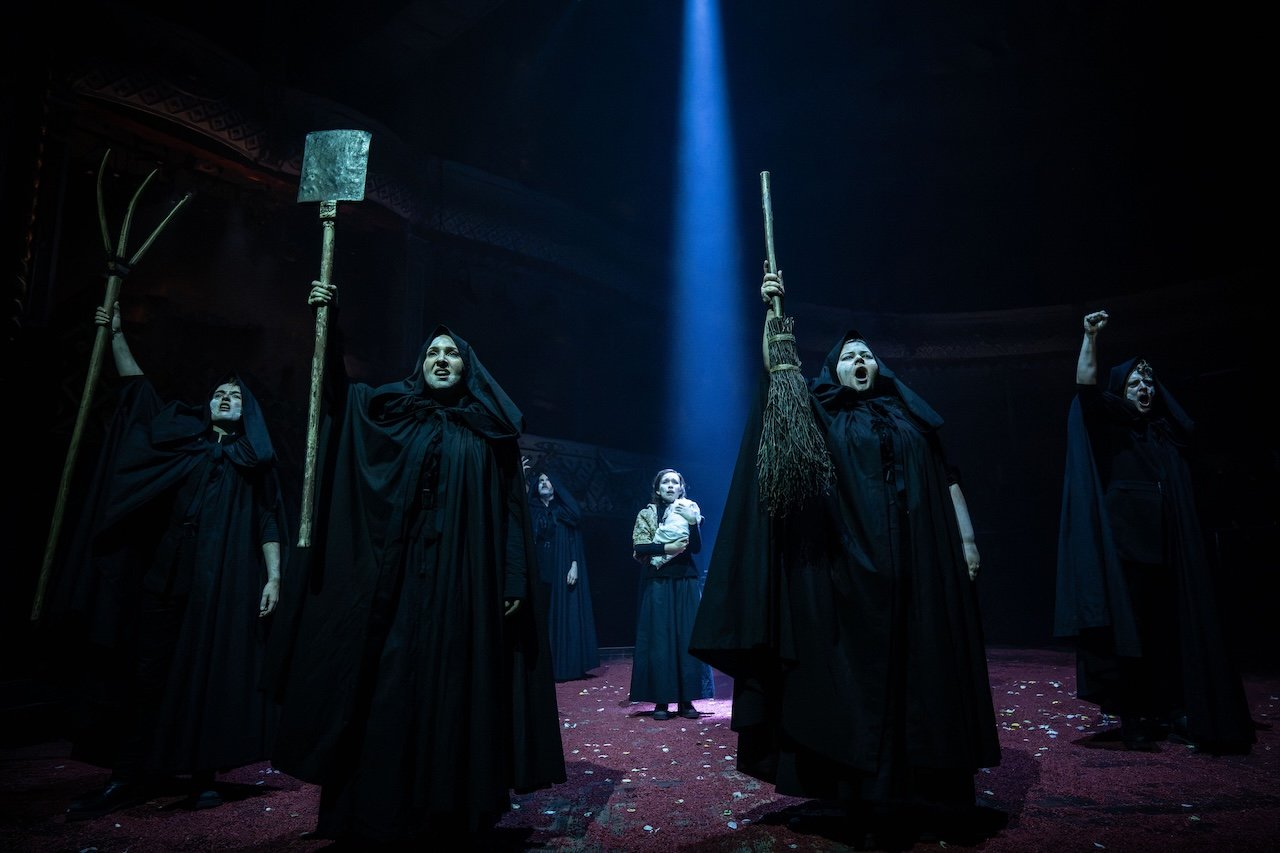
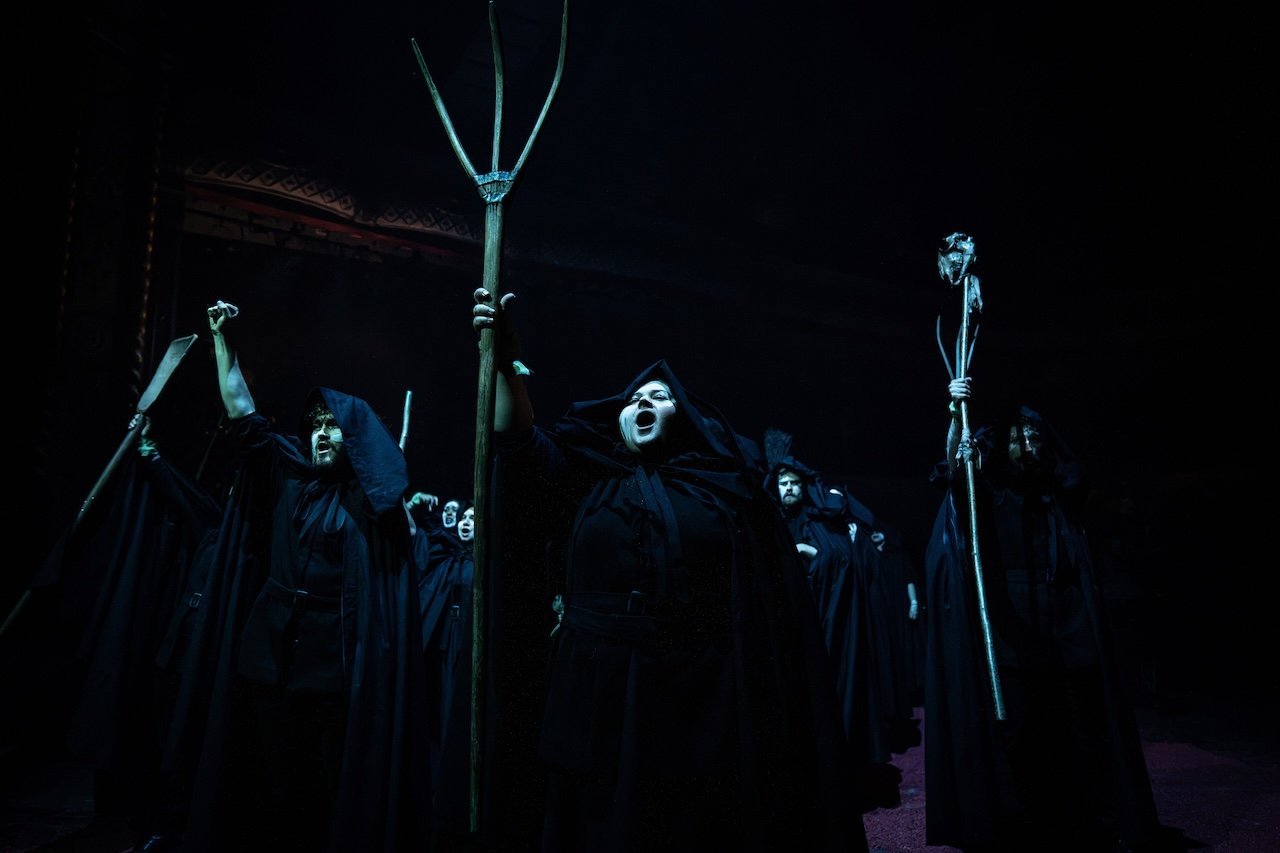
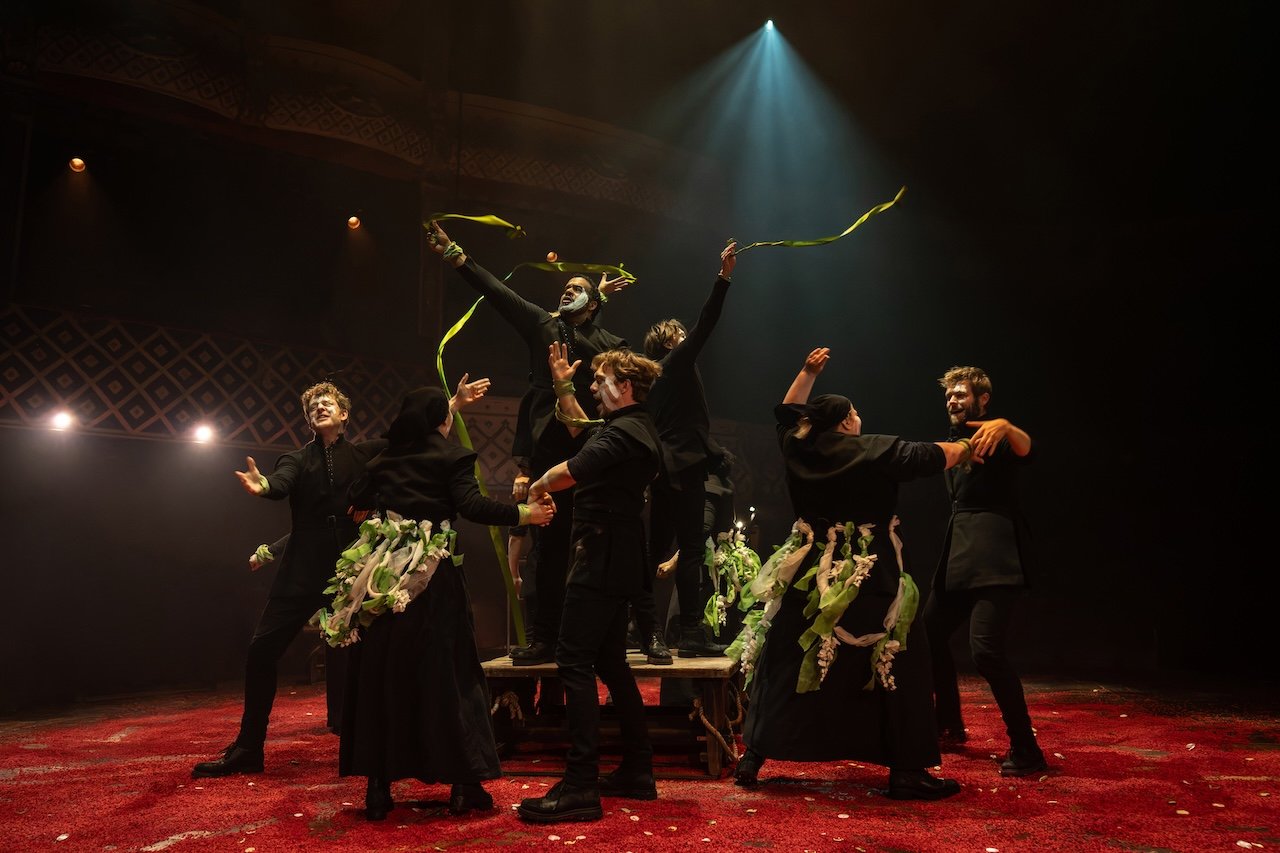
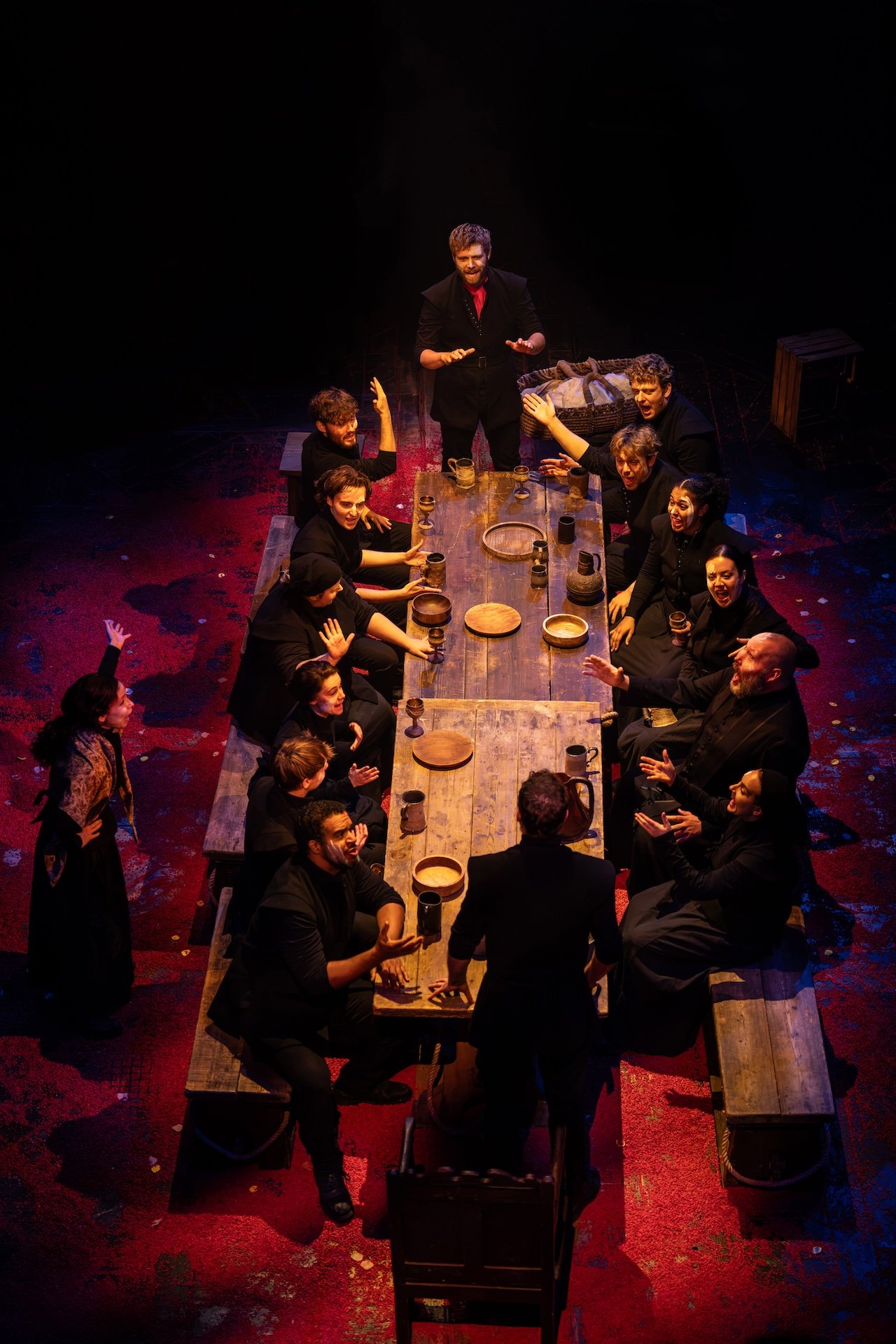
- The production design: Critics all had praise for the design elements of the production from the Traitors-style cloaks to the lighting design. TimeOut praised Rob Howell for making the production ‘look great with Traitors-esque black robes and simple splashes of colour coming from scarves and sashes, while red grit covers the floor, suggesting blood and soil and much else besides.’ The Times called the design ‘visually pleasing,’ while The Standard said it was ‘succinct and effective,’ further noting that ‘the lighting and the band are crisp.’
The reviews: what fell flat for Martin Guerre
- A muddled story: The critics found the plot didn’t deliver, though their comments no why differed . The Times noted that following the story was tricky and in this format‘performed over 100 minutes straight through, one song wedging into another, everyone in black, there’s a lack of light and shade, a lack of ways in.’ The Standard and TimeOut both noted the heavily streamlined material, with TimeOut calling it ‘simple story barrelling in one direction,’ while The Standard observed that there is no real ending, ‘just a series of false climaxes.’ The Stage too felt that ‘the story is being rushed through at the expense of the emotional development of its characters.’
- The use of Northern accents: While the critics noted the use of Northern accents in the production, it was The Stage that called the choice ‘inexplicable,’ noting that it is ‘not entirely clear why, and doesn’t feel necessary.’
The back story
Martin Guerre is based on a real case from 16th-century France: a young peasant named Martin Guerre vanishes, leaving behind his wife Bertrande. Years later, a man arrives claiming to be him, and he is kinder and more loving than the husband she remembers. Their happiness is cut short when the villagers begin to suspect he is an impostor, and the dispute ends in court.
The musical, by Boublil and Schönberg, premiered at the Prince Edward Theatre in London in 1996, winning the Olivier Award for Best New Musical the following year. It has since been reworked several times and has toured in Europe and the US.
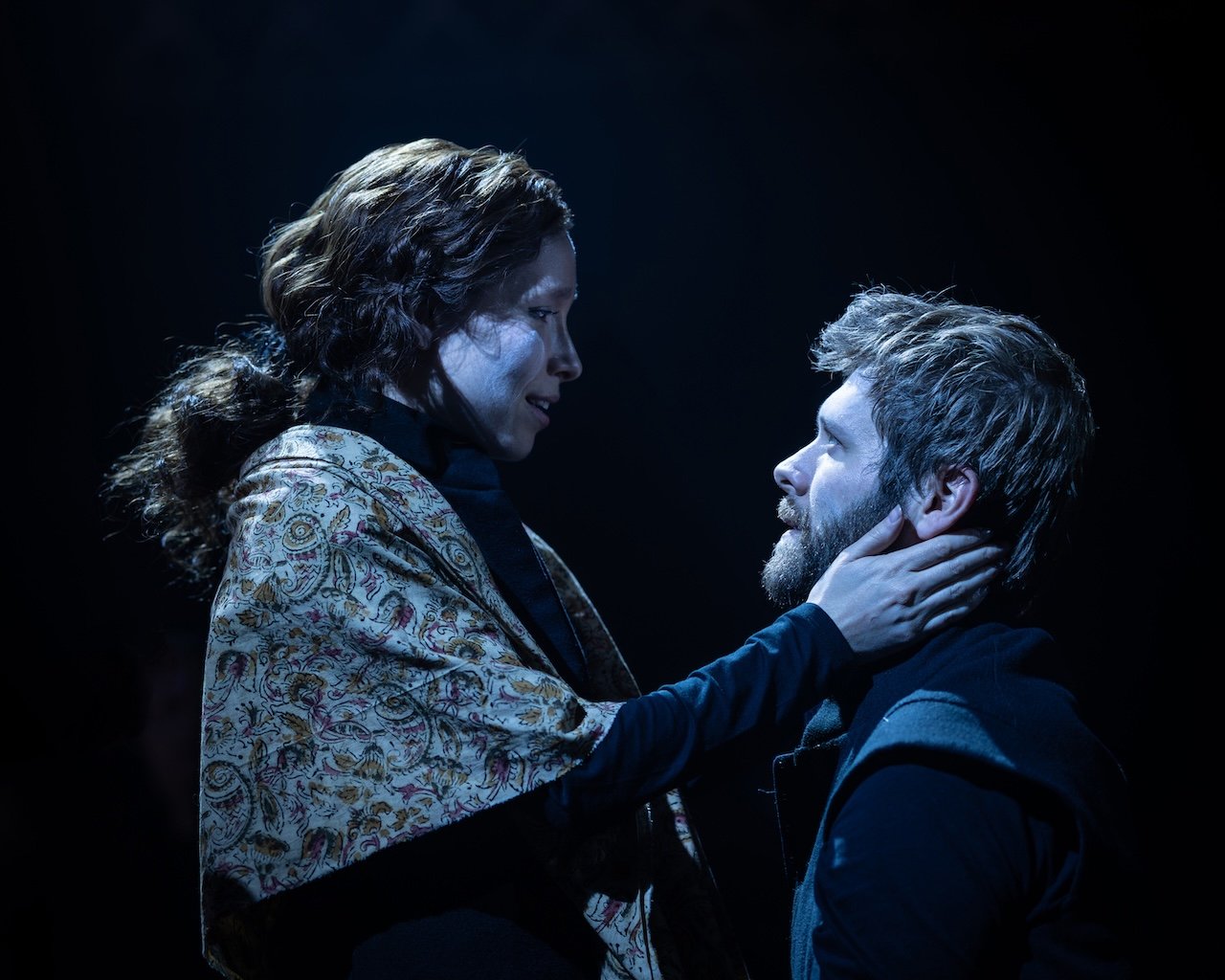
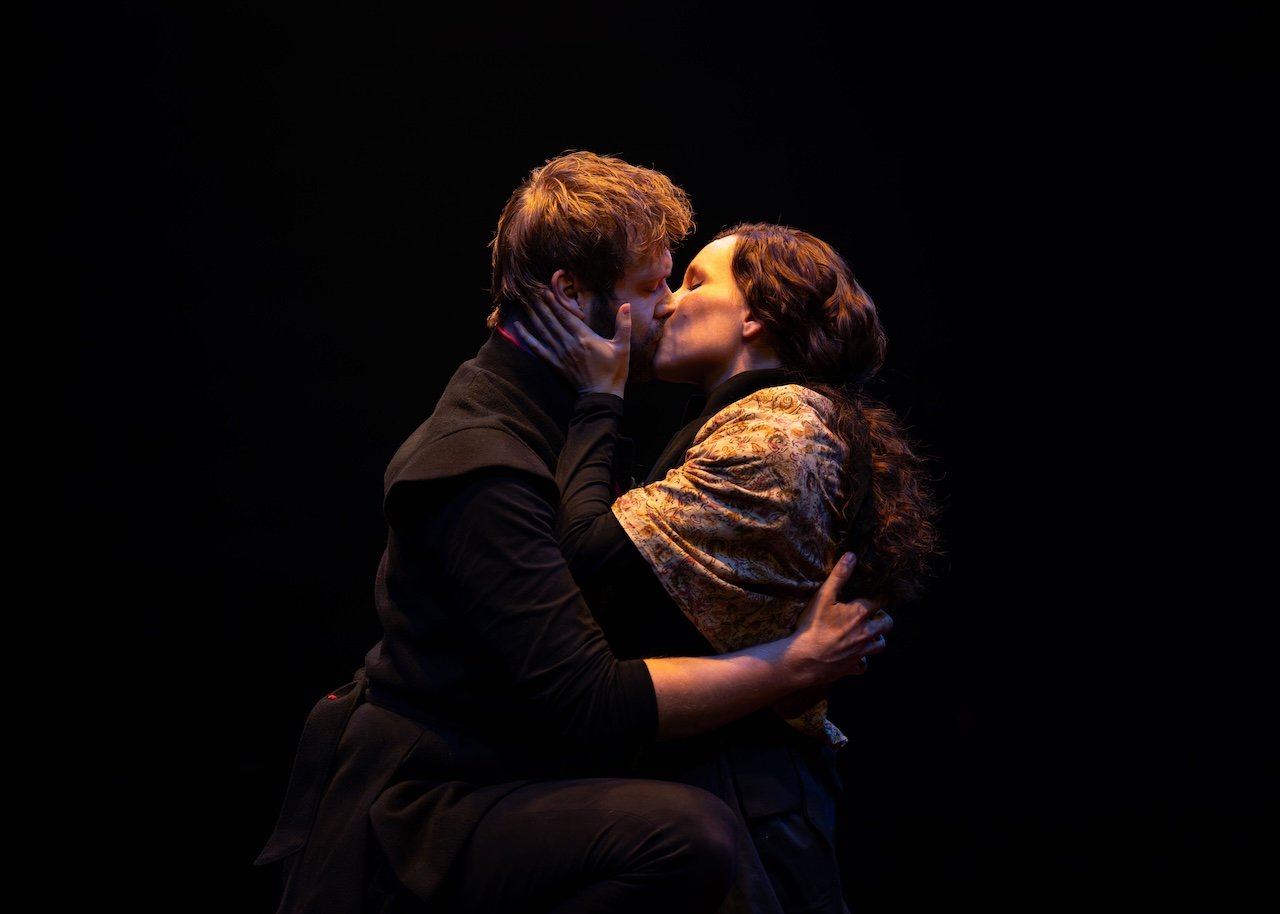
This new staging reworks the story by centering Bertrande’s choices at the emotional heart of the story, as she balances her relationship with Martin against her rigid, God-fearing community. Additional music, new lyrics and folk-influenced orchestrations have been added to the musical in this new version.


The cast includes:
- Martin: Alex James-Hatton and Shane O’Riordan
- Bertrande: Liv Andrusier
- Benoit: Colin Ryan
- Guillaume: Barney Wilkinson
- Madame de Rols: Caroline Sheen
- Pierre: Mathew Craig
- Judge: Aaron Lee Lambert
- Father Dominic: Adam Pearce
The production is developed and directed by the Old Vic’s Artistic Director and a Tony and Olivier Award winner Matthew Warchus, with a book by Alain Boublil and Claude-Michel Schönberg, with music by Schönberg and new lyrics by Boublil, Annabel Mutale Reed and Paul Hodge, who also contributes additional material. The creative team also includes set and costume design by Rob Howell, choreography by Lizzi Gee, sound design by Fergus O’Hare, and lighting design by Hugh Vanstone, Luca Panetta and Toby Ison.
Where to see Martin Guerre
- Venue: Old Vic, until 31 October 2026
- Running time: 1 hour 30 minutes (without interval)
- Age requirements: 12+
- Full details on Martin Guerre
What are the critics saying about Martin Guerre?
“It’s a tricksy, ambiguous musical that, from the looks of things, proactively decides to leave as much on the table as possible.”
“Whittled down to a punchy, no-interval 90 minutes, this version bears very little resemblance to its bloated previous incarnations.”
“Presented in the round, Rob Howell’s minimalist staging creates an immediate sense of intimacy, effectively turning the audience into complicit members of the insular community.”
“Small, character-driven scenes prove far punchier and more cohesive than the larger ensemble moments, where crowd mentality turns on a dime. Yet Lizzi Gee’s choreography successfully captures this mob fervour.”
“The chief reason to see the show is as a showcase for star Liv Andrusier.”
““Someday” stands out as a genuine Schönberg earworm, up there with an “I Dreamed A Dream” or “On My Own”.”
“Directorially, there are striking, powerful images throughout, not least the stark circularity of the opening and closing tableaus, which linger long after the curtain call.”
"This trimmed-down revival makes a compelling case for a long-misunderstood work."
“This radical revamp of the famously troubled ’90s musical is enjoyable but still not that great.”
“Every time Martin Guerre has been revived since its poorly received premiere in 1996, the tale of the 16th-century peasant has received not only a tinkering around the edges but a complete gutting and reconstituting.”
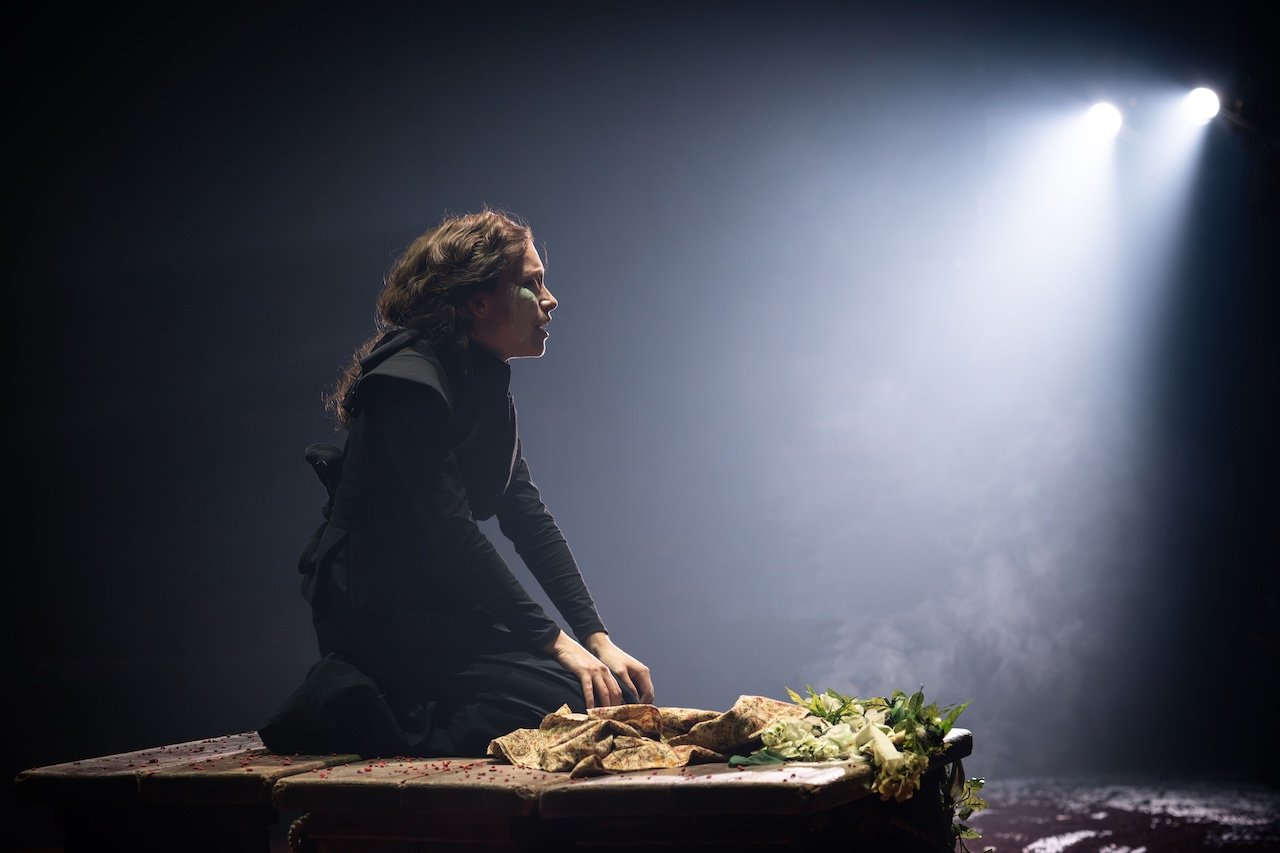
“Even in this semi-staged form, Warchus and designer Rob Howell make it look great with Traitors-esque black robes and simple splashes of colour coming from scarves and sashes, while red grit covers the floor, suggesting blood and soil and much else besides.”
“Warchus brings his magical ability to marshall a large cast with ease, and to transform the stage from full chorus numbers to quiet solos in an instant. It’s a smart and seamless treatment of the show.”
“A cracking cast carries it, too, especially Liv Andrusier’s Bertrande.”
“It is, simply, not a great musical. There are soaring solo melodies, contrapuntal chorus numbers, a sense of a score always bursting at its seams, but only a couple of numbers stand out.”
“The result is a restless musical about identity that can never quite find its own.”
“The large, northern-accented ensemble performs too well and the songs are too sumptuous for this to be boring.”
“Definitive or not, I found it intriguing rather than devastating, skilful more than soulful.”
“Warchus and co lean into the story’s central ambiguity.”
“It’s billed as “semi-staged”, but the folk-theatre aesthetic is plausible and visually pleasing.”
“Oliviers, please, for the dramatic lighting (by Hugh Vanstone, Luca Panetta and Toby Ison) that brings such grace to Rob Howell’s woody design.”
“The songs can be gorgeous, not least Live with Somebody You Love and a new one, Someday.”
“Shane O’Riordan is exceptional as the man who may or may not be Martin.”
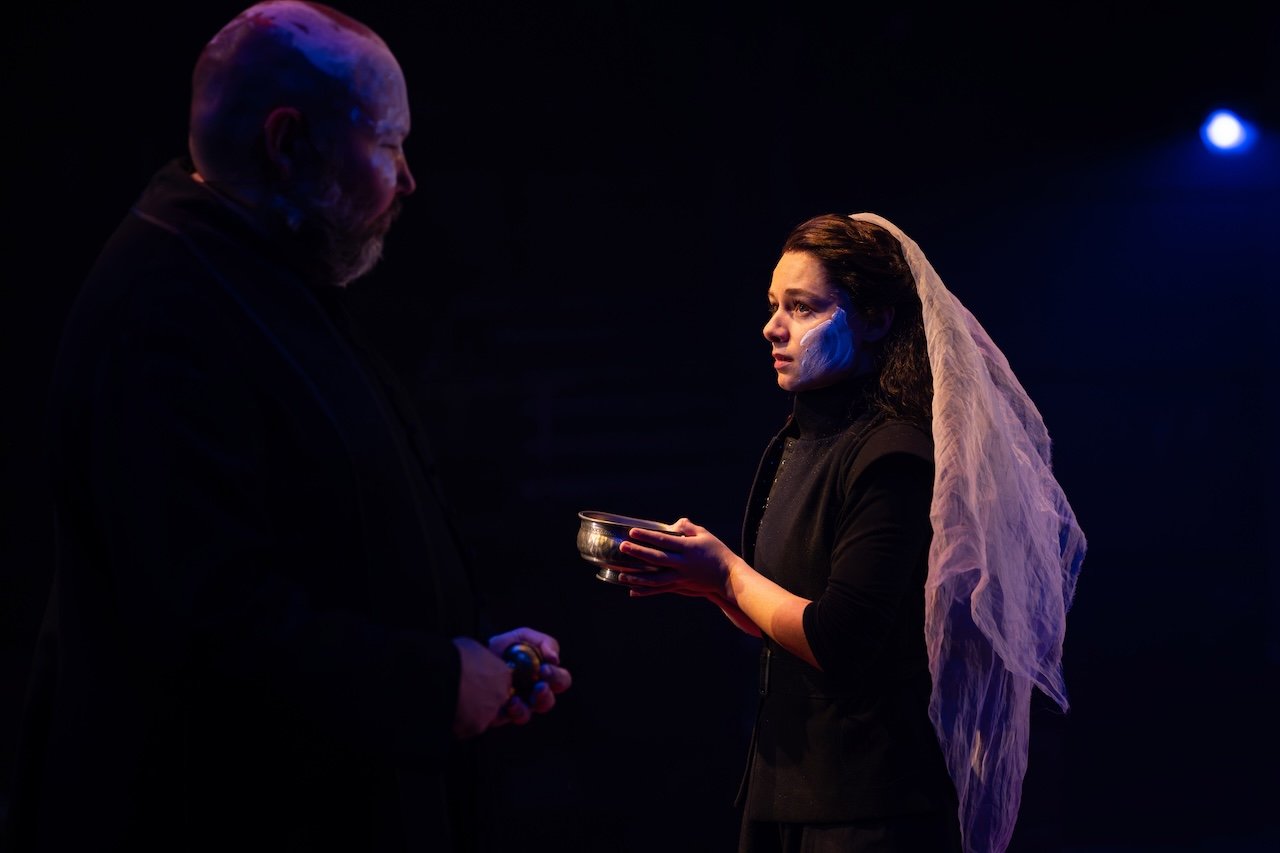
“Complexity is good in storytelling, confusion is bad, and for too long I was just clinging on to who was who and what was what and wondering why the cast were daubed with bits of white make-up.”
“This reworked musical about a French peasant returning to his wife but suspected of being an imposter, is committed but over the top.”
“Indeed, it plays out like a pacy, screamy folk-horror, but one that takes itself far too seriously. Everyone wears black, and French rusticity is implied by northern English accents.”
“There’s some fine singing from the mostly young cast, particularly Liv Andrusier as Martin’s abandoned and then apparently, zestfully re-embraced wife Bertrande.”
“Some of the set numbers are very fine, particularly Someday and Live With Somebody You Love. But too many feel like sketchy placeholders, there to move the story on.”
“Unfortunately, everything here is a bit too obvious or on-the-nose, from the Traitors cloaks and chalk-smeared faces of the beginning to the flag-waving war flashbacks and the deployment of village idiot Benoit (Colin Ryan) and his doll-bride Louison for light relief.”
“Warchus’s direction, and Rob Howell’s basic design of a circle of benches strewn with red chaff, are succinct and effective. The lighting and the band are crisp. But my god it’s over the top.”
“Perhaps the story is itself the problem: the very mystery that makes the real-life tale of Martin Guerre so tantalising doesn’t lend itself to an easily resolved narrative.”
"Impossible not to be moved by Liv Andrusier’s performance."
The significant change to the story in this version is that it now centres on Bertrande, capturing, as its writers say in the programme, ’her truth’.”
“For this production, songs have been cut, added and reordered. New lyrics have been introduced, and an entirely fresh structure has been implemented”
“The sweeping orchestral score of the original 1996 version is now replaced with a six-piece chamber ensemble (who play beautifully), and the sound is more folk-infused than in previous incarnations.”
“For those who loved the orchestrations of the original (I count myself among them), it does feel as if something lush has been lost. It’s true that some of the melodies from the original have survived – although now they are more just snippets or nods to what went before.”
“Strangely, though, for all its reworkings and additions, the score ends up sounding in parts like it could have been lifted directly from Les Misérables, which is disappointing, given that this piece has always had its own musical identity.”
“The cast members are uniformly excellent, led by a sublime Liv Andrusier as Bertrande, who sings with such clarity and emotion that it’s impossible not to be moved by her performance, particularly when she performs Someday. She is joined by the ever-brilliant Caroline Sheen as Madame de Rols and a touching Colin Ryan as the scarecrow-loving Benoit.”
“Warchus has, inexplicably, decided to have them all singing in northern accents. It’s not entirely clear why, and doesn’t feel necessary.”
“It’s a swift affair but feels, at times, that the story is being rushed through at the expense of the emotional development of its characters.”
Related News

Arinzé Kene in Kohlhaas
Everything you need to know about A Christmas Carol at the Old Vic
Rupert Goold’s first Old Vic season announced, with Damian Lewis, Milly Alcock and more

How Matthew Warchus and Stephen Beresford reimagined PRIDE for a new audience
Latest News

A jaunt through the history of panto: how a flexible theatre form transformed Britain’s Christmas theatre scene

Everything you need to know about West Side Story at the National Theatre
10 reasons we can’t wait for West Side Story