- Performance dates Booking to 14 November 2026
- Running time 1 hour 30 minutes (no interval)
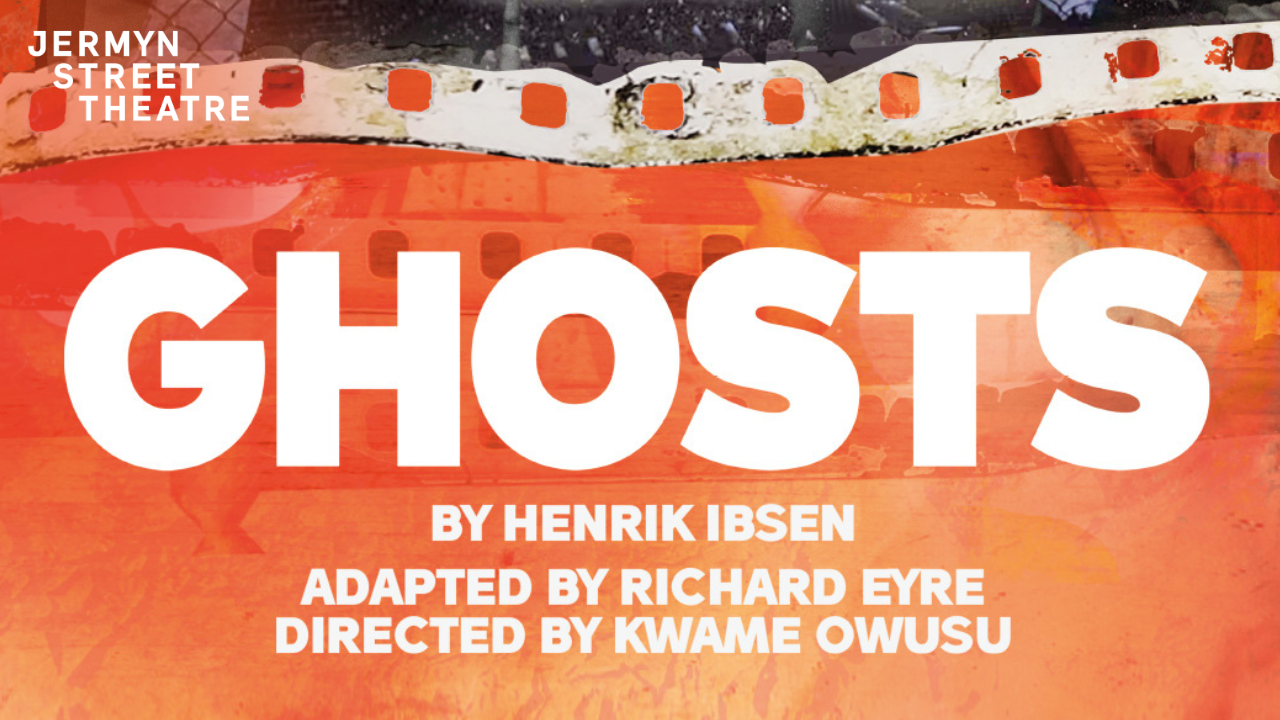
Book tickets to see Ghosts – Richard Eyre‘s contemporary adaptation of Henrik Ibsen‘s masterpiece, at Jermyn Street Theatre until 14 October 2026.
The production stars Flora Montgomery (The Crown) and Oliver Alvin-Wilson (Macbeth), and is a powerful family drama exploring secrets, inherited guilt, and moral duty in a world where nothing is what it seems.
Ghosts in London
Ghosts is one of the most powerful works by Isben, and it has provoked, challenged and moved audiences for over 130 years. This version of the play is a contemporary take on a classic.
Eyre’s adaptation, alongside direction by Kwame Owusu (Dreaming and Drowning) brings this 1880s Norwegian family drama into the present day, making its themes of morality, duty and societal expectation urgently relevant to today’s audience. The duo brings the play’s theme into the present day while maintaining the intensity and psychological depth of the original.
What is Ghosts about?
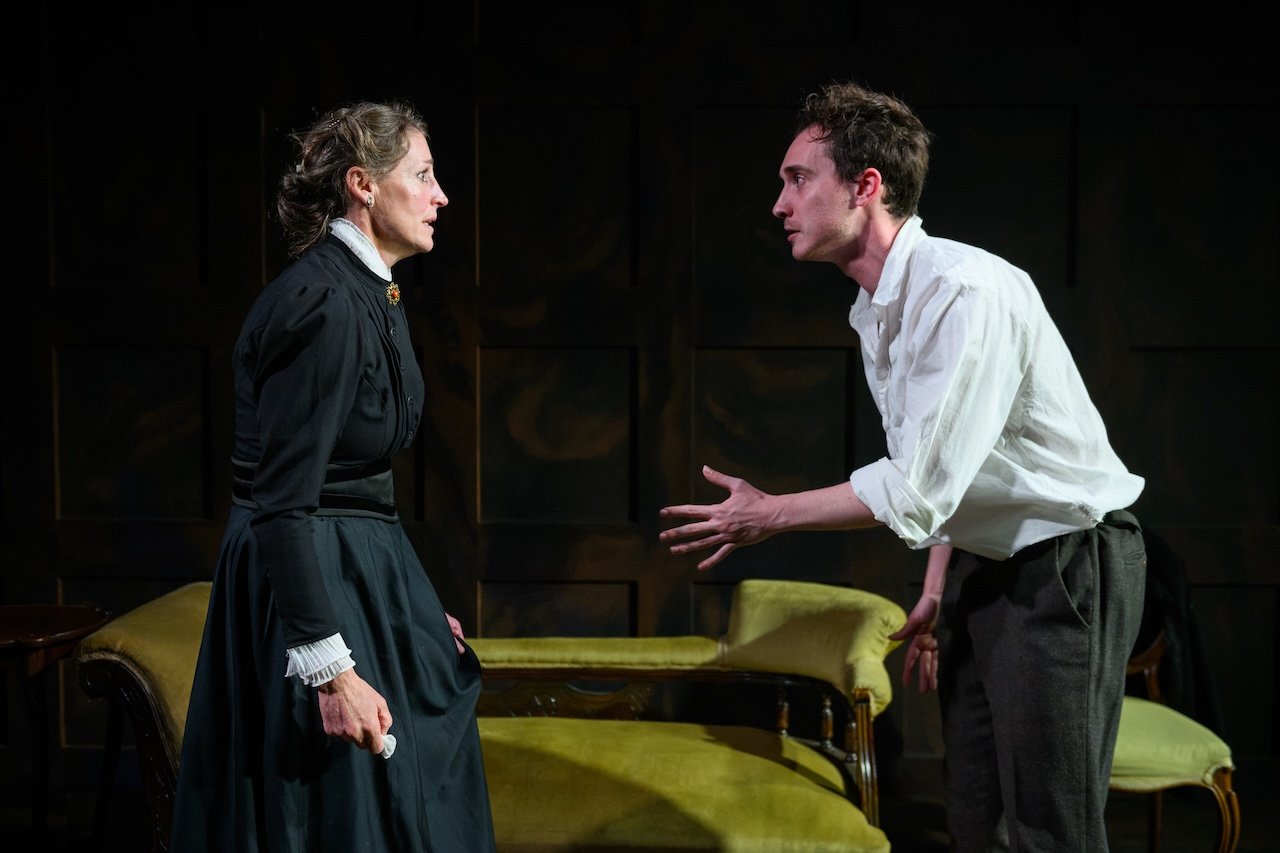
Ghosts is set in Norway in 1890, and follows Helene Alving and her son Oswald as they prepare for the opening of a memorial orphanage built in honour of Oswald’s late father — a man whose reputation is spotless, his memory unchallenged.
But as the day arrives, buried family truths begin to surface. The play is a searing examination of family dysfunction, social hypocrisy and the ghosts of the past that haunt us all, asking uncomfortable questions about duty, love, and the price we pay for keeping up appearances.
The play was considered controversial when it was first staged in 1882 due to its frank treatment of sexual disease, infidelity and social hypocrisy that it was initially banned in several countries.
Book Ghosts tickets
Ghosts plays at Jermyn Street Theatre from 8 October to 14 November 2026. With a limited run and strong demand for this contemporary production, early booking is recommended.
Ghosts is set in Norway in 1890 and centres on Helene Alving and her son Oswald, who are preparing for the opening of a memorial orphanage built in honour of Oswald’s late father – a man whose reputation is beyond reproach.
But on the evening of the opening ceremony for the orphanage, buried family truths begin to surface, revealing a web of secrets, lies and moral complications that threaten to destroy everything the Alving family has carefully constructed.
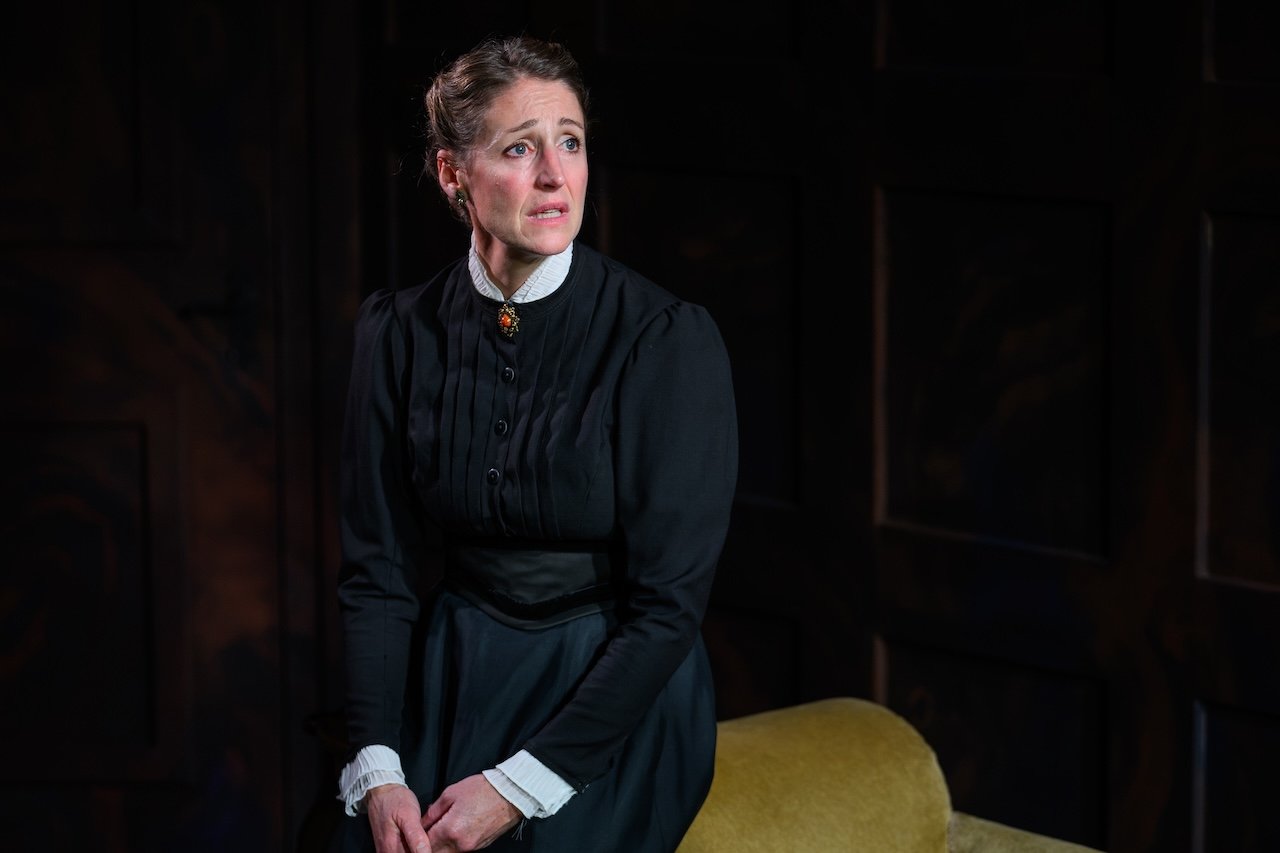
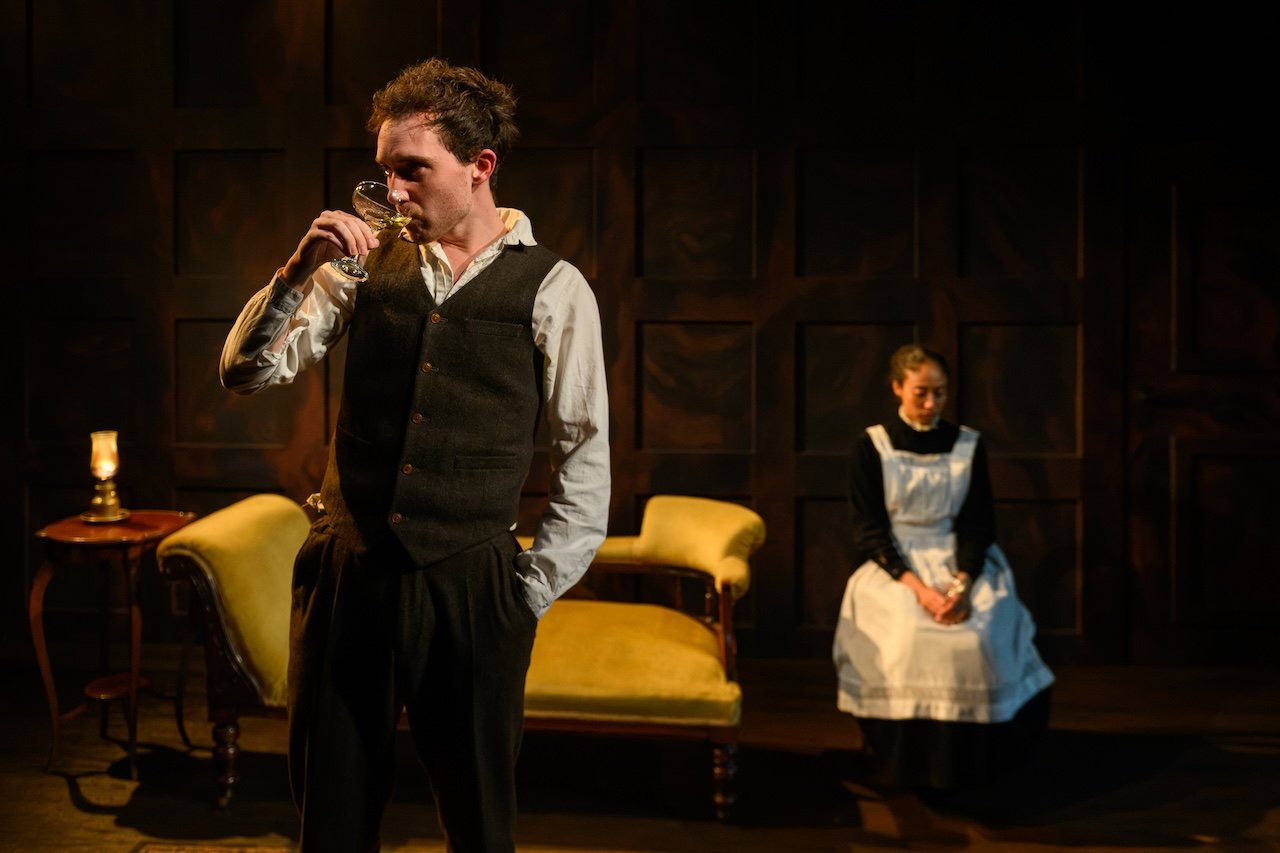
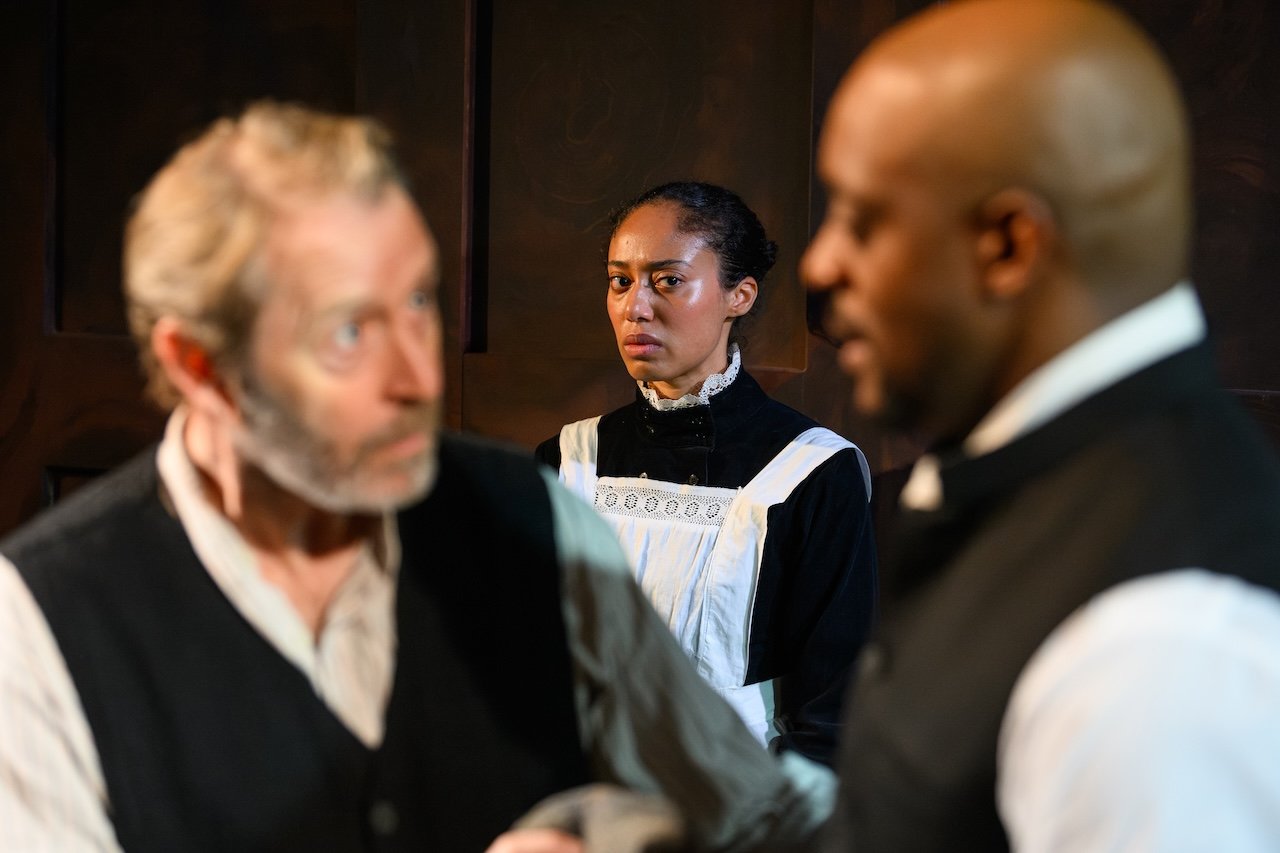
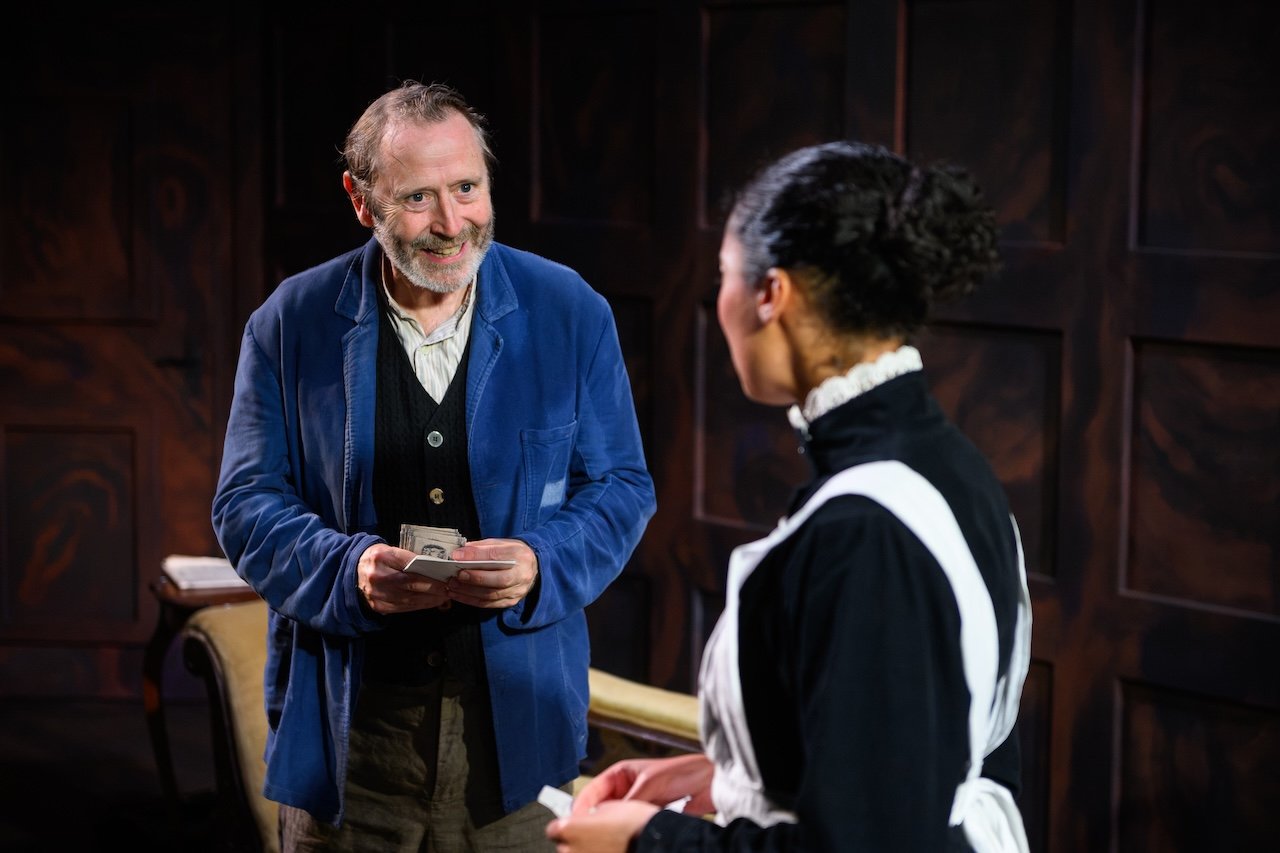
Photos
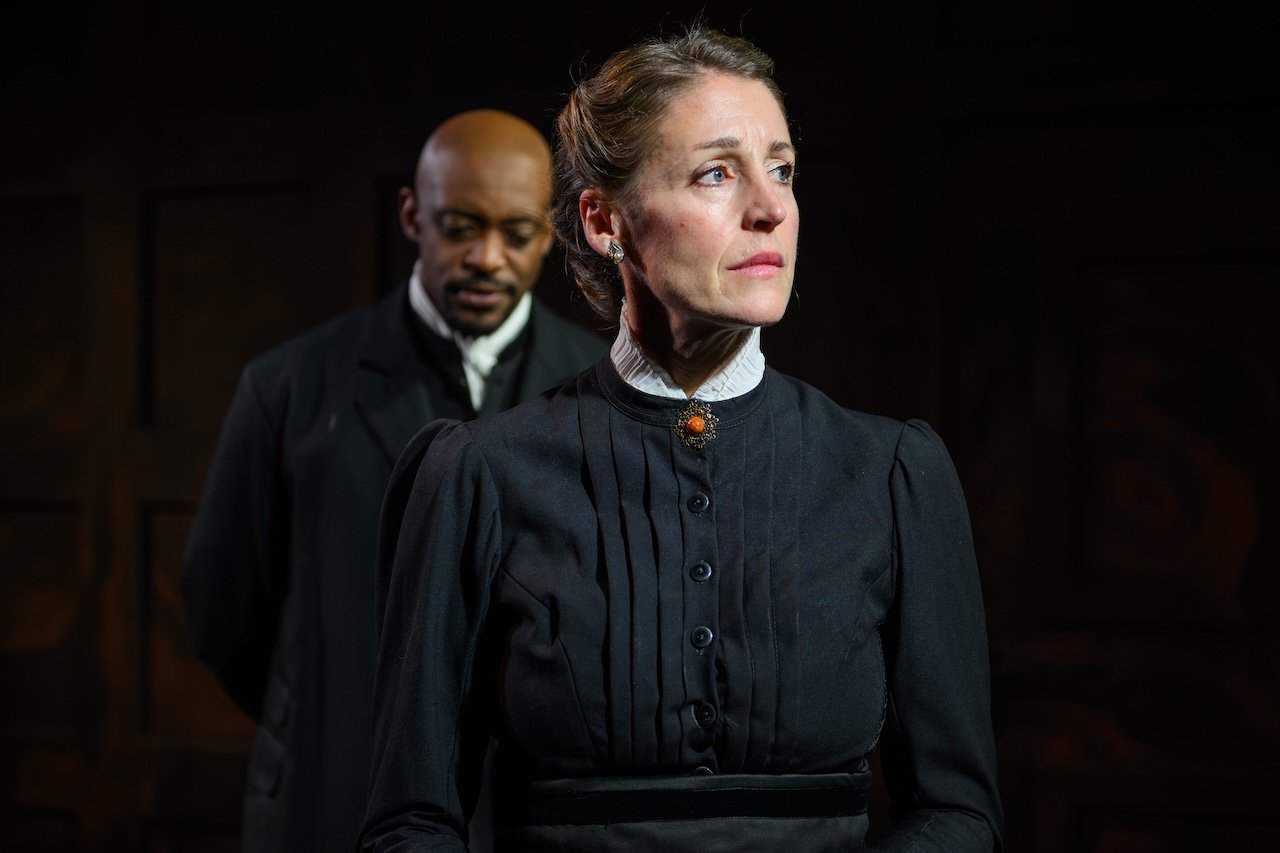
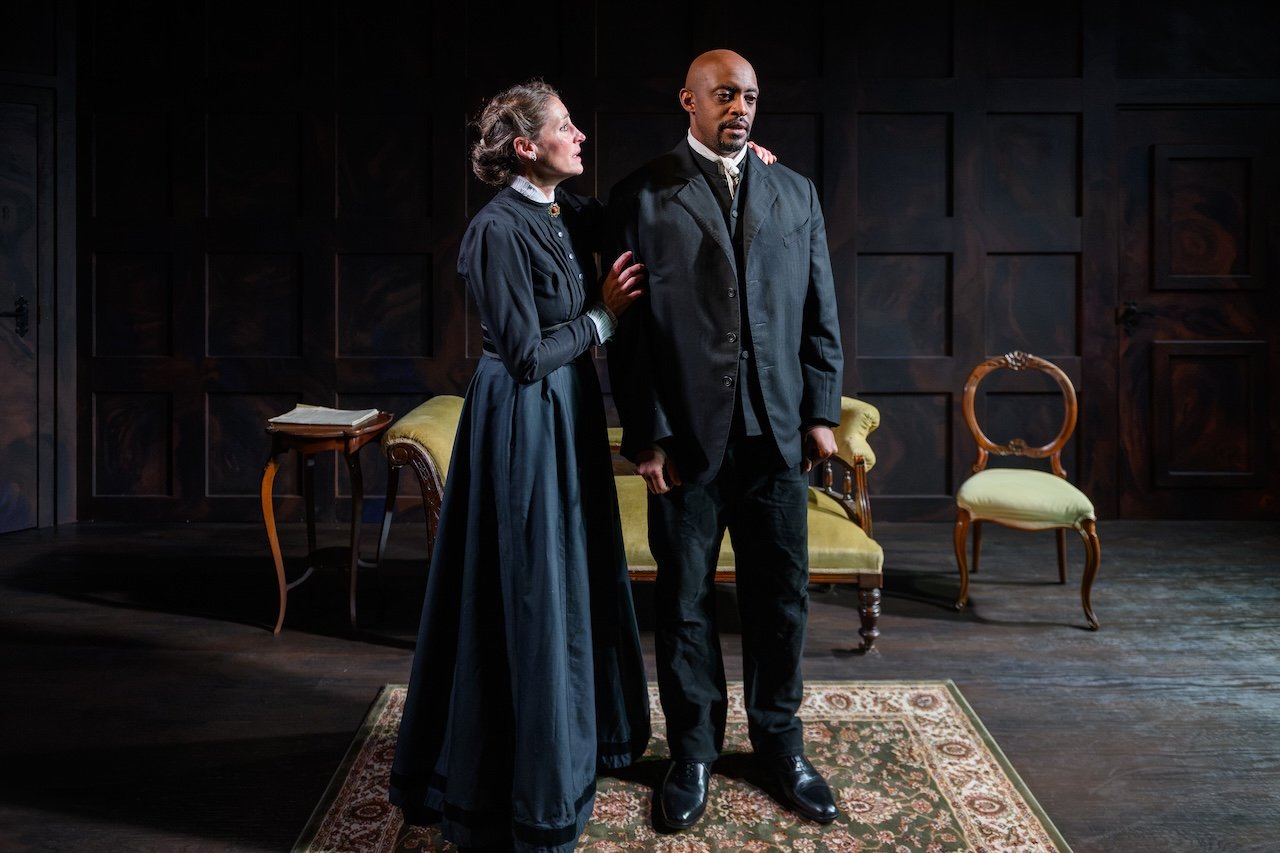
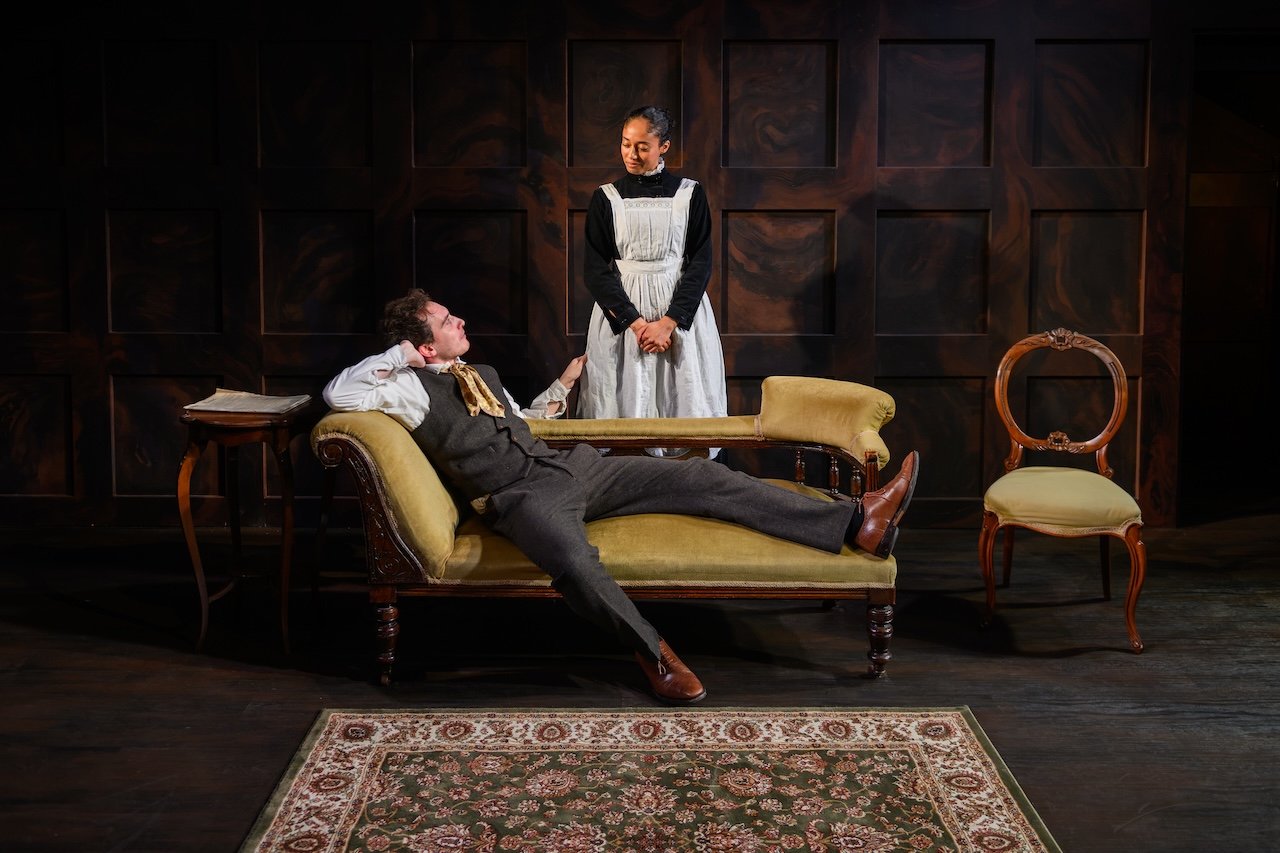
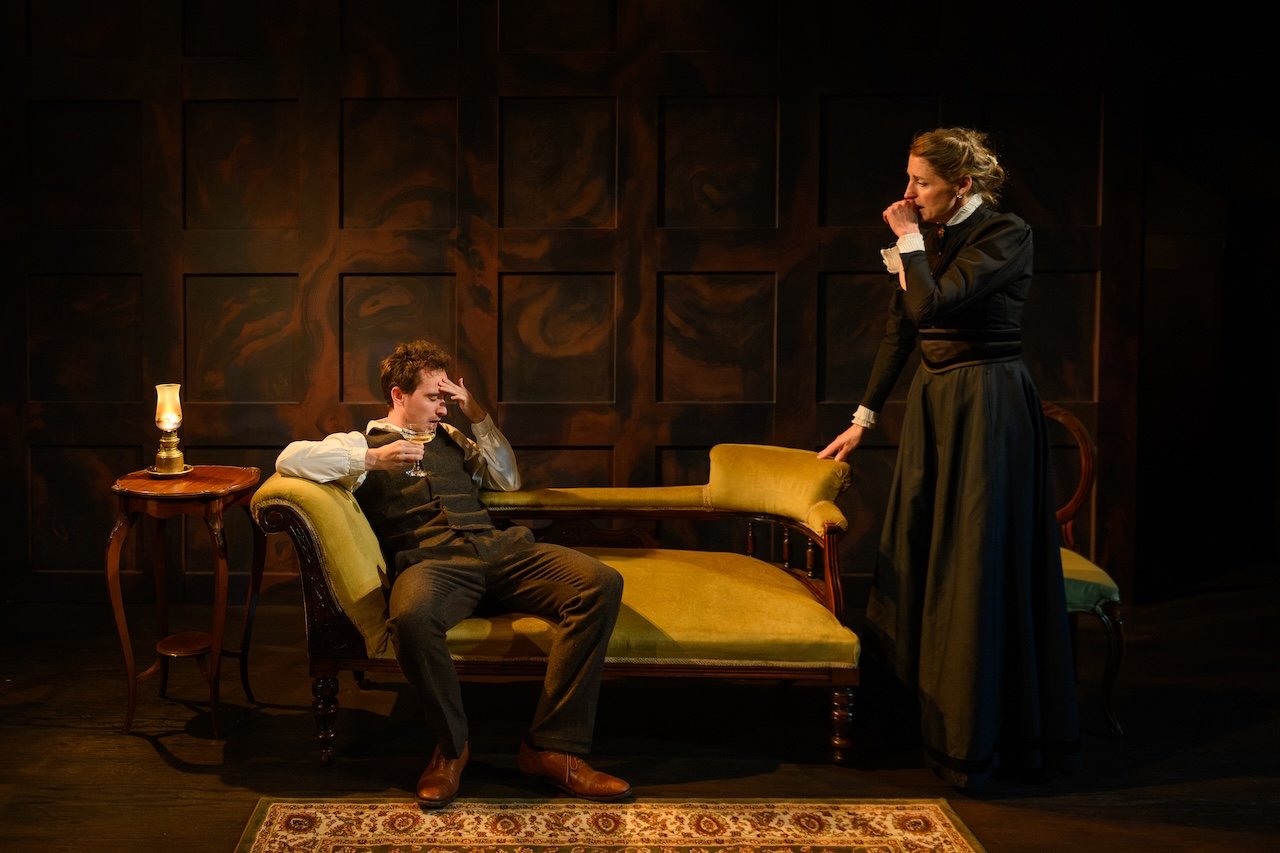
Performance Information
Check booking calendar for full details
- Evenings
- Tuesday
- Wednesday
- Thursday
- Friday
- Saturday
- Group Bookings For groups of 10+ enquire here
Stars and Creatives

Who is in the cast of Ghosts?
- Helene Alving: Flora Montgomery
- Pastor Manders: Oliver Alvin-Wilson
- Jacob: Peter F. Gardiner
- Regina: Cecilia Appiah
- Oswald: Joe Pitts
Who are the creative team of Ghosts?
- Playwright: Henrik Ibsen
- Adaptation: Richard Eyre
- Director: Kwame Owusu
- Set Designer: Cara Evans
- Costume Designer: Natalie Johnson
- Lighting Designer: Ben Ormerod
- Composer & Sound Designer: Fran Amewudah-Rivers
Important Notes
Contains mature themes including sexual health, illness and death. Intended for adult audiences.
 Google
 Apple
AppleFrequently Asked Questions
Henrik Ibsen (1828–1906) was a Norwegian playwright and poet widely regarded as the father of modern drama. His plays revolutionised theatre, moving away from melodrama and sentiment toward psychological realism and social critique.
A Doll’s House, An Enemy of the People, Hedda Gabler and The Wild Duck are among his most celebrated works, while Ghosts, which was first staged in 1881, was considered so controversial that it was initially banned in several countries.
Eyre’s adaptation of the play maintains its essential structure and themes, while setting it in a contemporary context.
The core drama – family secrets, the collision of past and present, moral questions with no easy answers – remain, but rather the characters being in period costume, Eyre’s version allows the psychological depths of the characters to take centre stage.
Ibsen’s Ghosts was written in 1881 and first performed in 1882, and was considered scandalous for its frank discussion of sexual disease, infidelity, and social hypocrisy. The notion that a respectable father could have syphilis, or that a woman might leave a bad marriage, was deemed unacceptable at the time.
The play remains powerfully relevant for its exploration of how we hide truths to maintain appearances, and the cost of those silences.
News about Ghosts
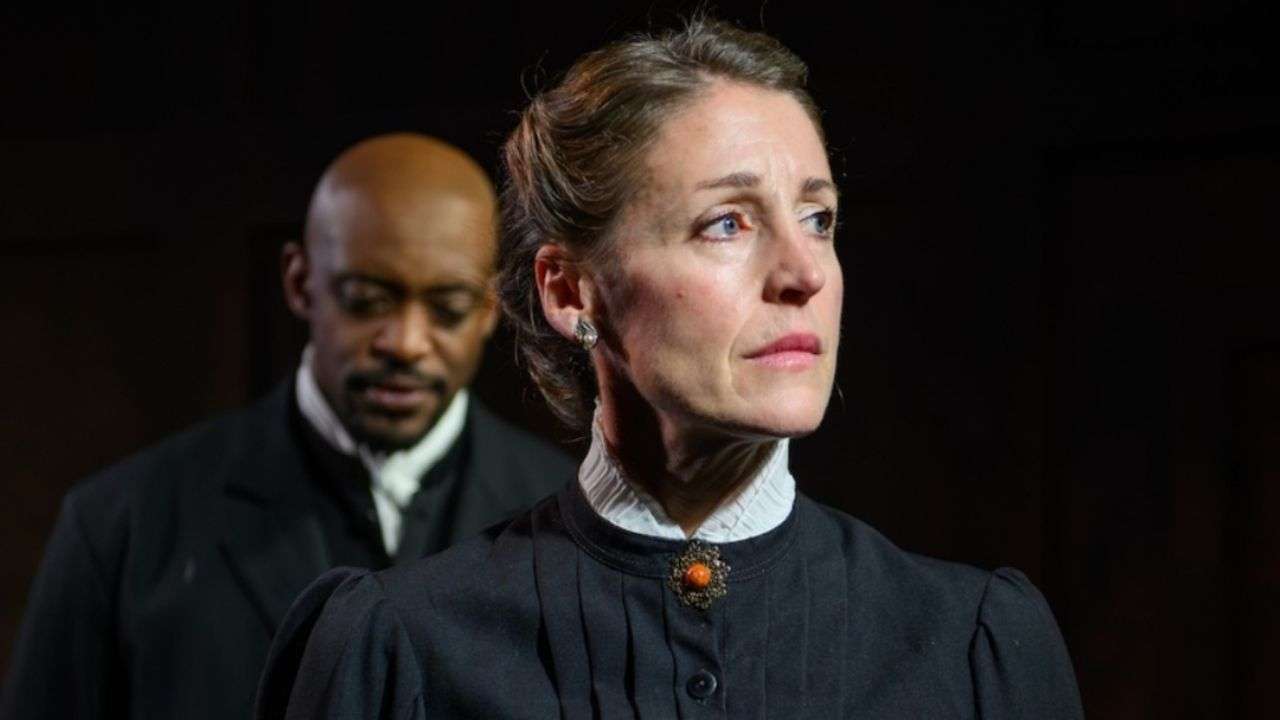
Production images released of Flora Montgomery in Ghosts, playing at Jermyn Street Theatre until 14 November

Cast announced for Henrik Ibsen’s Ghosts at Jermyn Street Theatre
More Great Plays

The Lives of Others
Adelphi Theatre

The Hunger Games on Stage
Troubadour Canary Wharf Theatre
The Standard of Living
Theatre Royal Haymarket
Oh, Mary!
Trafalgar Theatre

The Play That Goes Wrong
Duchess Theatre

The Cherry Orchard
Harold Pinter Theatre