Fifty years after its Broadway premiere, critics agree Ntozake Shange’s for colored girls… still lands with full force in its first major UK revival, but some felt this stripped-back staging doesn’t always let the words breathe.
Ntozake Shange’s landmark 1975 ‘choreopoem’ for colored girls who have considered suicide / when the rainbow is enuf has its first major production in London as the reopening show for the newly rebuilt Yard Theatre.
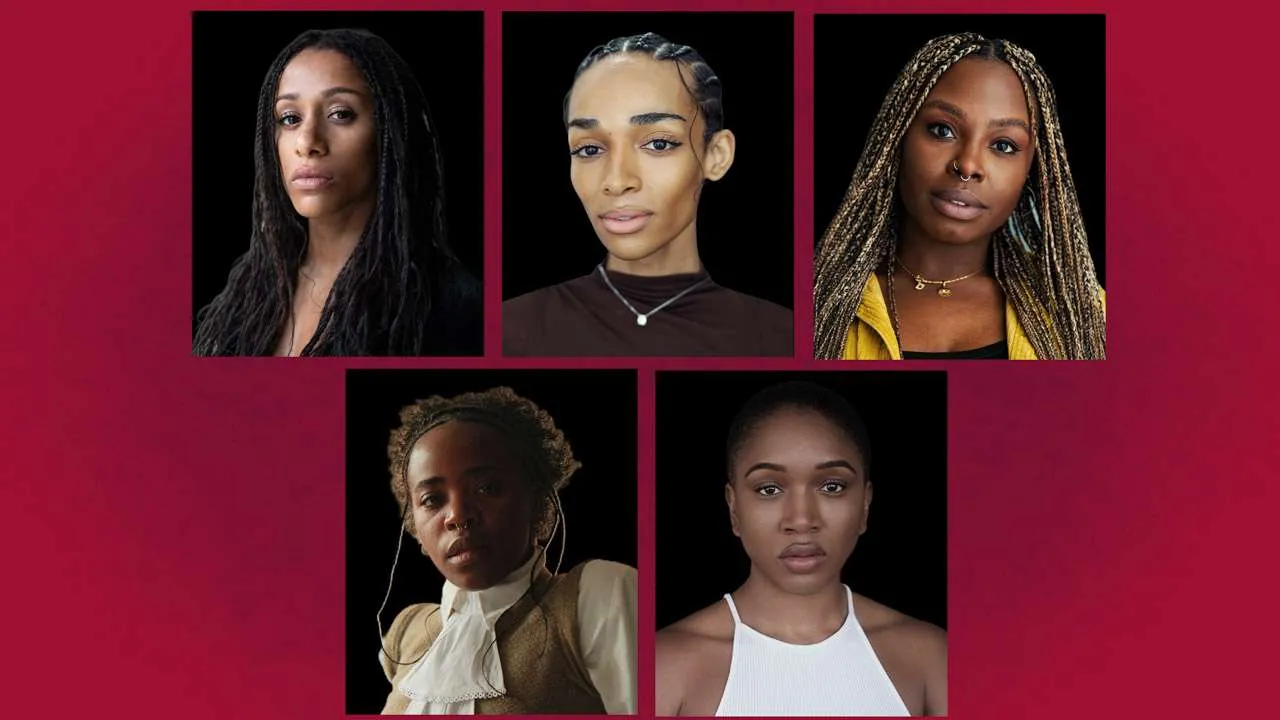
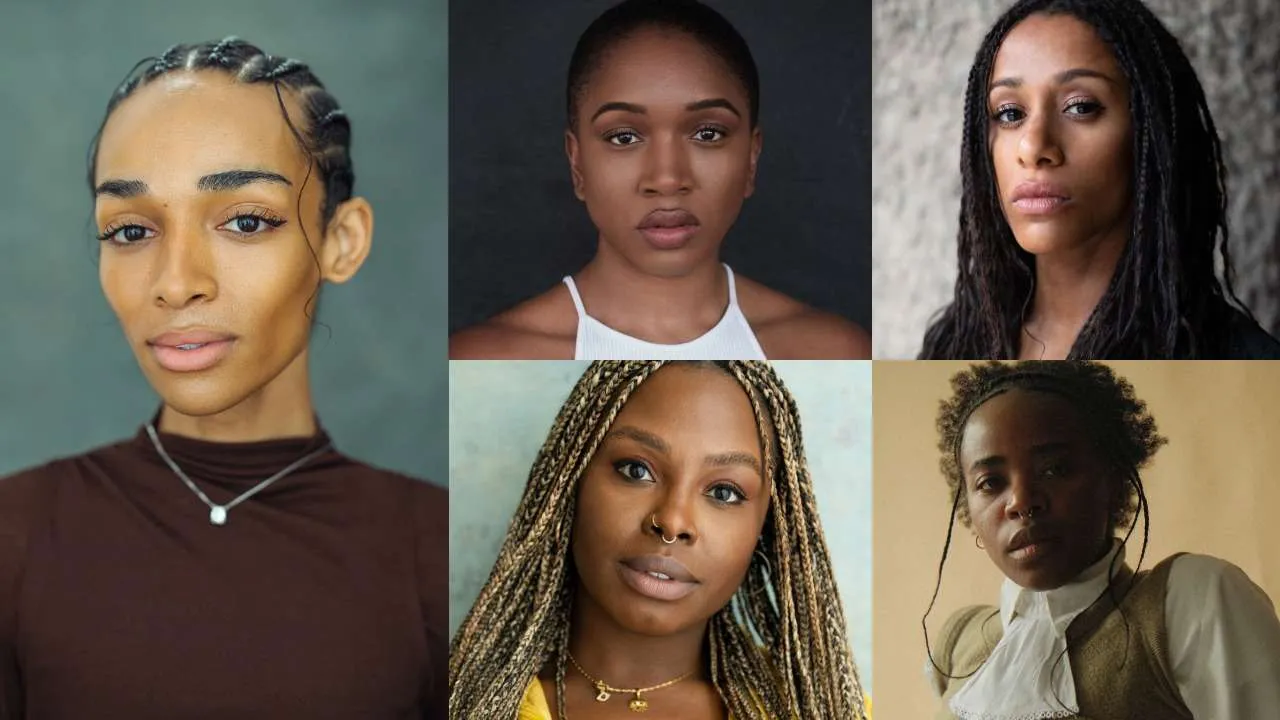
Directed by Diane Page, the piece sees five performers – here played by Nadine Higgin, Tatenda Matsvai, Ibilola Rossi, Cherrelle Skeete and Alex Thomas-Smith – tell Shange’s interlocking stories of love, violence, joy and survival through poetry, movement and Jammz’s original music.
Critics were in agreement about the strength of the cast, and the fact that fifty years on from its groundbreaking premiere, little has become dated in the text. These very real experiences of Black woman are just as relevant today as they were then. Where critics diverged is over the production’s stripped-back staging. Some felt the bare stage intensifies the material, while others felt it occasionally feels rushed and underdeveloped.
The verdict: A raw, unflinching revival carried by a superb five-strong ensemble, though critics differ on whether the minimalist and stripped back staging serves Shange’s writing or occasionally diminishes it.
Critics’ comparison
| Publication | Rating | The Key Takeaway |
| West End Theatre | ★★★★ | A stripped-back staging that pulls the audience from joy to trauma with a clear and unflinching eye |
| Time Out | ★★★★ | Starkly moving and still relevant, if in moments a little too conscious of itself. |
| The Telegraph | ★★★★ | A thrilling, stripped back revival carried by a formidable ensemble. |
| The Standard | ★★★★ | Shange’s voice comes across fresh, strong and proud in this reborn gem of a theatre. |
| The Stage | ★★★ | Infused with passionate defiance but at times feels rushed and lacking in clarity. |
| The Guardian | ★★★ | Delivered with feeling by a terrific cast, though it moves a little too fast through some moments. |
| WhatsOnStage | ★★★ | Beautiful choreography and strong performances, but needs more space to breathe. |
The reviews: what they loved about for colored girls…
- The five-strong cast: Critics review singles this out as the production’s greatest strength. The Telegraph’s Dominic Cavendish said it was ‘impossible to praise one performer over the others,’ calling them a ‘tight-knit unit,‘ while the Guardian’s Anya Ryan felt the cast performed ‘as though Shange’s words are being drawn from somewhere deep within them.” West End Theatre’s Julianna Barnaby noted the strong performers “move as distinct individuals rather than a uniform ensemble, each with her own physical language, yet the effect never feels disjointed.” There were some stand-out moments for other critics though. The Stage’s Holly O’Mahony called Cherrelle Skeete’s penultimate monologue the evening’s ‘most devastating moment,’ while Time Out highlighted Ibilola Rossi’s performance in the poem “toussaint” as ‘captivating.’ Overall, the cast received positive praise from critics.
- How little the material has dated: Time Out’s Nina Culley called it ‘thematically, not nearly as dated as you’d expect,’ and the Guardian noted the stories ‘could have been written yesterday.’ The Standard’s Nick Curtis felt Shange’s voice comes through ‘fresh, strong and proud’ despite decades of imitation and internet shorthand borrowing her style.
- The music and design: Jammz’s original score and Ali Hunter’s rainbow-hued lighting were praised across the board. The Guardian described the lighting as sending ‘rainbows pulsing across the stage floor,’while TimeOut praised the blend of music, lighting and costumes for creating ‘a kind of euphoric, almost celebratory energy’. The Stage too praised the ‘hypnotic soundtrack’ provided by Jammz, with West End Theatre noting it “threads through the poetry rather than sitting beneath it, easing the transitions.”
- The choreography: West End Theatre highlighted the production’s use of movement as a storytelling tool in its own right, describing the closing sequence around the Lady in Red’s account of Crystal and Beau Willie Brown as the production’s high point, ‘a sequence where Ingrid Mackinnon and Rudzani Moleya’s choreography does the emotional heavy lifting entirely on its own.’
The reviews: what didn’t land for everyone
- The stripped back staging: The Stage felt Page’s production ‘sometimes feels rushed and lacking in clarity,’ and felt that while the stripped back staging at times created a ‘rawness,’ it also needed more to ‘help guide us through the 22 poems we hear.’ WhatsOnStage too commented on the swift transitions, feeling they ‘leave little room for us to process what we have just heard,’ while the Guardian similarly wished the production ‘could hang a little longer in each section.’ In contrast, The Telegraph, West End Theatre and Time Out found the same spareness effective. Time Out called it ‘a smart choice,’ but noting later that ‘it can still feel too stark at times.’
- Losing some of the text’s power: WhatsOnStage felt the production ‘struggles to capture the full force of Shange’s revolutionary text,’ with some lines coming across as ‘spoken from a script rather than drawn from lived experience.’ Other critics too felt that the text needed more breathing room, with The Guardian commenting that ‘before we have time to fully absorb its effects, we’re already whizzing on to the next. suggesting that a little breathing room would help to heighten the impact of Shange’s words.
The back story
for colored girls who have considered suicide / when the rainbow is enuf is a ‘choreopoem,’ a term coined by Ntozake Shange herself to describe her fusion of poetry, music and movement. It was first performed in 1974 and went on to become one of the longest-running plays by a Black writer in Broadway history. The piece follows seven Black women, each identified only by a colour of the rainbow, as they share stories of love, trauma, sexuality, survival and joy, before coming together as an ensemble.
The show directly inspired Ryan Calais Cameron’s For Black Boys Who Have Considered Suicide When the Hue Gets Too Heavy. Cameron’s play, which serves as a companion piece the follows six young Black British men, had its first West End run at the Apollo Theatre in 2023, before returning to the Garrick Theatre for a limited run in 2024.
This production marks the first major UK revival of for colored girls… and reopens the Yard Theatre in Hackney Wick following a £6.7 million rebuild of its original warehouse home.
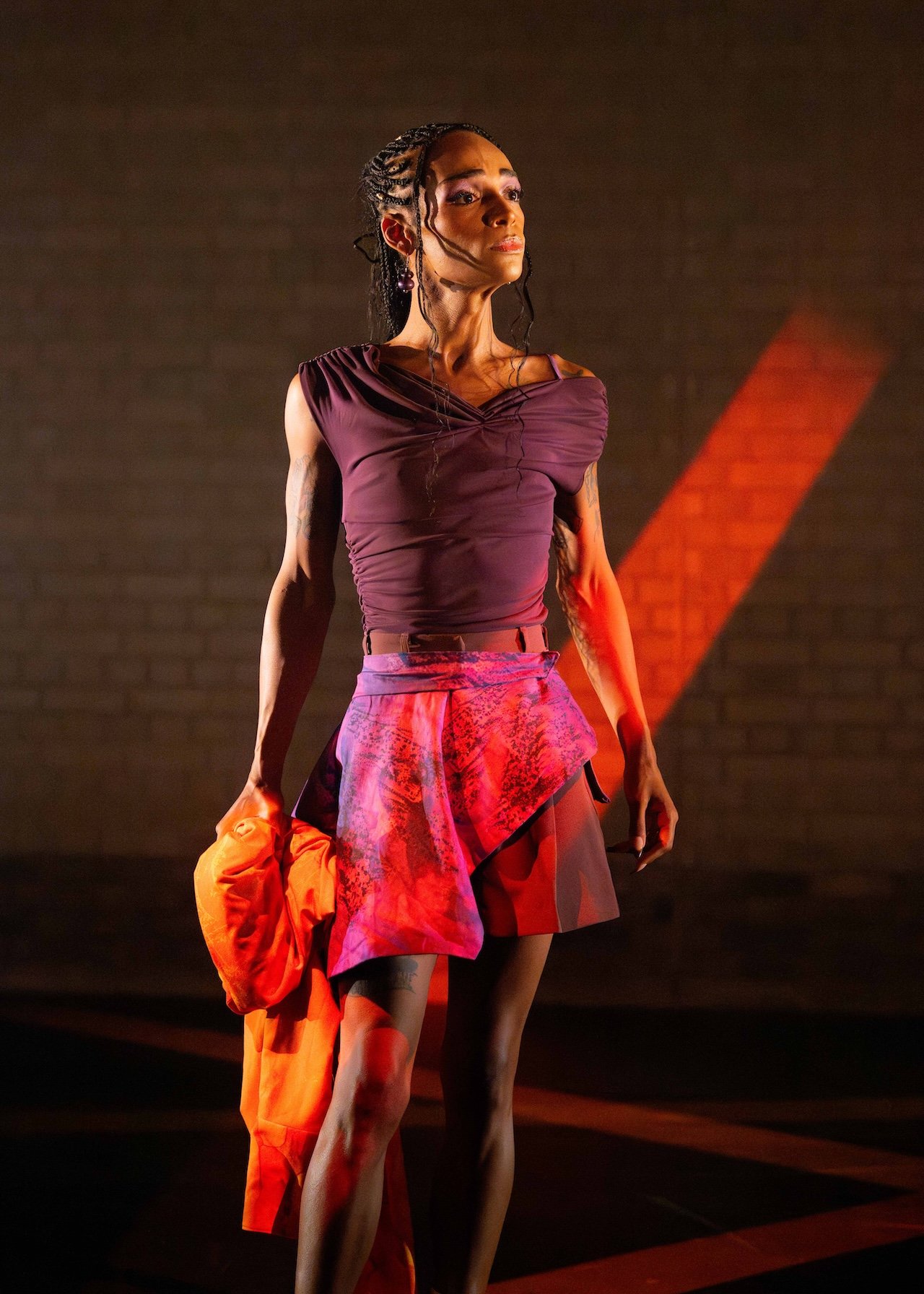
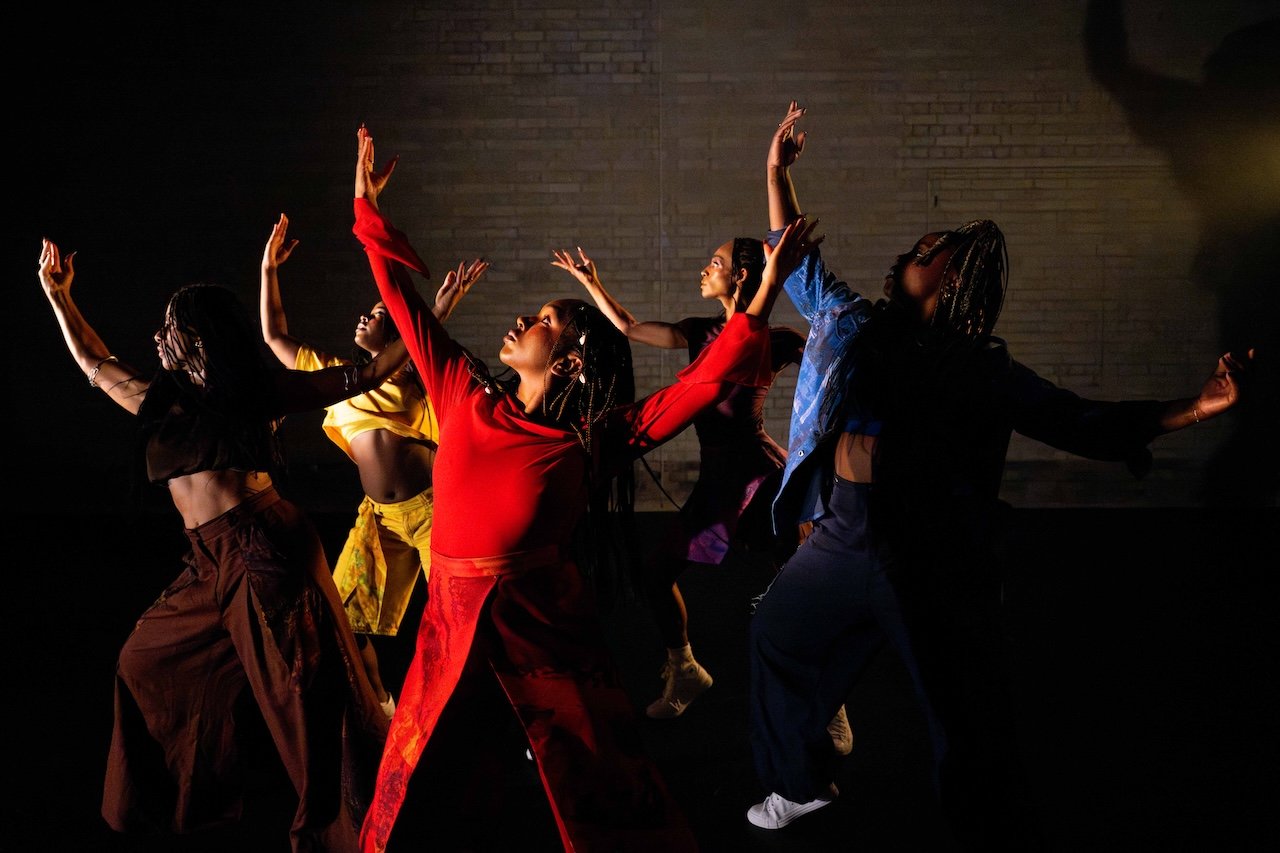
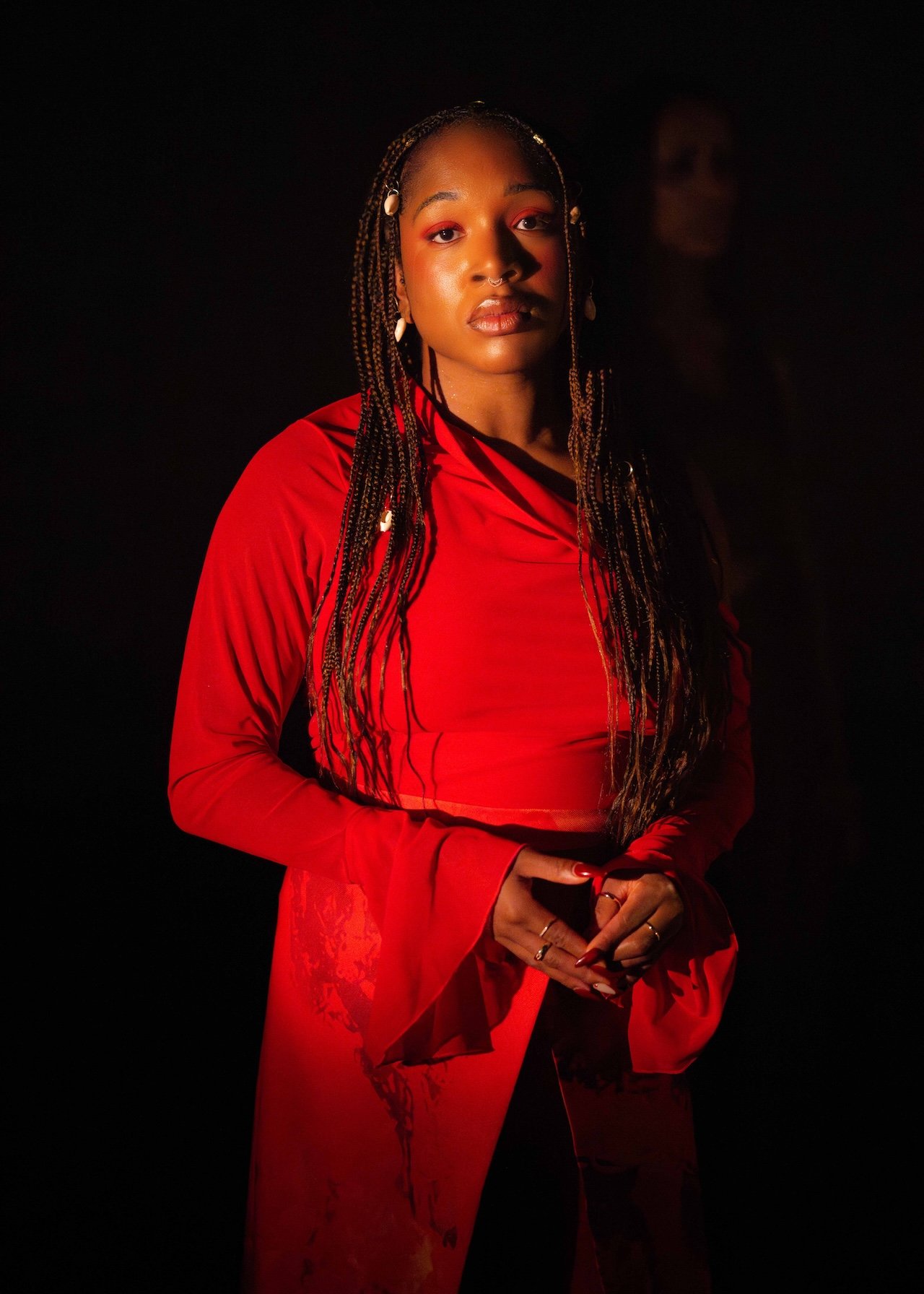
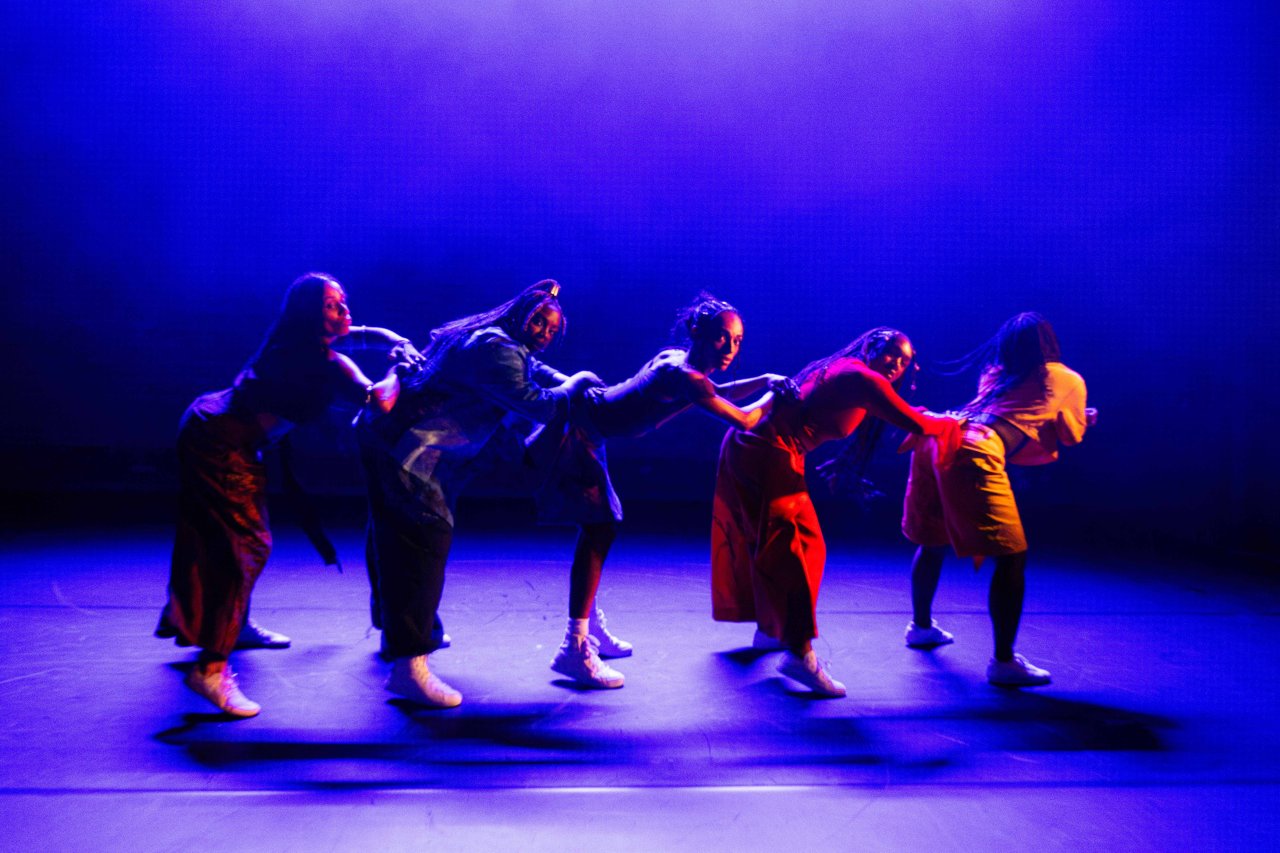
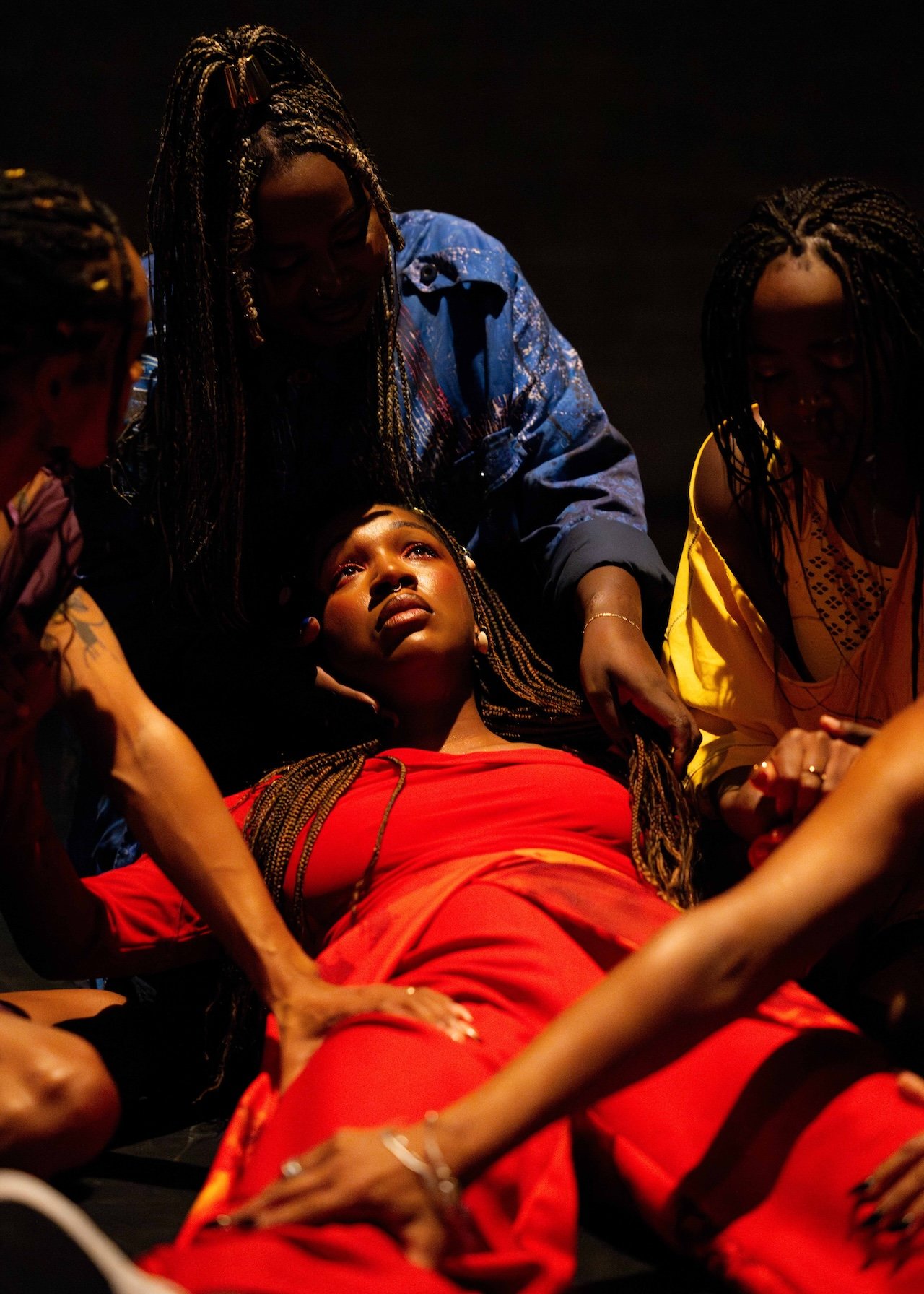
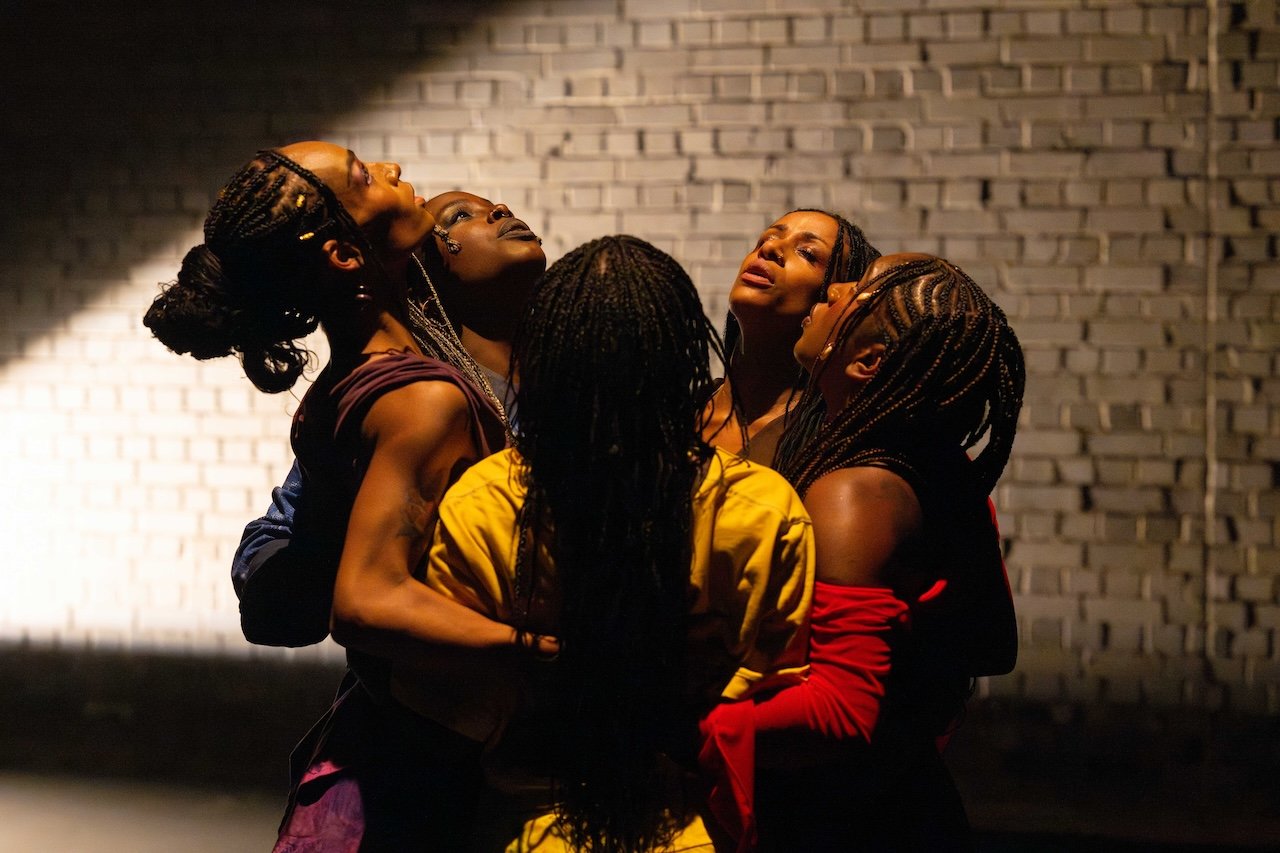
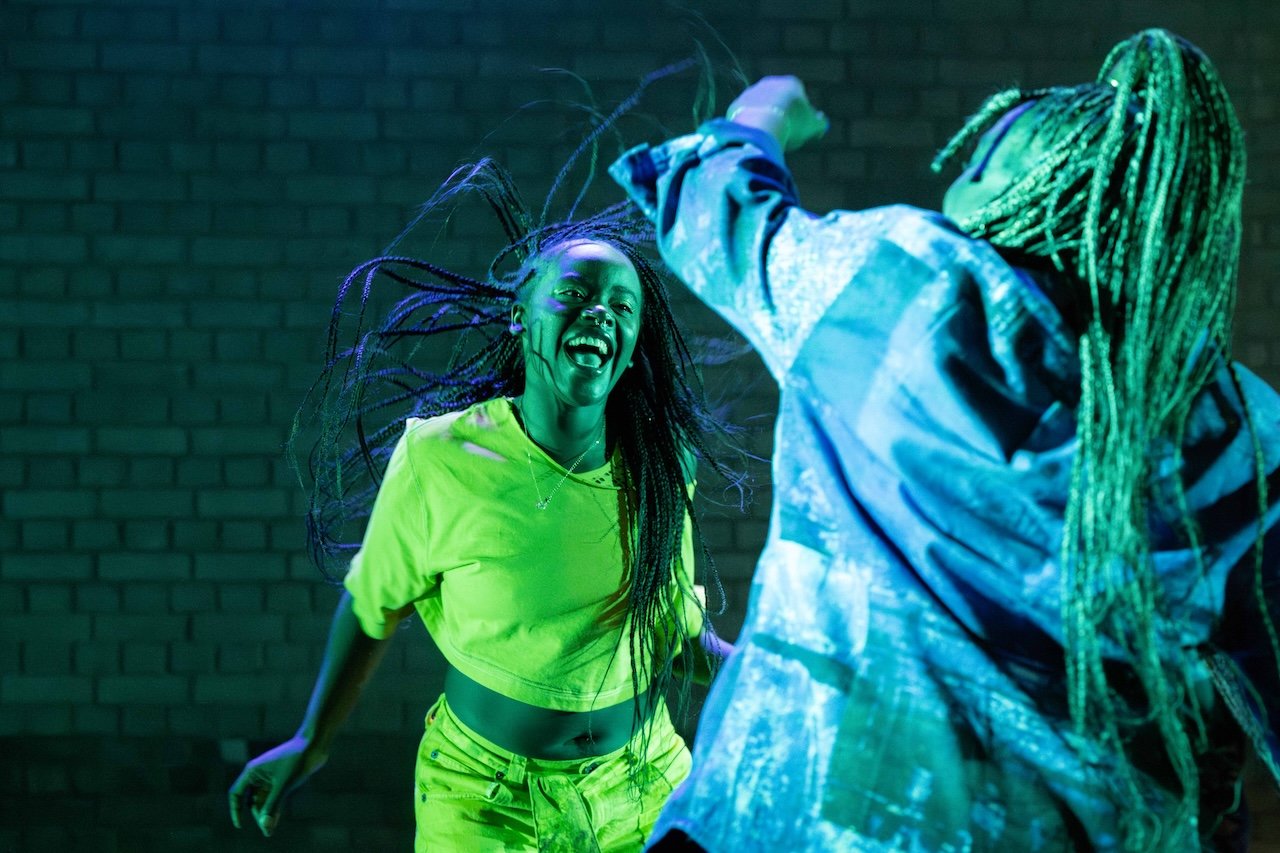
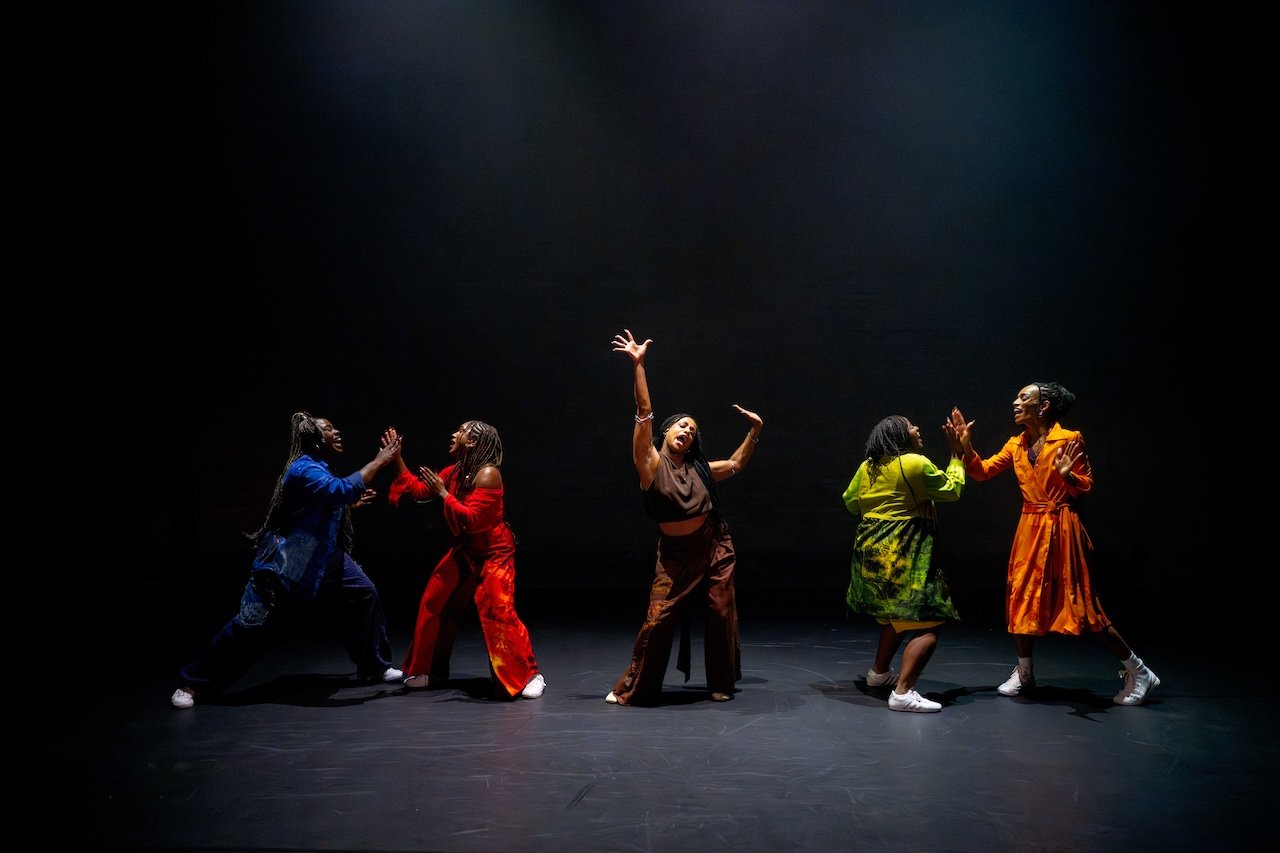
The cast includes:
- Lady in Blue: Nadine Higgin
- Lady in Yellow / Lady in Green: Tatenda Matsvai
- Lady in Brown: Ibilola Rossi
- Lady in Red: Cherrelle Skeete
- Lady in Purple / Lady in Orange: Alex Thomas-Smith
Director Diane Page leads a creative team that includes choreography by Ingrid Mackinnon, music by Jammz, lighting design by Ali Hunter, costumes by Cat Fuller and sound design by Esther Kehinde Ajayi.
Plan your visit to see for colored girls…
- Venue: The Yard Theatre, until 17 October 2026
- Age: Recommended for ages 16+
- Runtime: 1 hour 50 minutes, no interval
- Full details on for colored girls who have considered suicide / when the rainbow is enuf
What are the critics saying about for colored girls who have considered suicide / when the rainbow is enuf?
“Violent, visceral and stylish, For Colored Girls is still a necessary piece of theatre.”
“Fifty years on, For Colored Girls still hits. Ntozake Shange’s 1976 choreopoem arrives at the Yard Theatre with all the love, rage, grief, humour and sisterhood that made it a landmark — and thematically, not nearly as dated as you’d expect.”
“Upon arrival, the first thing you’ll notice is that there’s nothing on stage. No elaborate set or props to hide behind. Instead, director Diane Page has the women watch one another from the edges, gather, separate and occasionally become silhouettes against the light.”
“When it clicks, it really clicks.”
“Music (by Jammz), colourful lighting and bold, patterned costumes infuse the stage with a kind of euphoric, almost celebratory energy, although it can still feel too stark at times, putting a lot of pressure on the performers to fill the space themselves.”
“It’s these moments of beauty and joy that stop the production from becoming defined by trauma.”
“The Yard reopens with a thrilling, stripped-back revival that proves bricks and mortar matter less than what happens on stage”
“It feels fitting to open with Shange’s acclaimed “choreopoem” (which combines poetry, dance and music), giving voice to the survivor-spirit of African-American women via seven characters each simply denoted by a rainbow colour.”
“Unflinchingly, the piece takes in betrayal, domestic violence, rape and slaughter.”
“The thrust is always clear: choreographed movement brings home slumping despair and anguish, but it also denotes yearning, ecstasy and solidarity; there’s a liberty that comes from describing life as you see it.”
“It’s impossible to praise one performer over the others – each has her own quality of command, but the cast (Nadine Higgin, Tatenda Matsvai, Ibilola Rossi, Cherrelle Skeete and Alex Thomas-Smith) form one tight-knit unit.”
“The scrappy Hackney Wick venue elbowed into a crowded London theatre scene in 2011, presenting innovative commissions and programming in a building that felt like Glyndebourne assembled by Wombles. Now inventively and professionally rebuilt at twice the capacity it still feels quirky, left-field and vital.”
“Somehow, Shange’s historic “choreopoem” – where the actors perform a series of monologues, witnessing and supporting each other, with interludes of music and dance - sits perfectly in the middle of it.”
“Page’s production fits the stripped-back ethos of the Yard. There’s no set, just a series of rainbow lighting states and a new soundtrack composed by Jammz.”
“The superb ensemble of five wear colour-coded costumes. Some of the soliloquies are celebrations of black female sexuality and power. Others are harrowing tales of abuse, assault, abortion. Some sound impishly personal, Shange exploring her own disappointing love affairs, or the sense of a partner oppressing her identity.”
“In some ways Shange became a victim of her own success. The rich language of self-actualisation she pioneered has been much emulated and parodied. Black, female irony, sass and sisterliness have been meme-ified into generic online shorthand. But her voice comes across here, fresh, strong and proud, in this reborn gem of a theatre in Hackney.”
"Fifty years on, Diane Page's revival is a powerful production of Ntozake Shange's choreopoem that, rather sadly, feels as contemporary as ever."
"The shifts between joy and trauma land as genuinely jarring, but that jaggedness feels true to the material - an intentional choice of form rather than a fault in the production."
"The five performers move as distinct individuals rather than a uniform ensemble, each with her own physical language, yet the effect never feels disjointed."
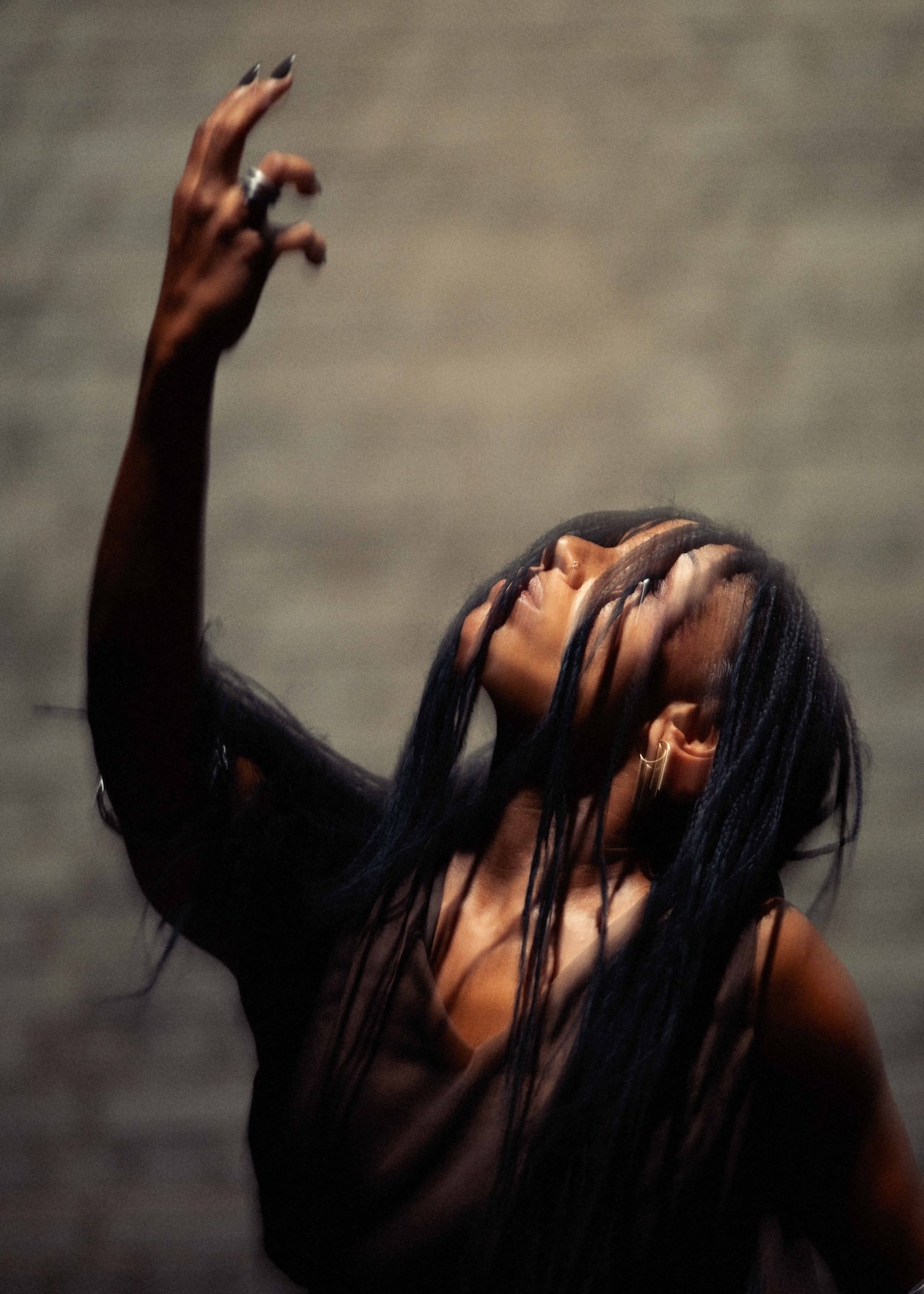
"Ali Hunter's lighting deserves particular mention: long shadows and silhouettes thrown against the bare brick wall do as much storytelling as the actors themselves."
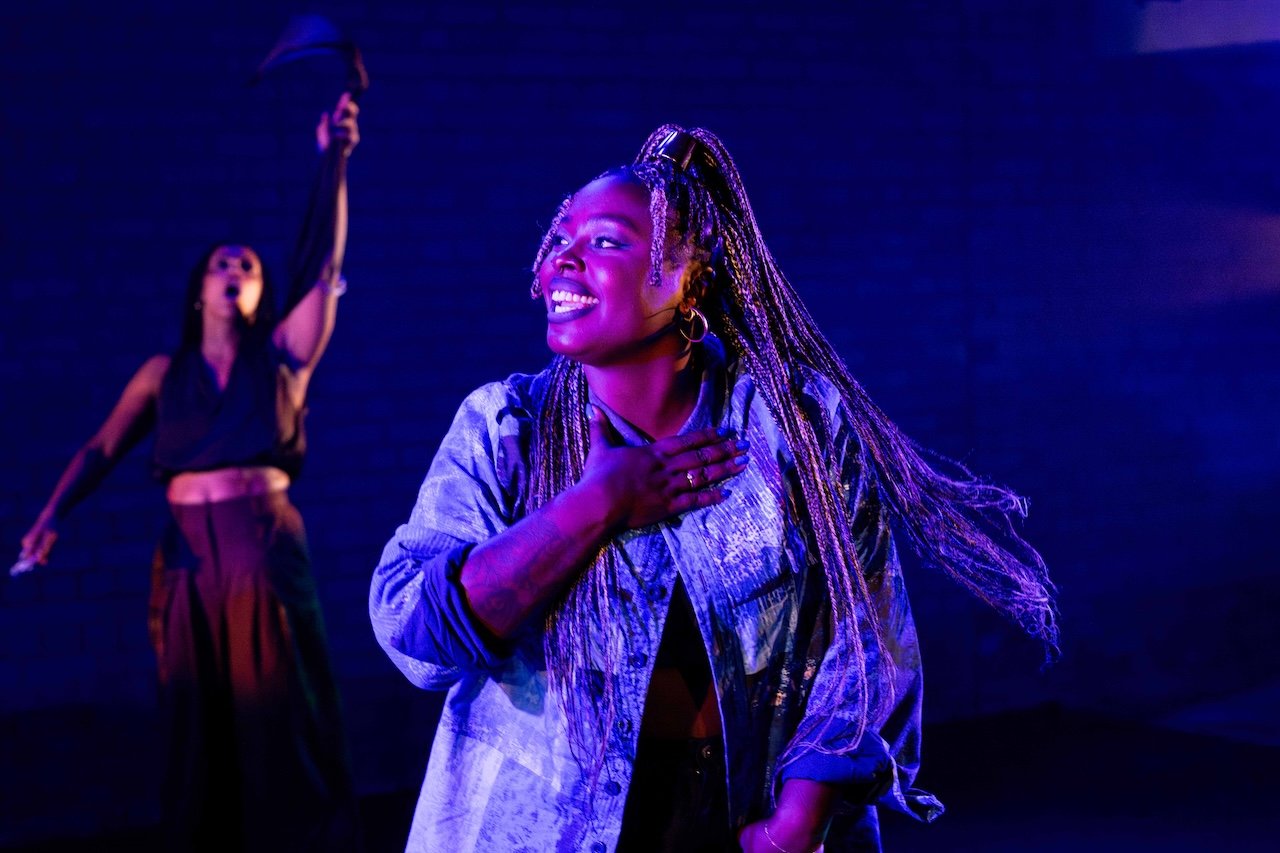
"Nadine Higgin's Lady in Blue fills the stage with exuberance, her dancing radiating real command"
"What's most striking, fifty years on, is how little of it has dated. The occasional period detail, like the Lady in Brown's description of the docks, aside, the piece and its form feel every bit as forward-looking now as they must have in 1976."
“No story is oversimplified – nor, sadly, have they become any less relevant half a century on.”
“The sufferer in each poem is a Black woman living in mid-20th-century America, which, of course, brings an added pile-on of hardships, and is the unifying force behind the collection.”
“Although the play became the toast of Broadway 50 years ago, this production – directed by Diane Page and running at the newly reopened Yard Theatre – is the play’s first significant London outing.”
“Collectively, the poems are beautifully solicitous.”
“Each voice is a plea to be heard, and a cry of resistance refusing to be stifled. The real pleasure is in hearing Shange’s sharply observed words, which flow like blood from a fresh wound, unstoppable and stinging.”
“The ensemble infuses their monologues with passionate defiance, but Page’s production sometimes feels rushed and lacking in clarity.”
“The bareness of the stage creates a rawness, exposing the women as vulnerable and oppressed by their situation, but a little more could be done to help guide us.”
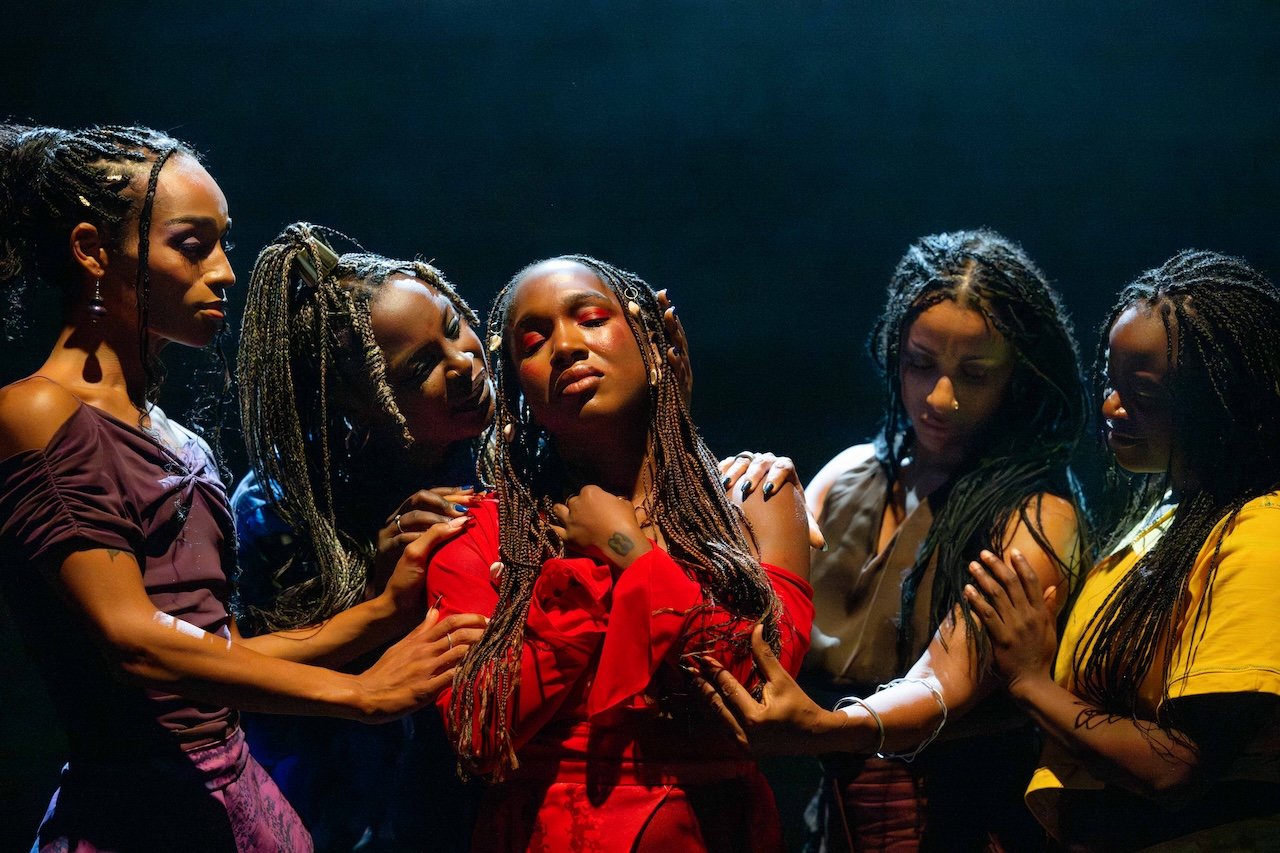
“Under Ingrid Mackinnon and Rudzani Moleya’s choreography, to a hypnotic soundtrack by grime artist Jammz, the ensemble comes together at times, expanding and contracting like a set of lungs. And in these moments, we glimpse the necessity of a sisterhood – an invisible cradle and listening ear, present even in the absence of a rainbow of hope.”
“Collectively, the poems form a rich panorama: tales of domestic abuse bound up in a threatening marriage proposal; infidelity that brings a devastating HIV diagnosis; and an eight-year-old girl who is inspired by the Haitian revolutionary Toussaint Louverture. In so many ways, they could have been written yesterday.”
“Shange’s lyrical writing mixes their pain with surges of joy, as each woman takes her turn in the spotlight while the others watch on in witness and support.”
“With repeated refrains and sections that feel like a chorus, the play becomes both a relief and a release.”
“Page’s production is stark, with the Ladies’ voices left to drive its emotional highs and lows. It could hang a little longer in each section; before we have time to fully absorb its effects, we’re already whizzing on to the next. We need a breath to catch up.”
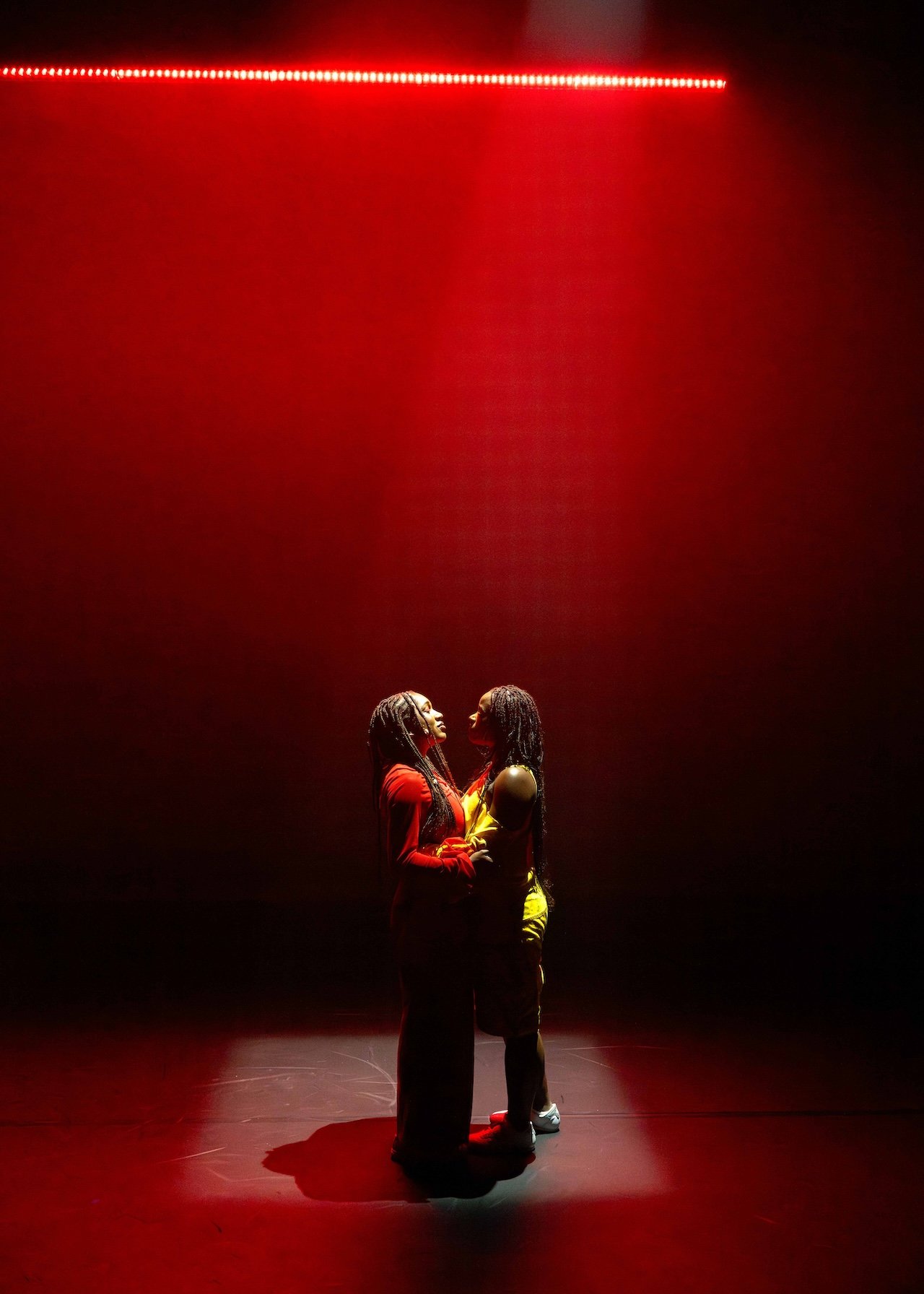
“Supported by a mesmeric new soundtrack by Jammz and choreography by Ingrid Mackinnon, the piece beats with raw feeling. The Ladies break into soulful, almost spiritual moments of dance, as Ali Hunter’s lighting design sends rainbows pulsing across the stage floor.”
“The cast perform as though Shange’s words are being drawn from somewhere deep within them. In their moments of togetherness, the production reaches its most arresting force.”
“Shange’s work explores the experiences of Black women through a powerful blend of poetry, music and movement, creating a piece that remains as relevant today as it was half a century ago.”
“Ali Hunter’s lighting design bathes the stage in colourful, vibrant hues, constantly shifting between the women, cleverly evoking the imagery of the rainbow.”
“The production is further enhanced by Jammz’s original music. The modern electronic and garage-style beats accompany several of the dances, adding a contemporary feel to the piece, as well as bringing a fresh perspective to Shange’s text. The contemporary sound, however, creates uncertainty about when and where this production takes place.”
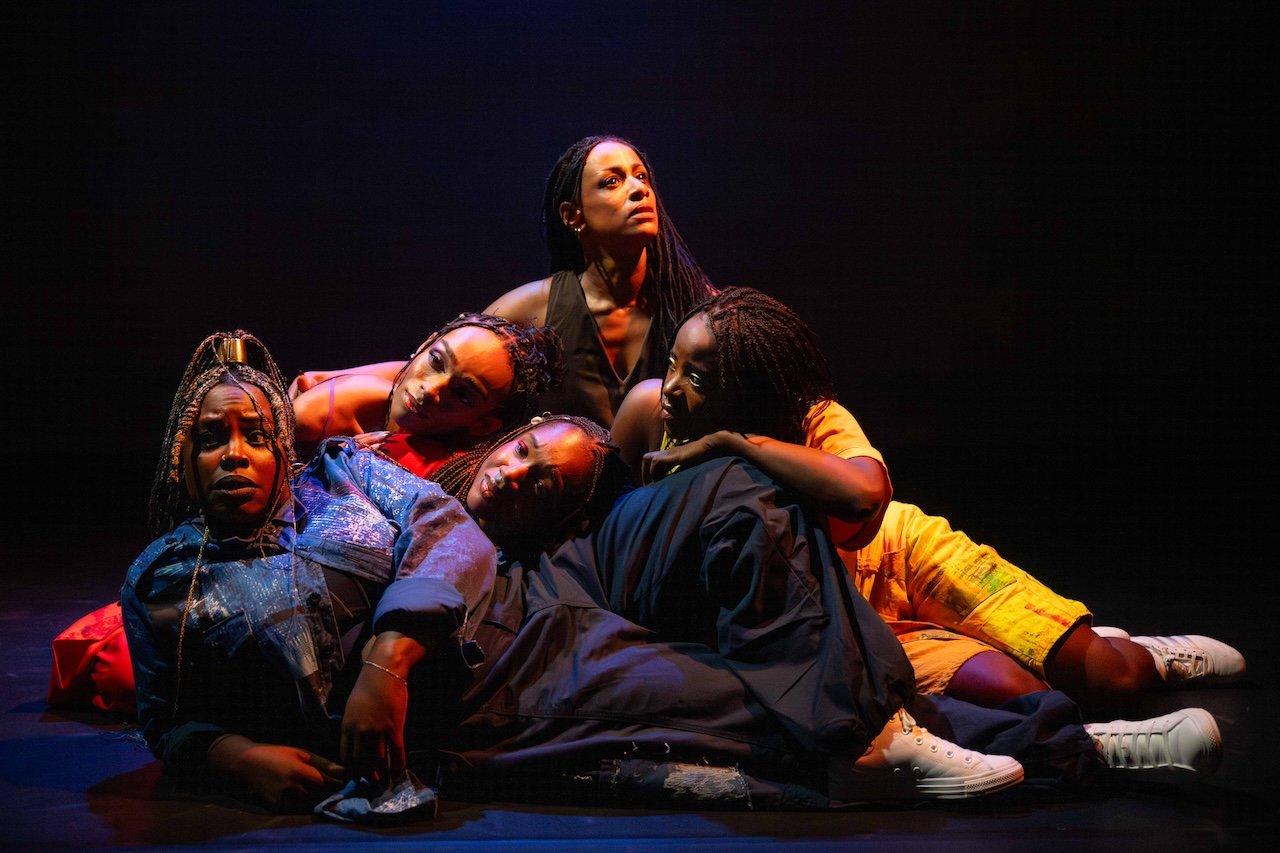
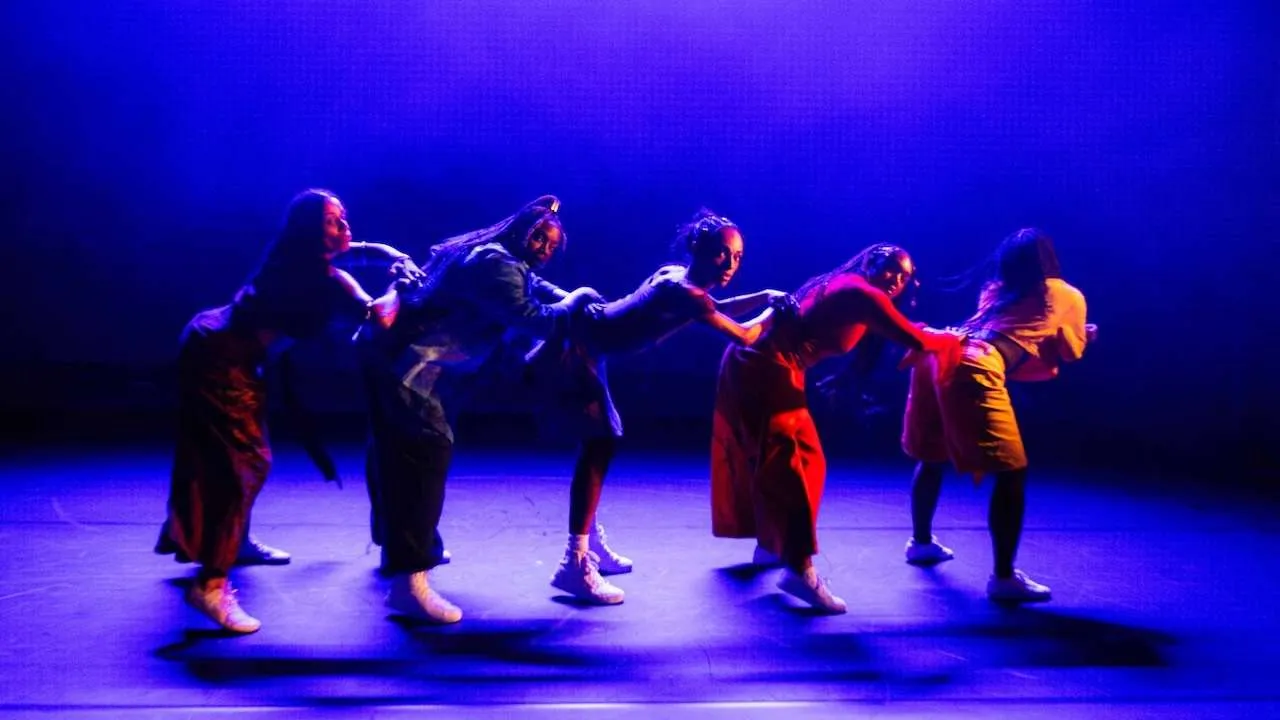
“Ingrid Mackinnon’s choreography throughout the show is brilliant and beautifully synchronised, with the women moving as one before breaking apart into individual stories. Whether huddling together, embracing or supporting one another physically, the cast embody the emotional bonds between the women.”
“The stripped-back staging places the focus entirely on the performers, their words and movements. This minimalism creates an intimacy that suits the personal nature of Shange’s material, allowing moments of vulnerability to resonate without distraction.”
“With seven characters played by only five performers, there needed to be a clearer distinction in the multi-rolling – rather than holding/wearing a colour-coded costume piece to signal character changes.”
“The production also struggles to capture the full force of Shange’s revolutionary text. Her writing is emotionally charged, and radical, yet some lines come across as spoken from a script rather than drawn from lived experience.”
“Swift transitions between stories leave little room for us to process what we have just heard. Given the sensitivity of the themes being explored, space to breathe could be extremely beneficial.”
Related News
In photos: 50 years on, for colored girls… returns to mark the Yard Theatre’s grand reopening
Full casting announced for revival of for colored girls… at the Yard Theatre

Ian McKellen to star in reimagined King Lear at London’s The Yard

Sharon Small to star in The Glass Menagerie at London’s The Yard Theatre
Latest News
Everything you need to know about The Traitors: Acts of Betrayal in London
Nina Raine’s sweeping new adaptation of Middlemarch arrives at the RSC: See brand-new images from the production
What to expect from Pride the Musical ahead of highly anticipated transfer to the Bridge Theatre