
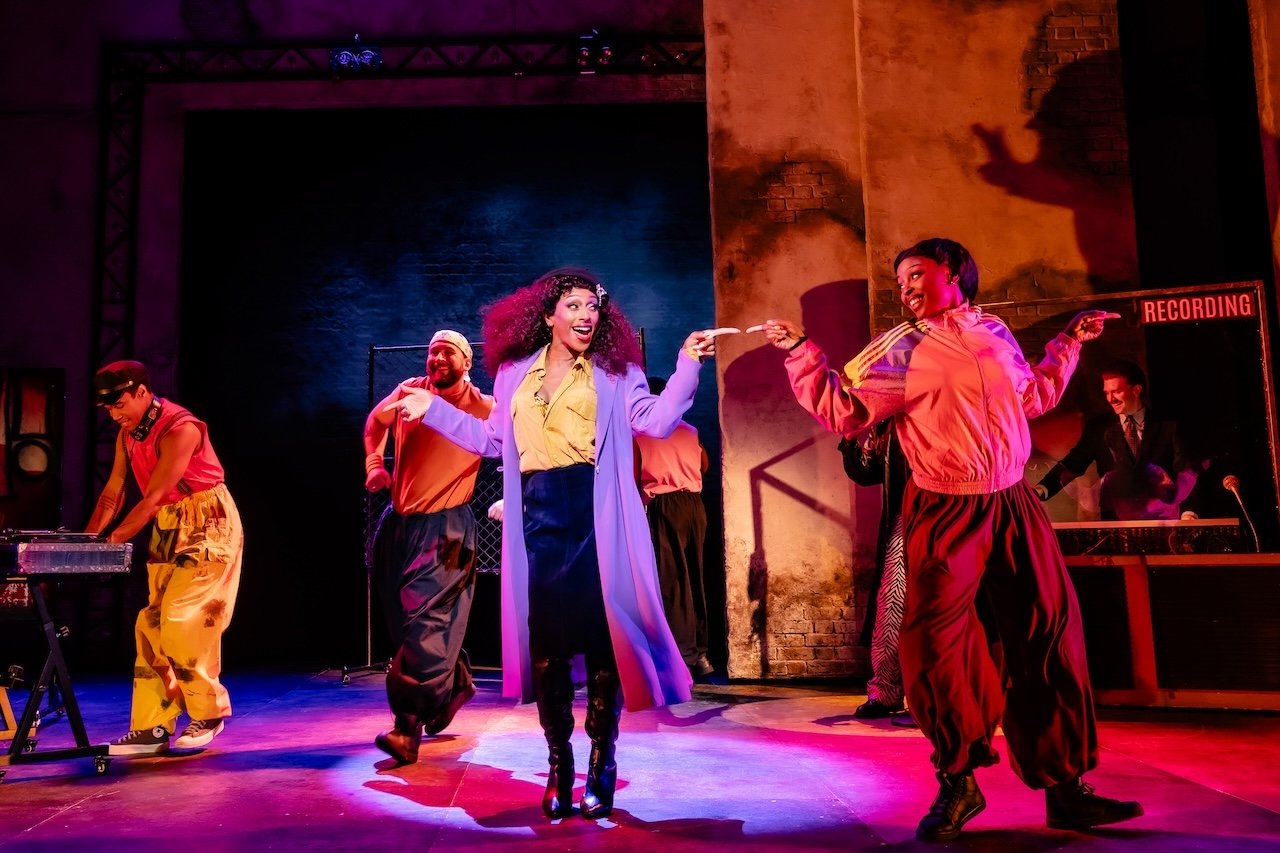
Critics have given a disappointing reception to I’m Every Woman: The Chaka Khan Musical at Troubadour Wembley Park Theatre, with reviews ranging from a lukewarm three stars down to a single star. While Alexandra Burke’s vocal performance as Chaka Khan draws consistent praise, critics expressed their frustration with a script that reduces the singer’s extraordinary life to a series of clichés.
Directed by Racky Plews with a book by Nia T Hill, I’m Every Woman: The Chaka Khan Musical is a biographical jukebox musical tracing Chaka Khan’s journey from her Chicago childhood through her rise with funk band Rufus to global stardom, threading in hits including Ain’t Nobody, I Feel for You and Tell Me Something Good. Khan herself serves as a co-producer on the show. The consensus among critics: a starry, big-voiced production starring Alexandra Burke let down by thin storytelling that never digs beneath the surface.
The verdict: The songs shimmer and Alexandra Burke commands the stage, but critics agree the story behind them has been reduced to cliché.
Critics’ Comparison
| Publication | Rating | The Key Takeaway |
| The Times | ★★★ | Burke is commanding and the songs shimmer, but the story lacks depth. |
| The Guardian | ★★★ | A valiant lead performance, but a gargantuan, uneven show that runs out of pace and music |
| WhatsOnStage | ★★ | A disappointing, incoherent musical redeemed only by Burke and a handful of songs. |
| The Stage | ★★ | Heartfelt but clumsy: well-meaning but ultimately short-changes its subject |
| The Standard | ★ | Tedious and un-funky, let down by a bad script and cartoonish celebrity cameos. |
The reviews: what they loved about I’m Every Woman
- Alexandra Burke’s performance. Universally praised. The Times called her “commanding” on vocals, while WhatsOnStage credited her with “a presence and an acting quality capable of transforming moments” of the show. The Stage felt she “gives every song her all,” even The Standard’s one-star review called her voice “pretty much the only saving grace.”
- The songs themselves. The Times found that “the songs from Khan’s years with funk band Rufus still shimmer,” a sentiment echoed by WhatsOnStage, who praised Khan’s “back catalogue of hits.” The Stage and the Guardian both singled out I Feel for You as a genuine high point, with the Stage praising Ebony Clarke’s “pitch-perfect” choreography for the number.
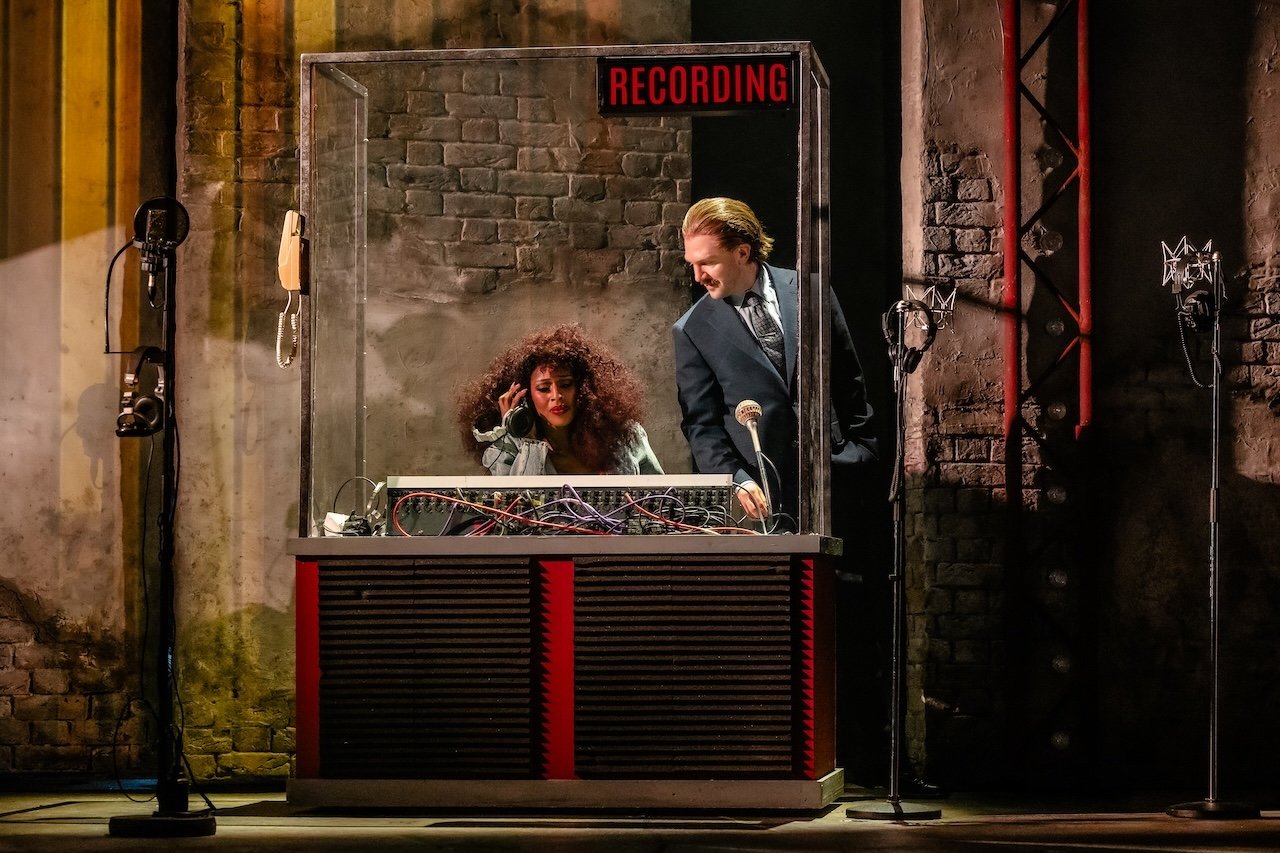
- Moments of real insight. The Stage was struck by two threads it felt the show underused: the story of Khan’s vocals being replaced by Robert Palmer’s on Addicted to Love, which it called “a damning indictment” of the industry’s treatment of women of colour, and the story of Khan and her sisters building their own music empire in response.
- Sophie Earl’s Joni Mitchell. Singled out by both the Times and WhatsOnStage, with the latter noting her performance “emerges with its credibility intact” and highlighting her rendition of Big Yellow Taxi.
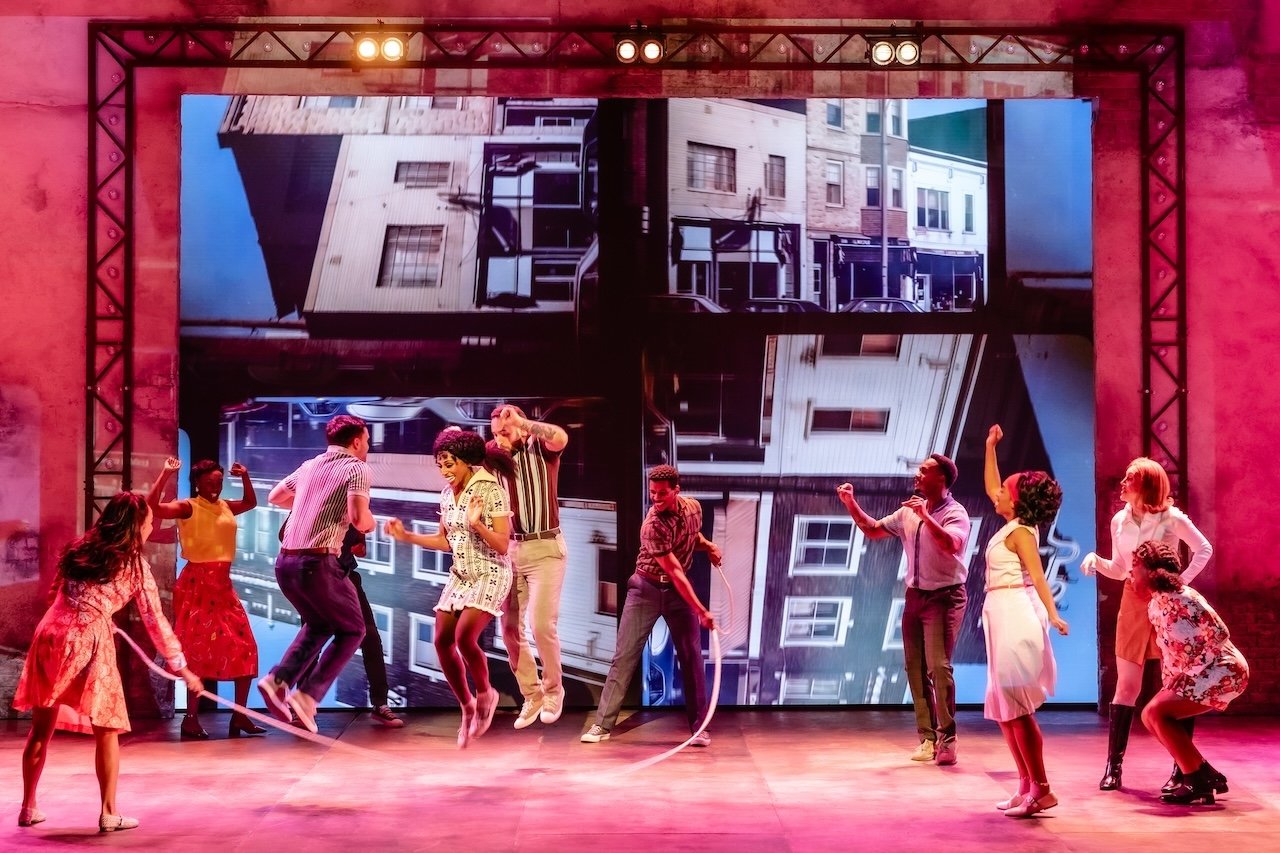
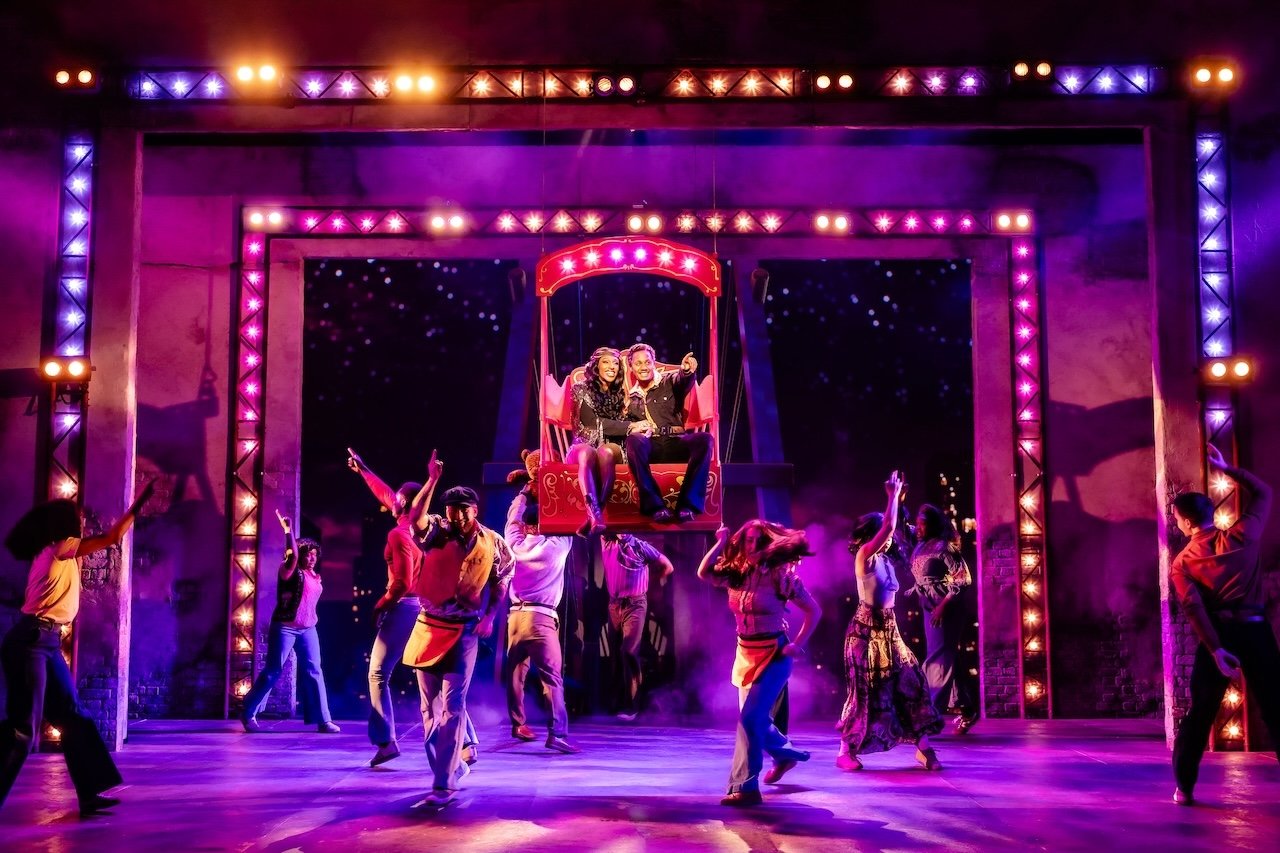
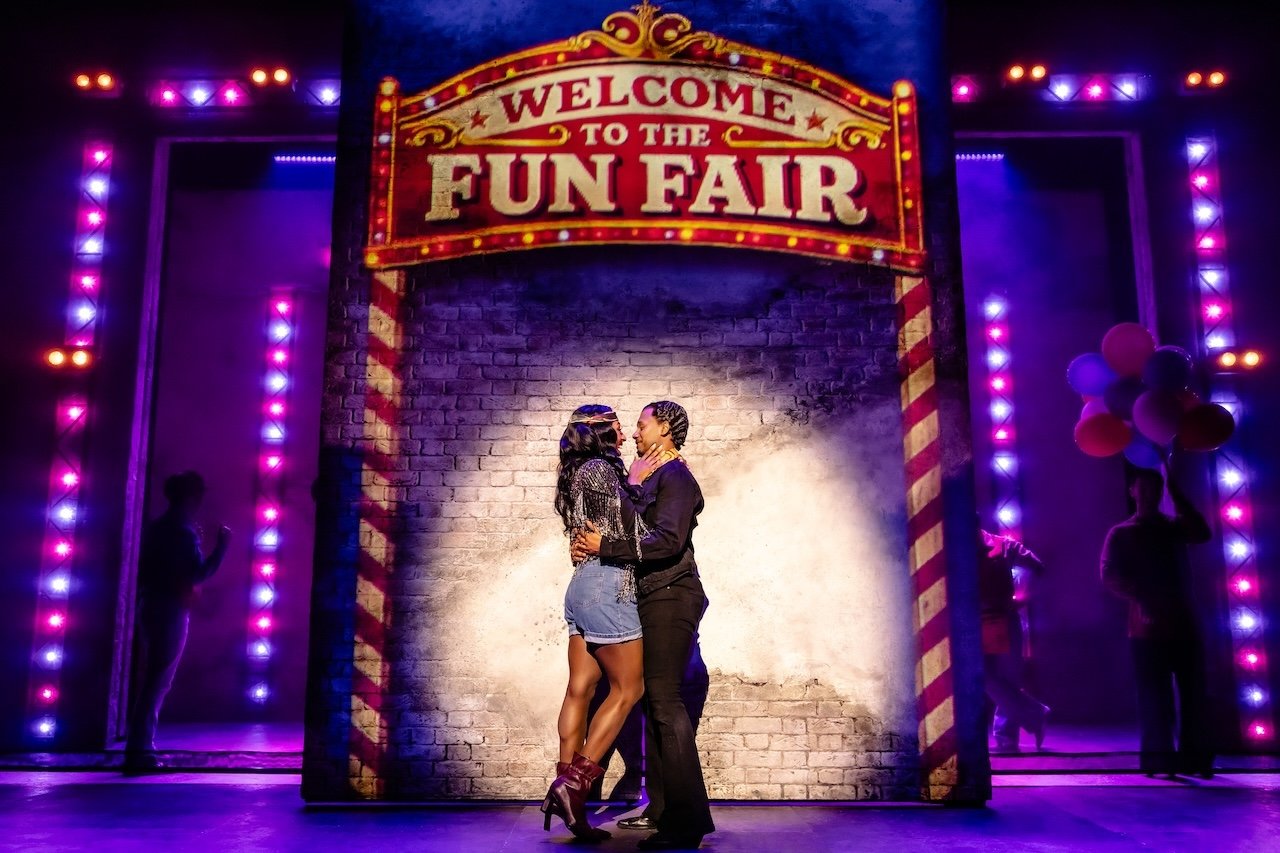
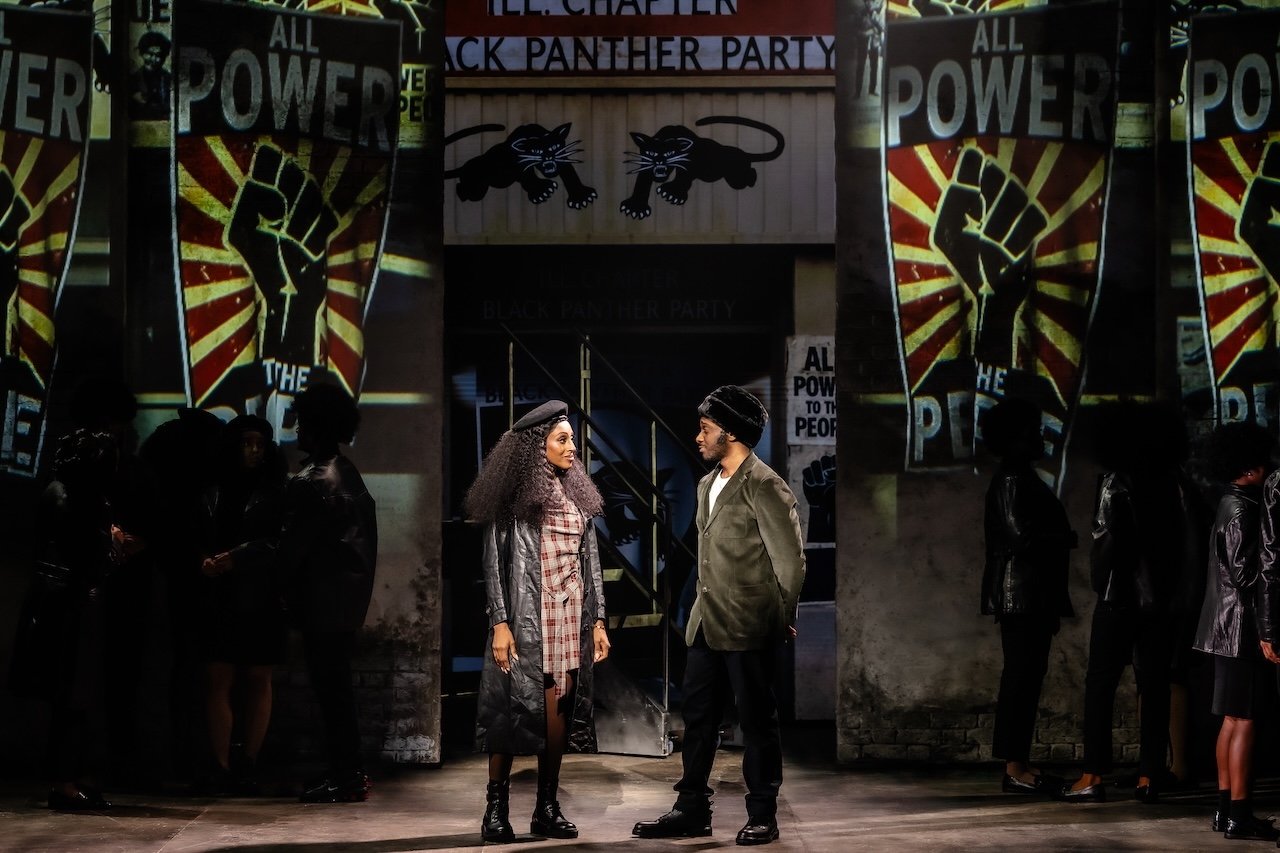
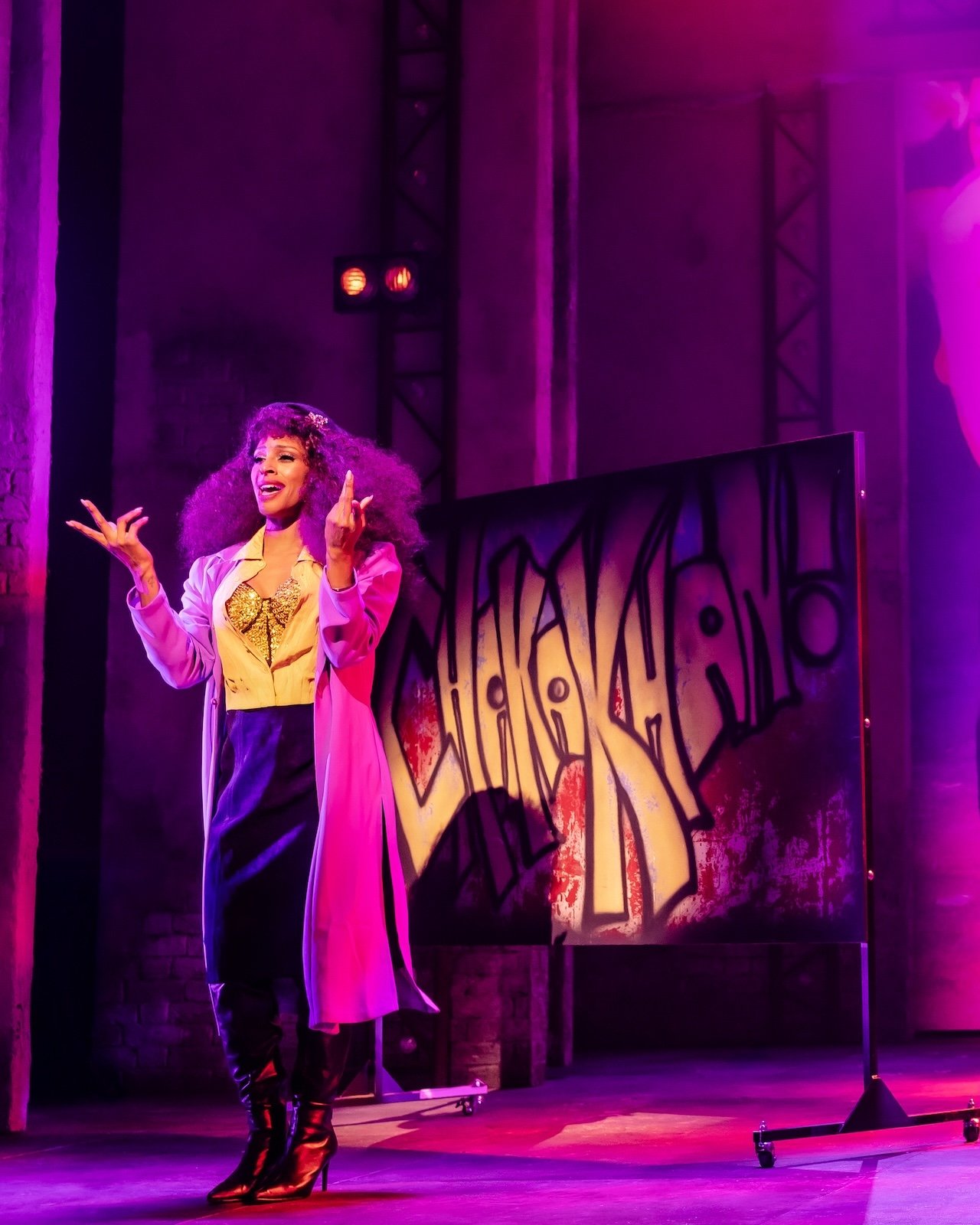
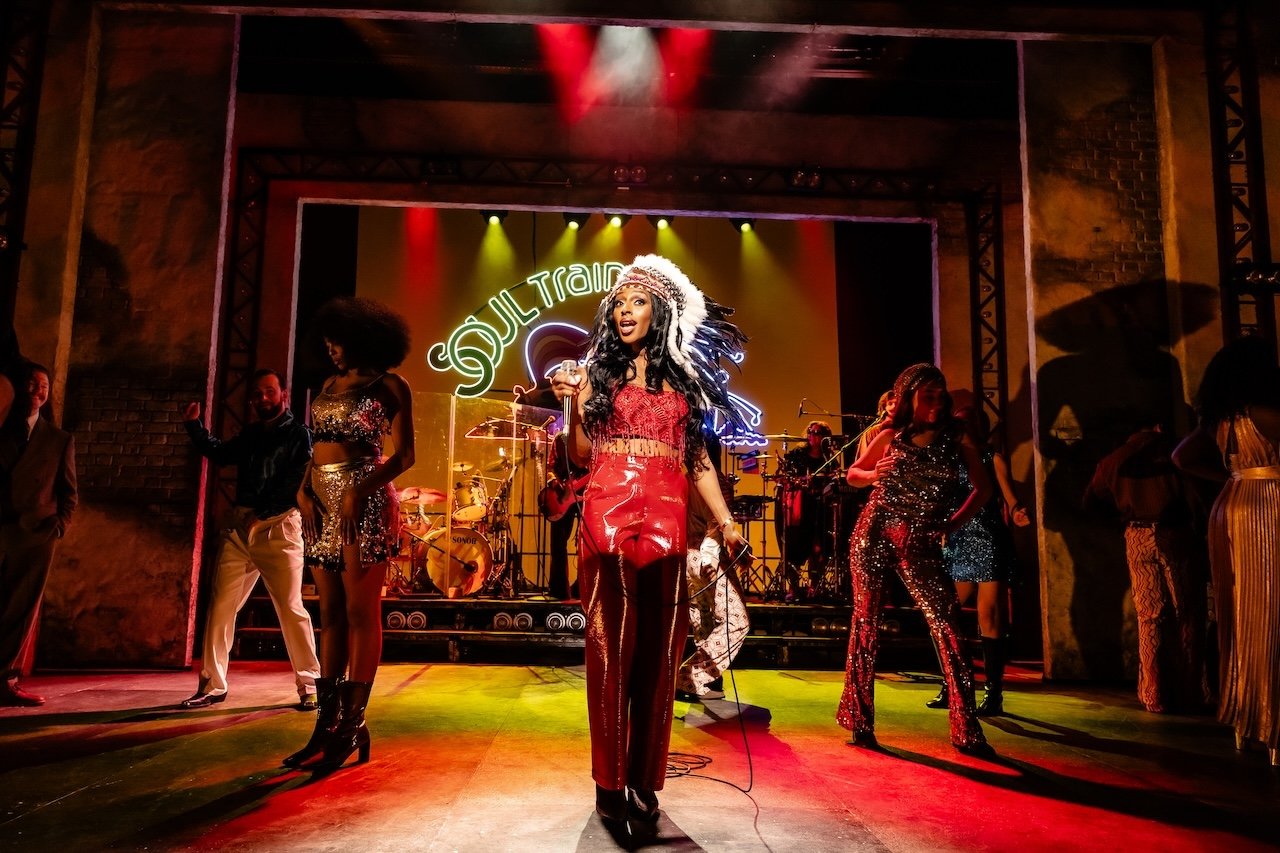
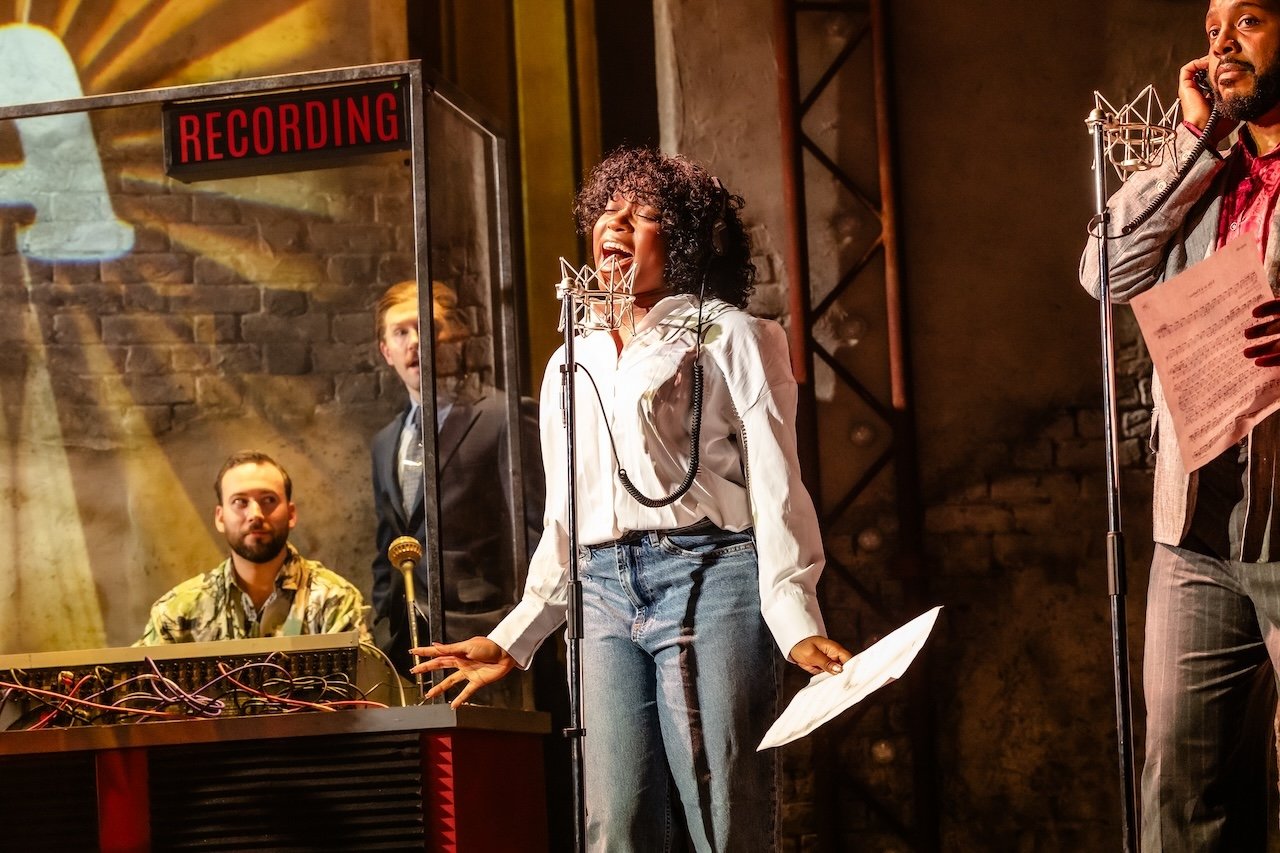
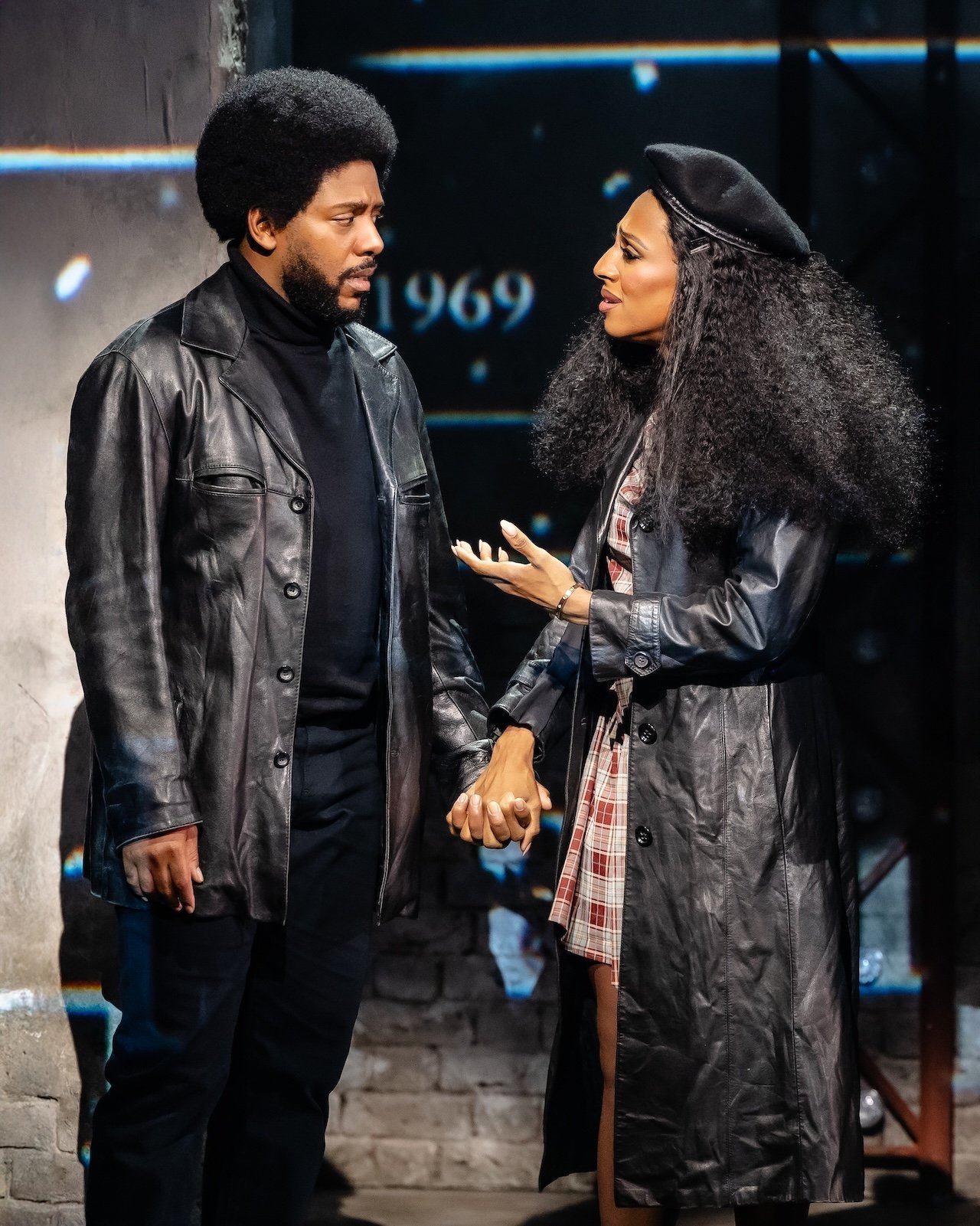
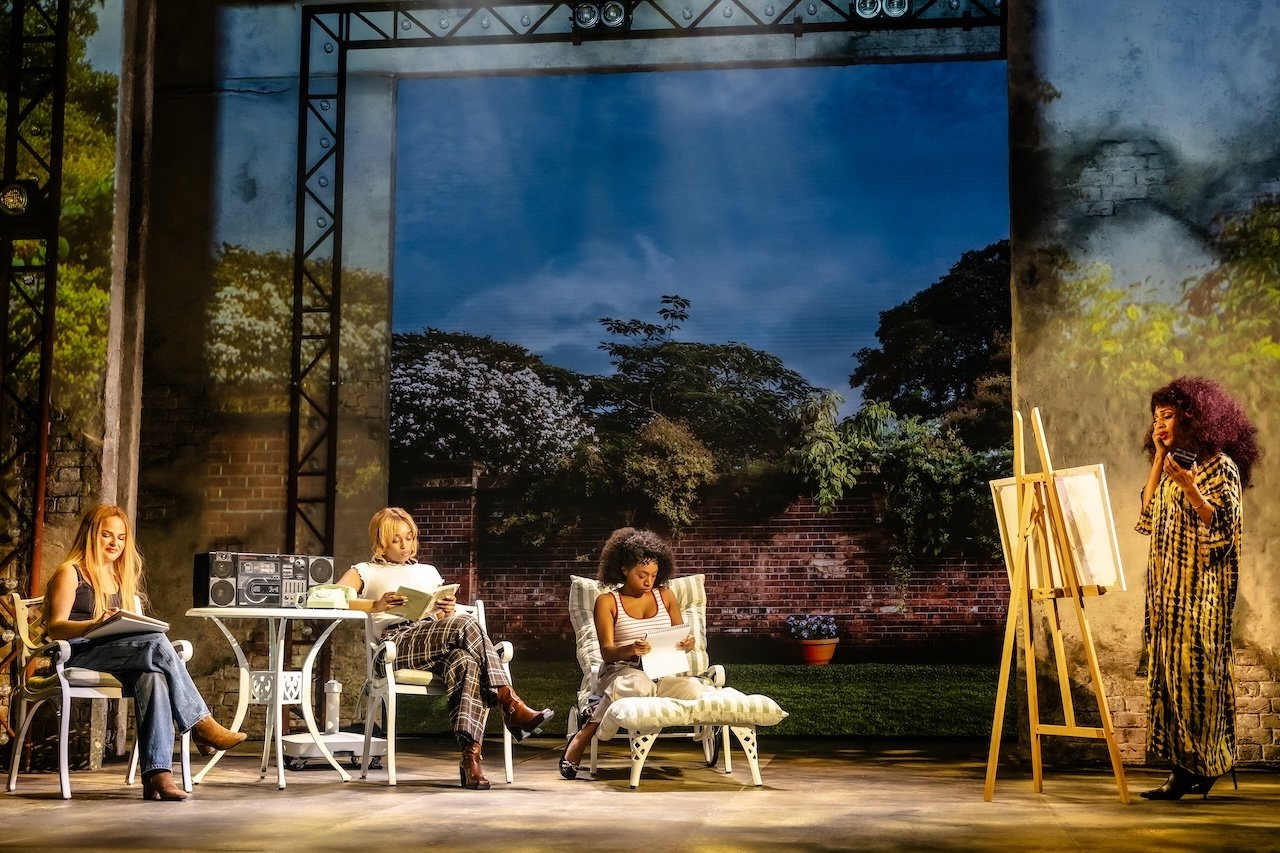
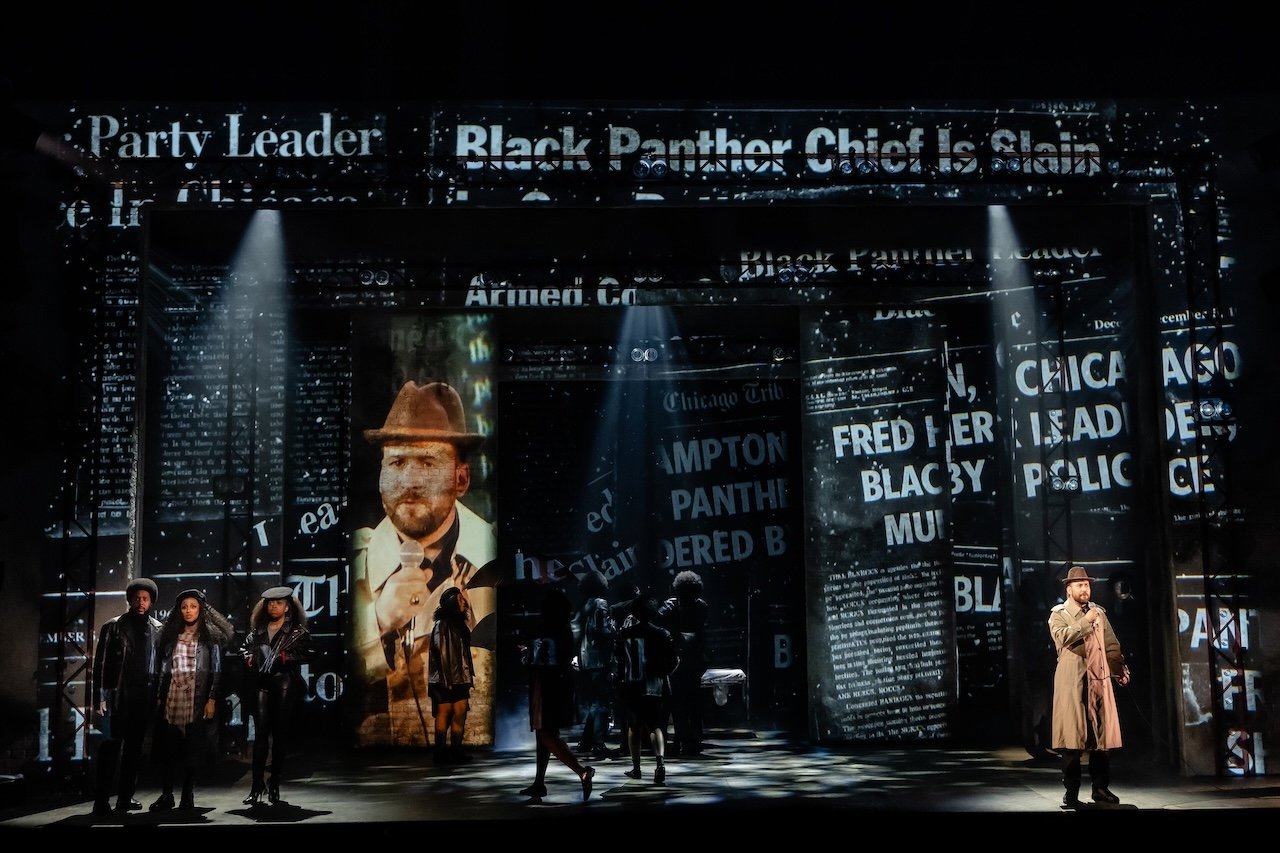
- The design work. WhatsOnStage praised Sara Perks’ sets, Natalie Pryce’s costumes and Buckloop’s video design for effectively conjuring the show’s shifting decades and settings, while the Guardian called Racky Plews’ staging “nimble,” highlighting its use of immersive projection.
- A refusal to whitewash Khan’s flaws. The Stage welcomed the show’s willingness to touch on Khan’s selfishness and her strained relationship with her daughter, describing it as, refreshingly, “not a hagiography.”
The reviews: what fell flat for I’m Every Woman
- The script. The central complaint across all three reviews. The Times found it “drifts from one stilted scene to another,” while WhatsOnStage argued it reduces Khan’s life to “a series of clichés” told in scenes that move too fast for real character development. The Stage felt the show tries to “cram absolutely everything and everyone in, with no real narrative shape,” and the Guardian agreed the opening act sprints through pivotal life events “in a matter of minutes.”
- The celebrity cameos. WhatsOnStage felt the show’s treatment of figures including Miles Davis, Stevie Wonder and Prince descends into “a series of comic turns and bad wigs,” undermining Khan’s own musical curiosity. The Standard agreed, calling the cameos “traducingly awful.”
- Pacing and length. The Standard felt the inclusion of songs by other artists was itself “an admission that her back catalogue isn’t strong enough to sustain” the show’s 160-minute running time, while WhatsOnStage felt a late-arriving character explanation only served to extend an already overlong show. The Guardian was particularly critical that the show “runs entirely out of pace and music” after the interval, meandering through Khan’s later career at the expense of her artistry.
- A lack of depth on serious themes. WhatsOnStage was particularly critical that the show’s exploration of addiction, though central to its framing device, is “never properly explored,” alongside an incident it felt was similarly glossed over.
The back story
I’m Every Woman: The Chaka Khan Musical tells the life story of the singer born Yvette Marie Stevens in Chicago, tracing her path from a childhood shaped by her father’s addiction, through her rise to fame with funk band Rufus, to her enduring legacy as the “Queen of Funk.” Along the way, the show charts her relationships, her battles with addiction, and her creative journey through the decades, set against a soundtrack of her most celebrated hits.
Book tickets to see I’m Every Woman: The Chaka Khan Musical
Where to see I’m Every Woman: The Chaka Khan Musical
- Venue: Troubadour Wembley Park Theatre, London, until 27 September 2026
- Runtime: 160 minutes
- Full details on I’m Every Woman: The Chaka Khan Musical
What are the critics saying about I’m Every Woman - The Chaka Khan Musical?
"Burke plays Khan with an energetic youthfulness"
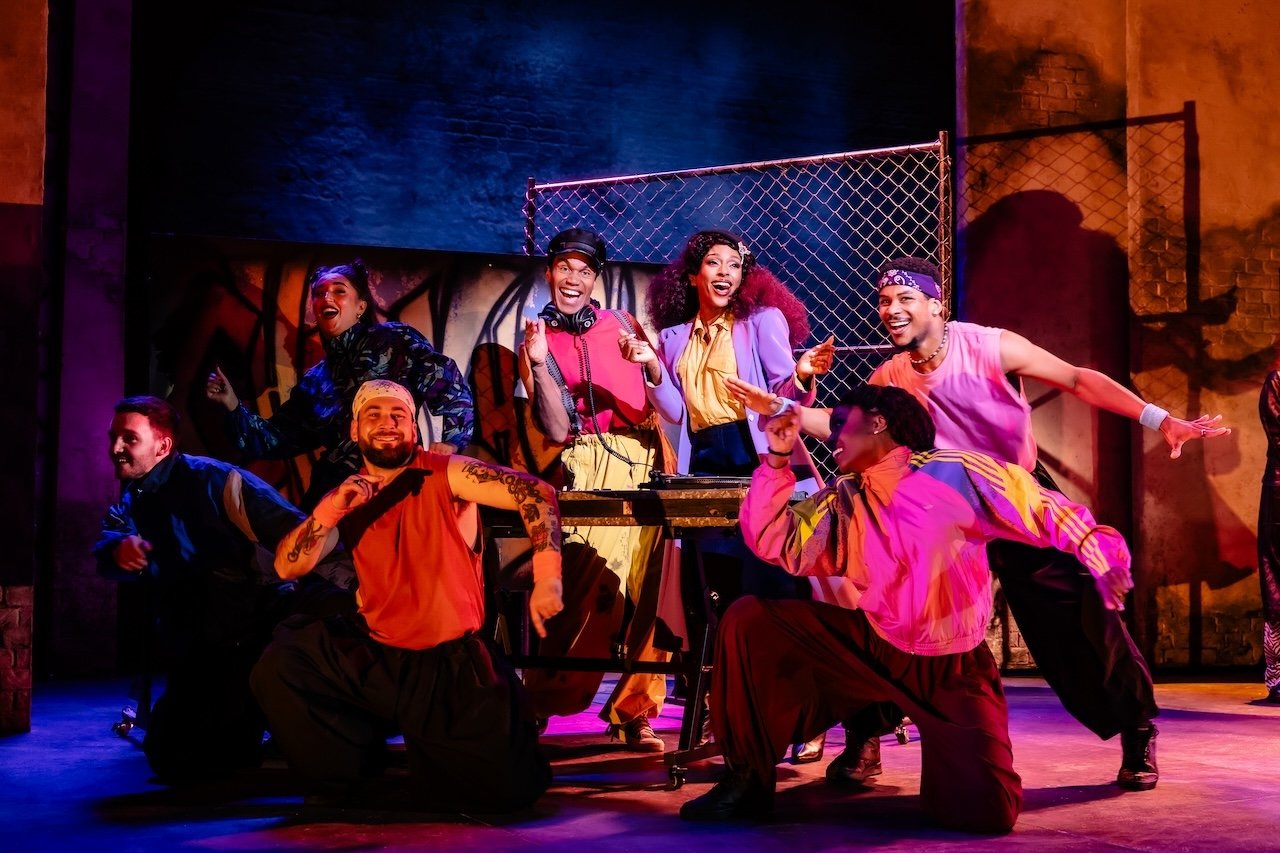
"Director Racky Plews’ staging is nimble, making use of immersive projections, while the ensemble boasts a comic star in Ashley Stroud, as Khan’s bolshie younger sister, Taka Boom."
"the music lifts the spirits. Burke is in commanding form on the vocals, and the songs from Khan’s years with funk band Rufus still shimmer."
"Sara Perks’ set designs are bright and evocative."
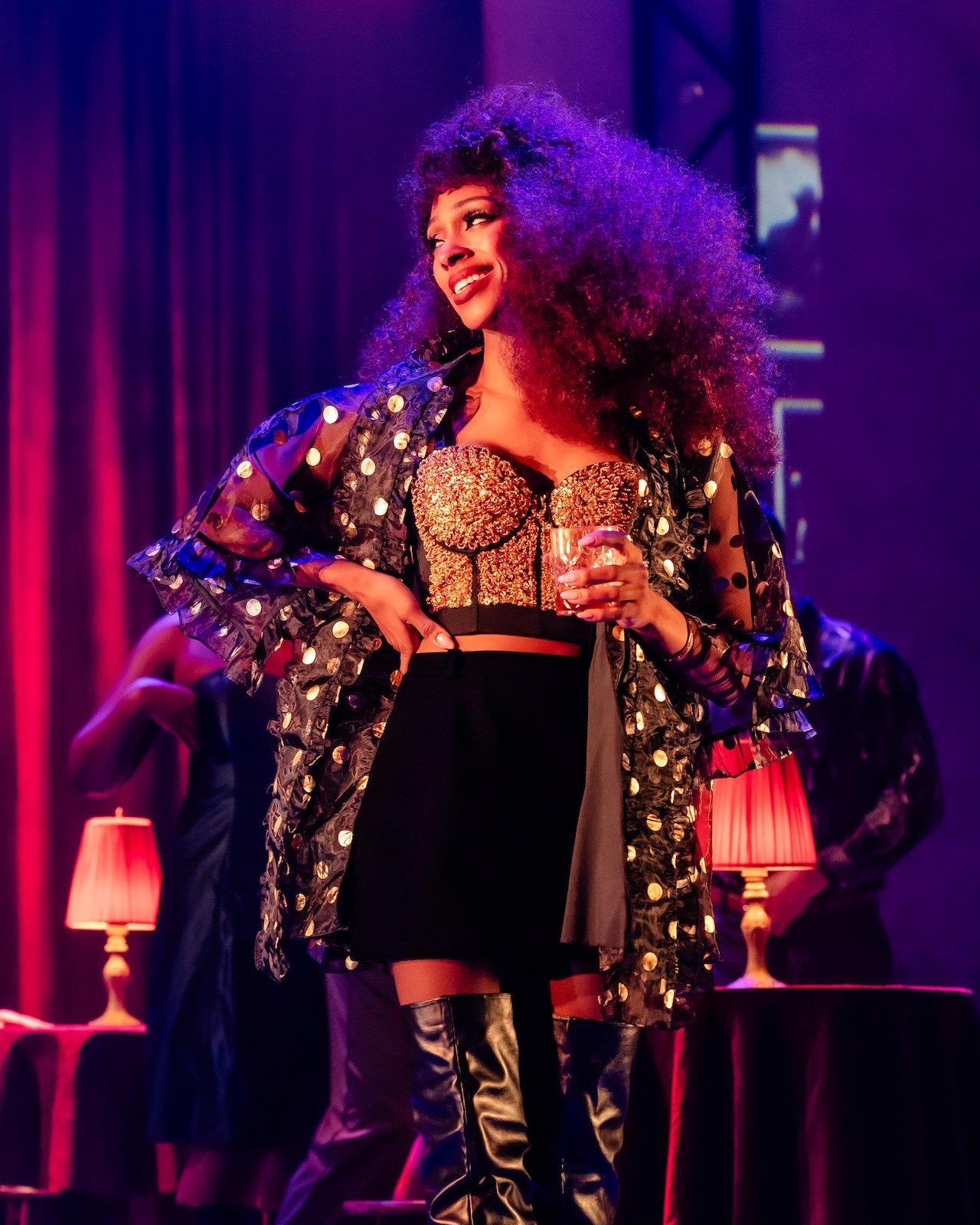
"Racky Plews, the director, oversees a production embellished with striking period detail (dig those funky Seventies Afros)..."
"Alexandra Burke, who not only has a voice that rises to any occasion but also has a presence and an acting quality capable of transforming moments of a written-by-rote show into theatrical magic."
"the portrayal of the musical figures Khan meets en route – Davis, Stevie Wonder, Steve Winwood, Prince – to descend into a series of comic turns and bad wigs."
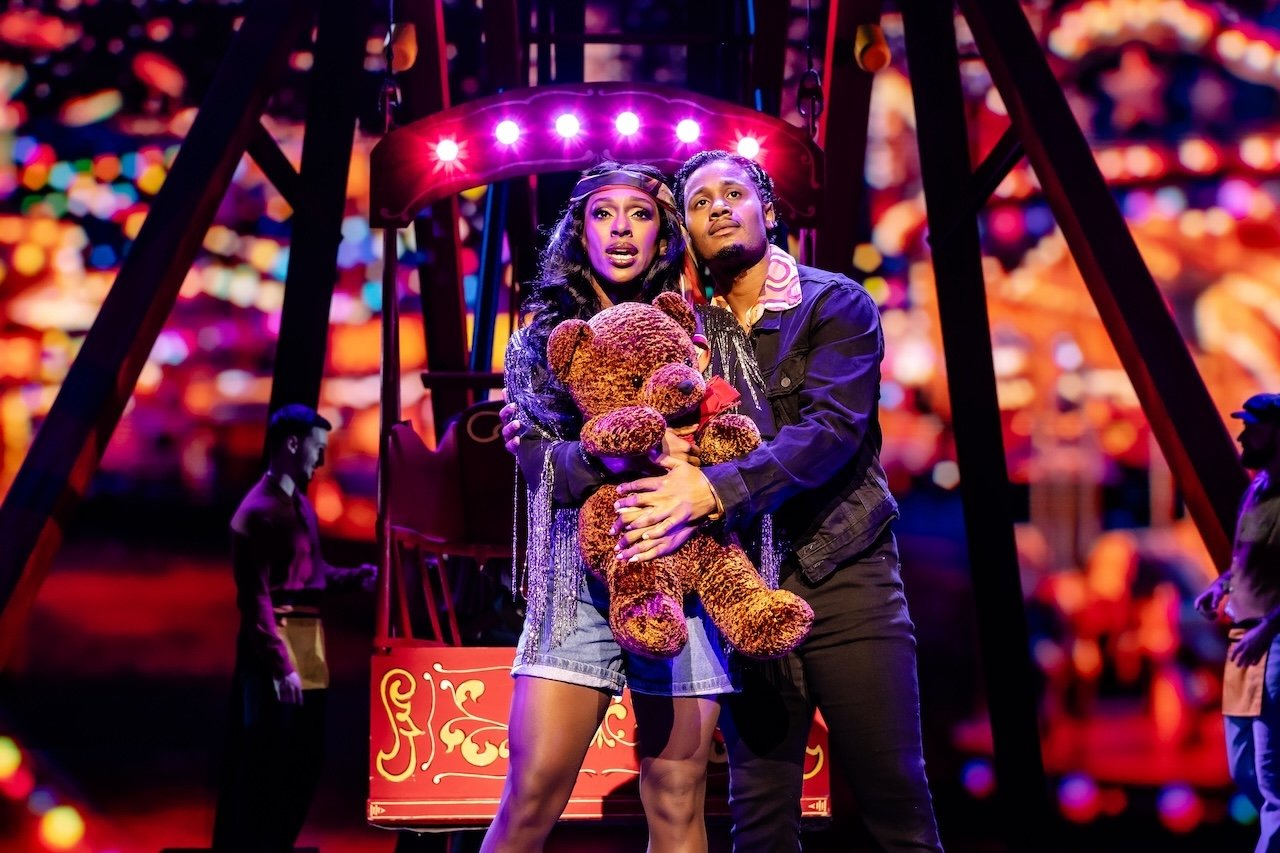
"Sara Perks’ sets, Natalie Pryce’s costumes and Buckloop’s video designs effectively conjure different scenes of life and society from the 1960s onwards"
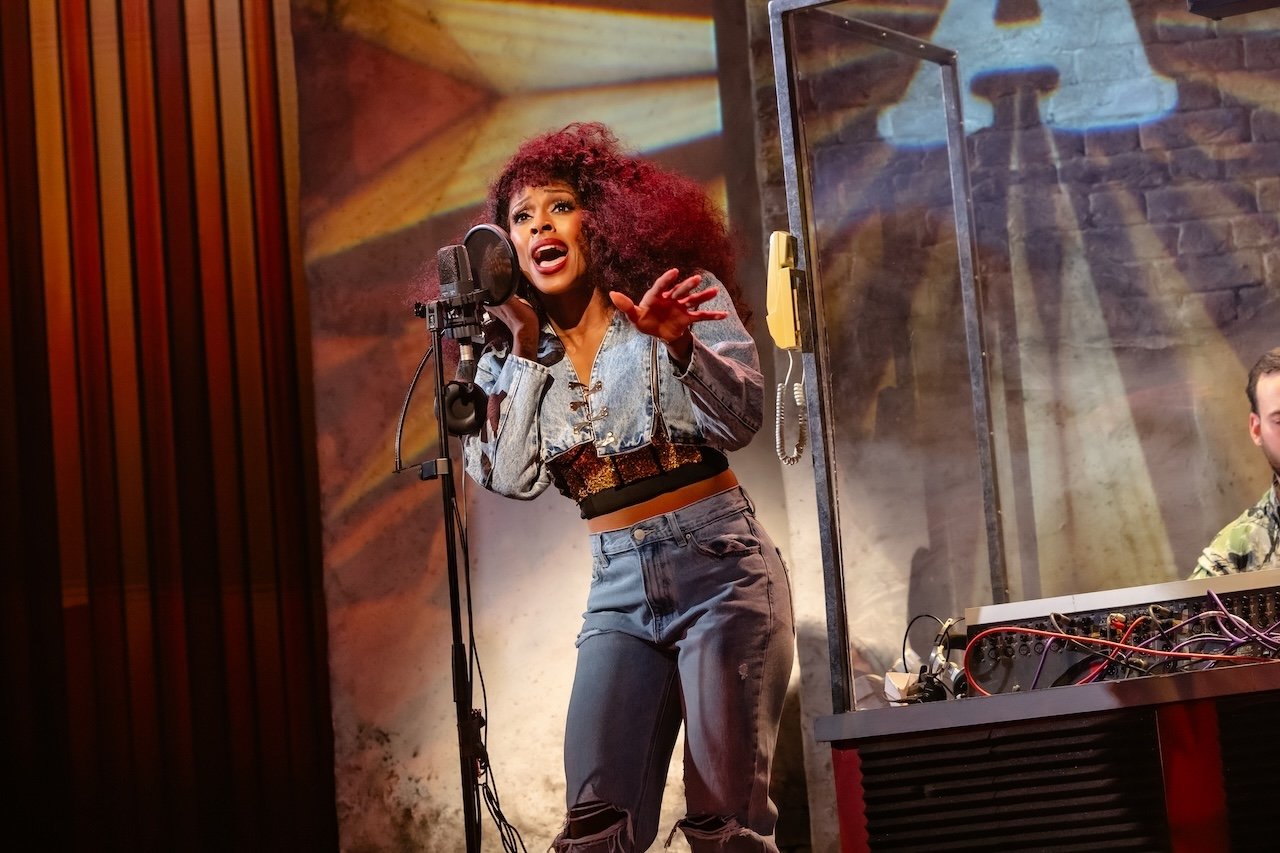
"The singing voices of a cast led by an extravagantly bewigged Alexandra Burke are pretty much the only saving grace"
"The script (by Khan’s creative director Nia T. Hill is bad. The projection-based designs are bad. The cartoonish cameo appearances by Stevie Wonder, Whitney Houston, Miles Davis and others are traducingly awful."
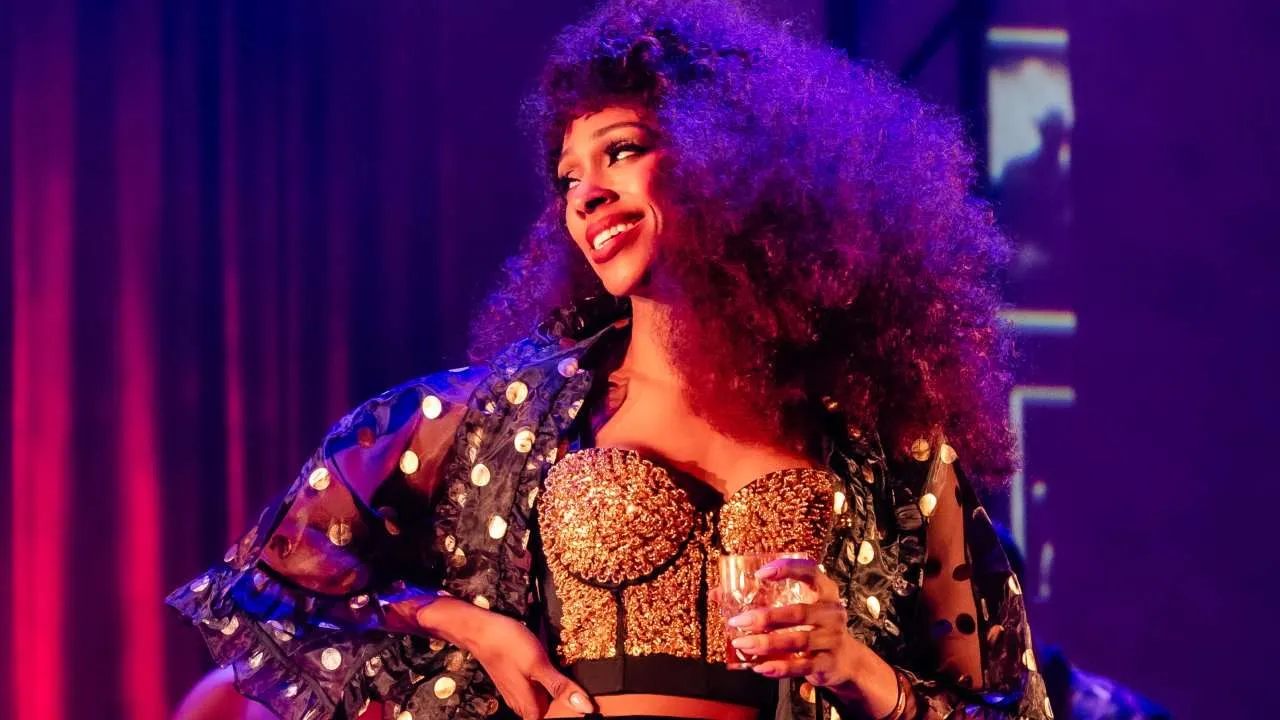
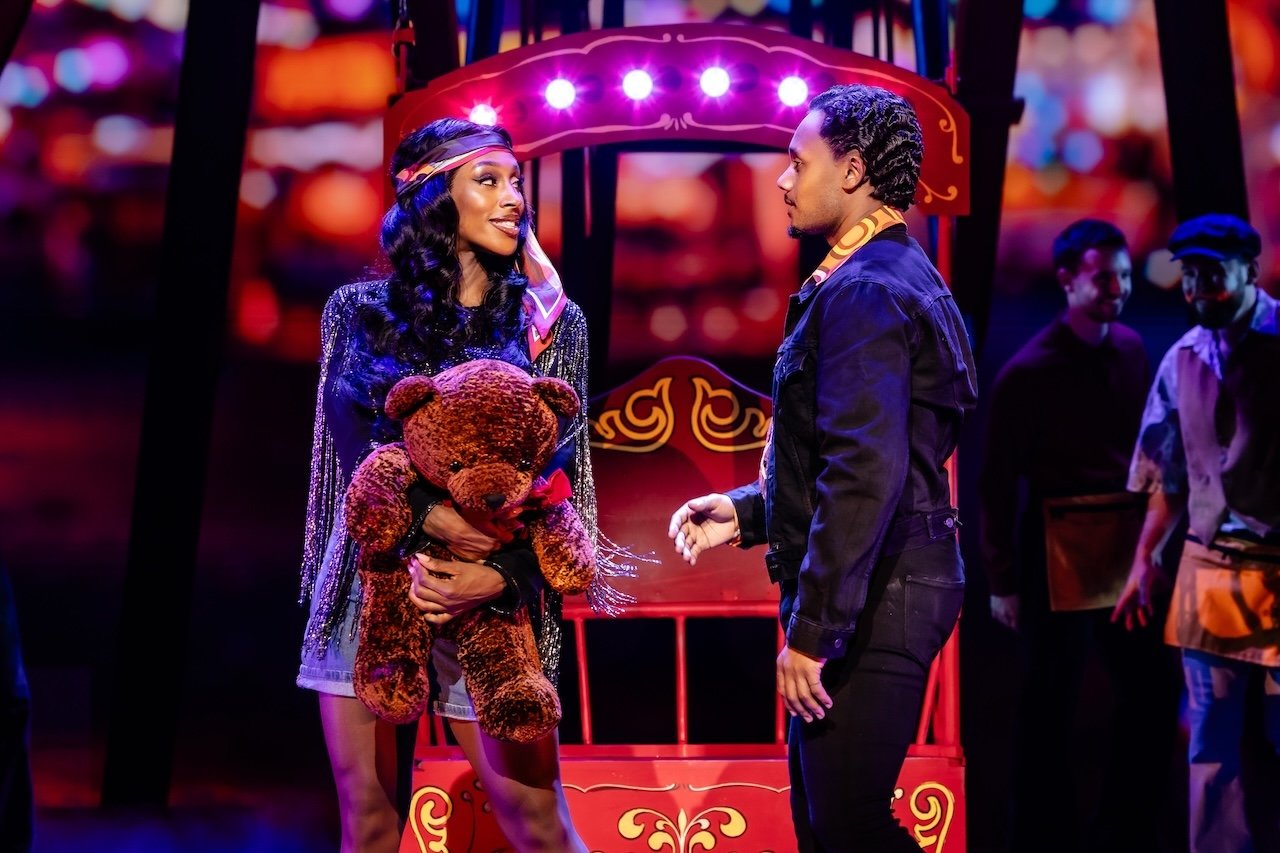
"Burke does her best, belting out the songs and rocking a series of dramatic looks involving thigh boots, sheath dresses, ripped denim and gold bustiers."
"Burke gives every song her all, turning the music into a deserved high point."
"the show flies so wildly all over the place that ultimately, the courageous, talented and complex Khan is short-changed."
Related News
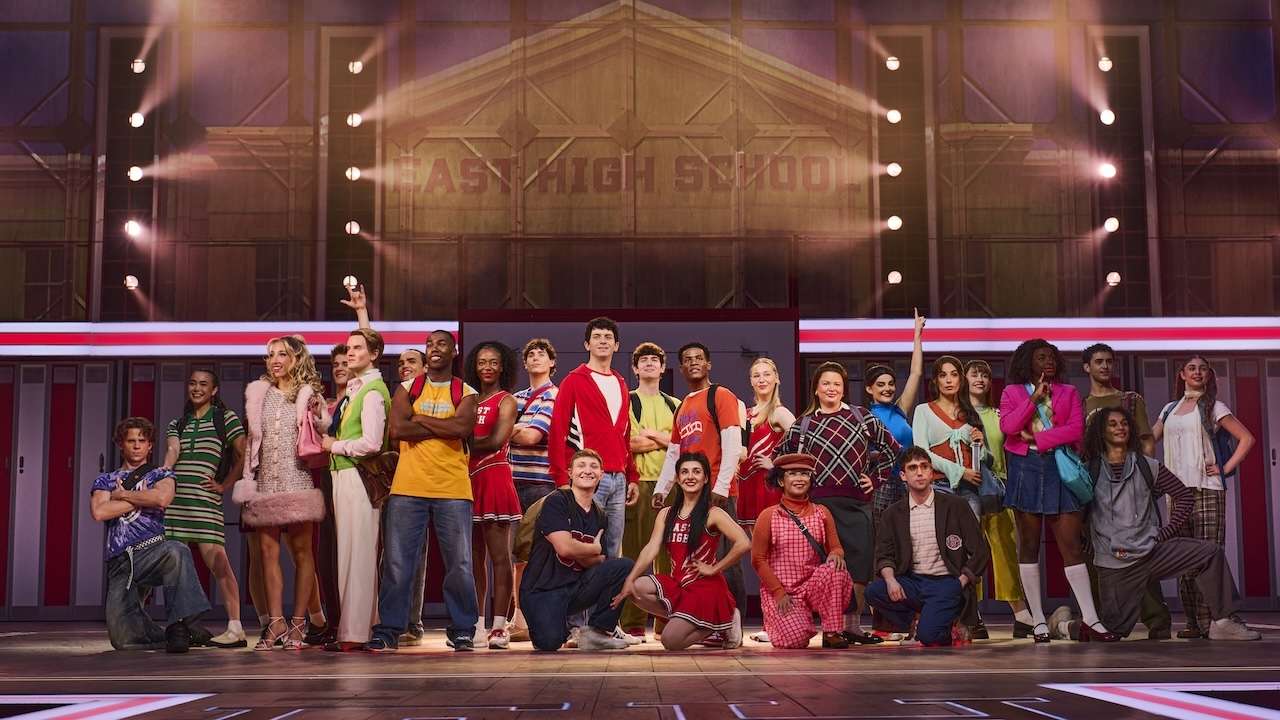
Get’cha head in the game with a sneak peek at the cast of Disney’s High School Musical performing in London
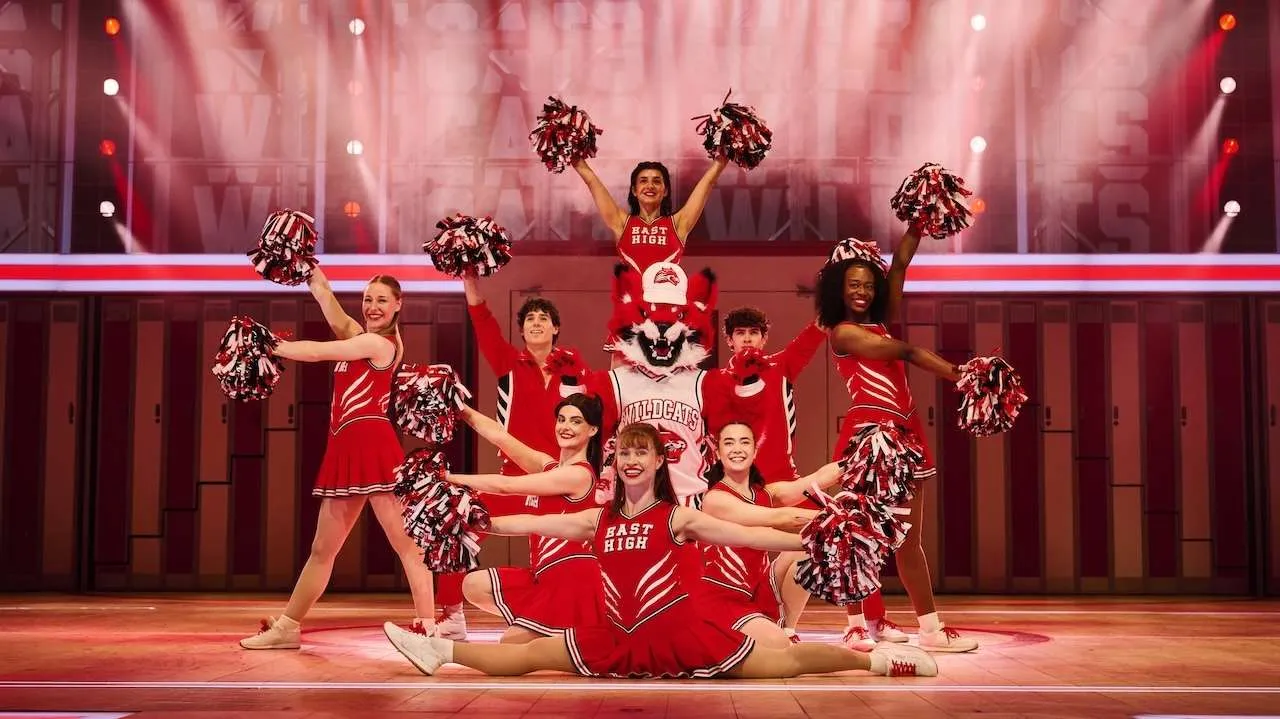
High School Musical arrives in London: See brand-new production photos as the cast takes the stage at Troubadour Wembley Park
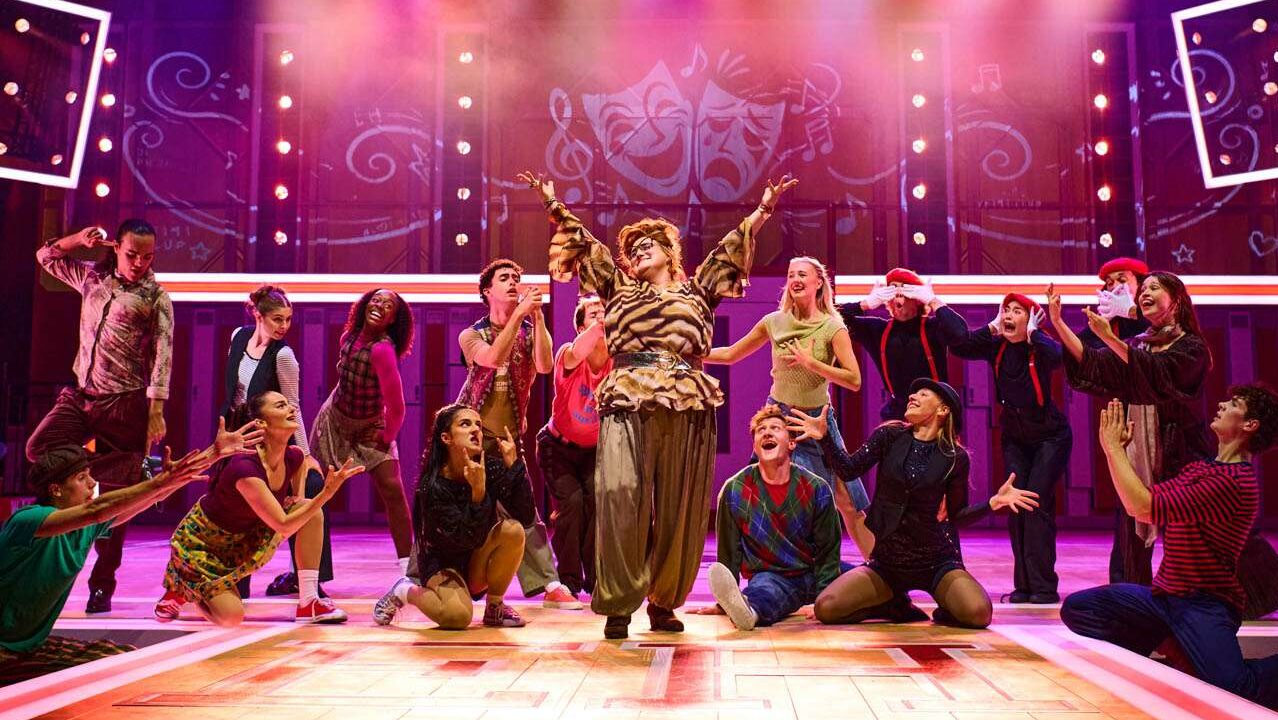
Watch: the new trailer for High School Musical, starring McFly’s Harry Judd and the original film’s Martha Cox
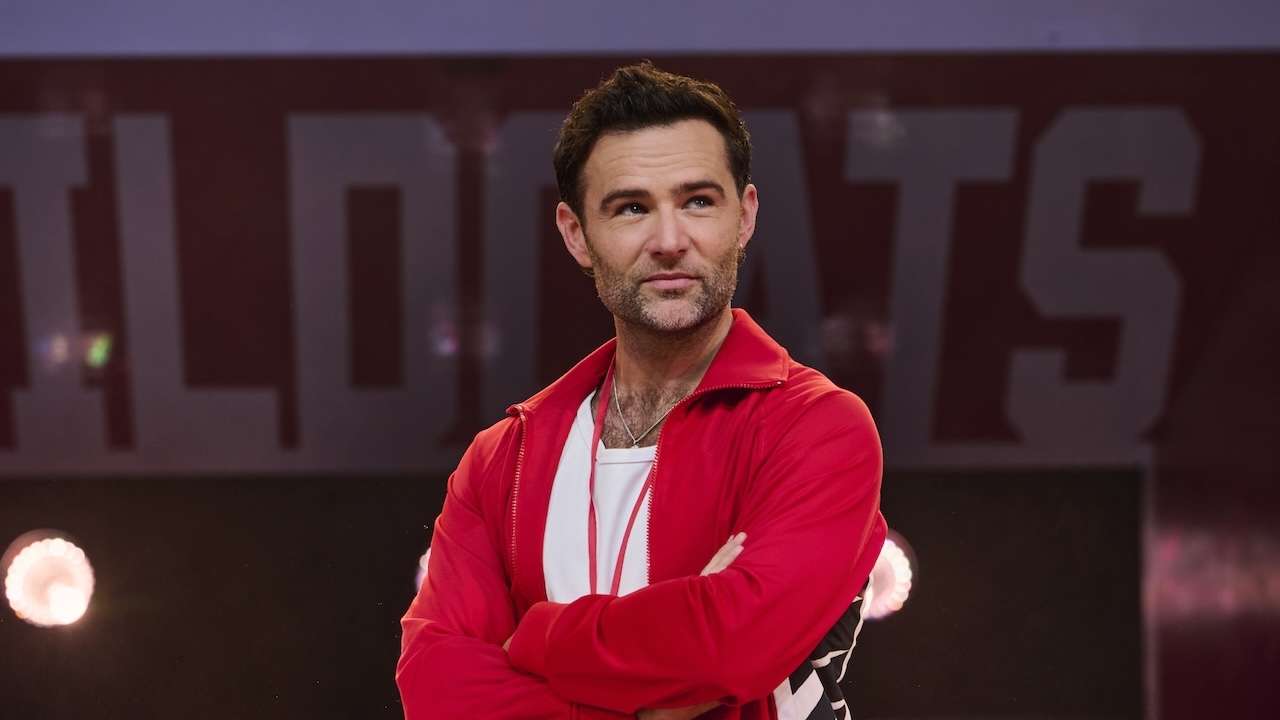
Harry Judd joins the Wildcats as High School Musical’s new Coach Bolton
Latest News
Everything you need to know about The Traitors: Acts of Betrayal in London
Nina Raine’s sweeping new adaptation of Middlemarch arrives at the RSC: See brand-new images from the production
What to expect from Pride the Musical ahead of highly anticipated transfer to the Bridge Theatre