
Shakespeare’s Globe’s flamenco-soaked reimagining of Love’s Labour’s Lost has split the critics down the middle. While reviewers agree the Iberian concept is a bold and ambitious idea, they’re divided on whether it illuminates one of Shakespeare’s trickiest early comedies or buries it entirely.
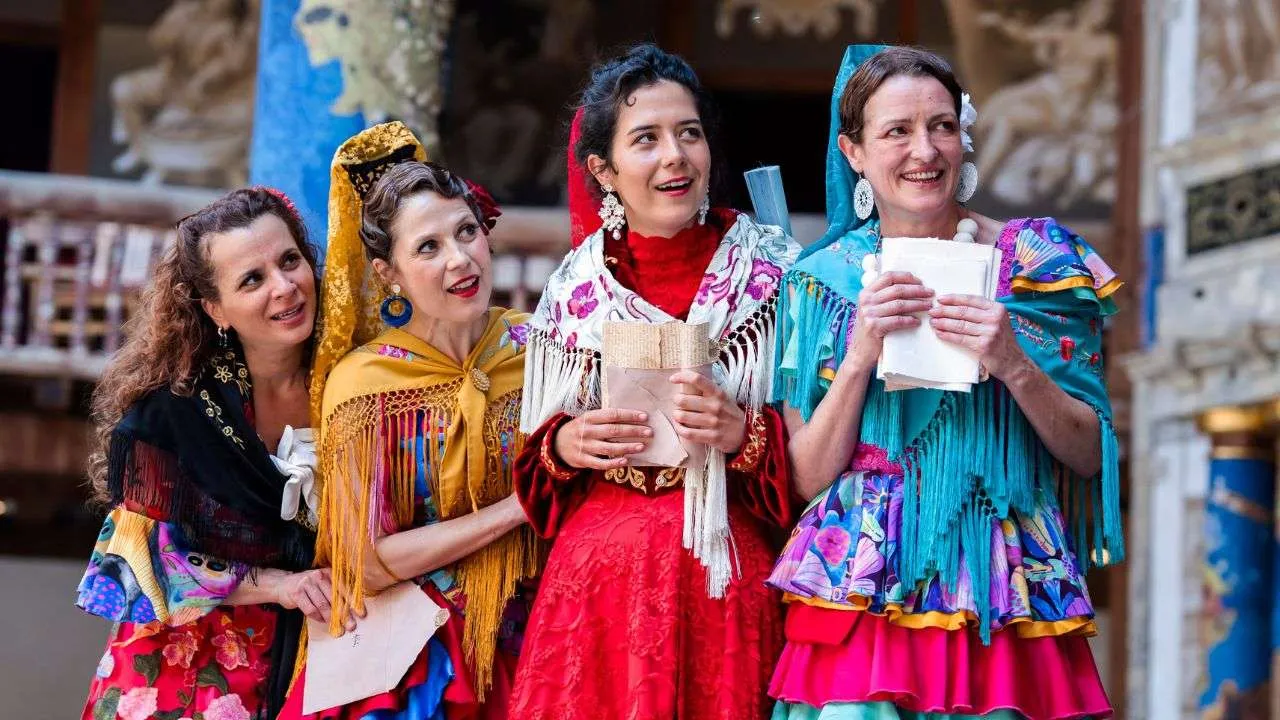
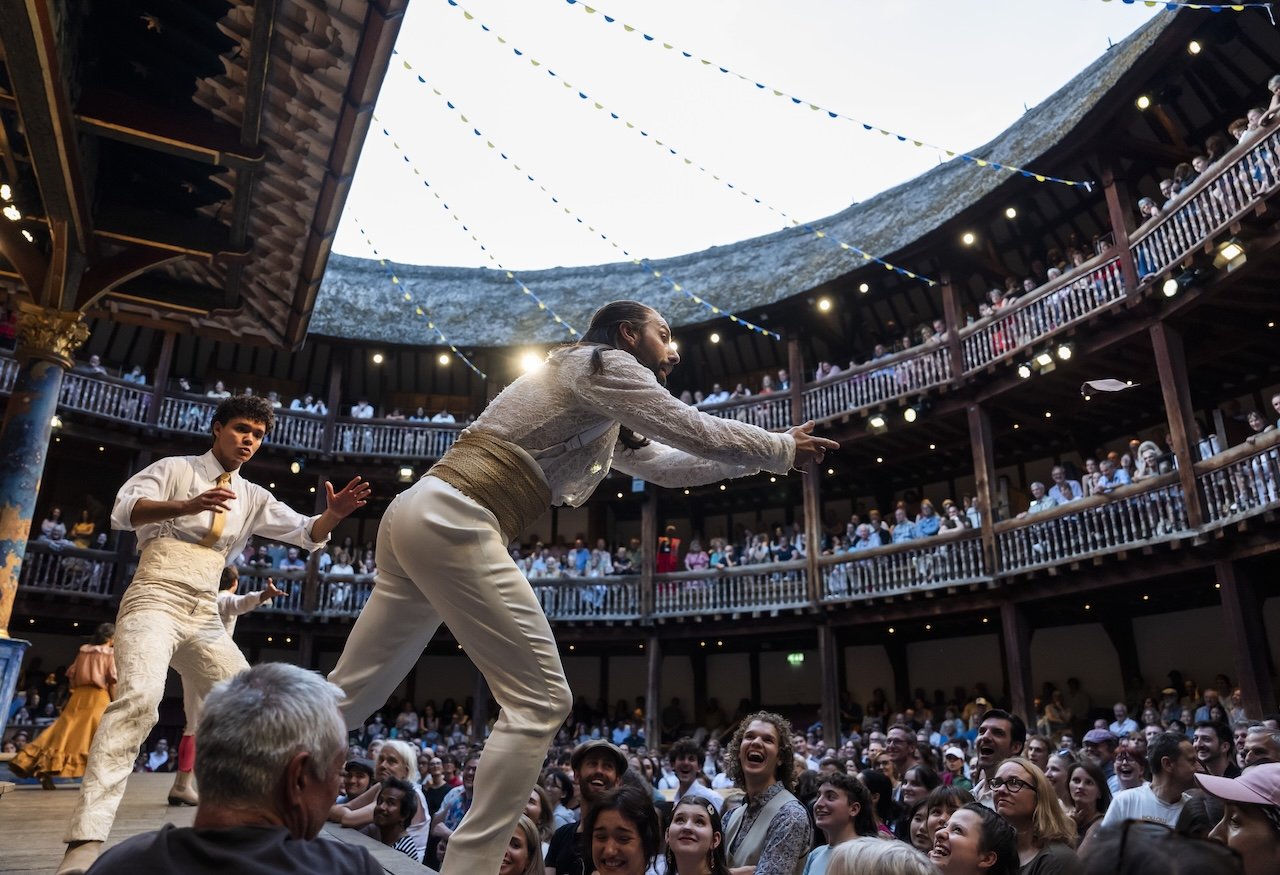
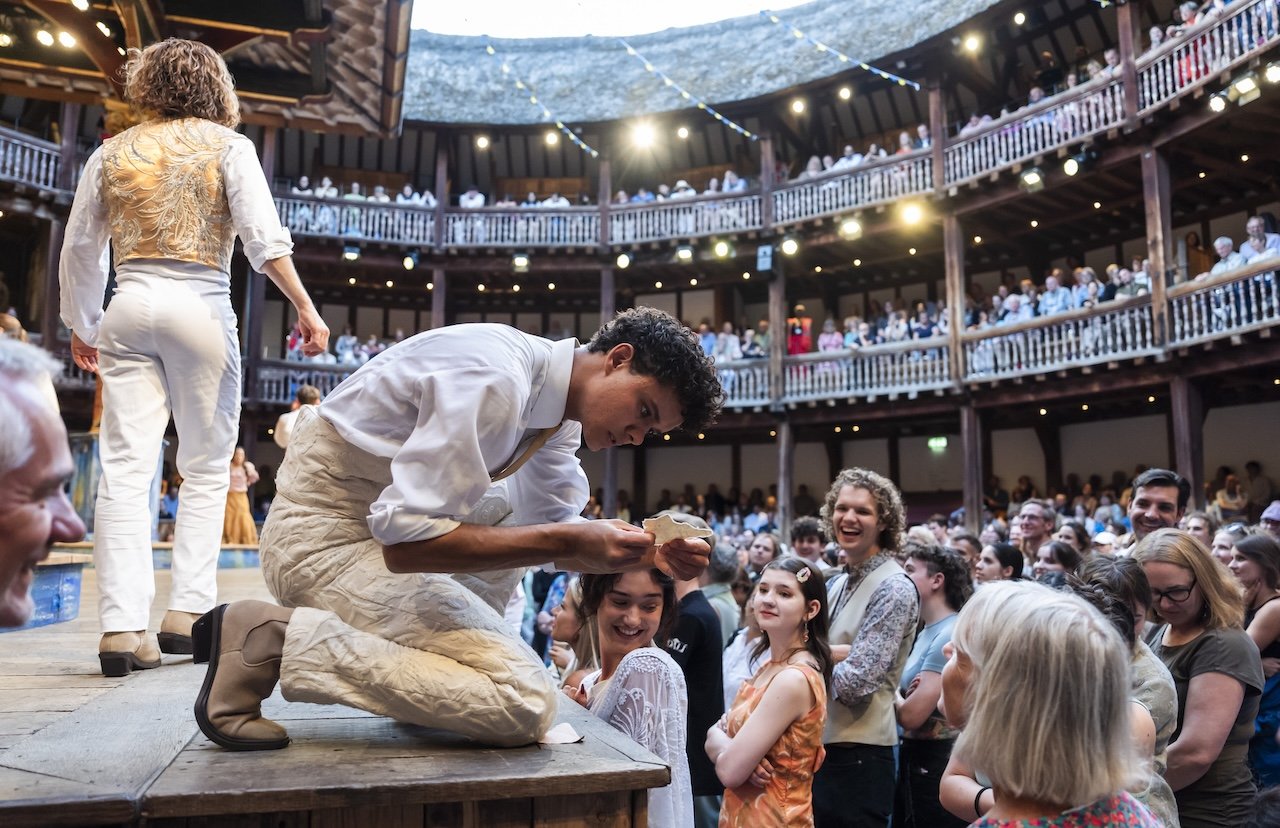
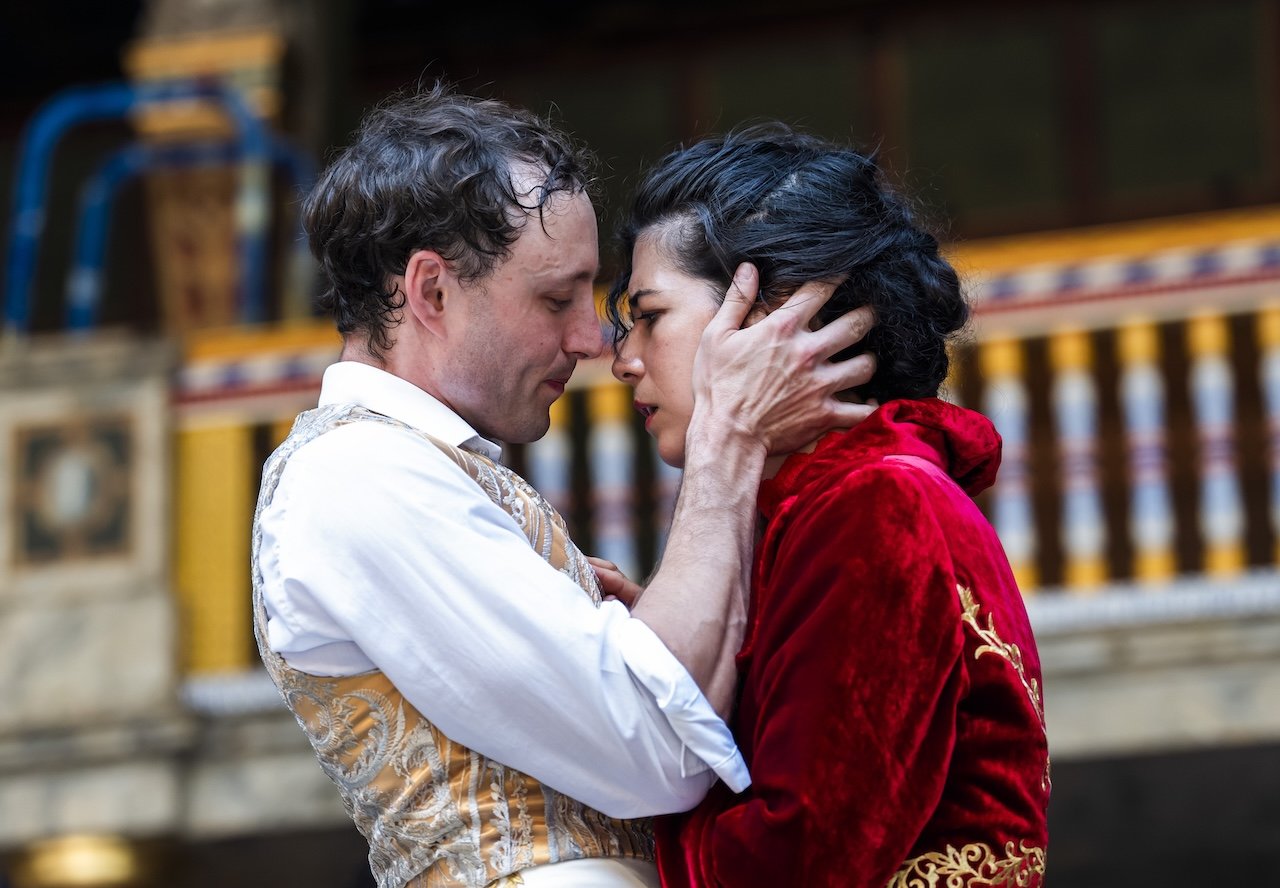
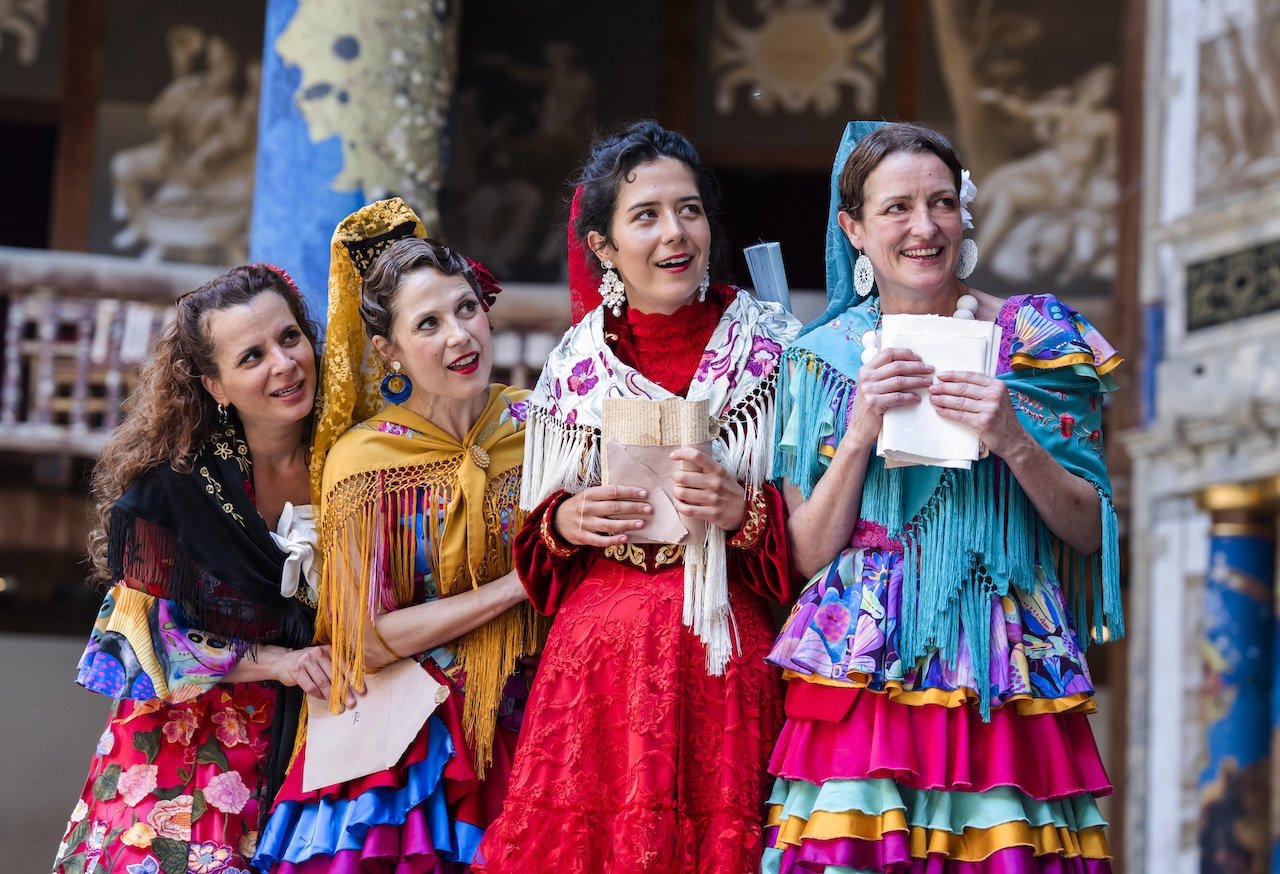
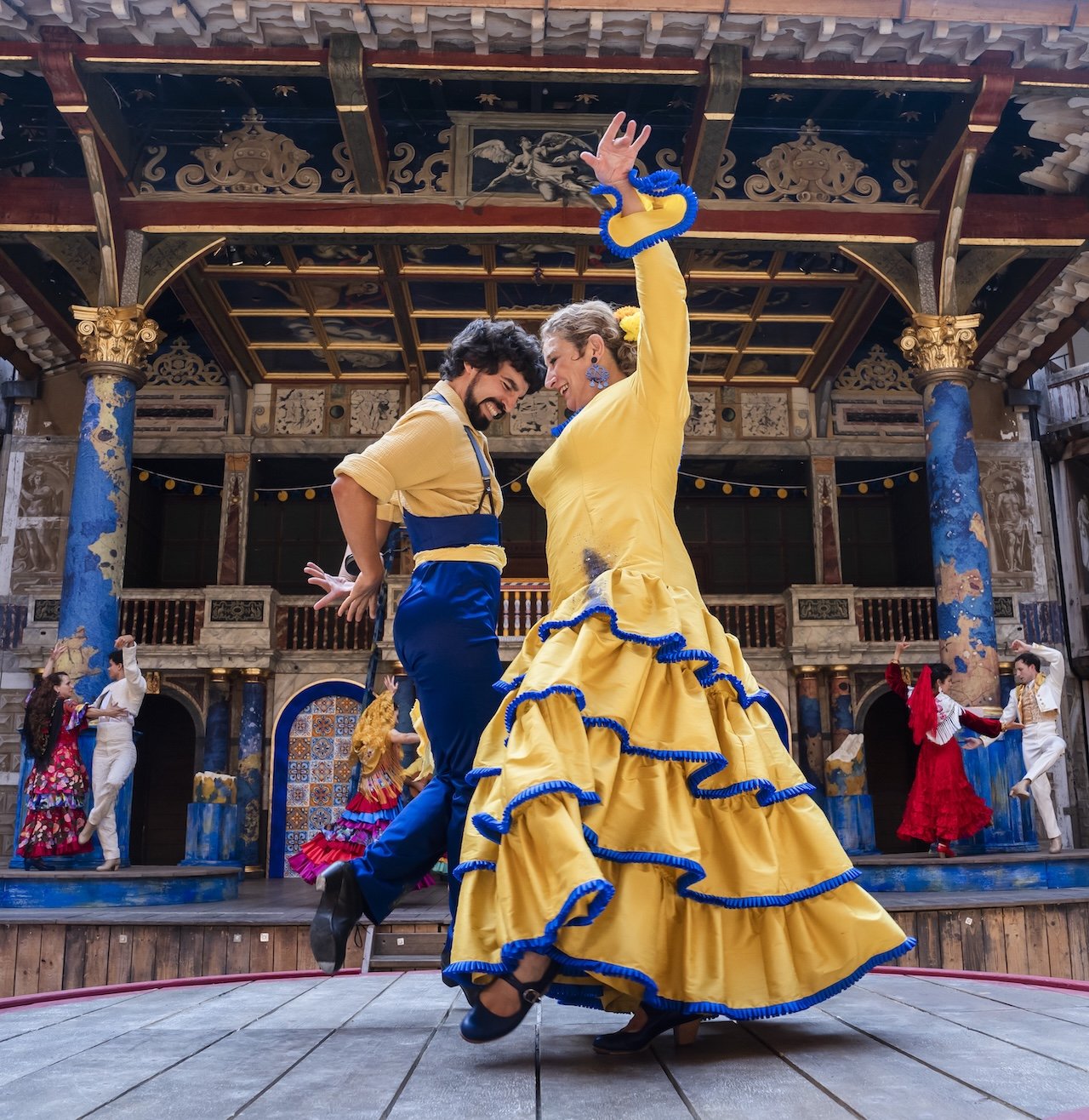
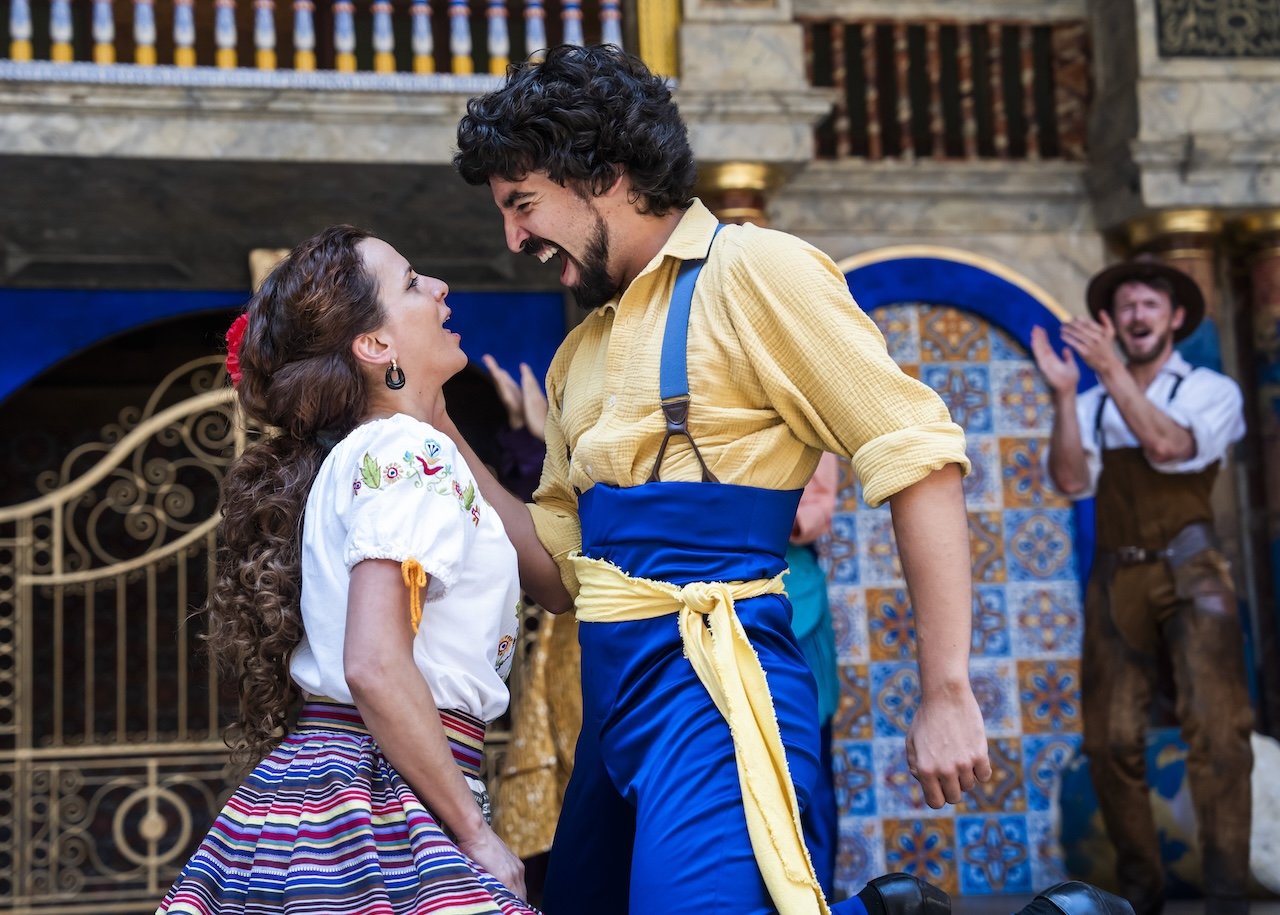
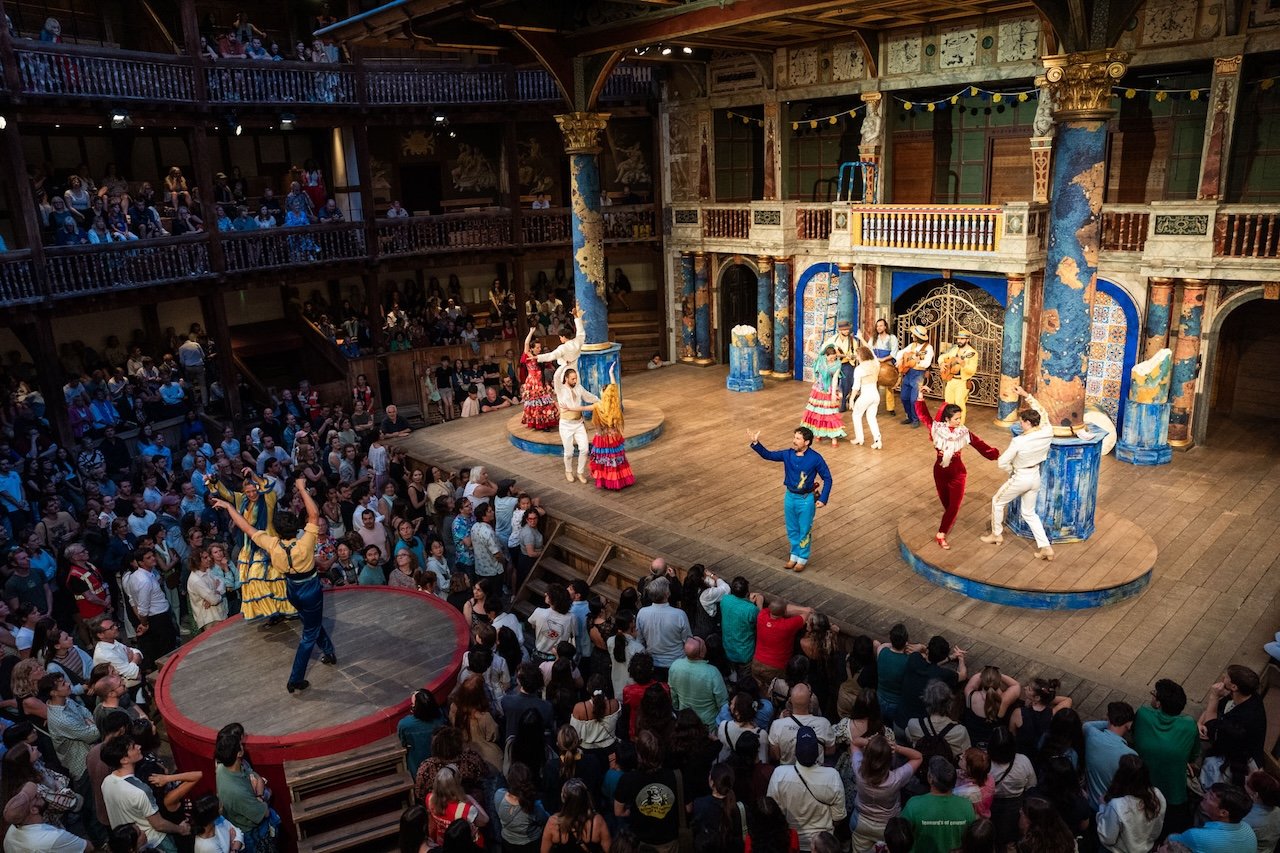
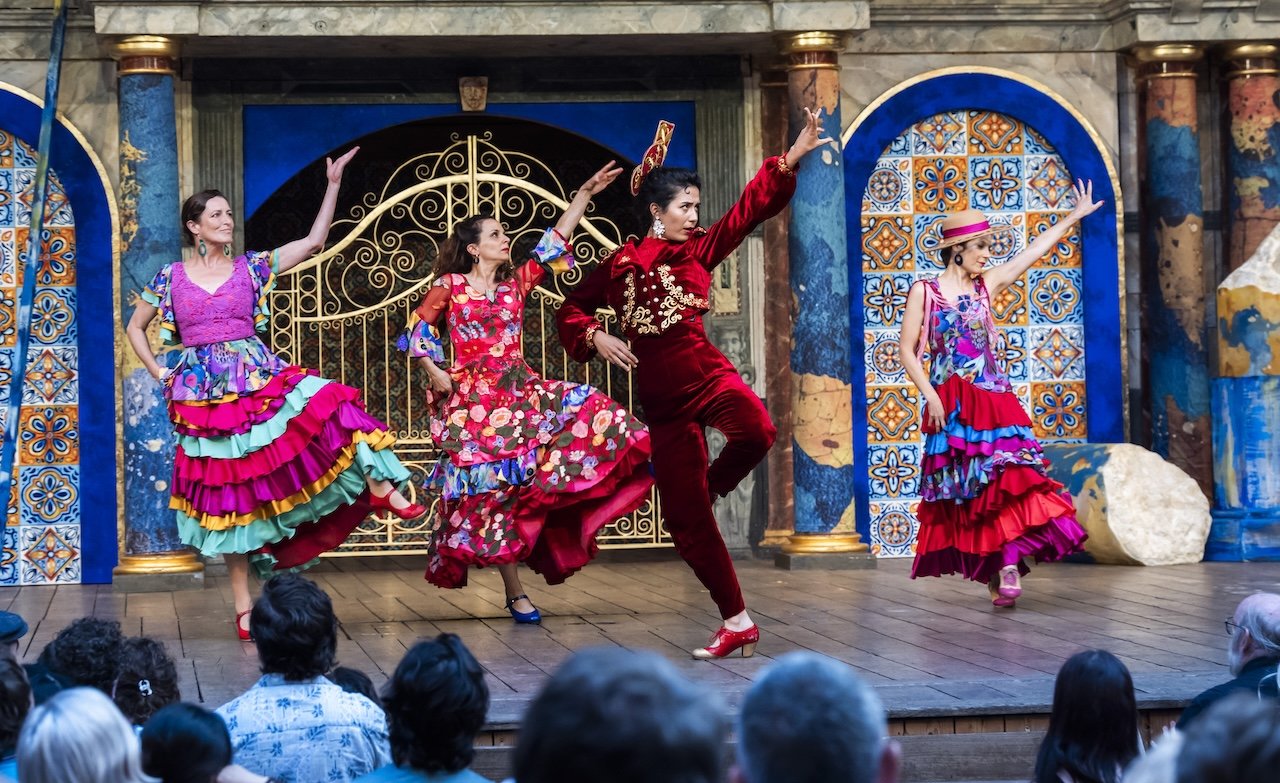
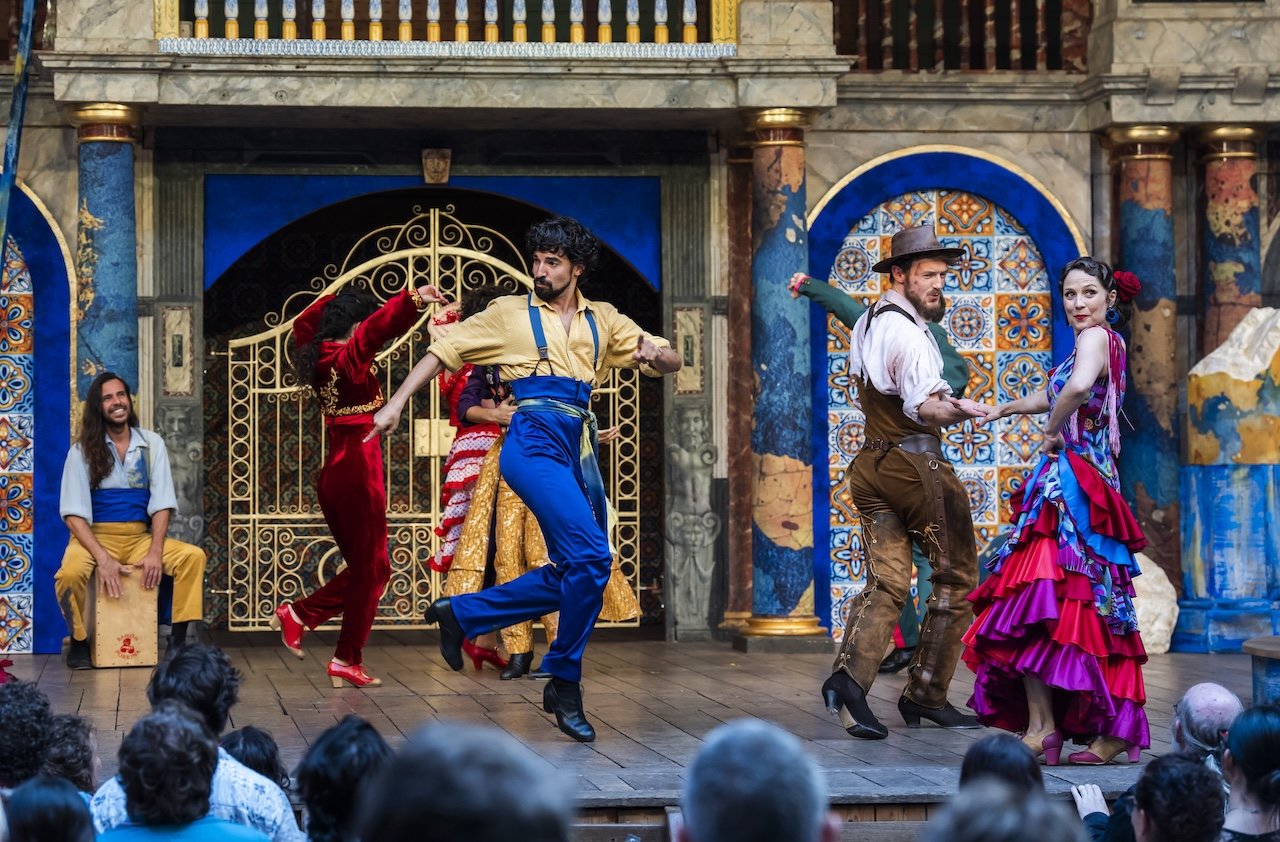
Directed by Indiana Lown-Collins in her Globe directorial debut, the production of Love’s Labour’s Lost transplants the play’s visiting French royals to Spain, replacing courtly wordplay with flamenco dance, live guitar and song, and swapping the original hunting scene for a symbolic bullfight.
Norah Lopez Holden leads as the Princess, opposite Ned Costello’s King of Navarre and Philip Arditti’s Berowne, with movement by Carmen Igarza and design by Katie Lias.
The verdict: A divisive Iberian reinvention — inventive, warm and full of heart for some critics, a “crude cacophony” for others, but on the whole, an ambitious staging that pays dividends on one of Shakespeare’s most difficult comedies.
The critical response to Love’s Labour’s Lost has been genuinely divided, with WhatsOnStage’s four-star rave standing in stark contrast to a single-star from The Times, and the Telegraph landing in between. What unites most reviews is admiration for Norah Lopez Holden’s performance as the Princess, and a shared fascination with the production’s bold flamenco concept, even where its execution proved contentious.
| Publication | Rating | The Key Takeaway |
| WhatsOnStage | ★★★★ | A hugely promising Globe debut, brimming with creativity, energy and heart. |
| The Guardian | ★★★★ | A dance and movement-filled fiesta thanks to choreographers Carmen Igarza and Vanessa Guevara. |
| The Stage | ★★★ | Stylish but laboured despite vibrant design and energy-filled cast. |
| Time Out | ★★★ | A fun take on Love’s Labour’s Lost that overdoes the gags. |
| The Telegraph | ★★★ | A fun, warm reimagining let down by muffled, hard-to-follow verse. |
| The Times | ★ | A crude, unfunny staging that relies on physical comedy that falls flat. |
The reviews: what they loved about Love’s Labour’s Lost
- The flamenco concept itself. WhatsOnStage’s Aliya Al-Hassan called it a potential gimmick that instead proved “irresistible,” praising its “abundance of creativity, energy, and heart.” The Telegraph’s Dominic Cavendish agreed it makes for “a fun, warm, flamenco-soaked account” of the play. While Anya Ryan of Time Out goes further, stating “The dance here is very much a language in itself. It bookends scenes, claps build tension, and flamenco is used to express deep, fiery emotion. Guitar strums infuse the production with passion”
- Norah Lopez Holden as the Princess. Singled out by all critics. WhatsOnStage found her “outstanding,” showing wit and dignity, while even The Times’ otherwise damning review admitted she “elevates anything she’s in.” The Stage calls her performance “Unattainably fierce and self-confident.”
- The reimagined bullfight sequence. Replacing the play’s original hunting scene, this dance interpretation — in which the Princess resists, then submits to, a symbolic kill — drew praise from both the Telegraph and The Times, who called it a rare moment where the concept truly lands, while The Stage names it “easily the production’s strongest sequence.” Mark Lawson of The Guardian particularly singled it out as “spectacularly danced by Pablo Egea as the tauran prey.”
- Philip Arditti’s Berowne. Praised by WhatsOnStage, The Stage and The Times as a charismatic, witty highlight of the company, even where the wider production divided opinion.
The reviews: what fell flat for Love’s Labour’s Lost
- Clarity of the text. The Telegraph’s chief criticism was that the Spanish-inflected verse muffled Shakespeare’s already-knotty wordplay, capping an otherwise warm review with the caveat that “more clarity wouldn’t go amiss.”
- The comedy, for The Times. Kate Maltby was scathing about the production’s humour, branding it “a crude cacophony” and arguing it descends into “downright misogynistic” territory, singling out an interpolated Elizabeth I sequence as a particular lowlight.
- Leaning too hard into bawdiness. Even WhatsOnStage’s largely positive review felt the King’s lords sometimes pushed the physical comedy and innuendo further than necessary.
The back story
Love’s Labour’s Lost thought to be one of Shakespeare’s earliest comedies, and one of his most rarely staged, thanks to its dense wordplay and unusually melancholic ending.
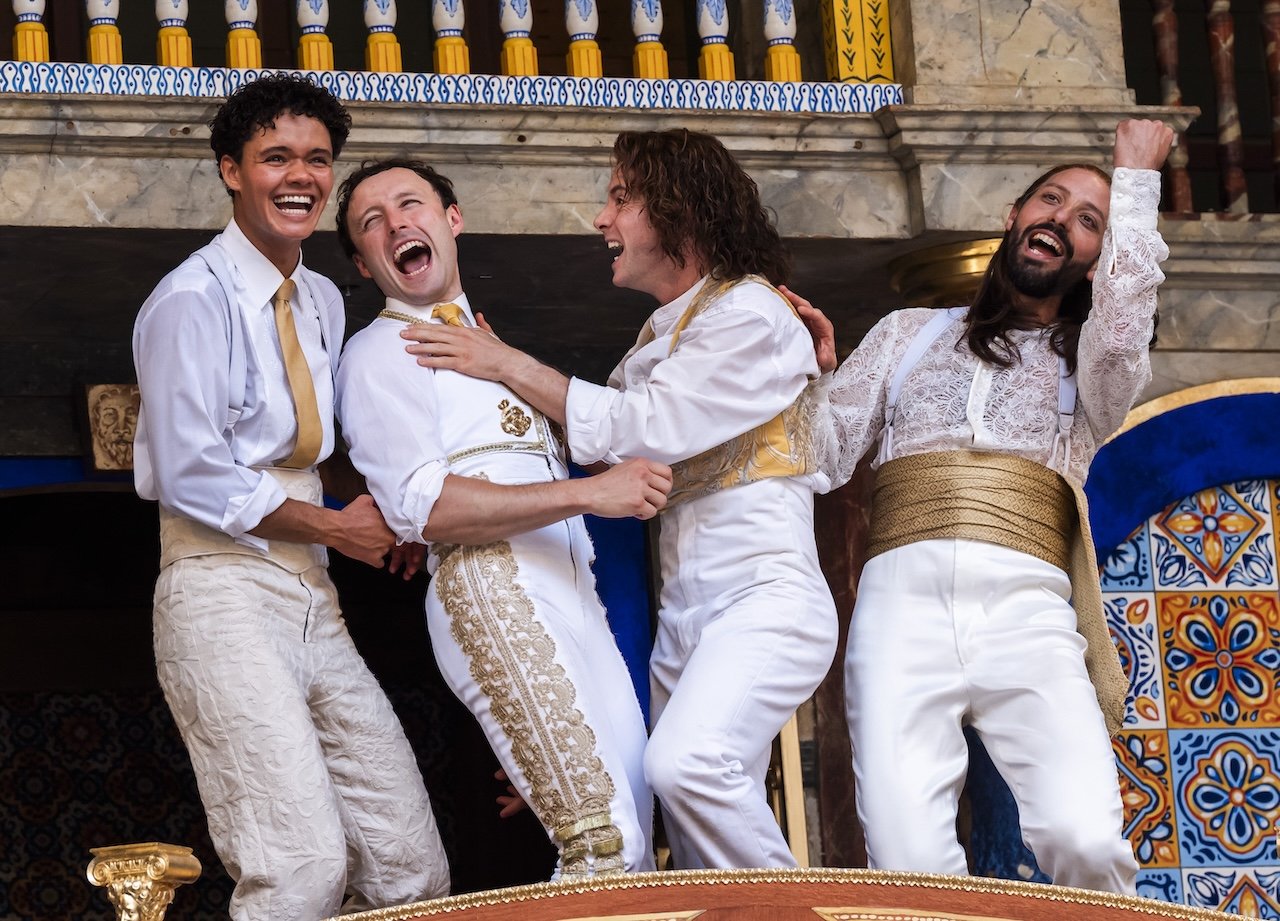
The King of Navarre and his lords swear off the company of women to focus on scholarly study, only for their vows to collapse the moment a visiting Princess and her ladies arrive on a diplomatic mission.
For this production, the setting shifts from France to Spain, with the play’s Latin puns rewritten as Anglo-Spanish wordplay, and the entire company put through a flamenco “boot camp” for the production’s dance sequences, alongside professional flamenco dancers Pablo Egea and Anita La Maltesa.
Where to see Love’s Labour’s Lost
- Venue: Shakespeare’s Globe, London, until 13 September 2026
- Runtime: Approximately 2 hours 35 minutes
What are the critics saying about Love’s Labour’s Lost?
"this production is... generally a joy."
"Dance and movement routines – the romantic longing and underlying violence of flamenco reasonably reflecting the themes of the play – regularly stop the show."
"The programme bills Carmen Igarza as choreographer and Vanessa Guevara as pre-hispanic movement consultant; however this duet worked, they deserve to take a bow at the end of each performance."
"An abundance of creativity, energy, and heart."
"This is a hugely promising Globe debut from Lown-Collins, brimming with imagination."
"One gorgeous instance is the dance interpretation of a visceral bullfight (replacing a hunting scene) where the Princess resists, then submits to the kill, as the blood-soaked bull succumbs."
"Philip Arditti is a particularly charismatic Berowne, and Norah Lopez Holden is outstanding as the Princess, showing wit and capability, deftly moving between dignity and teasing."
"Lown-Collins effectively combines the rhythms of the music and language together, as percussive handclaps often punctuate the repartee."
"A fun, warm, flamenco-soaked account of Love's Labour's Lost."
"The cast's labours aren't in vain. It works, but more clarity wouldn't go amiss."
"The music and dance offset the wit and notoriously knotty word-play."
"The choreography (by Carmen Igarza) harnesses the flamenco spirit to denote their poise, fire, defiance and foot-stamping command. At its core, the play is a prolonged mating dance between couples-in-waiting, so the impassioned guitar-strumming, clapping and singing here open up a different kind of communication channel."
"Director Indiana Lown-Collins – who grew up in Spain – gives the piece authentic Iberian flair, packing in all sorts of attention-grabbing set pieces"
"Norah Lopez Holden gives a scene-stealing turn as a magnetic Princess. Unattainably fierce and self-confident, she amuses herself by mocking the men’s clumsy passes "
"Ned Costello stands out as the hypocritical King, selling the character’s journey from pompous prig to fun-loving romantic, his shy smile growing easier and warmer with every scene. "
"Katie Lias’ appealing stage design features a palette of indigo and sunflower yellow that instantly evokes an Andalusian summer."
" it’s rare that I’ve seen a Globe audience having so much fun"
"The dance here is very much a language in itself. It bookends scenes, claps build tension, and flamenco is used to express deep, fiery emotion."
"Indiana Lown-Collins’ production of Shakespeare’s early comedy... is awash with sun-soaked flamenco energy
"Shakespeare's wordiest play becomes a crass dumbshow."
"The result... is a crude cacophony of impenetrable Spanish accents, punctuated by groin thrusts and clumsy pratfalls, with nothing to say about love, learning or loss."
"an evening of cheap laughs and lazy stereotypes played for the least discerning of the Globe’s tourist crowd."
Related News

See Thom Yorke and cast in rehearsals for Hamlet Hail to the Thief, the Radiohead-fuelled Shakespeare adaptation heading to the Barbican

Kate Duchêne, Caoilfhionn Dunne, Adam Gillen and Natey Jones star in Julius Caesar at the Sam Wanamaker Playhouse
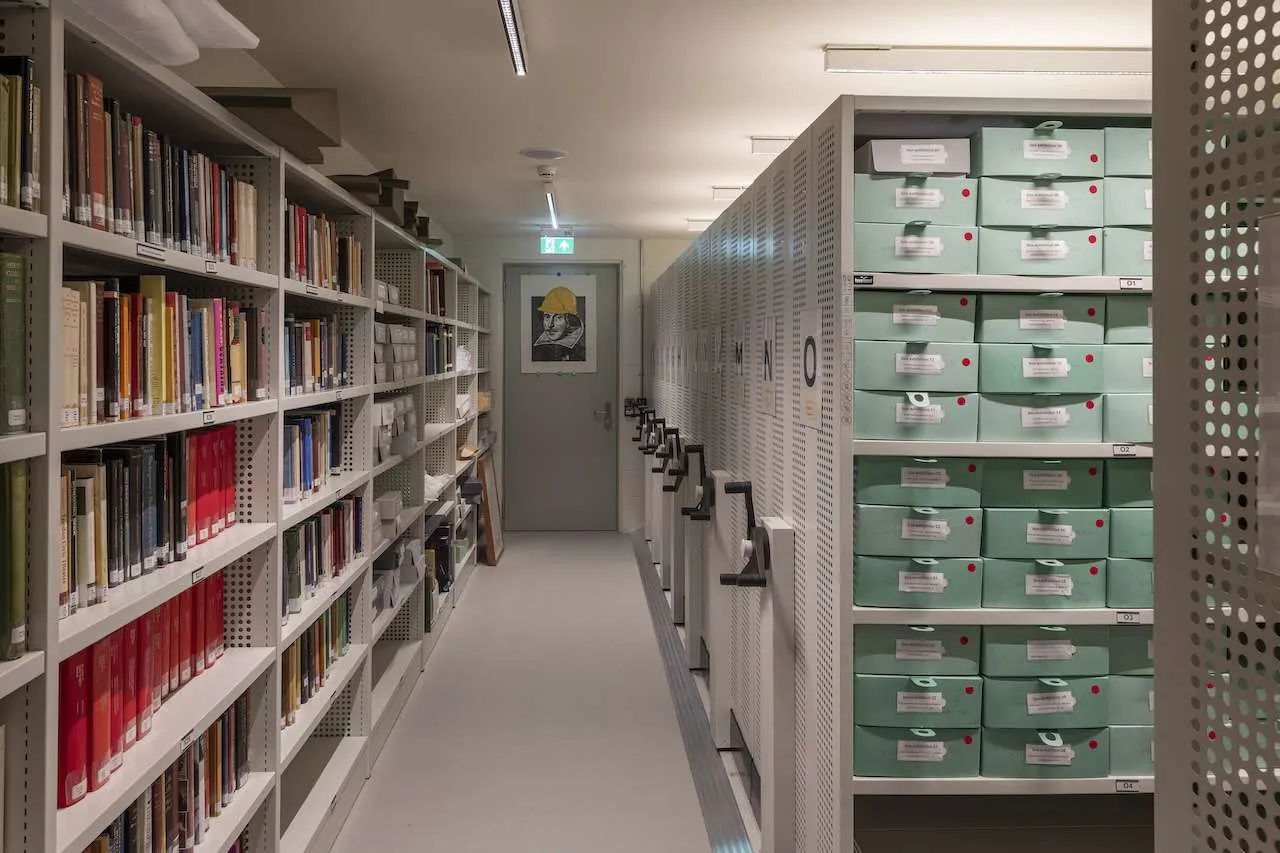
Shakespeare’s Globe opens Research and Collections Centre, with dedicated Shakespeare library

Shakespeare’s Globe announces cast for new play The Animals Come to the Table
Latest News

Everything you need to know about The Traitors: Acts of Betrayal in London
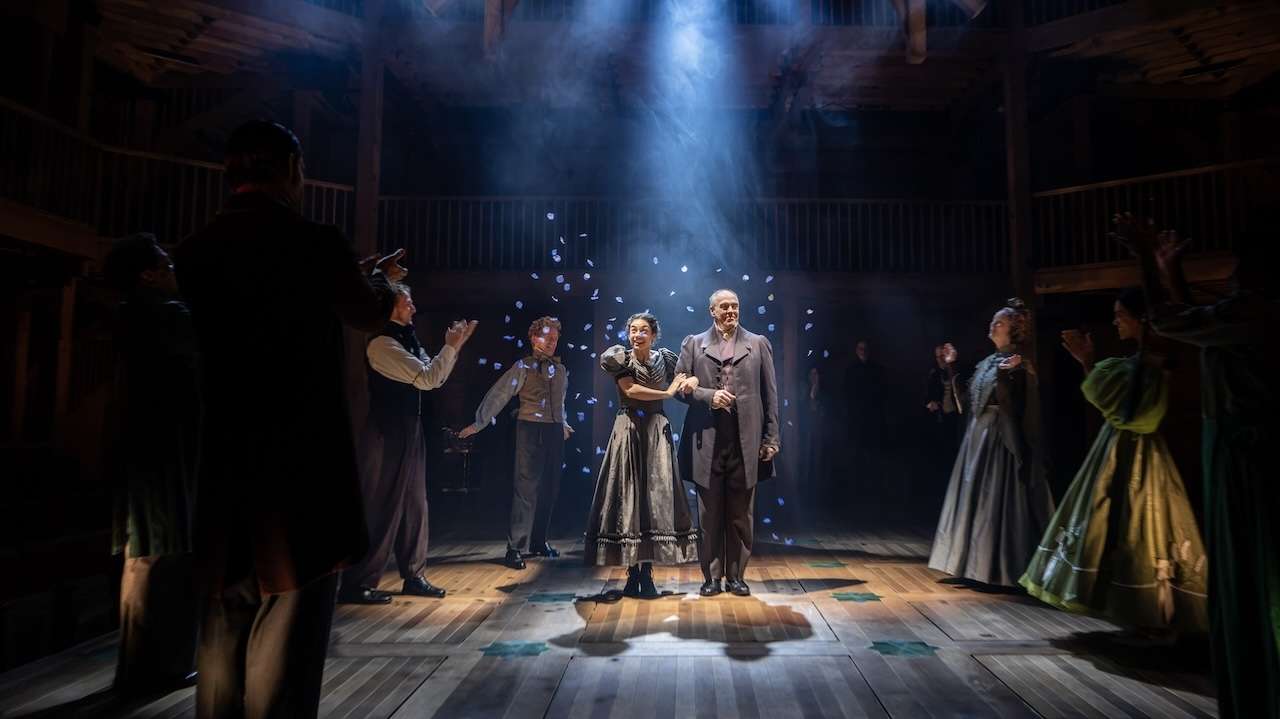
Nina Raine’s sweeping new adaptation of Middlemarch arrives at the RSC: See brand-new images from the production
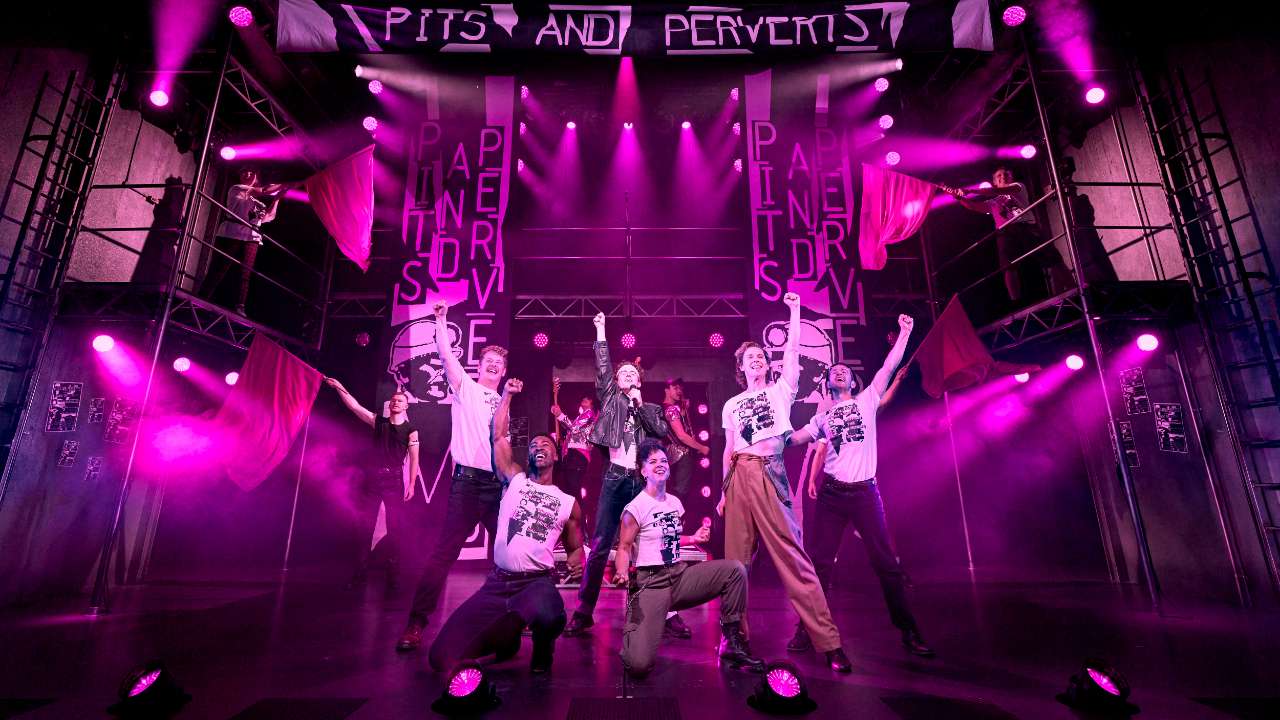
What to expect from Pride the Musical ahead of highly anticipated transfer to the Bridge Theatre