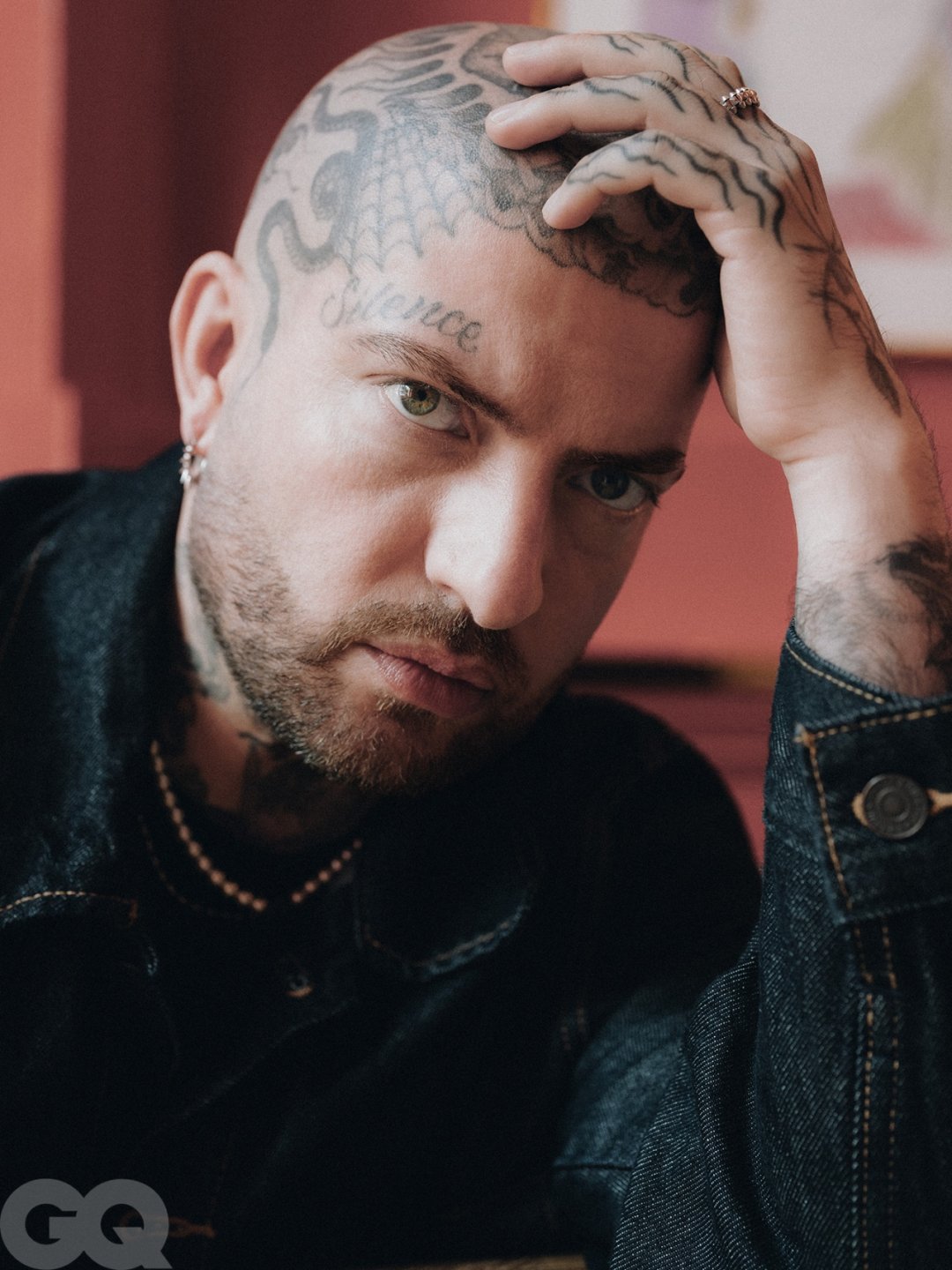
In a new British GQ interview director Jamie Lloyd sets out his thinking behind Evita’s headline‑grabbing balcony performance — and why his minimalist, camera‑conscious staging aims to make audiences “co‑authors” of the show.
Jamie Lloyd has defended the most talked‑about moment in his new production of Evita at the London Palladium — Rachel Zegler stepping outside the auditorium to sing “Don’t Cry for Me Argentina” from the theatre’s façade, insisting the choice is rooted in story, not spectacle.
“There has to be a dramaturgical reason for everything on the stage,” he tells British GQ. “It’s never a gimmick for the sake of it.” The interview, by David Levesley and published in British GQ this month, reflects on the show’s buzzy preview period and the debate the balcony moment has sparked across theatreland.
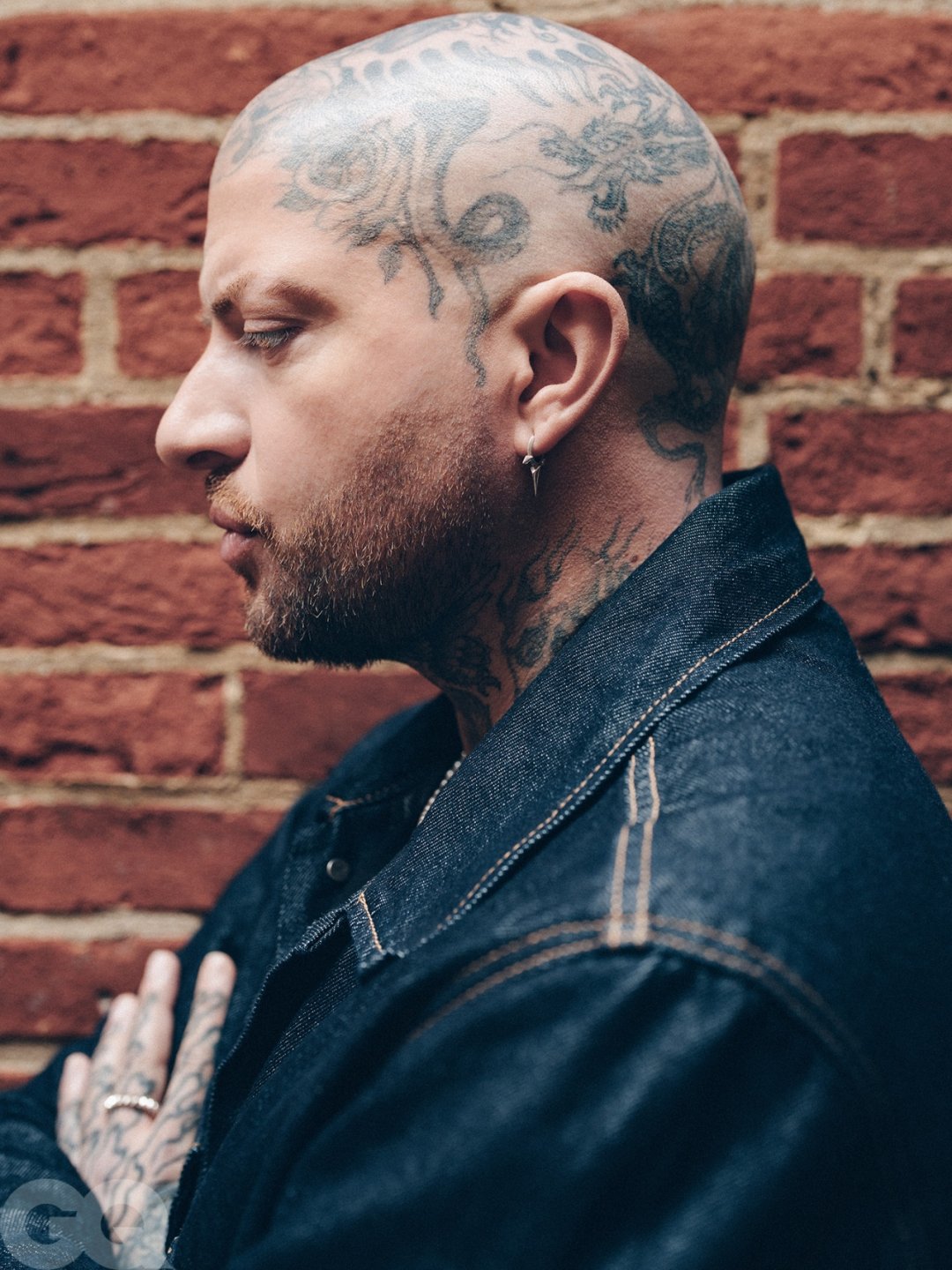
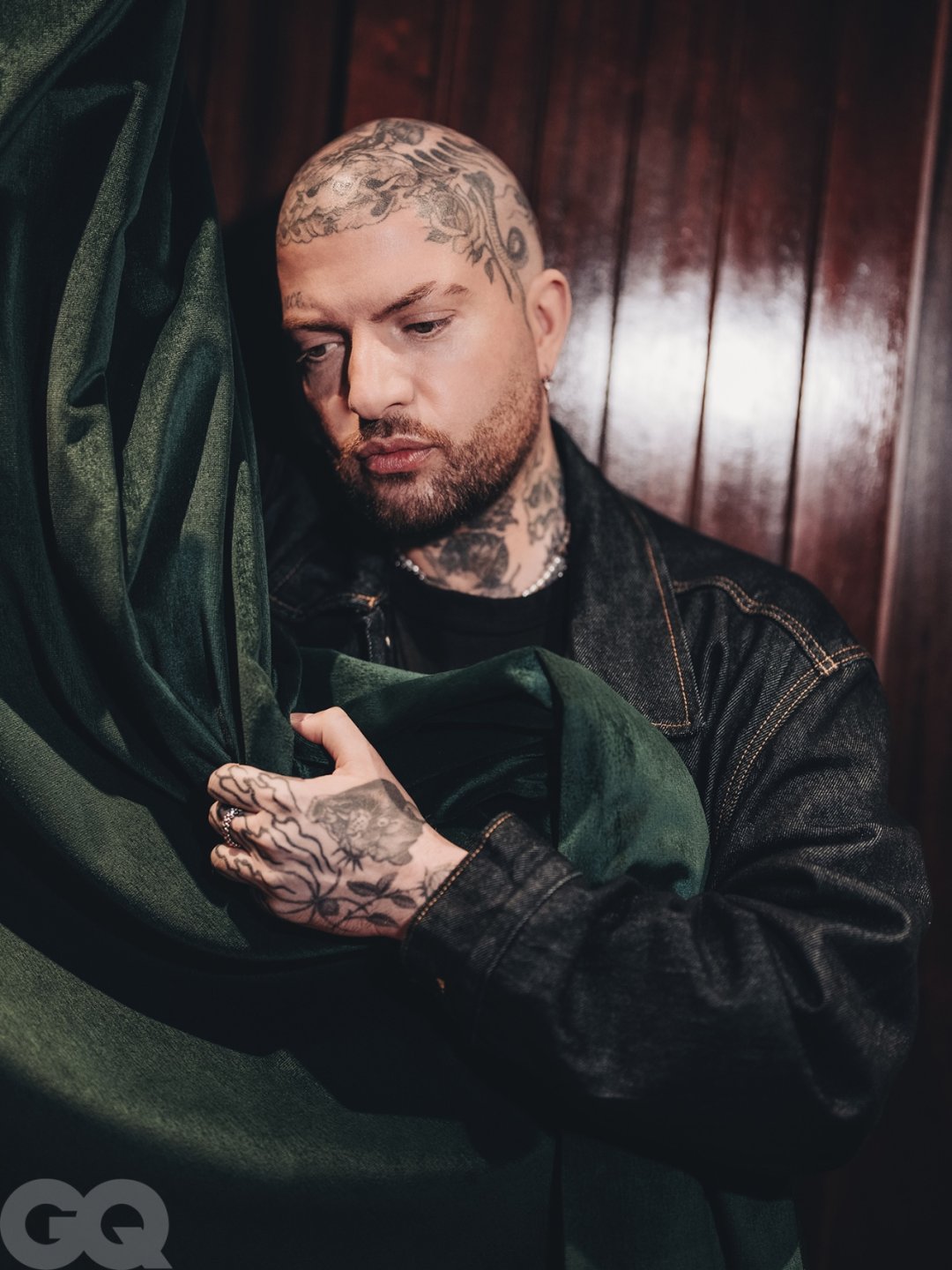
Jamie Lloyd for British GQ
Photos by Josh Upton
Lloyd frames the sequence as a public address from Eva Perón, deliberately staged for those beyond the paying crowd. “It’s a broadcast, it’s an inauguration,” he says — one that fits a production where cameras and live relay are used to fold the outside world into the stage picture. Inside the Palladium, audiences watch the number via a multi‑camera feed; outside, passers‑by are given a once‑in‑a‑lifetime free encounter with a musical‑theatre icon.
The director also argues that the choice reframes Eva’s populist message. The live pan from Zegler to the real‑life crowd, he suggests, conjures a Casa Rosada that’s “more real than any set,” collapsing the distance between performance and politics. For Lloyd, the point is intention and narrative logic: it “doesn’t have to make sense literally,” so long as it makes sense theatrically.
Beyond Evita, the profile sketches how Lloyd’s aesthetic, stripped‑back stages, star casting used with purpose, close‑miked intimacy and strategic video, has evolved across hits like Betrayal, Cyrano de Bergerac, A Doll’s House, Sunset Boulevard and Romeo & Juliet. He recalls a pivotal Pinter season that sharpened his taste for precision, while collaborators such as James McAvoy and Zawe Ashton praise his ability to build “communal experiences” where the audience leans in.

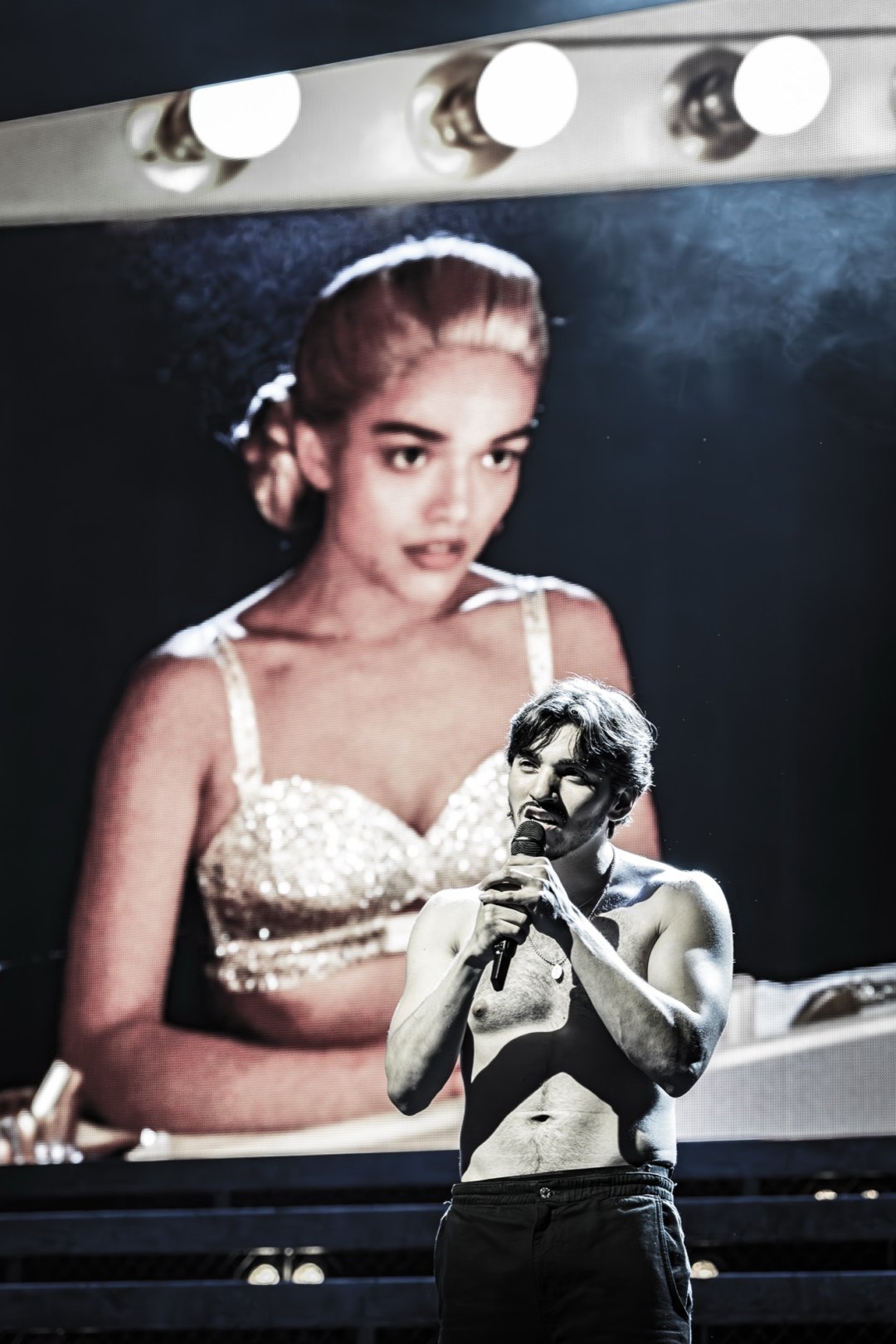

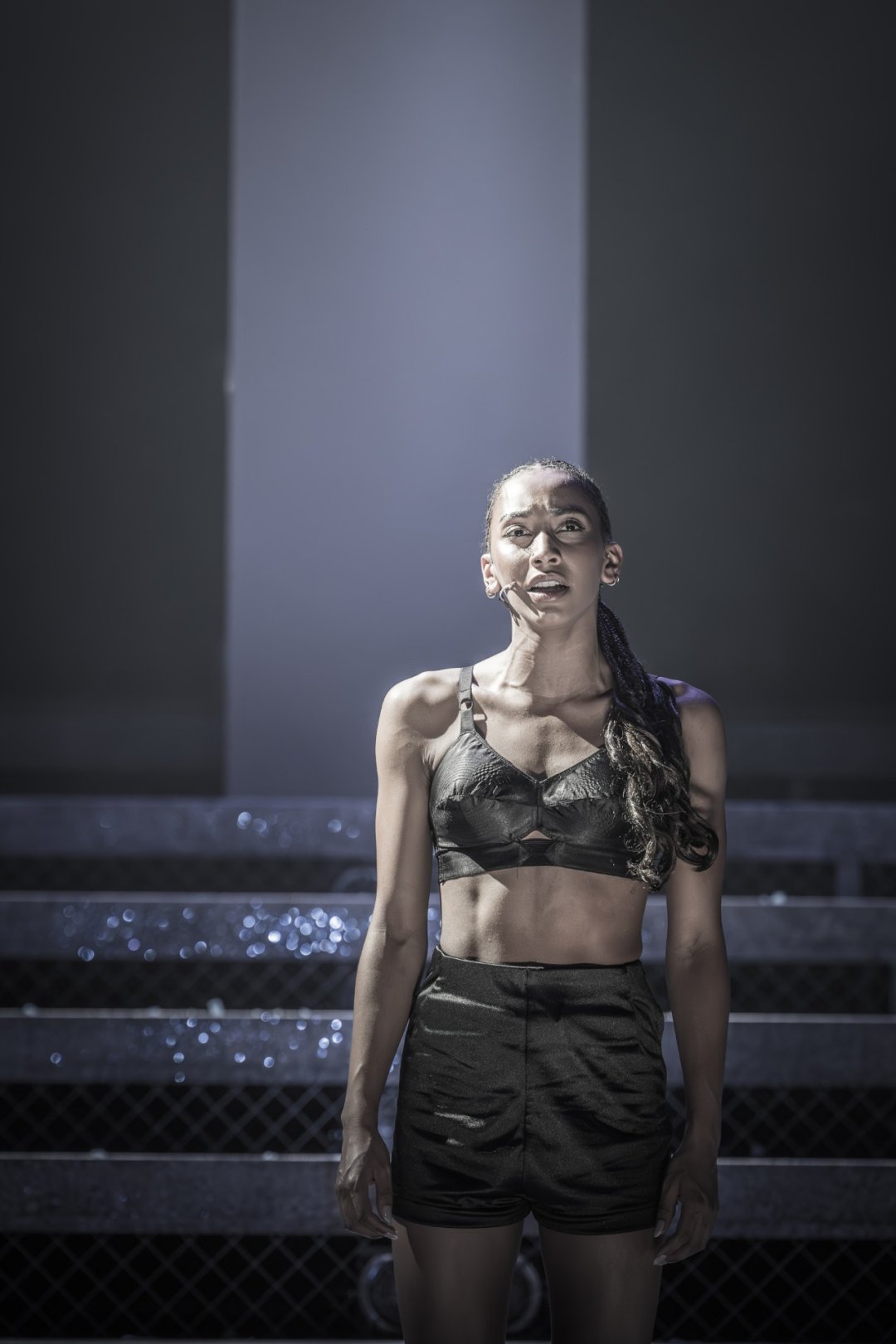


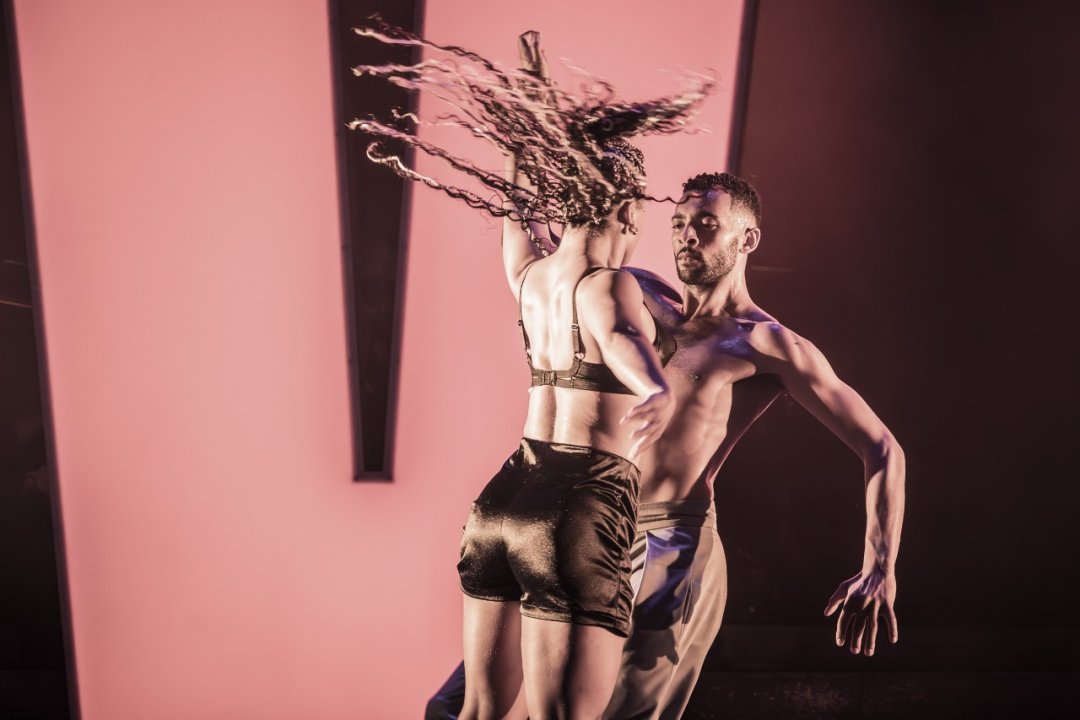


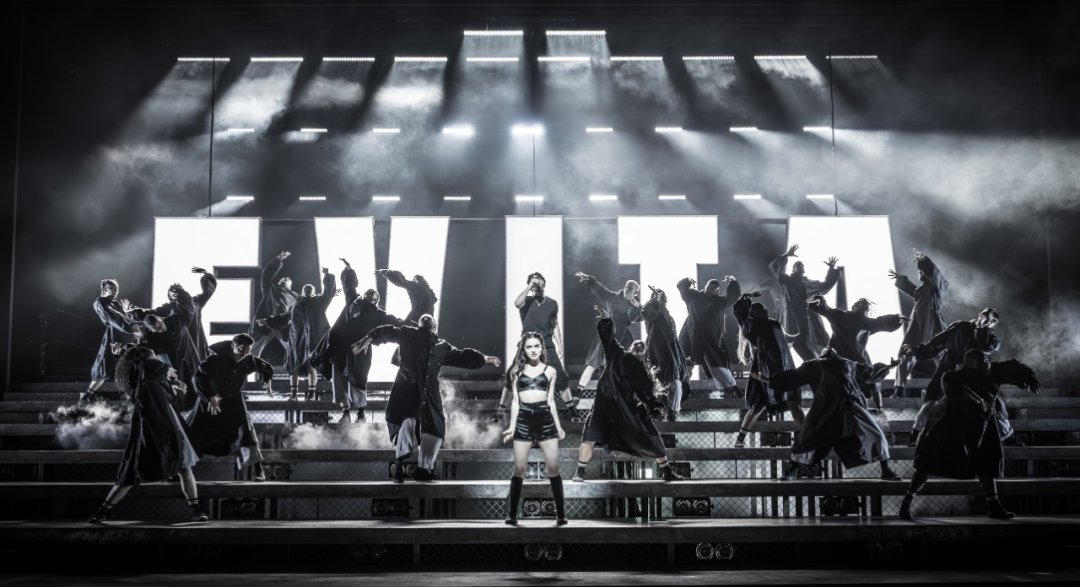

See more photos and videos of EVITA >
That ethos underpins Evita’s detail‑driven rehearsal room. Lloyd describes spending hours justifying moments that might pass in seconds — like introducing the Mistress earlier so “Another Suitcase in Another Hall” lands with dramatic logic rather than surprise. It’s part of holding a bold, minimalist form to strict internal rules: if you strip away naturalism, the choices must read with absolute clarity.
The balcony sequence in Evita, which initially had parts of the industry “wringing their hands,” has become the flashpoint for wider arguments about modern revival practice: is this rock‑opera spectacle or rigorous storytelling? Lloyd’s answer, given here, is firmly the latter — and he’s keen to point out that the in‑auditorium experience is hardly diminished, with the famous Act 2 opening number captured by “a half‑dozen different HD cameras” to heighten intimacy and detail.
Certainly audiences have taken to Lloyd’s production, both in terms of ticket sales and the nightly crowds outside the theatre, as have critics: the show has enjoyed incredible reviews from London’s theatre critics.
Post-Evita, Lloyd’s schedule is packed, with a forthcoming Broadway revival of Waiting for Godot starring Keanu Reeves and Alex Winter; Lloyd switching from Andrew Lloyd Webber revivals to a brand new show, with Lloyd directing Lloyd Webber’s The Illusionist in London next September; and the persistent rumour that Evita is heading to Broadway with Rachel Zegler, and sooner rather than later.
EVITA booking information
Evita stars Rachel Zegler as Eva Perón, leading Jamie Lloyd’s radical re‑imagining of Andrew Lloyd Webber and Tim Rice’s classic musical.
EVITA is running at the London Palladium until 6 September 2025.
Book tickets to EVITA at the London Palladium
The most talked-about director in British theatre tells GQ why he brought “Don’t Cry For Me Argentina” out of the auditorium and onto the streets of London
Related News

Rachel Zegler announces return to London for first concert residency at @sohoplace in January 2027
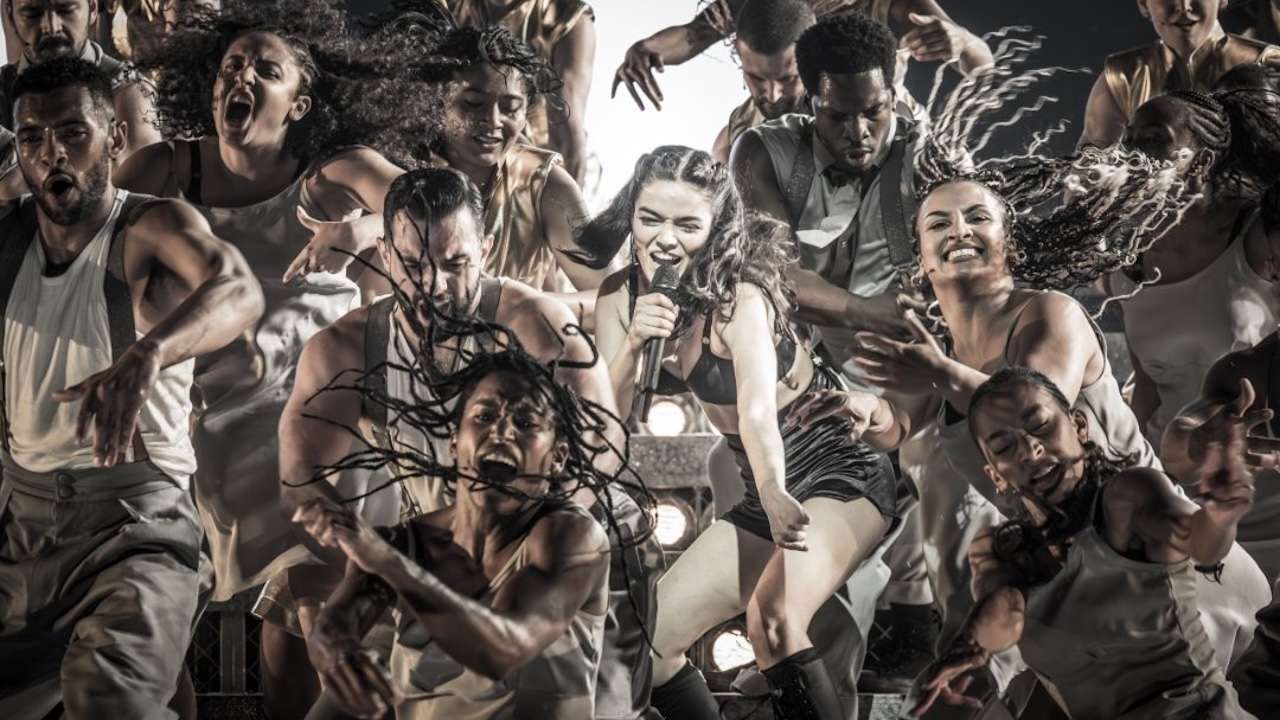
Rachel Zegler’s EVITA: The Full Album is here, just in time for Broadway transfer

Full cast announced for Jamie Lloyd’s Much Ado About Nothing Broadway transfer starring Tom Hiddleston & Hayley Atwell
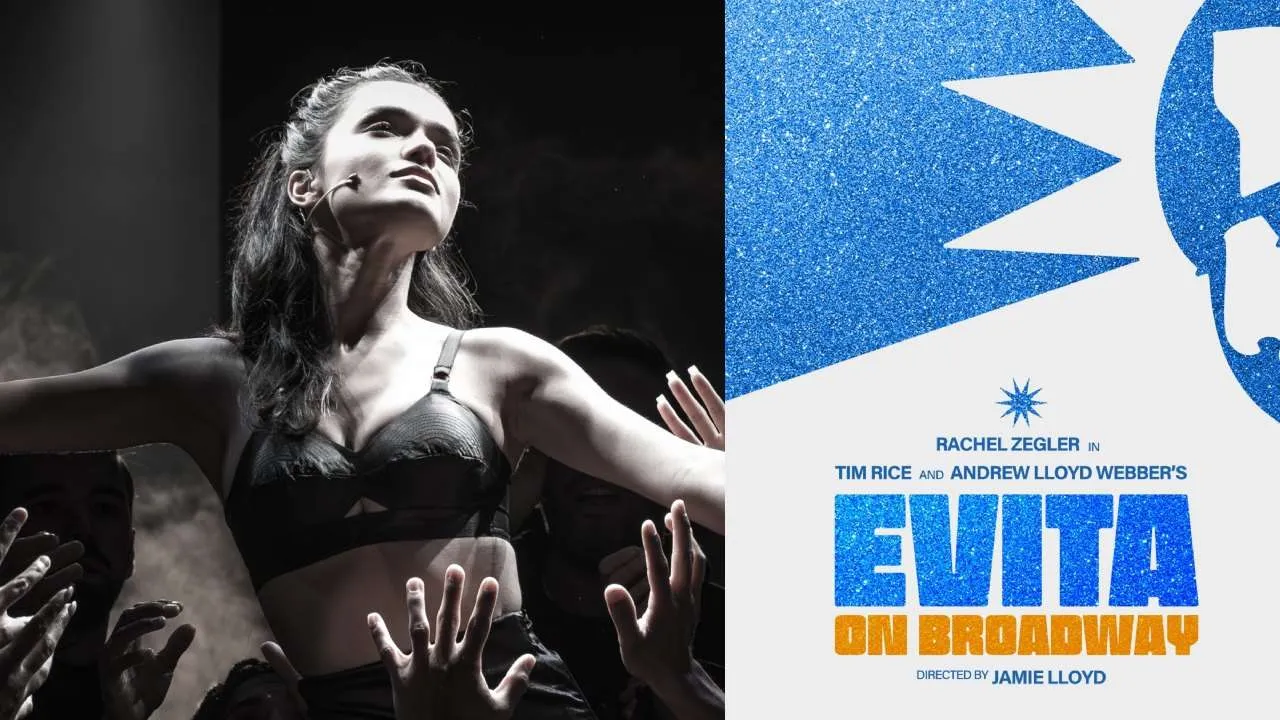
Rachel Zegler to lead Jamie Lloyd’s EVITA to Broadway in 2027
Latest News

Everything you need to know about The Traitors: Acts of Betrayal in London
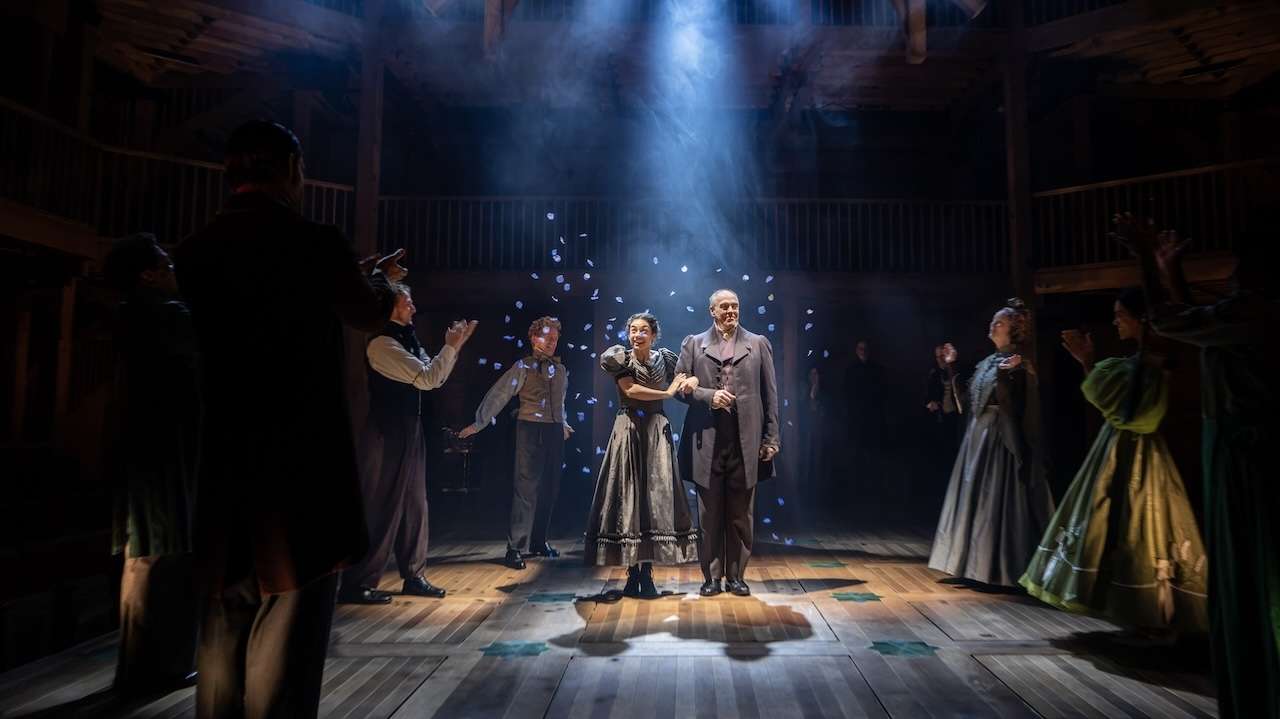
Nina Raine’s sweeping new adaptation of Middlemarch arrives at the RSC: See brand-new images from the production
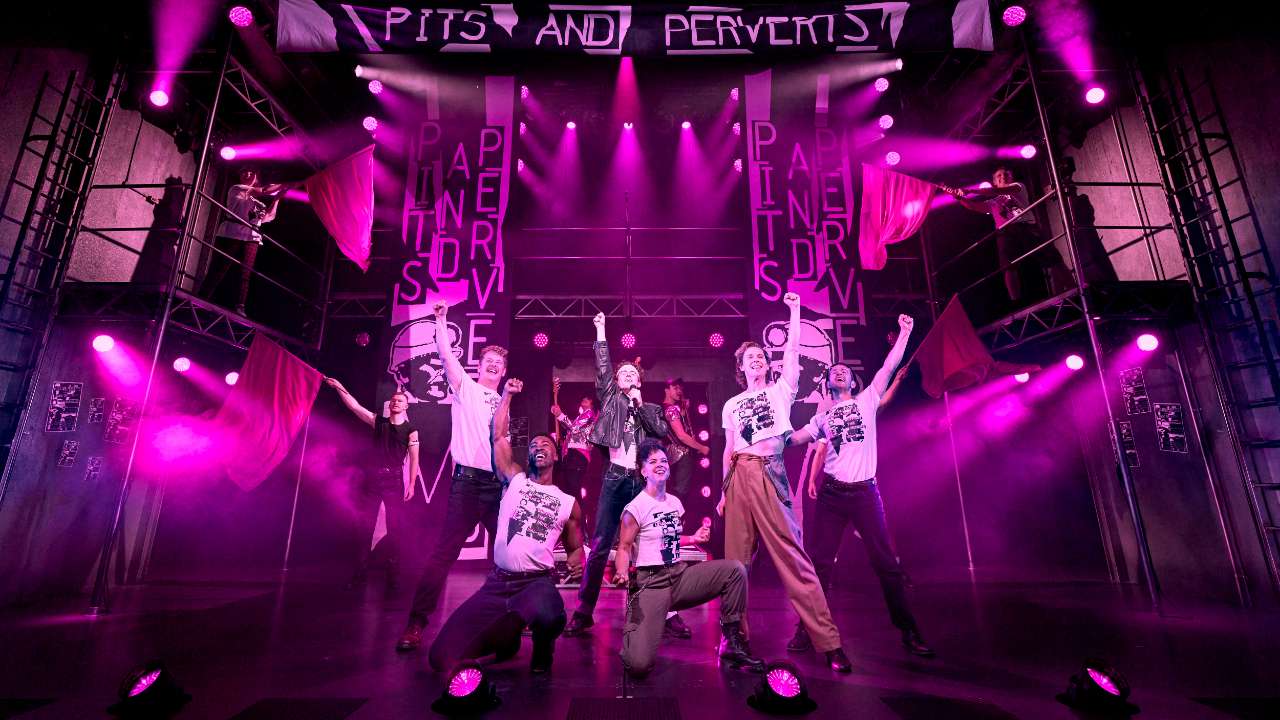
What to expect from Pride the Musical ahead of highly anticipated transfer to the Bridge Theatre