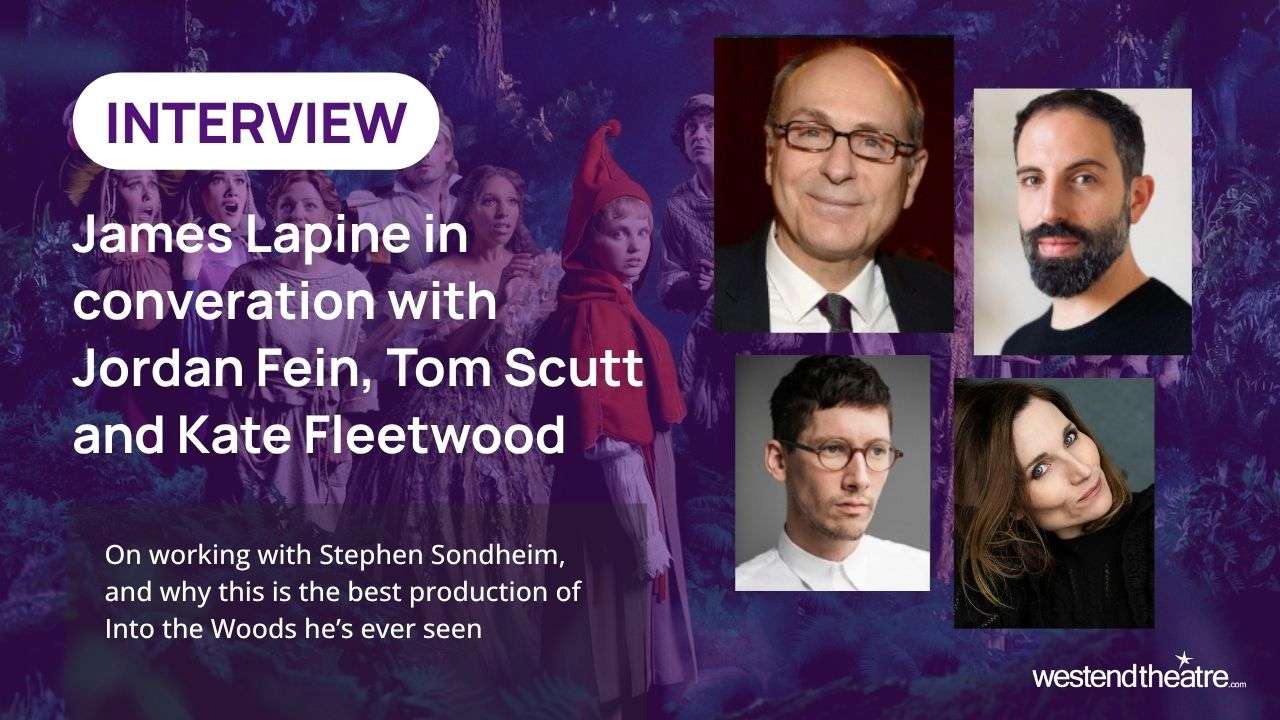

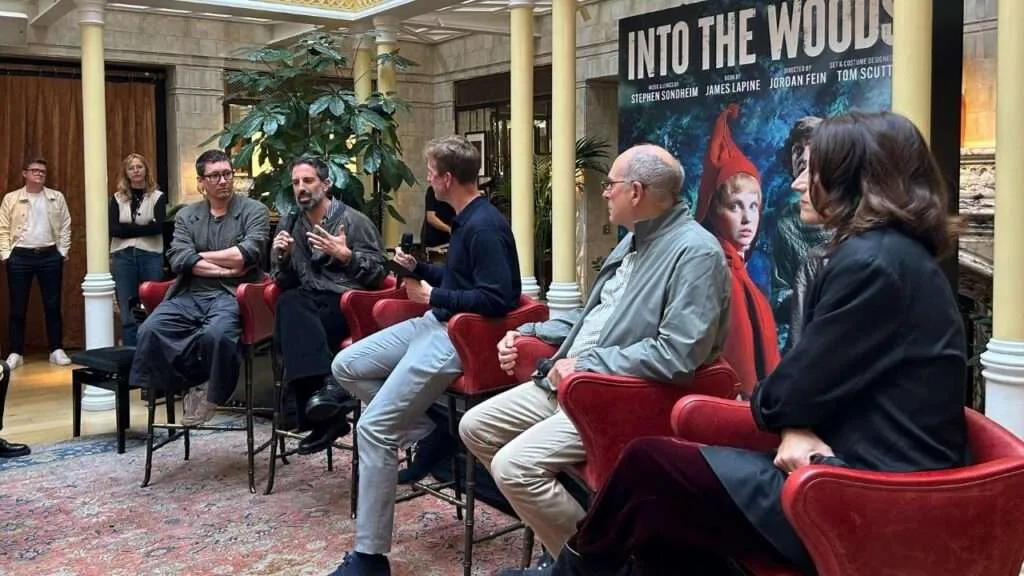
Playwright, librettist and frequent Stephen Sondheim collaborator James Lapine joined a panel discussion all about Into the Woods with director Jordan Fein, designer Tom Scutt and actress Kate Fleetwood. Lapine shared the surprising origin story of how the musical came to be and revealed why he considers this new staging the best production of the show he has ever seen.
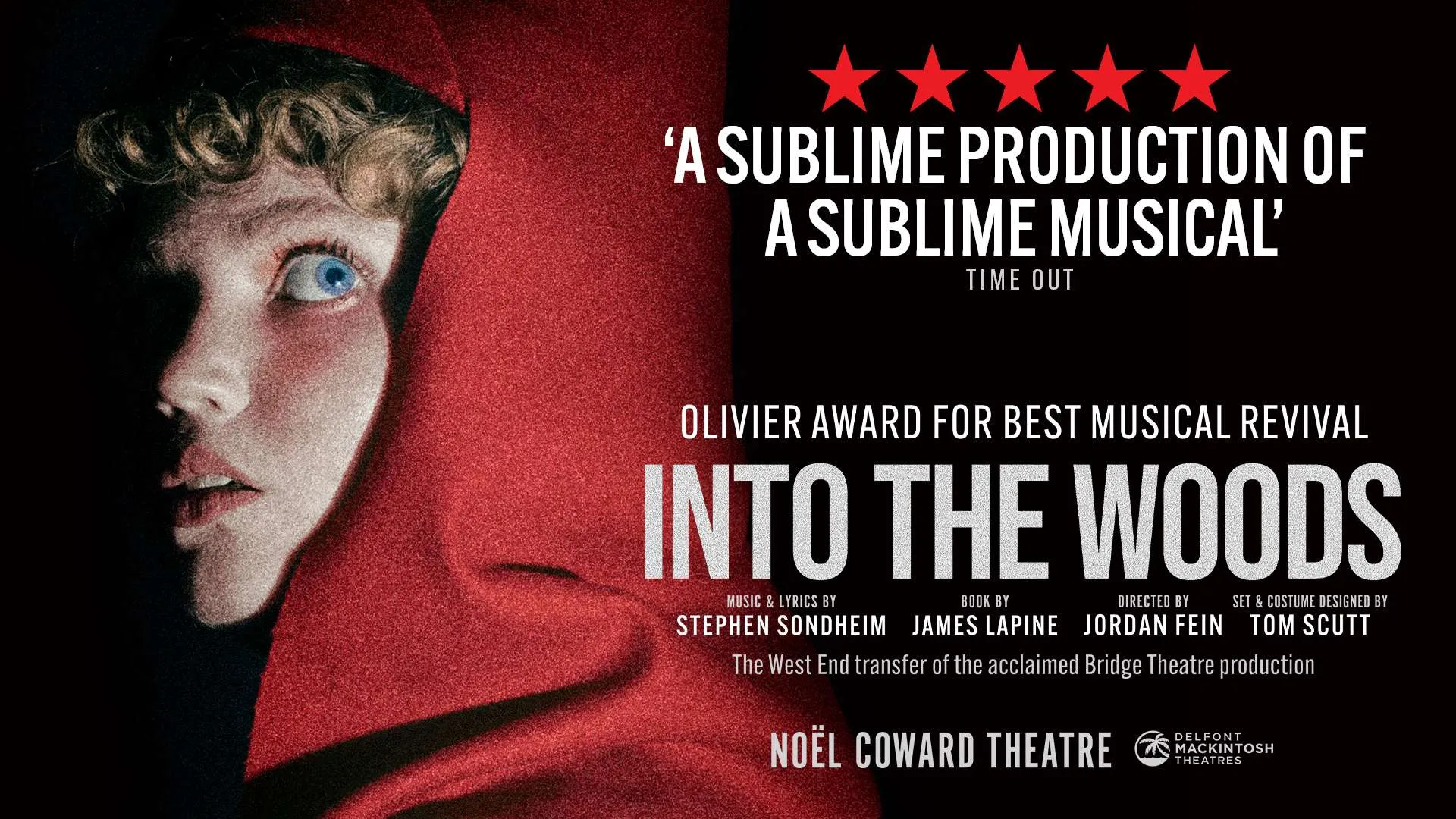
The Bridge Theatre’s production of Into the Woods is set to take the West End by storm when it transfers to the Noël Coward Theatre from 22 September, following a sold-out season. It’s one of the highly anticipated productions still to come in 2026. Ahead of previews, writer James Lapine (Into the Woods, Falsettos, Sunday in the Park with George) joined director Jordan Fein (Fiddler on The Roof), designer Tom Scutt (Cabaret) and actress Kate Fleetwood (London Road) who stars as The Witch, to discuss the much beloved musical.
See live availability for Into the Woods at the Noël Coward Theatre here
Sondheim’s unexpected career switch
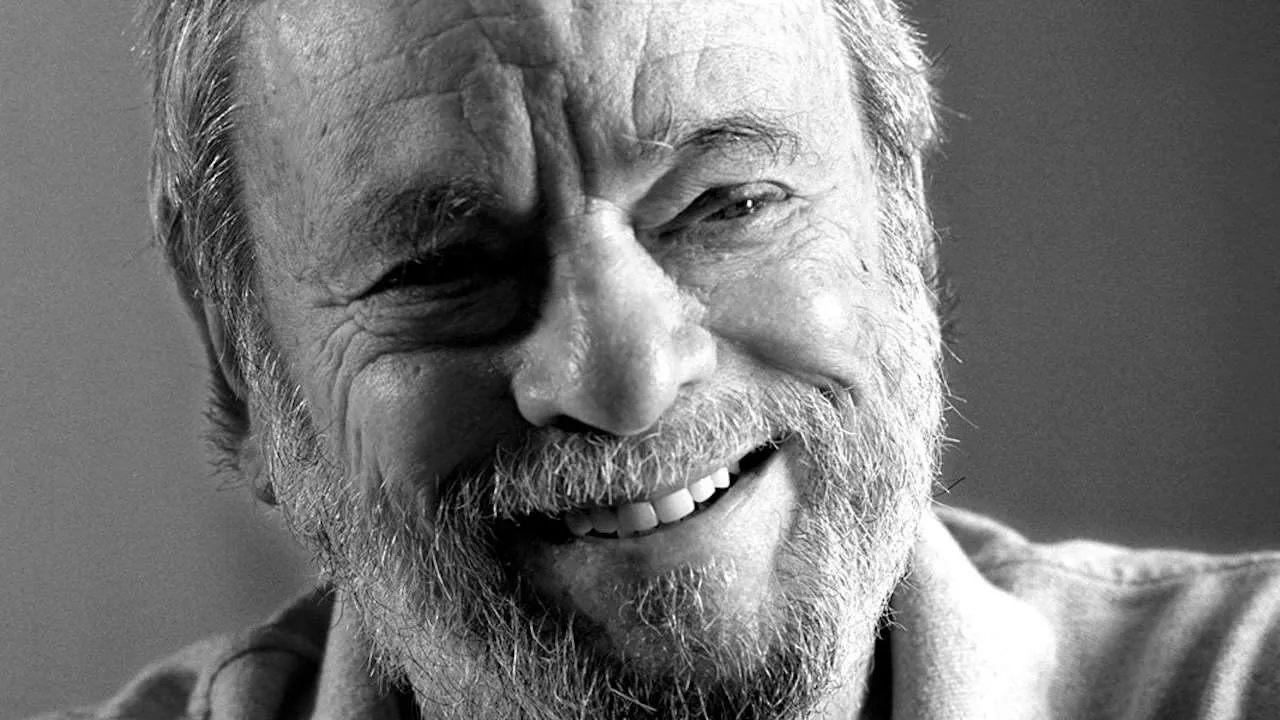
When asked about how Into the Woods came to be, Lapine revealed that has revealed that the musical almost never got written, because his late collaborator Stephen Sondheim was seriously considering leaving musical theatre behind for video games at the time.
“We had done Sunday in the Park, and we started discussing ideas, and Steve at the time was, believe it or not, very interested in doing video games,” Lapine explained. “Before I met him, and before we did Sunday, he was coming off Merrily We Roll Along, which at the time was a big flop […] but he was deciding he was going to do video games instead of writing musicals. Fortunately, that never worked out.”
Merrily We Roll Along has, of course, seen recent acclaim, with Daniel Radcliffe, Jonathan Groff and Lindsay Mendez starring in an Off-Broadway revival that then transferred to Broadway for a sell-out season. The revival also took home several Tony Awards, Outer Critics Circle Awards, Drama League Awards and a special honour at the New York Drama Critics’ Circle Awards.
The myth of happily ever after
Lapine also shared more detail about how the musical came to be. He and Sondheim were “spitballing, is what he would call it,” when Lapine shared another idea he’d been thinking about: “I was talking about this other idea I had about doing a TV special where I brought back all the characters that I had watched as a kid […] But it spun into this idea of writing a fairy tale.”
He described how the show grew out of his own fascination with fairy tales and Jungian psychology, in contrast to Sondheim’s more limited familiarity with the genre. “Steve said, well, the only thing I know about fairy tales are the Disney cartoons. And I said, well, you’ve never read the Brothers Grimm, or Perrault.”
What began as an original fairy tale penned by Lapine soon expanded, once Lapine realised the format needed more scale, into a first act combining multiple classic tales and a second act subverting the ‘happily ever after’ myth.
He also recalled deliberately telling Sondheim the opening number would be impossible to write, purely to spur him into action: “You tell him there’s something he can’t do, he’s going to do it. And that’s the first thing he did, which is an incredible piece of composition.”
A generation’s introduction to theatre
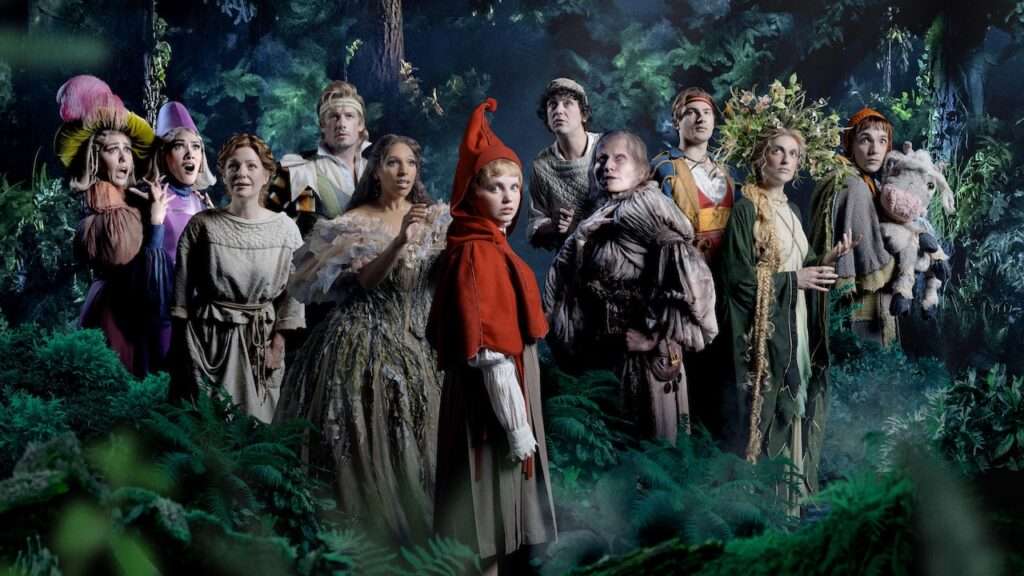
Following Lapine, Jordan Fein reflected on Into the Woods’ place in the lives of a generation of theatre lovers who grew up with the show, many of whom now want to share it with their own children, and nieces and nephews.
Asked what drew him to directing this production, Fein called it a dream come true. Rather than trying to reinvent the show, he said his focus was on thoroughness: “I wasn’t thinking about making it fresh. I was thinking about making sure I left no stone unturned with what’s there.”
He credited much of that process to casting a company of 17 performers, each bringing their own presence to the ensemble: “Everyone is so buoyant. And it just, you need 17 artists on that stage, fully fledged humans that are bringing their own special thing to it. And I think that for me was how to make it feel fresh.”
Transforming the stage into a magical forest
Designer Tom Scutt spoke about why the Bridge Theatre was the ideal home for such a technically demanding production. “The Bridge has really made a name for itself in terms of, it’s this incredible box, this incredible machine that can do anything,” he said, adding that the venue has become increasingly prominent from a design standpoint because it’s “this incredible machine that can do anything.”
He went on to describe some of the process of translating the musical’s setting, given that it is “a very, very detailed piece” requiring careful technical planning. He explained that their approach was to feel immersive without having to be literal. “I think immersive has become a very strange world in the 2020s… it doesn’t necessarily need to be right next to you,” he explained. “I think our challenge and our hope was that we can open a portal and still take you into a magical place, even though it’s happening over there.”
One of the production’s biggest structural choices, Scutt revealed, was to resist the urge to constantly change scenery as the story moves through different areas of the woods. “You naturally go to, we need to move on, we need to move on scenically. We have to keep moving,” he said. “I think we’ve actually cut a significant amount of time off the show just by not doing that, but by using lighting and video as a way to completely transform the same location.”
He added that staying within a single environment allowed the team to invest more deeply in the forest’s detail and believability: “The forest becomes a character that you live with and you come back to and see what’s happened to that character.”

Book tickets for Into the Woods here
Listening as a discipline
West End darling Kate Fleetwood, who starred as The Witch in the Bridge Theatre production and will reprise her role in the West End, spoke about the demands of Sondheim’s work, known for its complex layering, and its density. Into the Woods, in particular, features several numbers where the fairy tale characters’ themes interlock and overlap.
Fleetwood explained that the richness of the text was central to why she wanted to bring the production to the West End: “I would never have not wanted to come to the West End with it because it’s such a rich text. And every time I sing each song, even if the scenes are very small, they’re very, very dense and very, very rich.”
The actress also echoed Fein’s comments about just how important the company is. “Every show I do, it’s an ensemble. It’s a company of actors making something together,” she explained. “What’s brilliant about a new ensemble is that really what that does, it sort of manifests the discipline of listening again… performing live every night, the job of an actor is to recreate every night fresh. And the tool for that, the biggest tool you can have is listening.”
She described the collective vulnerability of live performance as a company: “You’re sort of in its hands. You were at the end of the bullet on the gun when that goes… And then we’re all in, aren’t we? We’re all on the end of the bullet.”
“The best production I’ve ever seen, and I include my own”
In a particularly poignant moment, Lapine offered high praise for the new staging, calling it the best production of Into the Woods he has ever seen.
“There have been a zillion productions of it, and they’re great,” he said, “but what I love about this production [is] so many productions go away from what it is and have very abstract sets. What I think these two gentlemen did is the opposite. They went right into the show, deeper into the show than I’ve ever seen it, including my own production.”
Lapine also admitted he was moved to tears by the production’s opening night, reflecting on how much he still misses Sondheim, who died in 2021, and how the show brought back memories of his late collaborator. “I’m just thrilled with this production,” he said, “and I’m thankful for you guys and all the cast.”
Watch the full conversation here
Plan your visit to Into the Woods
- Theatre: Noël Coward Theatre
- Booking dates: 22 September 2026 – 9 January 2027
- Performance schedule: Monday to Saturday evenings, Wednesday and Saturday matinees
- Running time: 2 hours 40 minutes (including interval)
- Age range: 12+
Noël Coward Theatre, London
Related News
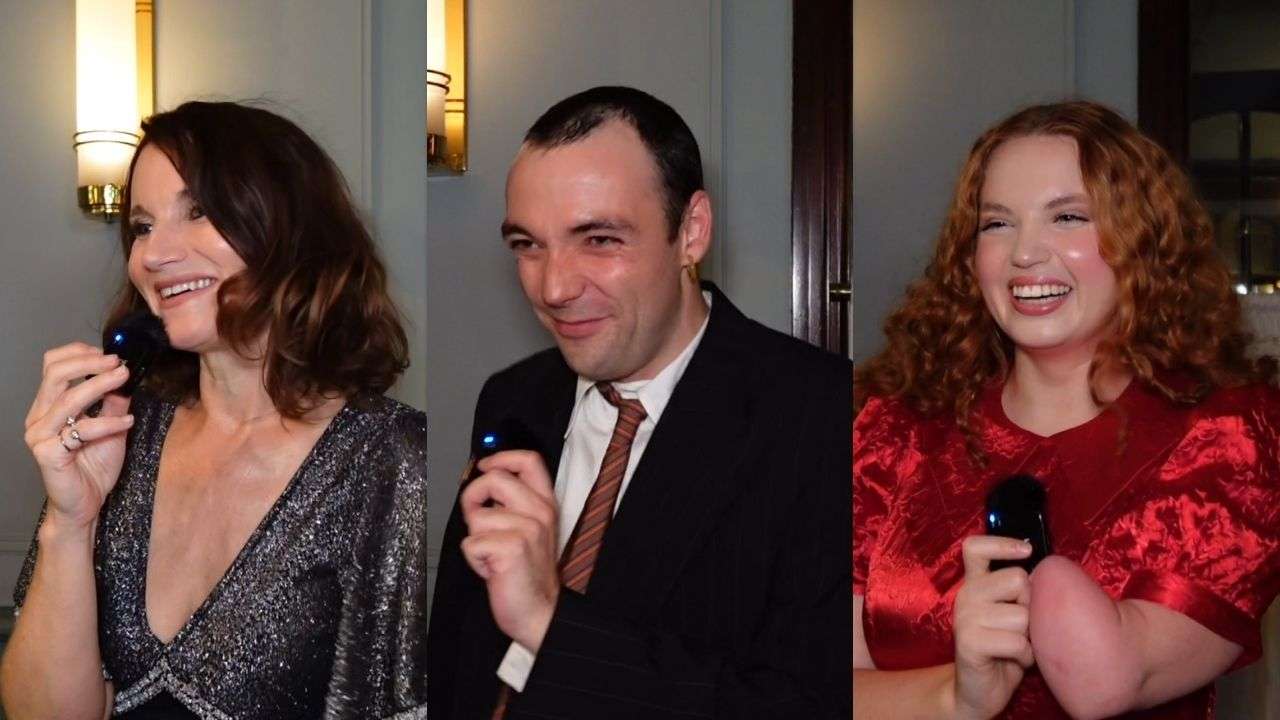
Rules for surviving the woods, from the cast of Into the Woods: Stay fed and keep your eyes open
Already seen Phantom, Les Mis or Hamilton? Here are the 6 West End shows to book next
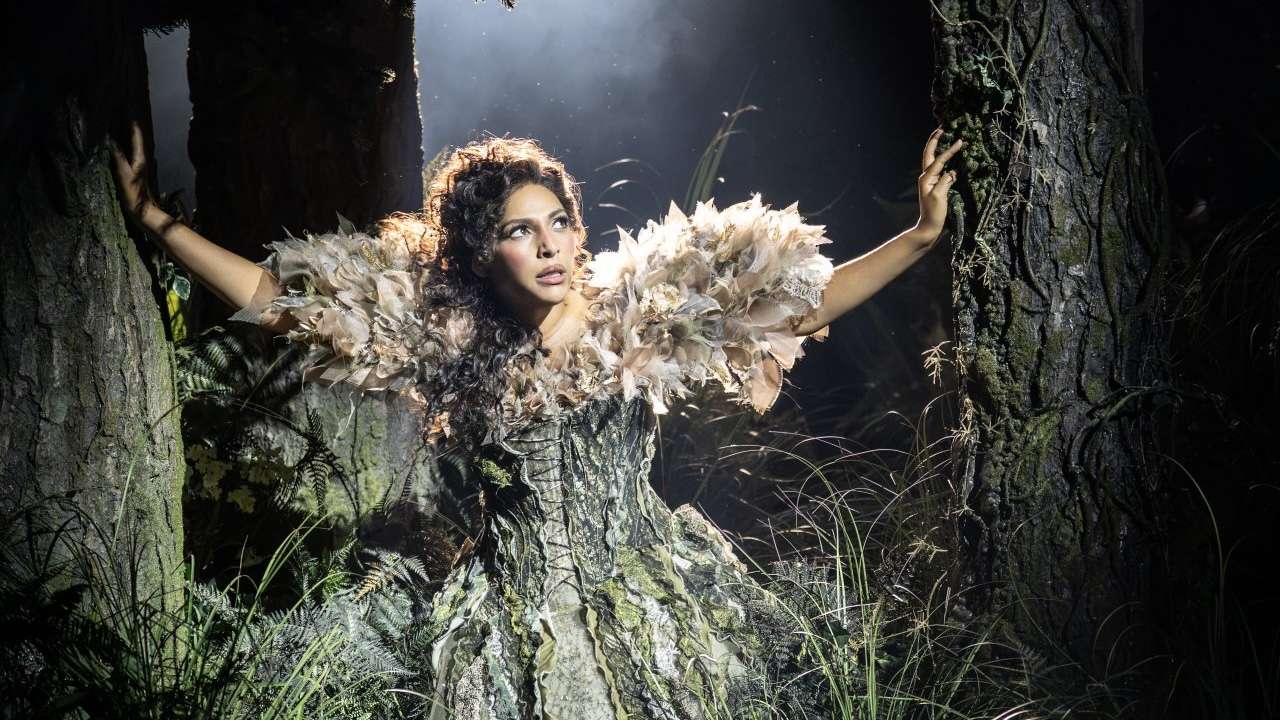
Into the Woods reviews: critics agree the West End transfer keeps its magic
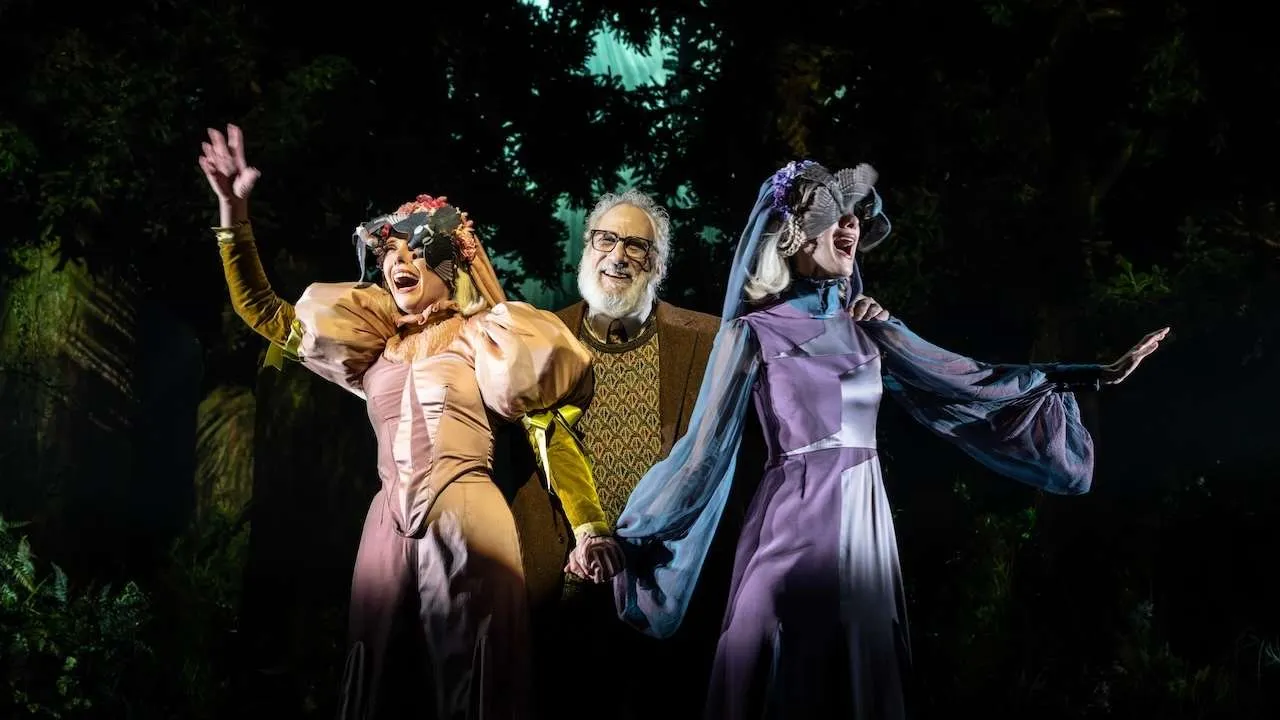
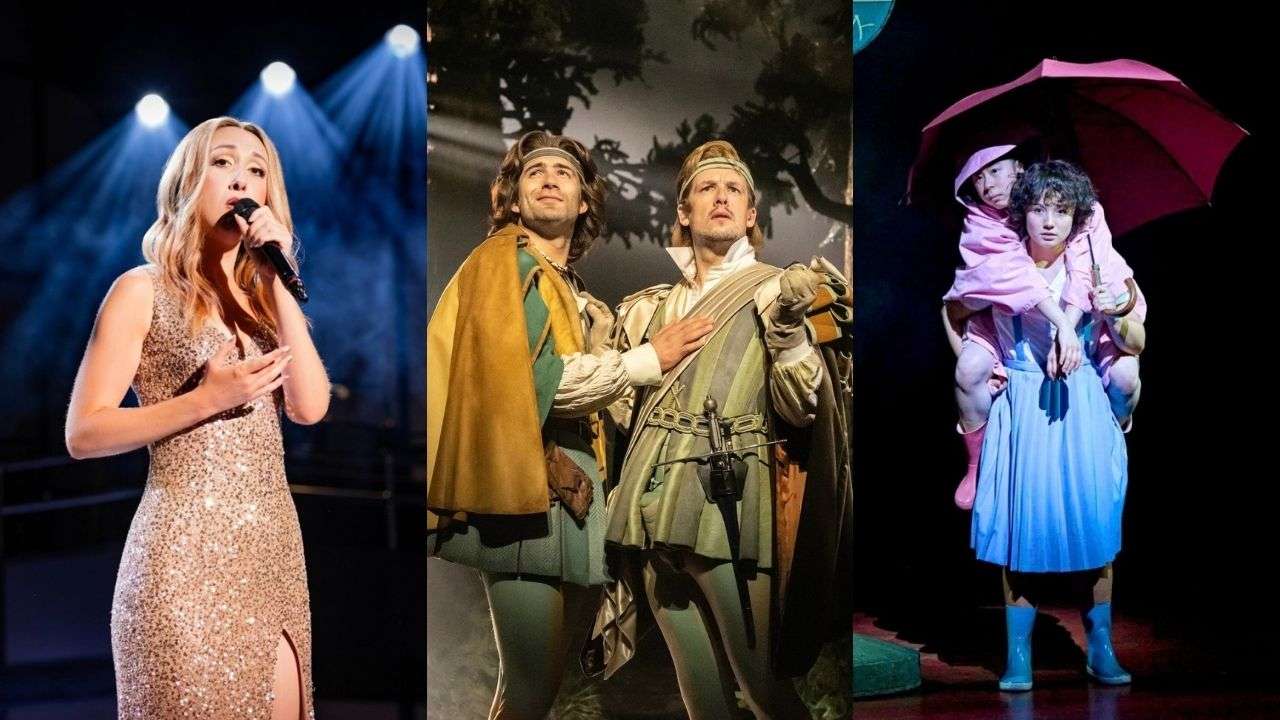
See newly released production images as Into the Woods casts its spell on the West End
Latest News
Everything you need to know about The Traitors: Acts of Betrayal in London
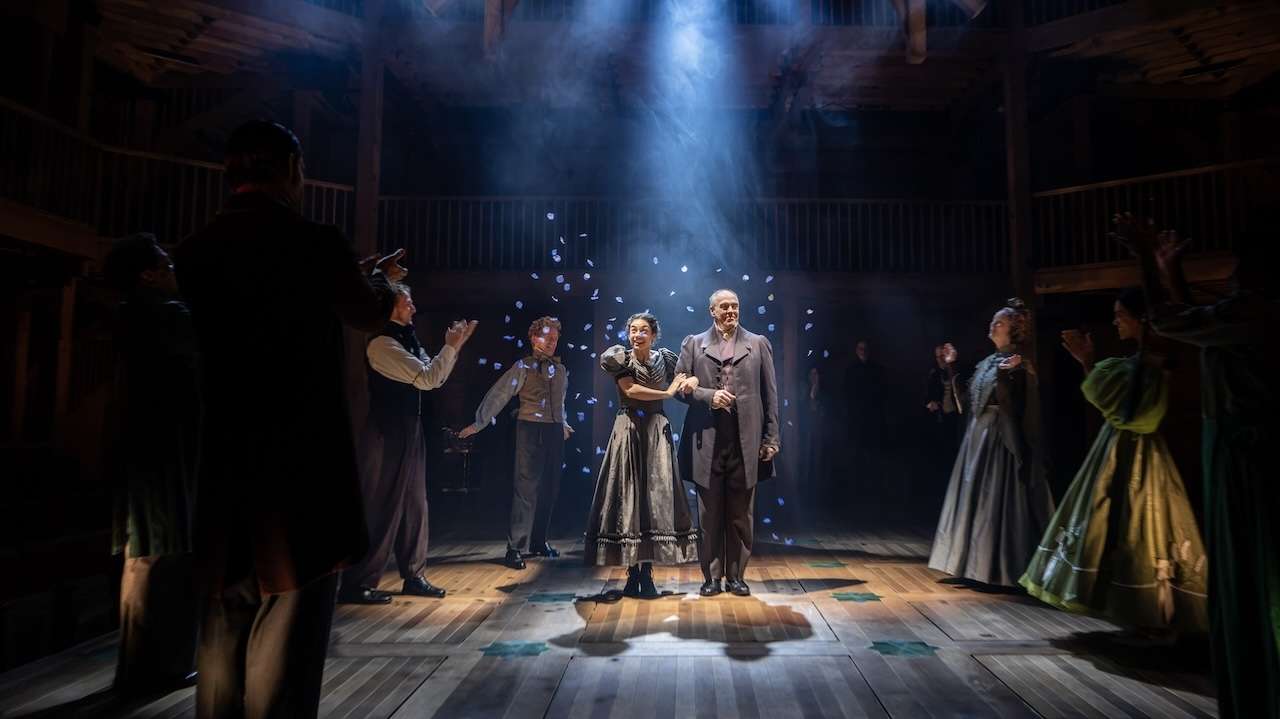
Nina Raine’s sweeping new adaptation of Middlemarch arrives at the RSC: See brand-new images from the production
What to expect from Pride the Musical ahead of highly anticipated transfer to the Bridge Theatre