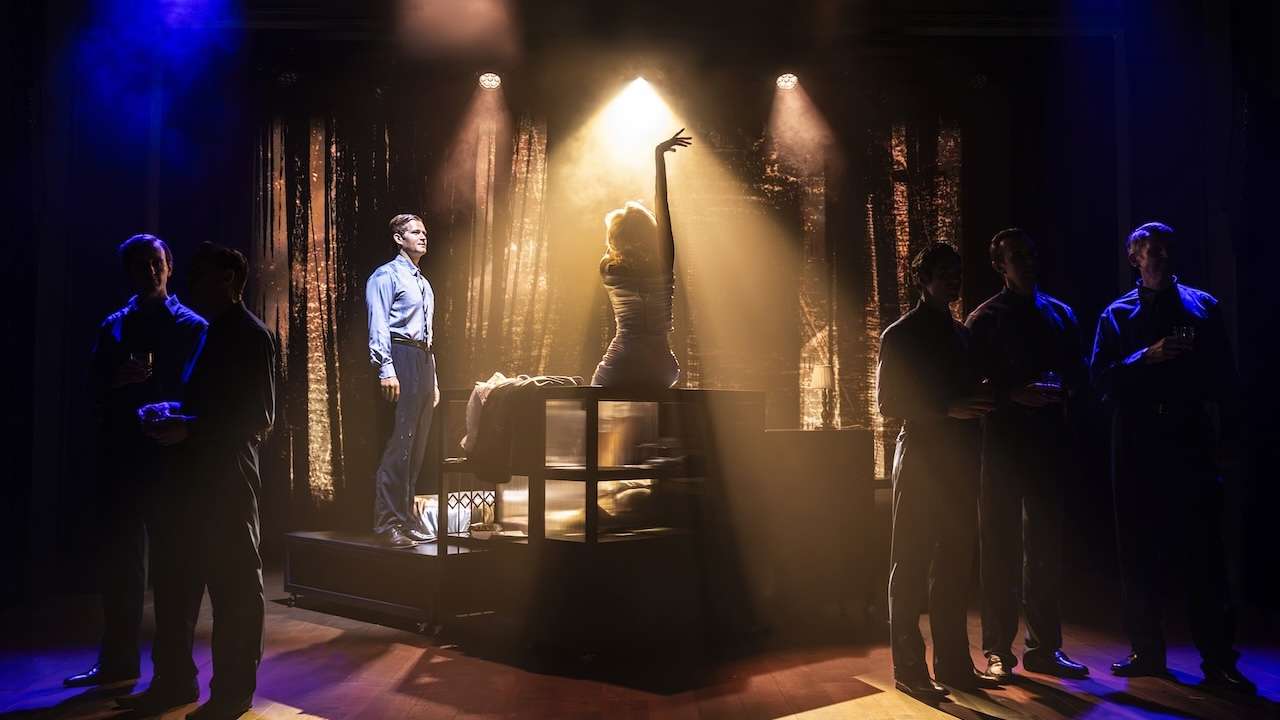

Pixie Lott stars as the blonde bombshell in a new production of Who Killed Marilyn? that challenges the most enduring myth surrounding one of the twentieth century’s most iconic women. Critics agree it doesn’t quite deliver what it says on the tin, leaning more into the sex heavy stereotype than the woman underneath.
Playing at the Emerald Theatre unto 29 October, Who Killed Marilyn? is directed by Philip Wm. McKinley, with a book by Sharleen Cooper Cohen. So far, critics have been frank in their opinions on the production, with most delivering a less than positive verdict.
Critics highlighted several aspects of the production as the reason for their lower ratings, but chief among them was that the depictions of Monroe don’t offer any new insights, nor does it present a version that’s very different from the bombshell label she wanted to move away from. Critics felt that the production leaned too heavily on conspiracy theories and rehashed plenty without offering any new insights
The verdict: Critics felt overall that this production fell short of what it promised, offering no real glimpse at the woman behind the bombshell persona.
Critic’s comparison
| Publication | Rating | The Key Takeaway |
| The Telegraph | ★★ | A wooden cast in a play largely devoid of energy |
| The Times | ★ | A comically inept conspiracy theory drama |
| The Standard | ★ | A cumbersome production that doesn’t look further than a pinup pose |
| The Guardian | ★ | An account of the superstar’s life never gets beyond cliche |
| BroadwayWorld | ★ | Cohen’s book leans into conspiracies directed with little cohesion |
The reviews: what fell flat for Who Killed Marilyn
- A script that was lacking: several critics felt that most of the script was rehashing myth without diving deeper into who Marilyn was. The Times called Cohen’s script ‘National Enquirer-style speculation’ while The Guardian commented that while brief snapshots are offered into her marriages, there was ‘no exploration of her first and potentially more illuminating marriage.’
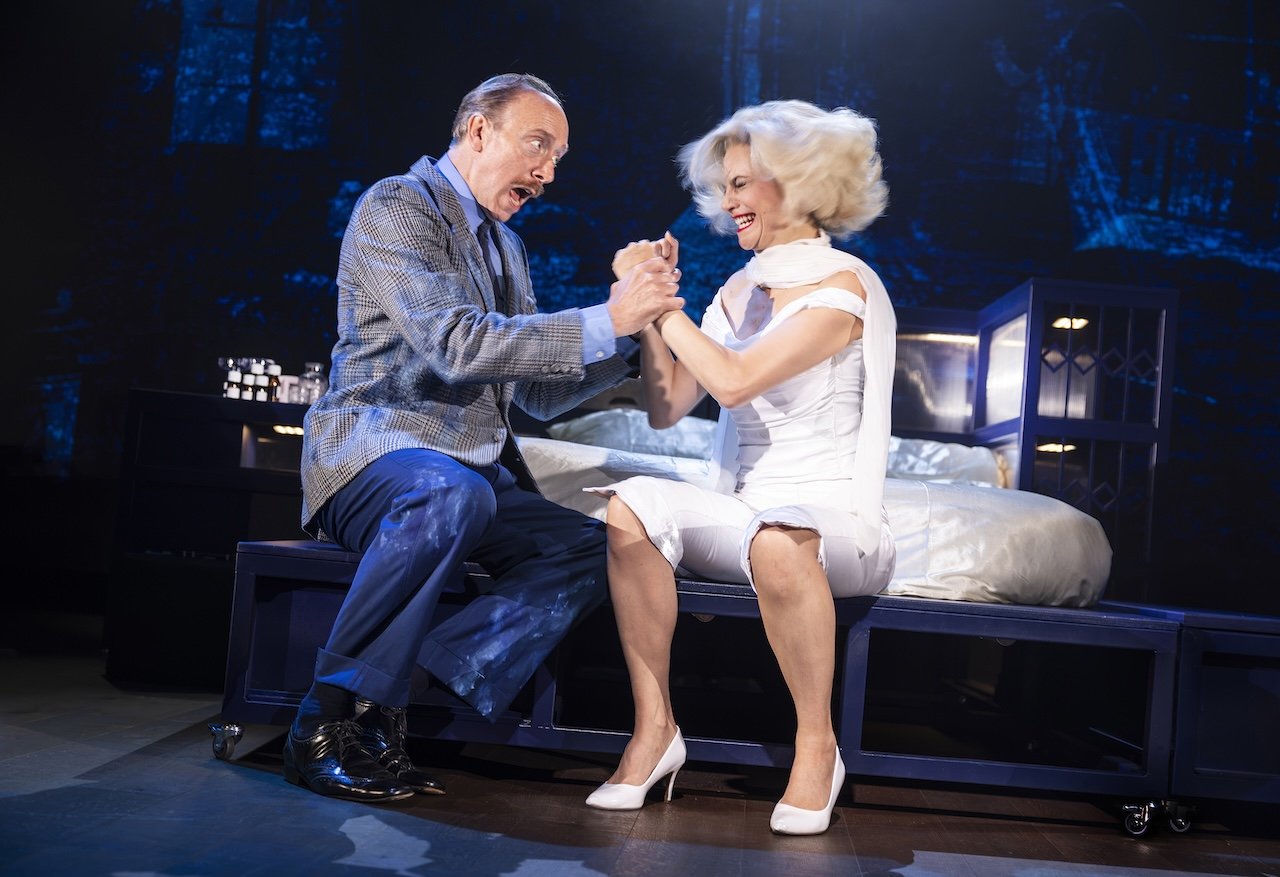
- Wooden performances: Only one review offered any praise, with The Times saying that ‘Ryan Ellsworth, as her doctor, gives the one sure-footed performance of the evening.’ Overall, the rest of the performances were called ‘wooden’ by the Guardian and Telegraph.
The back story
Drawing on decades of documented evidence, conspiracy, and cover-up, this bold new play re-examines the life of Marilyn Monroe. Her trials and tribulations have become the stuff of legend since her untimely death.
By placing her at the centre of a web of power, politics, and desire that reached the highest levels of American government and organised crime, Who Killed Marilyn? aims to restore Marilyn Monroe to her rightful place, not as victim, but as a woman of extraordinary intelligence, wit, and force, whose story has never been fully told.
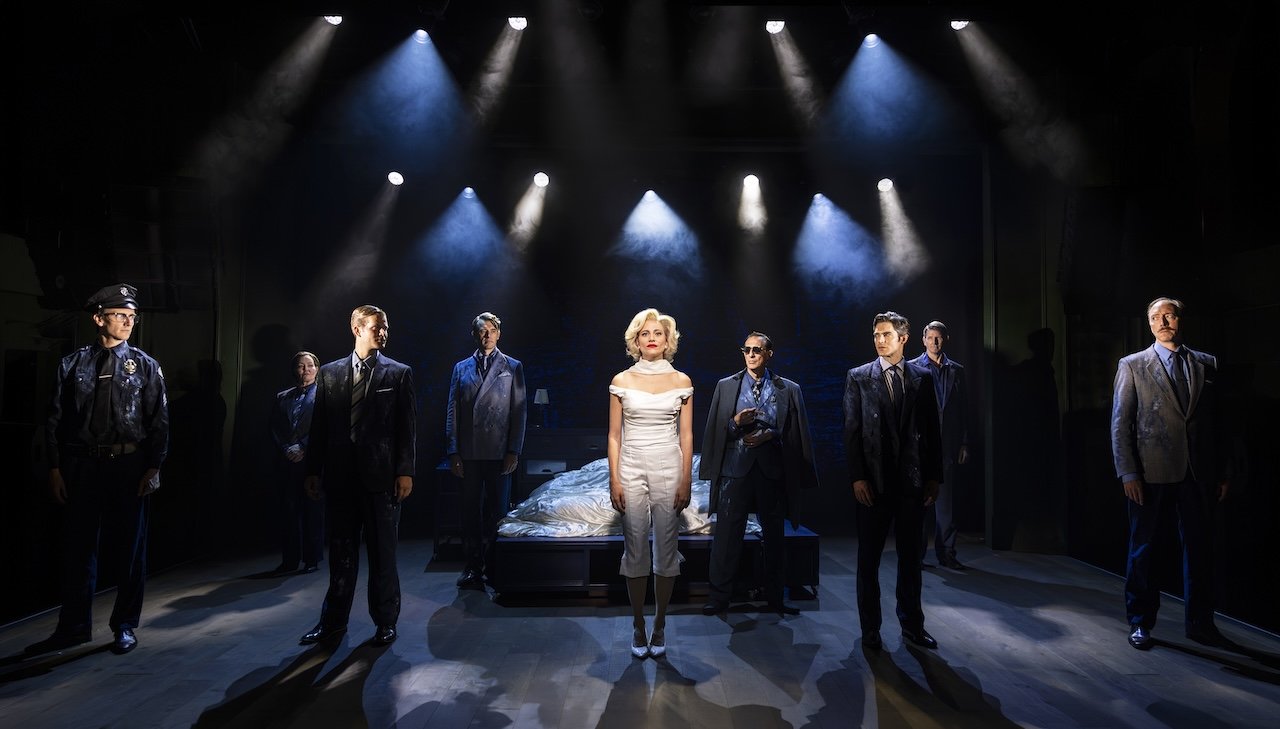
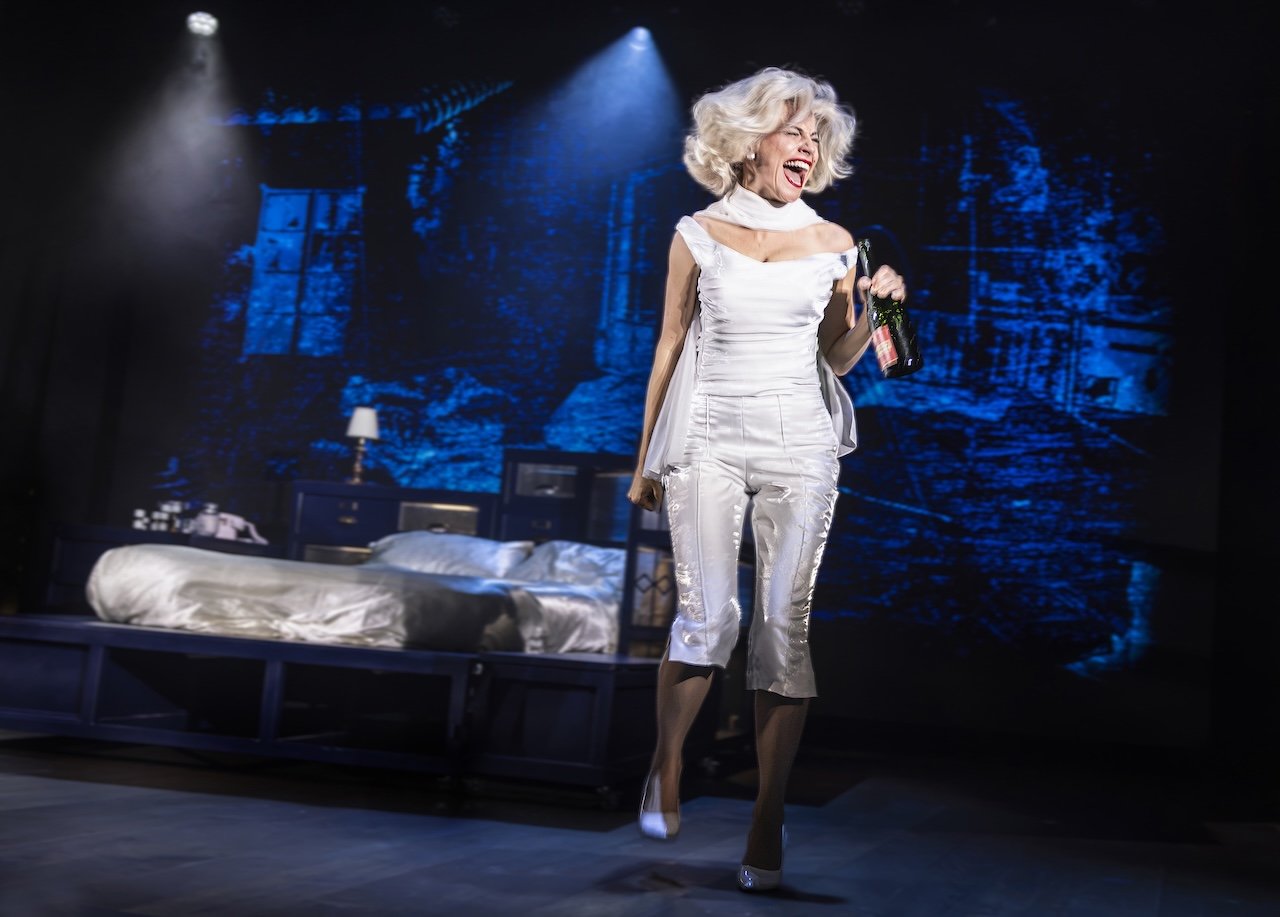
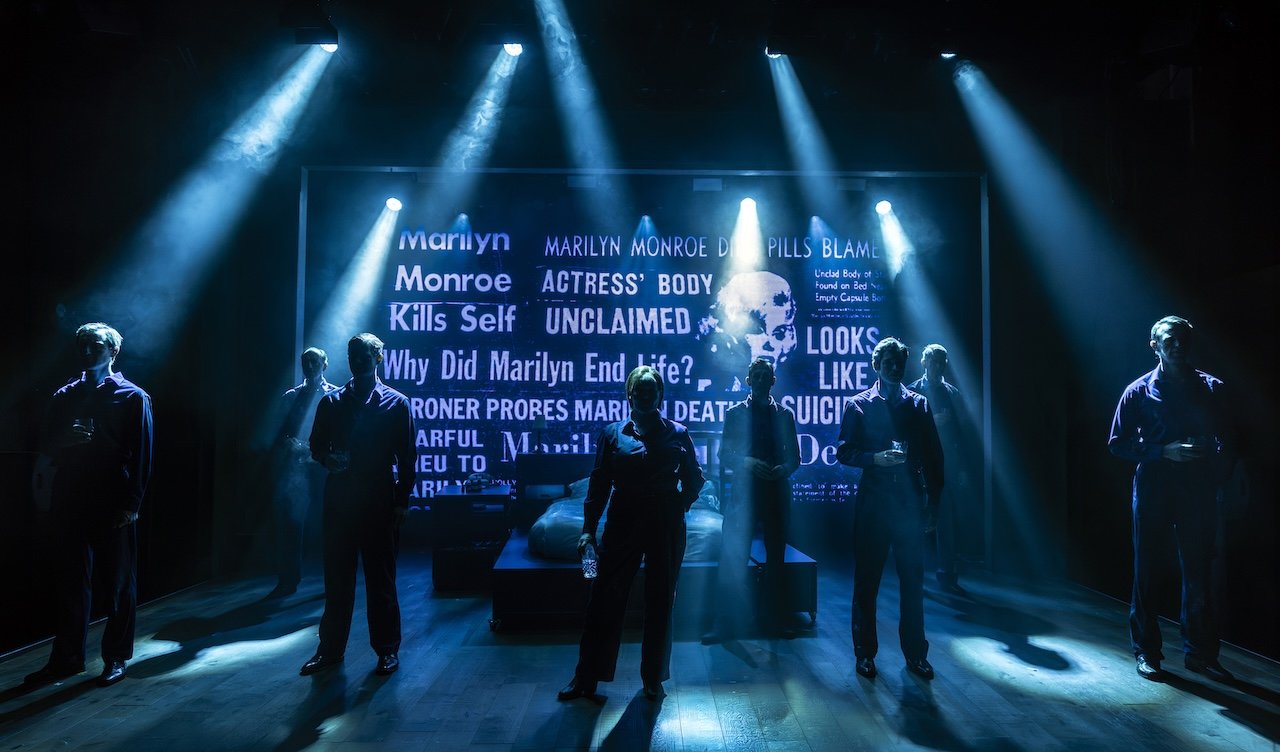
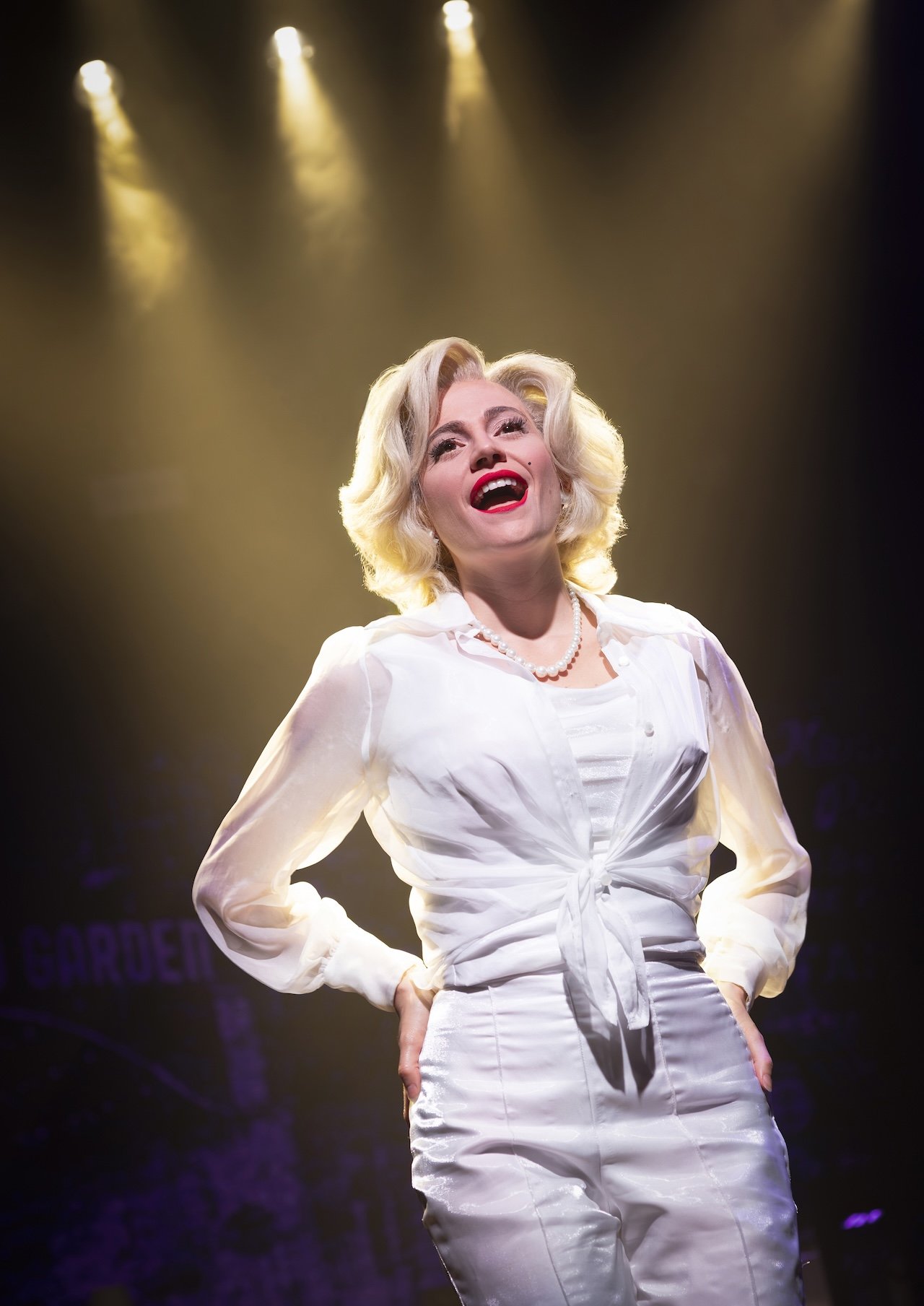
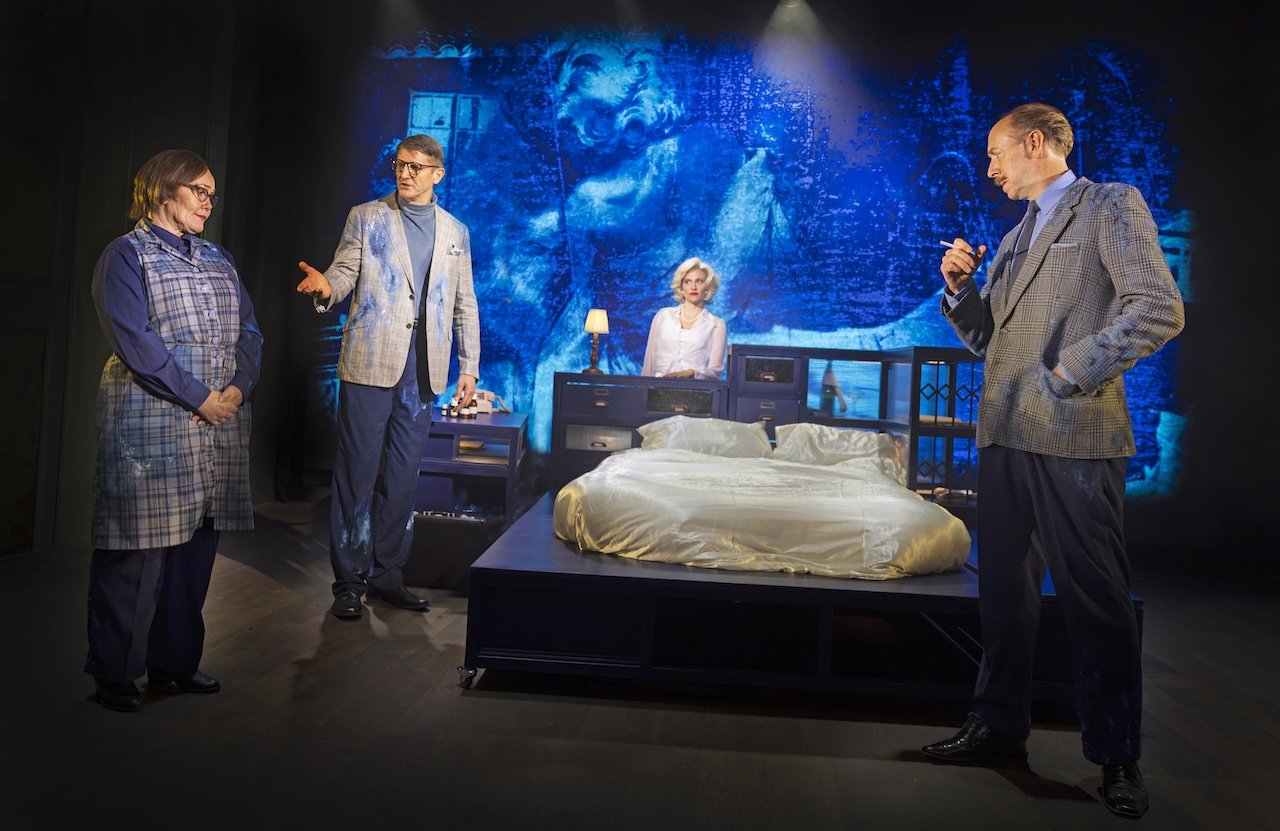
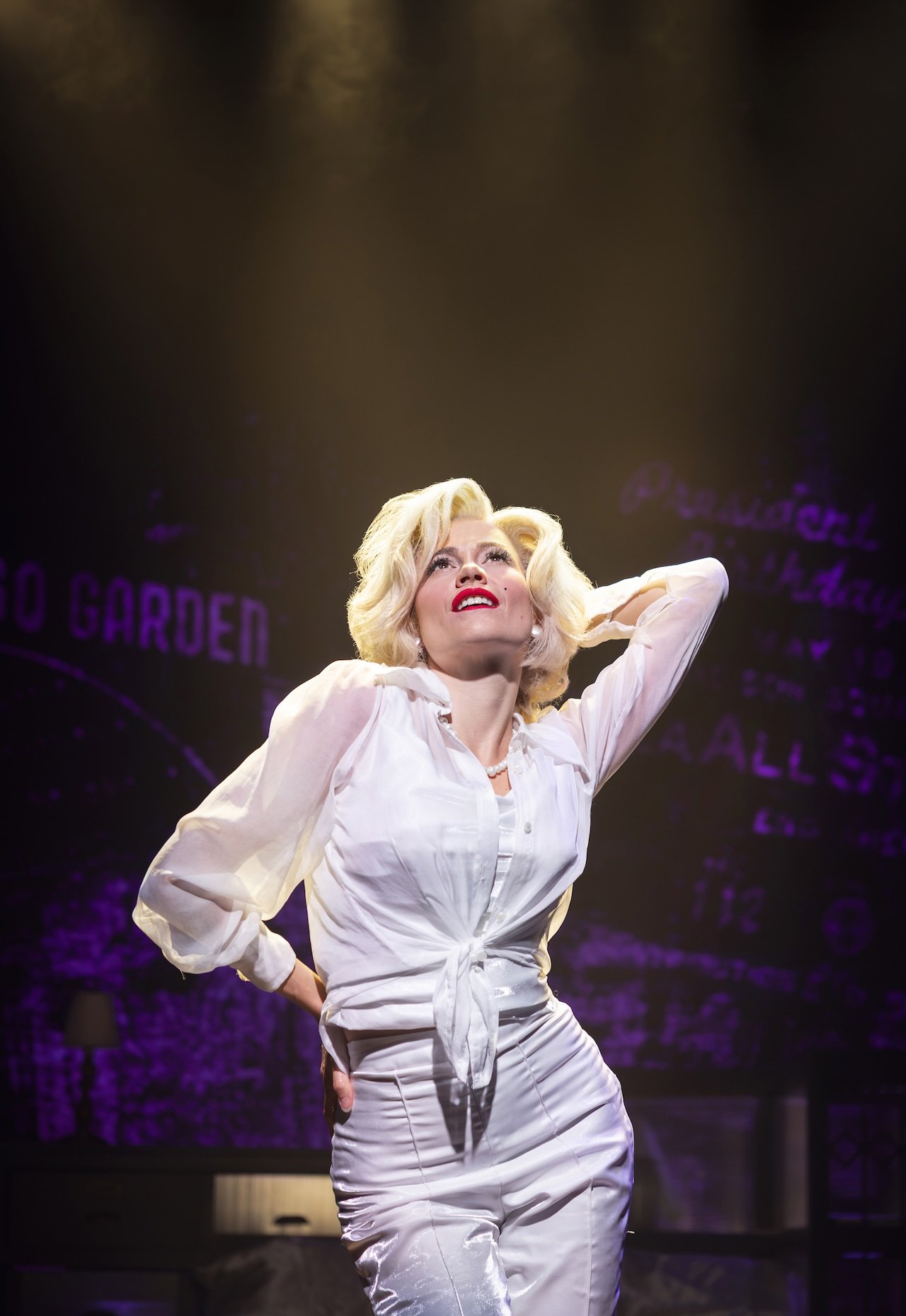
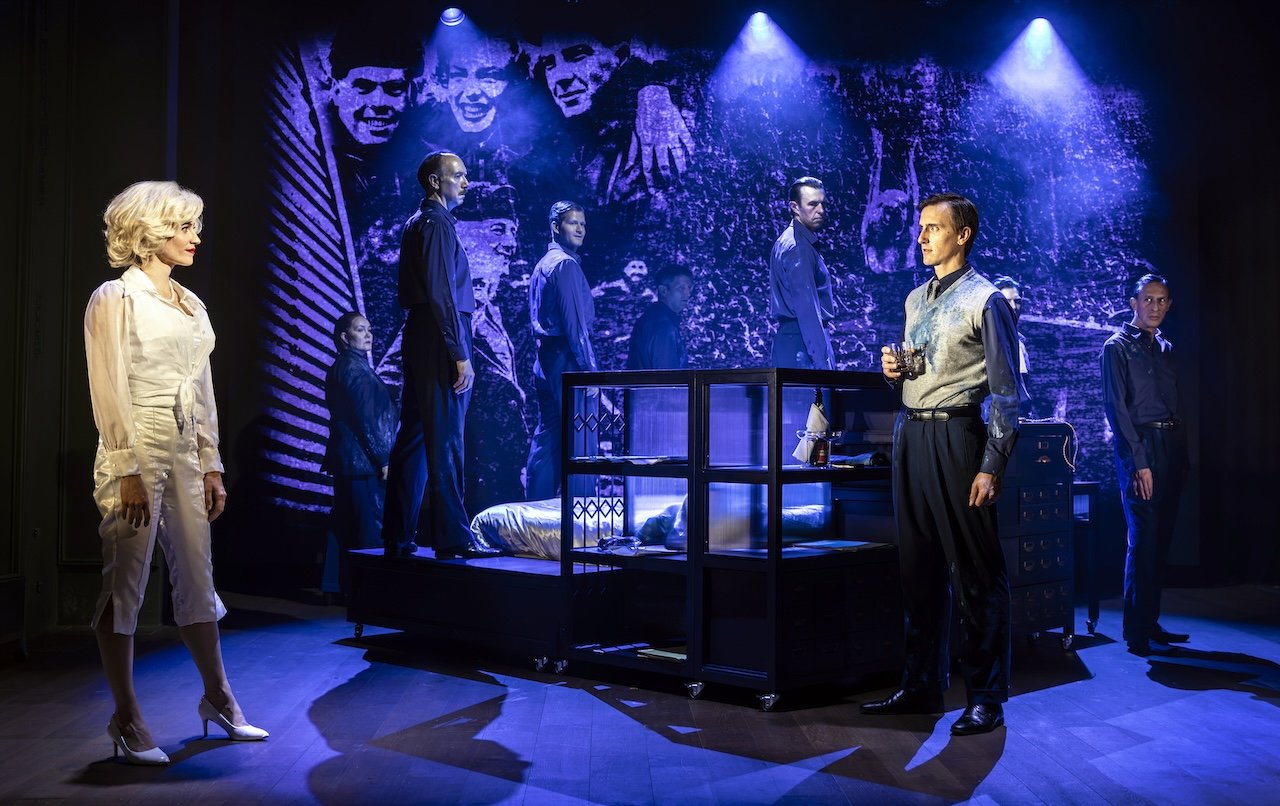
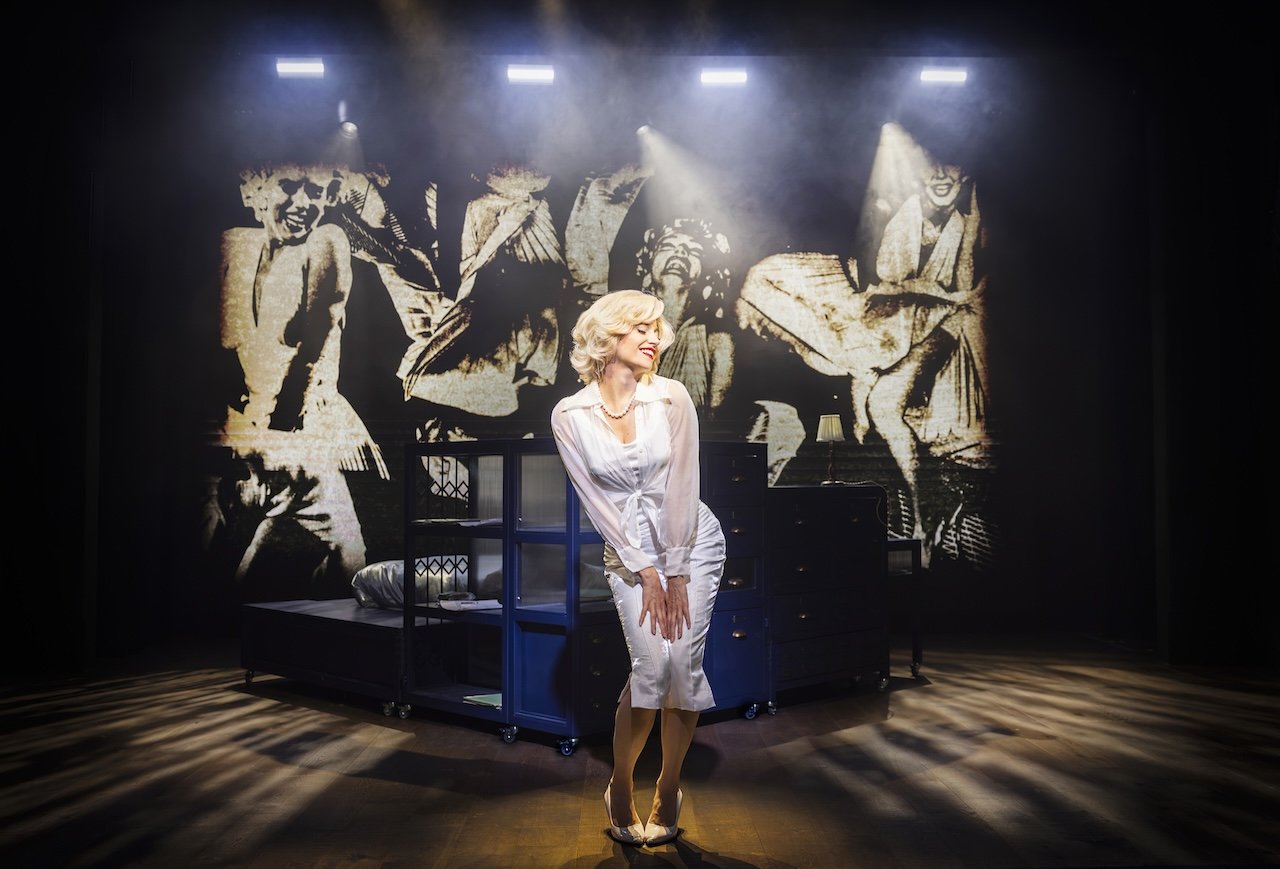
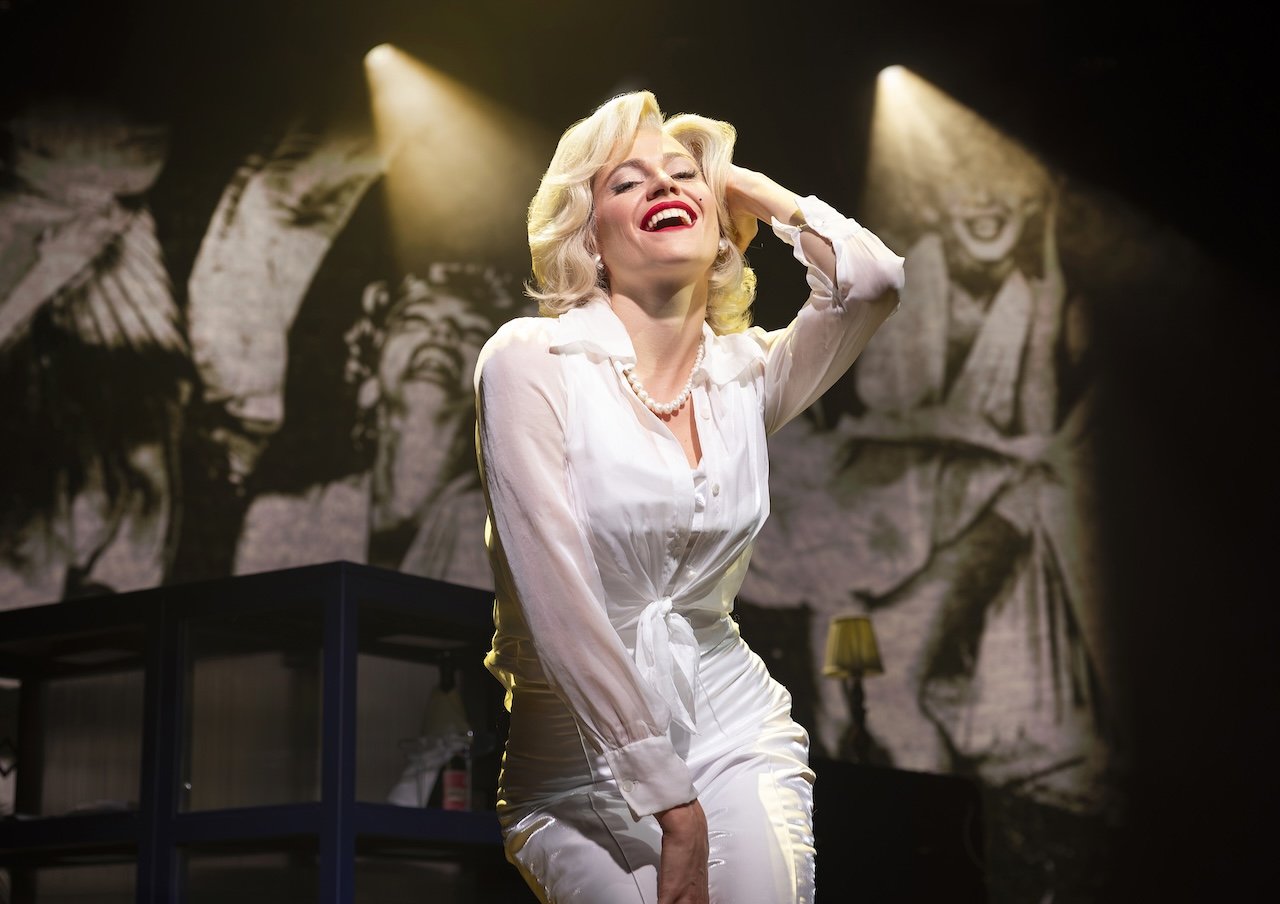
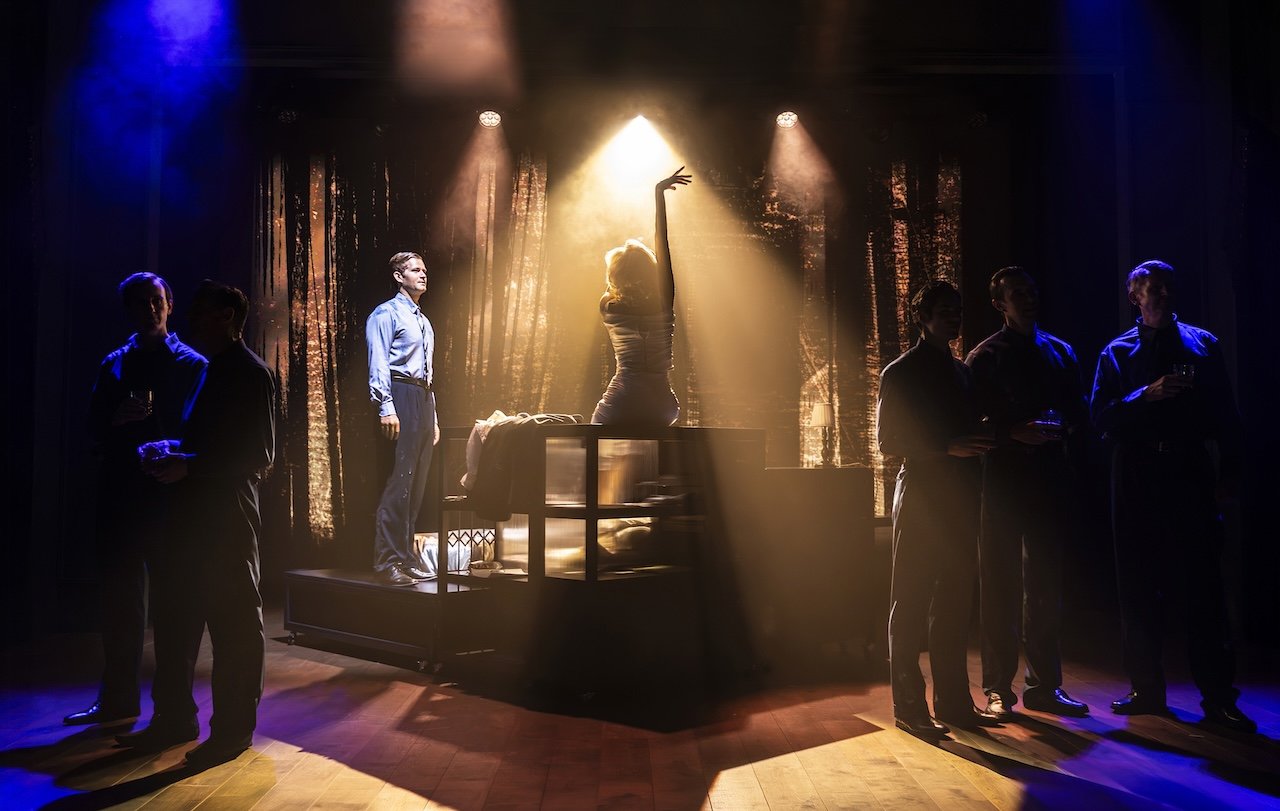
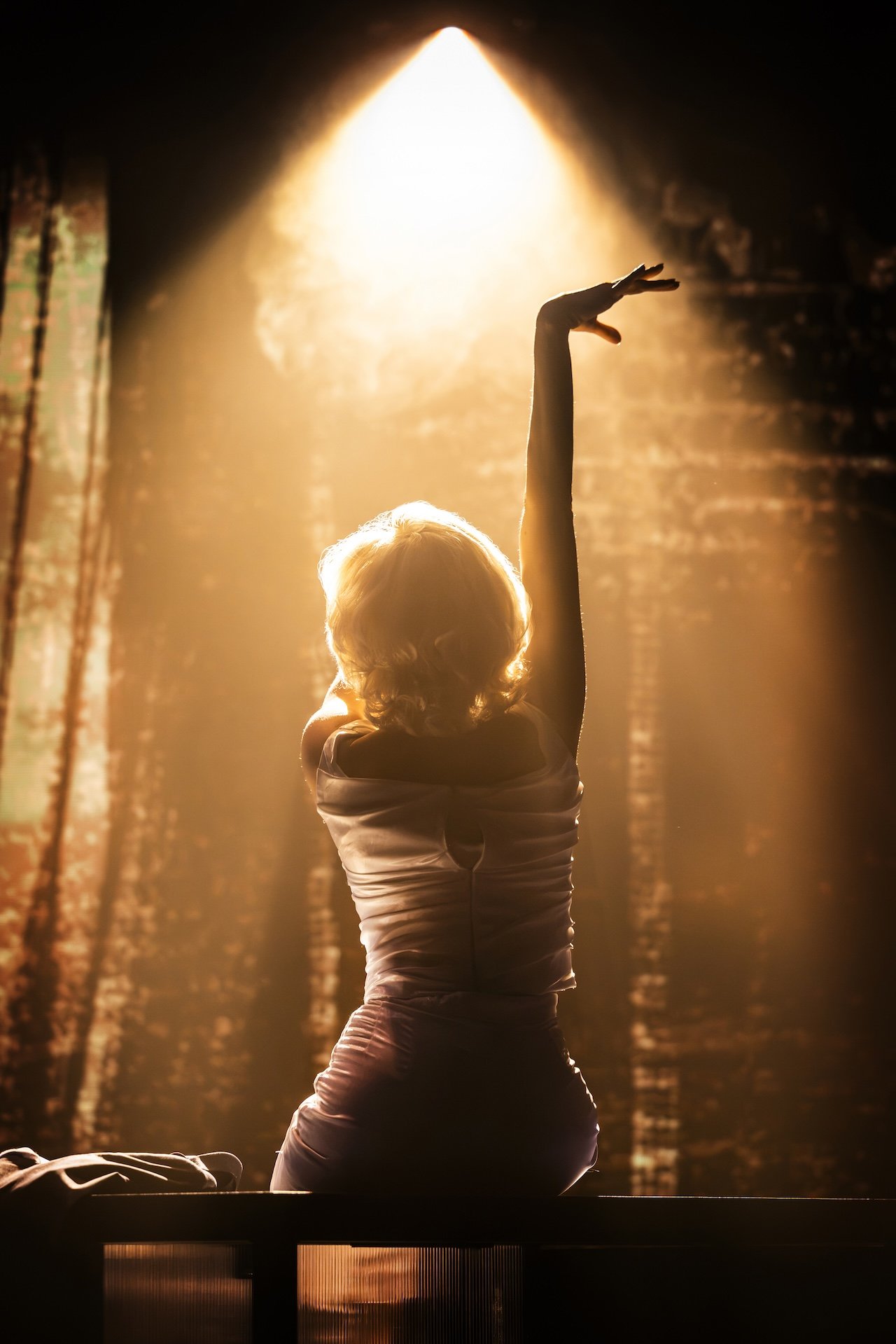
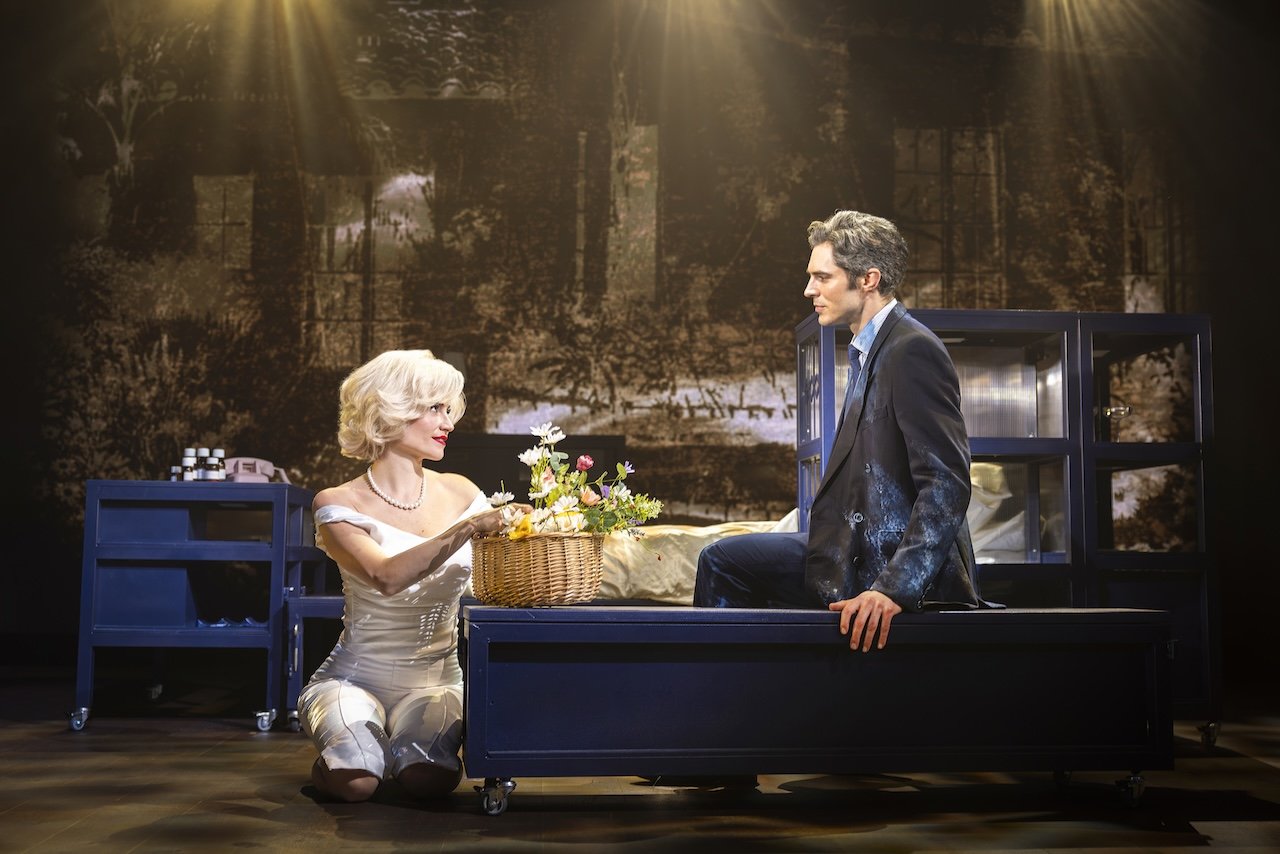
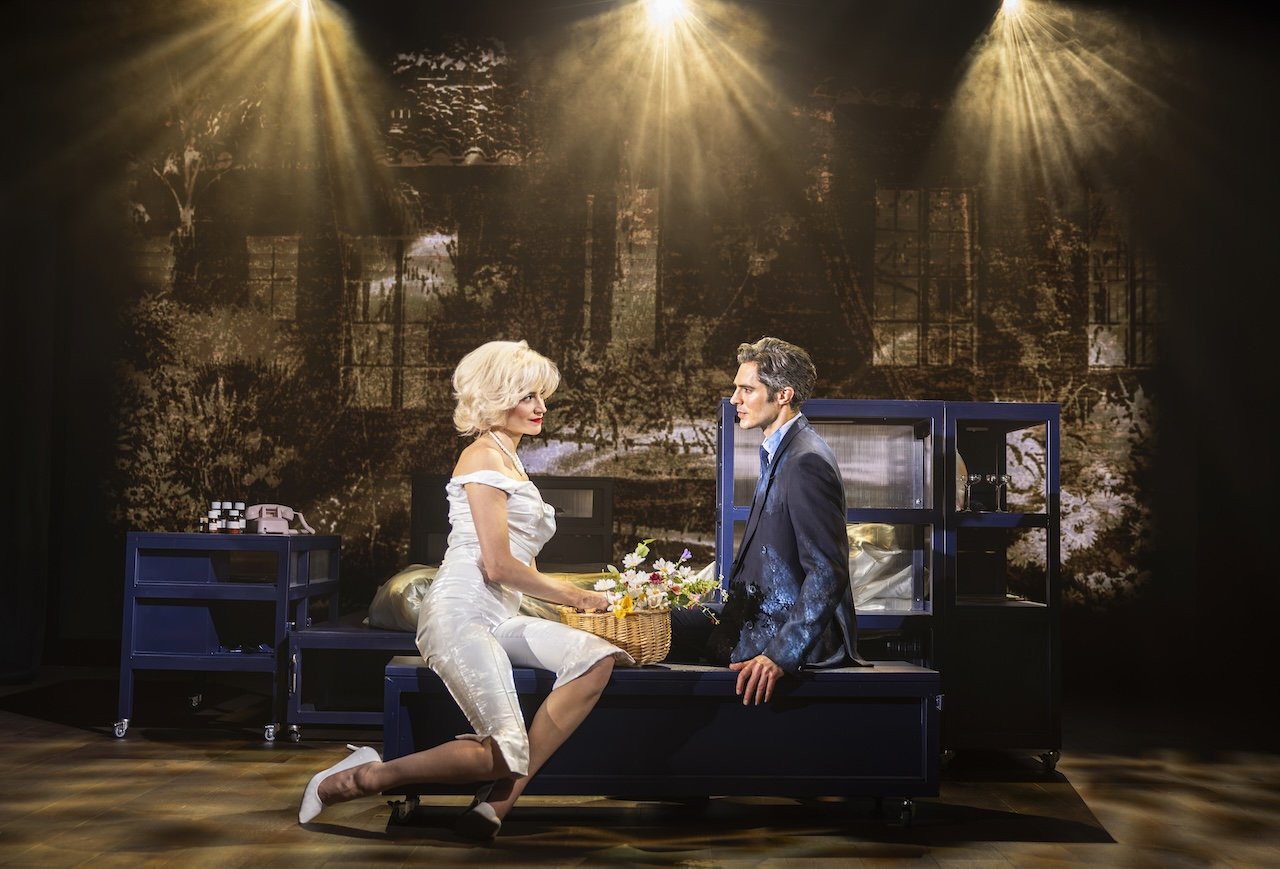
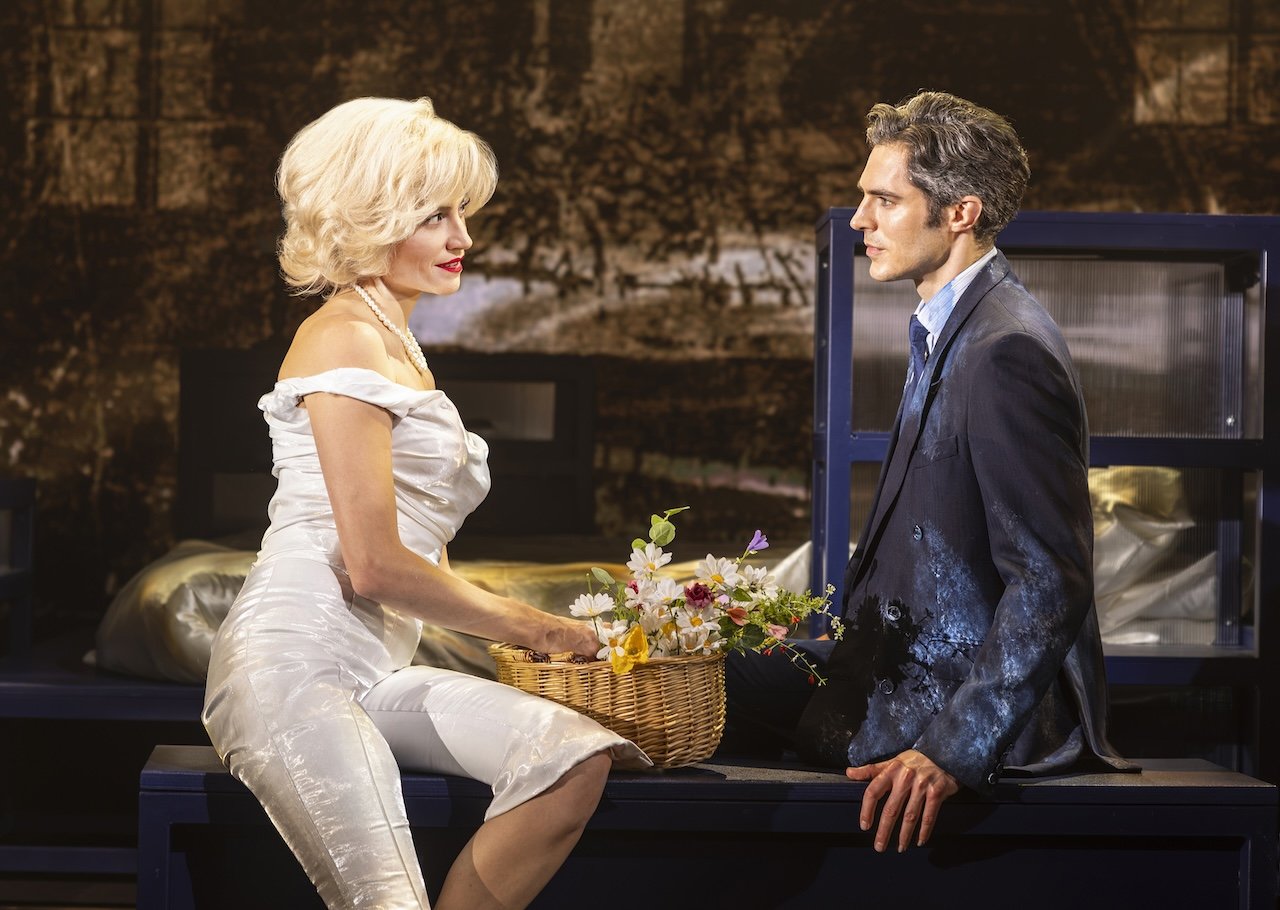
The cast includes:
- Marilyn: Pixie Lott
- Alternate Marilyn: Emma Haines.
- Arthur Miller: Ben Dilloway
- Robert Kennedy: Paul Kane
- Joe DiMaggio: Henry Profitt
- Jack Kennedy: Mars Sam
The ensemble also includes Julie Armstrong (Eunice), Ryan Ellsworth (Ralph Greenson), Rob Maloney (Arthur Jacobs), Martin Hancock (Sam Giancana), Joshua Ford, Eliot Giuralrocca, Dean Michael Gregory, Emma Haines and Ricky Shah.
Joining writer Sharleen Cooper Cohen and director Philip Wm. McKinley on the creative team are set designer Justin Williams, costume designer Jasmine Swan, lighting designer Jack Weir, sound designer Christopher Reid and AV designer Libby Ward.
What are the critics saying about Who Killed Marilyn??
“Only the most devoted fans will get excited by these stubbornly spark-free two hours at London’s Emerald Theatre.”
“This iteration of Marilyn wants to control her own narrative and not be portrayed as 'Marilyn Monroe the f---ing victim’”
“Interwoven with snippets of Monroe’s last few hours – including a conveniently revelatory session with her psychiatrist – are snapshot scenes from her adult life, which paint a cumulative picture of a woman desperate for love and affection.”
“Cooper Cohen fails to avoid the bio-drama booby trap of characters telling each other things they surely already know in order to crowbar in key bits of information.”
“More culpable, however, is director Philip William McKinley, who oversees a production that is almost entirely devoid of energy.”
“The writer Sharleen Cooper Cohen — whose credits include An Officer and a Gentleman: The Musical — rummages through no end of National Enquirer-style speculation, piling up one breathless non-revelation after another.”
“Then comes a cut-and-paste gallop across the highlights of the actress’s rise to fame, the multitasking supporting cast doing their best to make sense of it all.”
“Cohen gives us not a single psychological insight into Marilyn’s true character. All we see is the usual helpless blonde victim of the rampant male ego.”
“Purporting to reclaim Marilyn as a talented actress and an independent woman rather than a victim, it in fact ploughs the same prurient, necrophile furrow that countless ghouls have explored since she died aged 36 in 1962.”
“A pouting, posing, peroxide-helmeted Pixie Lott narrates Marilyn’s story in a parody of her breathy tones.”
“Sharleen Cooper Cohen’s script invariably tells us things rather than shows us.”
“The under-rehearsed cast trip over each other’s lines and gesticulate like traffic policemen.”
“Director Philip WM. McKinley stages the action around a bed which is cumbersomely rotated by the cast while other bits of set are latched onto and unlatched from it.”
“You imagine this drama is setting itself up for something beyond the slew of familiar theories. But there is little to gain from this trot through Monroe’s life, narrated in cliches.”
“Monroe tells us that her husbands only ever saw the famed icon rather than the woman beneath. Ironically, this is what she remains here, due to a thuddingly on-the-nose script that spells out Monroe’s woes and pathologies.”
“Under the direction of Philip Wm McKinley, Lott struts on to a stage with a bed at its centre – both her place of death and an overused motif for the life of a sex symbol.”
“The other performances are also underwhelming, with the men in her life played with a wooden uniformity and no uncanny resemblances.”
“It pays little attention to Norma Jeane – the person she was before she created Marilyn. There are fleeting references to her family history of mental instability, her early life in an orphanage, her experience in a psychiatric unit. These are drive-by glances in a play that prefers to centre Monroe’s sex life, in the most hackneyed of ways.”
“In the programme director Phillip Wm McKinley claims the play lets the audience decide whether what they see onstage is true or not, but when watching it, it seems they already made that decision for us.”
“Despite seemingly based on years of research and the insistence that Monroe isn’t a dumb blonde boy crazy victim, Cooper instead regresses her life with as much substance as a Wikipedia summary.”
“With little cohesion, McKinley’s direction sporadically flashes - quite literally from Jack Weir’s blinding lighting design and Justin Williams’ uninspired set - back and forth between the moments after Monroe's death and a series of memories that are ridiculous at best and crass at worst.”
“It leaves no room for other fascinating areas of Monroe's life such as her relationship with her mentally ill mother.”
“In a time when the media’s obsession with young troubled Hollywood women continues to be rampant, there could be merit behind the exploring the ethics of reexamining Marilyn Monroe’s death. Instead, Who Killed Marilyn? becomes the thing it tries to critique.”
Related News
Megan Hilty and Rachel Tucker to star in new Gentlemen Prefer Blondes concert at the London Palladium
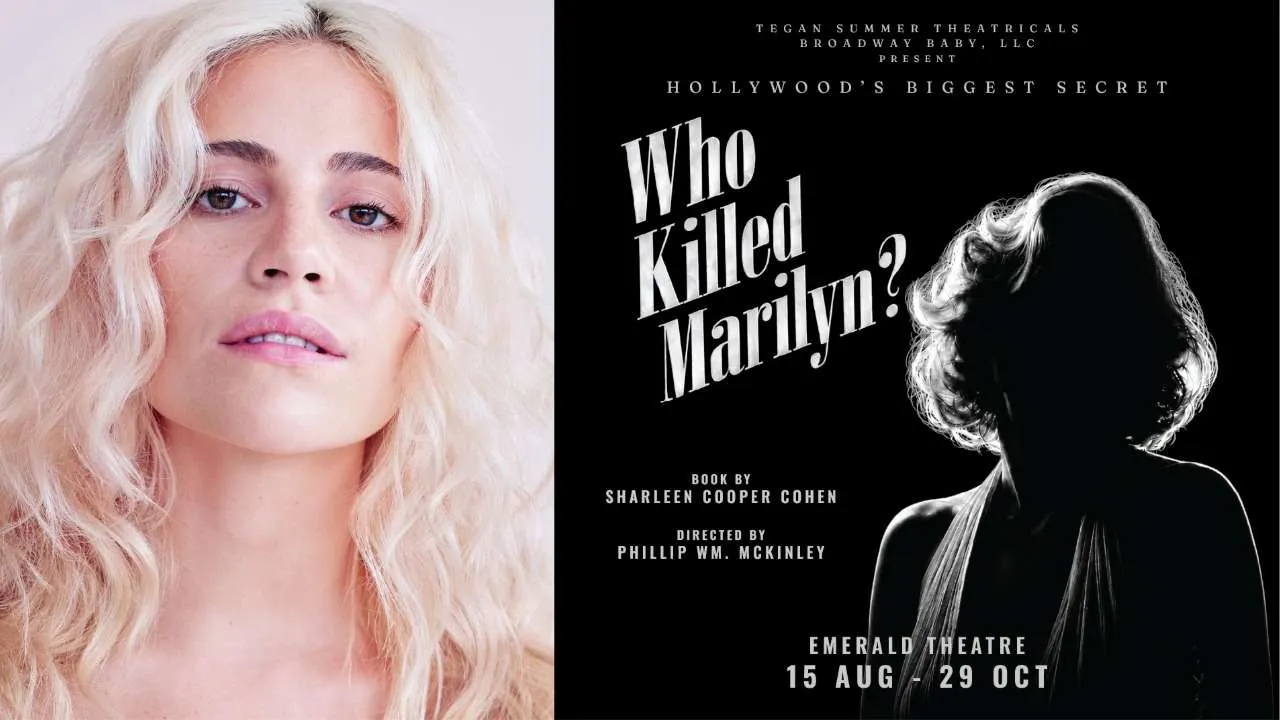
Pixie Lott to star as Marilyn Monroe in Who Killed Marilyn? at the Emerald Theatre

Made in Dagenham 10th anniversary concert full cast announced including Trevor Dion Nicholas & Peter Duncan

Video: Made In Dagenham concert interviews with Pixie Lott, Killian Donnelly, Bonnie Langford
Latest News
Everything you need to know about The Traitors: Acts of Betrayal in London
Nina Raine’s sweeping new adaptation of Middlemarch arrives at the RSC: See brand-new images from the production
What to expect from Pride the Musical ahead of highly anticipated transfer to the Bridge Theatre