Rachel Zegler’s commanding performance of “Don’t Cry for Me Argentina” from Andrew Lloyd Webber and Tim Rice musical Evita, performed from the outside balcony of the London Palladium, is currently thrilling audiences and stopping traffic. But instead of celebrating theatrical innovation, the press – including international press – has spun it into a controversy. Is it one more casualty in the war for clicks over context?
Jamie Lloyd’s cinematic revival of Evita has transformed the West End’s most iconic address into a theatre of spectacle and symbolism. Nightly, Rachel Zegler emerges onto the Palladium’s stone balcony, dressed as Eva Peron in a white Dior-inspired gown, to deliver Evita’s signature anthem to her people. Not from the stage, but from above the crowd on Argyll Street. The scene is streamed in real time to the auditorium on massive screens, creating a striking duality: the performer outside, the audience within.
It’s visually bold, thematically loaded, and unapologetically theatrical. But rather than interrogate or admire the artistic intent, large swathes of the press — tabloid and broadsheet alike — have chosen to sensationalise it. The result? A swirl of misleading headlines, hot takes, and thinly veiled resentment masquerading as arts criticism.
Is it a theatrical masterstroke reduced to Outrage Bait?
From The Guardian to Metro, the New York Post to Yahoo! Entertainment, the framing has been remarkably consistent, and depressingly familiar. Reports have painted the balcony performance as a betrayal of theatregoers, with headlines lamenting that top-tier ticket holders are forced to watch the pivotal scene in the show on TV, while passers-by see it for free.
That this was a meticulously planned moment, where rehearsals for the scene appeared on social media days before the first performance, has been buried. That it may enhance, rather than undermine, the show’s themes of myth, power, and populism? Ignored. Instead, the press has manufactured a narrative of audience fury and theatrical chaos.
Some outlets have scraped social media for angry posts and framed them as widespread backlash, while carefully omitting the nightly applause, the street singalongs, and the genuine thrill of witnessing a West End production break its own boundaries, and a Hollywood star busking nightly on the streets of London.
The New York Post painted Zegler’s performance as the latest flare-up in her supposedly “controversy magnet” career. So far so obvious. But even more reputable platforms such as the Guardian have leaned into the narrative of division, quoting disgruntled theatre patrons without contextualising the broader artistic vision or acknowledging the countless audience members thrilled by the spectacle.
Critics struggle to weigh in
The ability to contextualise is an issue for critics. They aren’t actually allowed to see the show until closer to the official opening date, or print their reviews until a strict embargo has passed. The opening night of Evita isn’t until 1 July, so reviews will be out on the 2nd. That’s a full 19 performances into the (quite short) summer run.
It means that critics are being left behind from the social media conversation – something that What’s On Stage critic Sarah Crompton tackles in her weekly podcast.
Some theatre critics have attempted to break through the noise. Mark Lawson acknowledged Lloyd’s audacity while expressing concern about losing emotional immediacy on screen. Meanwhile, a number of blogs have also praised the decision, noting how the balcony staging collapses the gap between Eva and the people — both in the story and reality.
Director Jamie Lloyd is pretty savvy, and knows what he is doing with Zegler’s balcony moment. His recent production of Sunset Boulevard, in London and now on Broadway, has protagonist Joe Gillis deliver the Act 2 opener outside of the theatre, before making a dramatic and perfectly timed entrance back into the auditorium. The PR value of that sequence is almost priceless, and has generated significant attention, and box office sales.
But the balcony moment in Evita is not only a PR stunt, it’s a directorial flourish, toying with themes of image and adoration, politics as performance, perception as power.
But that’s something for the critics to mull over when they finally see the show.
Either way, whether you’re inside the auditorium or singing along in the street, this is a performance you won’t forget.
EVITA is currently playing at the London Palladium until 6 September 2025.
Related News

Rachel Zegler announces return to London for first concert residency at @sohoplace in January 2027
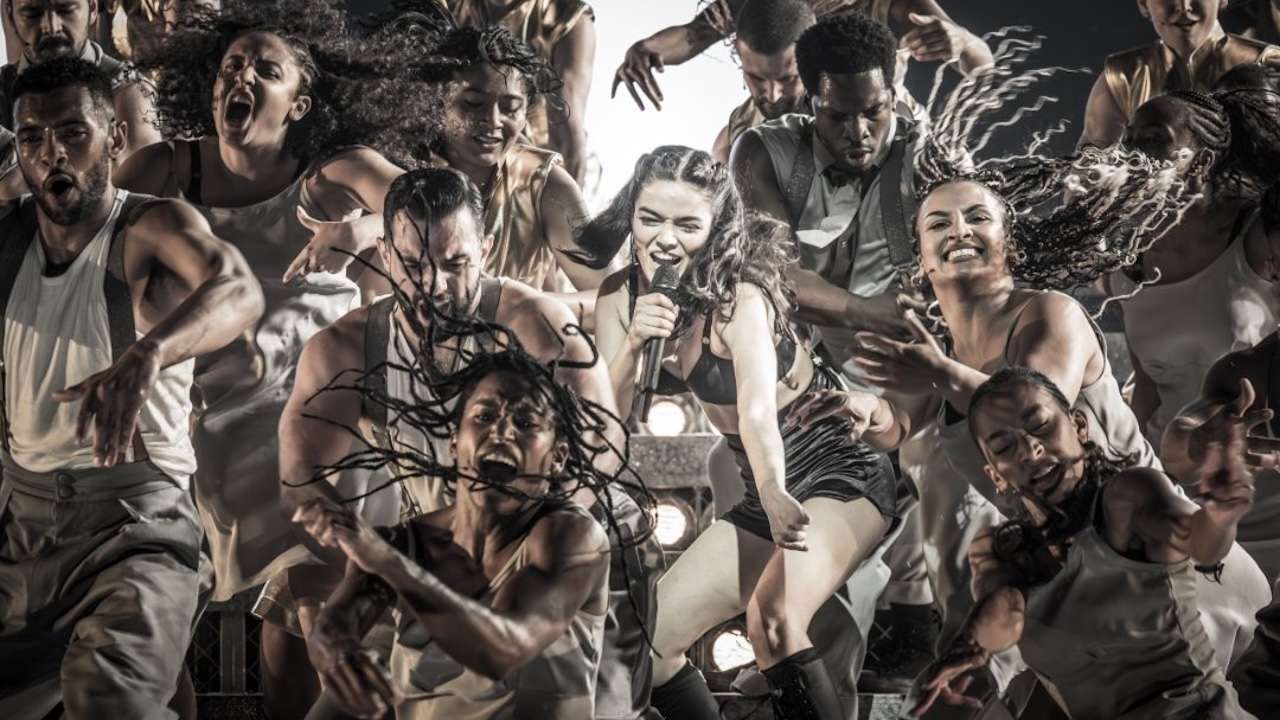
Rachel Zegler’s EVITA: The Full Album is here, just in time for Broadway transfer

Adrien Brody & Rachel Zegler to star in father-daughter movie Last Dance; Ben Platt to co-star & write original music
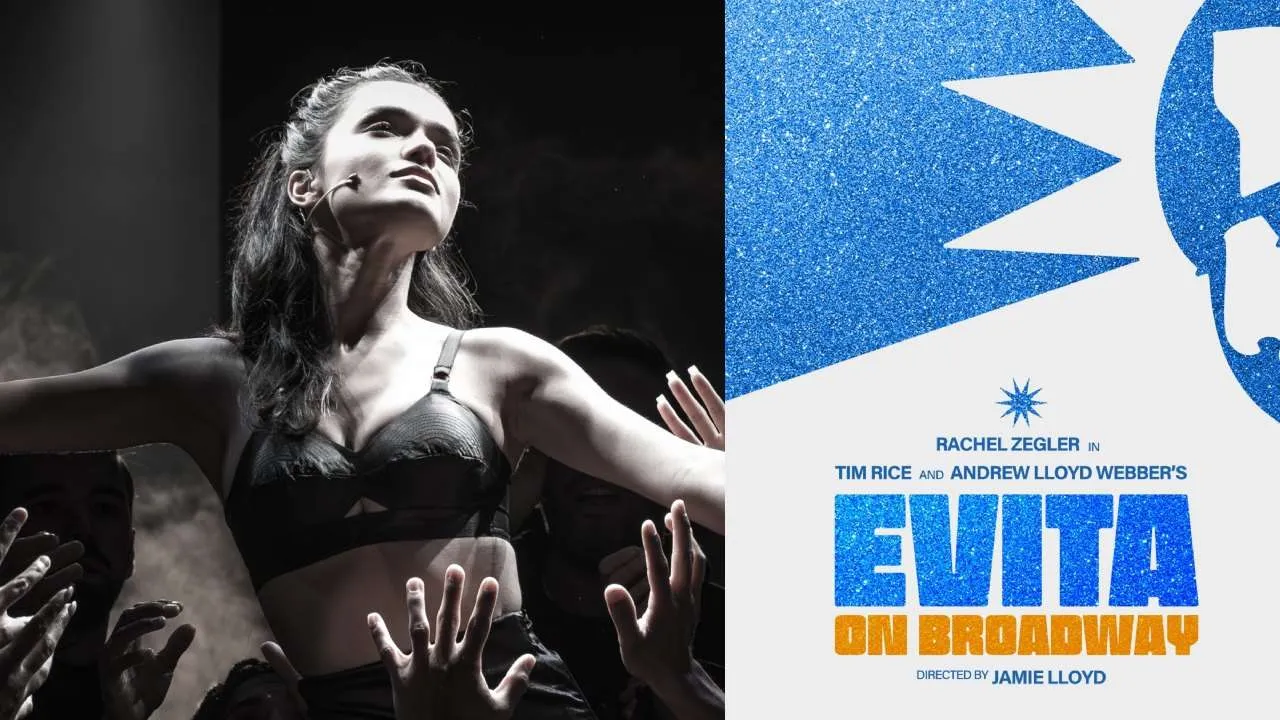
Rachel Zegler to lead Jamie Lloyd’s EVITA to Broadway in 2027
Latest News
Everything you need to know about The Traitors: Acts of Betrayal in London
Nina Raine’s sweeping new adaptation of Middlemarch arrives at the RSC: See brand-new images from the production
What to expect from Pride the Musical ahead of highly anticipated transfer to the Bridge Theatre