The Yard Theatre in East London has announced the final production in its current home, before a new theatre will be built.
Founder and Artistic Director of The Yard, Jay Miller, will direct a new production of The Glass Menagerie, running from 28 February to 21 April 2025.
As announced in May, the current theatre will then close for demolition, and a brand new 220-seat theatre will be built in its place, designed by Takero Shimazaki Architects whose work includes the RIBA award-winning Royal Academy of Dance and Curzon Camden.
The theatre will also include a flexible day-to-night cafe/bar/event space, a Young Artists space, and back and front-of-house facilities. The building will feature an innovative sustainable design, including natural ventilation, waste-based recycled brick, and the reuse of materials from the current Yard Theatre.
The current theatre was originally a temporary space, but over the last thirteen years has found a solid audience and acted as a launchpad for a generation of artists including Michaela Coel, Ncuti Gatwa, Emma D’Arcy, Alexander Zeldin, Marikiscrycrycry, Shygirl, Honey Dijon, Mica Levi, Dipo Baruwa-Etti and Nina Segal.
The venue has raised over £6.4m in capital funding for the new theatre, including from the London Legacy Development Corporation (LLDC), Greater London Authority, and Arts Council England.
Joining Jay Miller in the creative team of The Glass Menagerie will be Cécile Trėmolières (Set Designer), Lambdog1066 (Costume Designer), Josh Anio Grigg (Composer and Sound Designer), Sung Im Her (Movement Director), Arthur Carrington (Casting Director), Edward Hilsum (Illusion Designer), Erin Guan (Set and Costume Assistant), Davin Patrick (Production Manager), Julia Nimmo (Company Stage Manager), and Rhea Cosford (Assistant Stage Manager).
What They Said
Artistic Director Jay Miller said in a statement: “There’s something perfect about ending with The Glass Menagerie—a play about the delicate balance between holding on and letting go. For thirteen years, this space has held our art and our communities. Now, like Tom Wingfield, we’re standing on the edge of transformation.”
Takero Shimazaki of Takero Shimazaki Architects said: “Working with The Yard, we’ve engaged with both memory and possibility. The building grows from thirteen years of theatrical history while pioneering environmentally and materially conscious design with features like the natural ventilation chimney. Rather than imposing a fixed architectural style, we’ve allowed the design to evolve from the dynamic relationship between The Yard’s unique character and the needs of a purpose-built cultural space. The result, we hope, is a building that feels both deeply rooted in its place and timelessly theatrical.”
Chair of The Yard’s Board of Trustees Simon Tate said: “As Chair of The Yard’s Board, I’m thrilled to announce the next chapter in our story. We currently cross boundaries in a converted warehouse, and we’re about to transform our physical space to match our artistic ambition. This redevelopment isn’t just about fixing the roof—it’s about building East London’s first purpose-built theatre in a generation. As a charity, The Yard exists to serve our community; with this project, we’re doubling our capacity, creating new spaces for local young artists, and pioneering sustainable design. The Yard has always dreamed big—now we’re building big too.”
Lyn Garner, Chair, London Stadium and former LLDC Chief Executive said: “The Yard Theatre has been integral to Hackney Wick’s story since 2011, growing from a pop-up venue into one of London’s most vital cultural institutions. We are delighted that this transformation of their building, supported by LLDC through our Community Infrastructure Levy and Carbon Offset fund, secures their future. The Yard’s capital project represents what LLDC has been proud to champion and support since its inception: a bold vision, a focus on engaging local communities, and pioneering and environmentally sustainable growth. We’re enormously proud to have supported their
journey from warehouse to cultural powerhouse.”
Related News

for colored girls who have considered suicide / when the rainbow is enuf reviews: a moving, stripped-back production that some critics wanted more room to breathe

In photos: 50 years on, for colored girls… returns to mark the Yard Theatre’s grand reopening

Full casting announced for revival of for colored girls… at the Yard Theatre

Ian McKellen to star in reimagined King Lear at London’s The Yard
Latest News

Everything you need to know about The Traitors: Acts of Betrayal in London
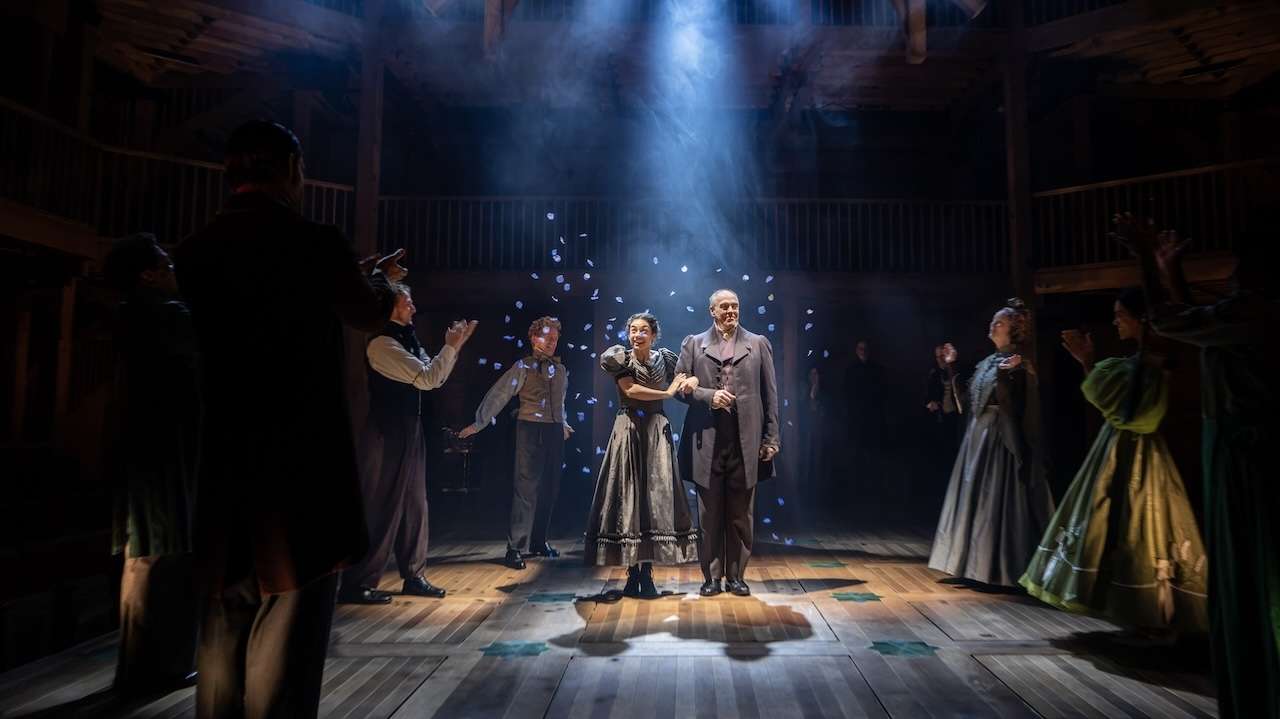
Nina Raine’s sweeping new adaptation of Middlemarch arrives at the RSC: See brand-new images from the production
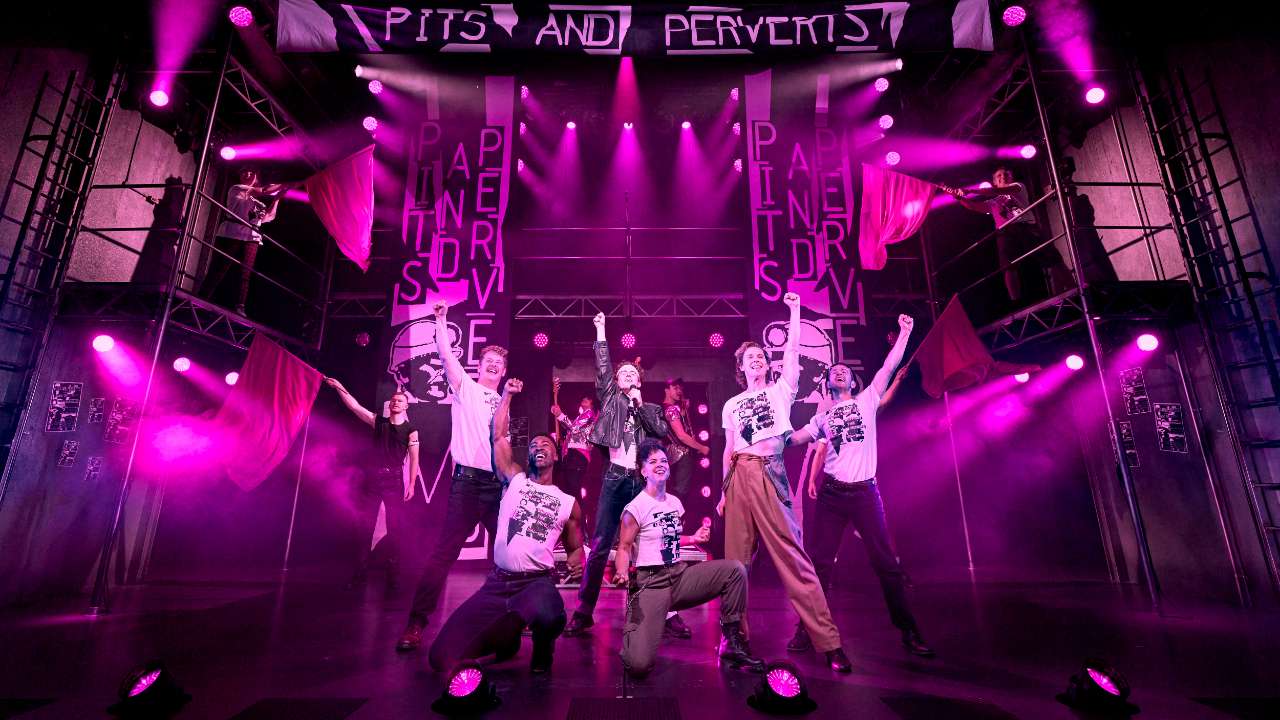
What to expect from Pride the Musical ahead of highly anticipated transfer to the Bridge Theatre