Five-time Olivier-nominated actress Marisha Wallace ignited an important conversation regarding casting for theatre shows in an interview with The Stage when she said: “sometimes we only hire the same five people.” But the full picture is more complex than it may first appear.
Musical theatre star Marisha Wallace spoke at The Stage Debut Awards last month, sharing her view that “sometimes we only hire the same five people” – articulating a frustration many in the theatre world feel.
Wallace has used her platform to highlight her view that there’s a visible pattern of repeat casting, and a sense that opportunity is concentrated in a narrow pool. She also brought about a valid concern that barriers to making a career as a theatre performer, such as socioeconomic background, money, geography and networks. can prevent genuinely talented people from ever getting their shot.
But the response from within the theatre industry has revealed a more complicated truth: the “same five people” problem isn’t what it looks like from the outside, and the solution isn’t as simple as casting more unknowns in leading roles.
Audiences love an underdog
The core counterargument to Wallace’s point is essentially, yes: we should discover and promote new talent. But catapulting a 20-year-old performer fresh out of drama school graduate into a leading role in a major West End or touring production isn’t the romantic underdog story audiences imagine. It’s potentially damaging.
Consider what’s actually being asked of that young performer: eight shows a week for potentially a year-long contract. That alone is gruelling, and requires stamina, discipline, and resilience that even experienced professionals could find punishing.
But if you’re in a leading role, it’s not just your efforts on stage that are required, as you’re also handling media coverage, press interviews, potentially being publicly scrutinised by critics, and carrying the entire company. You’re literally the face of the show (i.e. the focal point of its posters) in some instances.
The social media consideration
There’s also social media to bear in mind for performers. Producers could asking a 20-year-old to handle constant public judgment, fan attention, and potential criticism, all while they’re learning their craft on then job and trying to figure out who they are as a person as they enter the beginning of adulthood. As Carrie Hope Fletcher put it in a YouTube video responding to Wallace’s comments: “If I had had 600,000 people watching me on social media on my first job, if I had the same access and scrutiny then that performers have now, I would have quit. I think it would have destroyed me.”
That’s not to say younger performers aren’t incredibly talented and capable of handling theatre’s leading roles, and being successful doing so. Take Jamie Bogyo for example, who originated the role of Christian in Moulin Rouge! The Musical at the Piccadilly Theatre in 2021, and went on to play the lead role of Alex in the revival of Andrew Lloyd Webber’s Aspects of Love opposite Michael Ball in 2023. Or Eva Noblezada, who made her professional debut as Kim in the West End revival of Miss Saigon in 2014 at the Prince Edward Theatre – a performance for which she earned a WhatsOnStage Award for Best Actress in a Leading Role in a Musical.

The visibility problem isn’t what you think it is
Here’s another crucial point that changes the conversation: there aren’t just five roles in British theatre – there are hundreds. Those roles are being filled by new graduates, ensemble members, swings, covers and alternates, and there are multiple leading roles in every show, not every one of them goes to a familiar name.
The problem isn’t that unknowns aren’t being cast in shows, but that producers only publicly promote the names that will sell the most tickets. So when a show has one celebrity name and five unknowns, audiences may only hear about the one name. This means the other five performers disappear from the narrative.
This creates a vicious circle: audiences don’t see the unknowns being cast, so they assume unknowns aren’t being cast. However, if producers stopped shouting about the celebrity casting, they may well struggle to fill theatres; the business model of theatre production depends on using names to drive ticket sales so that the show can afford to cast unknowns in the other roles.
The gender disparity

Perhaps the most uncomfortable truth to emerge from this conversation is this: the criticism of “hiring the same five people” is almost never aimed at men.
When successful lead male theatre actors – think Ramin Karimloo, Jamie Muscato and David Hunter – cast deservedly and repeatedly cast in lead roles in The Phantom of the Opera, Waitress, Kinky Boots and Les Misérables between them, the question of why they’ve been selected again doesn’t appear to happen. And if it does, it’s done very quietly. Yet when successful women, such as Wallace, Fletcher and Lucie Jones, get cast repeatedly, the complaints from theatregoers on social media get loud.
This disparity suggests the issue some theatre fans have isn’t actually with actors having successful careers, but with successful women having successful careers. That’s a different conversation, and a more uncomfortable one, than the one about casting diversity.
The real paradox
Here’s the central tension that nobody seems comfortable saying out loud: audiences tend to celebrate new talent when they’re emerging and cheer for underdogs, but then criticise those same people the moment they become successful and keep landing jobs. We call them “one of the five people” as though sustained employment is somehow unfair.
But sustained employment is what makes a career, so if musical theatre is a viable profession. then performers need to keep working and keep being cast. You can’t build a career with five-year gaps between jobs, waiting for your turn to come around again.
Fletcher said in her video essay that the real kick in the teeth for her is that so many people find it nearly impossible to get into audition rooms in the first place. This means asking performers who finally break through to then step aside so others can “have a turn” is asking effectively them to sacrifice their own financial stability and career because of a systematic issue.

What actually needs to change
If the goal is genuinely to increase opportunities for emerging talent and underrepresented voices, the solutions look different than simply cast unknown performers in leading roles.
They look like: press releases that include every cast member’s name and headshot, not just the star. They look like better mental health support structures in every company – which currently varies wildly from excellent to non-existent depending on luck. They look like audiences actually buying tickets to shows without celebrity names in the leads, to send a message to producers that unknown casting can work commercially.
They also look like acknowledging that there’s a gender bias at play in this criticism, and being intentional about applying the same scrutiny to male and female performers equally.
And they look like recognising that Marisha Wallace — by using her own position of privilege to advocate for others – is doing exactly what successful people should do. She’s not saying “don’t hire me.” She’s saying “hire more people besides me.” That’s different. That’s using power responsibly.
The uncomfortable truth

The theatre industry has real problems with representation that cause barriers to entry; issues that are real and worth trying to solve. But Wallace’s valid “same five people” critique, on closer examination, reveals more about audience perception than industry practice. It highlights gender bias, and reveals the contradiction that theatregoers seemingly want stars, but resent successful performers; celebrate emerging talent, but effectively punish them when they do emerge.
Overcoming these hurdles requires moving past the simple narrative of “stop hiring the same people” and getting serious about systemic change, which can include better support structures for newer performers, more equitable press coverage, more inclusive and diverse casting decisions, audiences opting to buy tickets to shows without famous names in them. Until then, the conversation will keep circling back to the same place, blaming individuals for a systematic problem.
Related News

Carrie Hope Fletcher to star in new musical Ballad Lines at The Other Palace for limited 12 week run
Full cast and creative team announced UK premiere of Table 17 at Kiln Theatre

Kiln Theatre in London announces new 2026-27 season
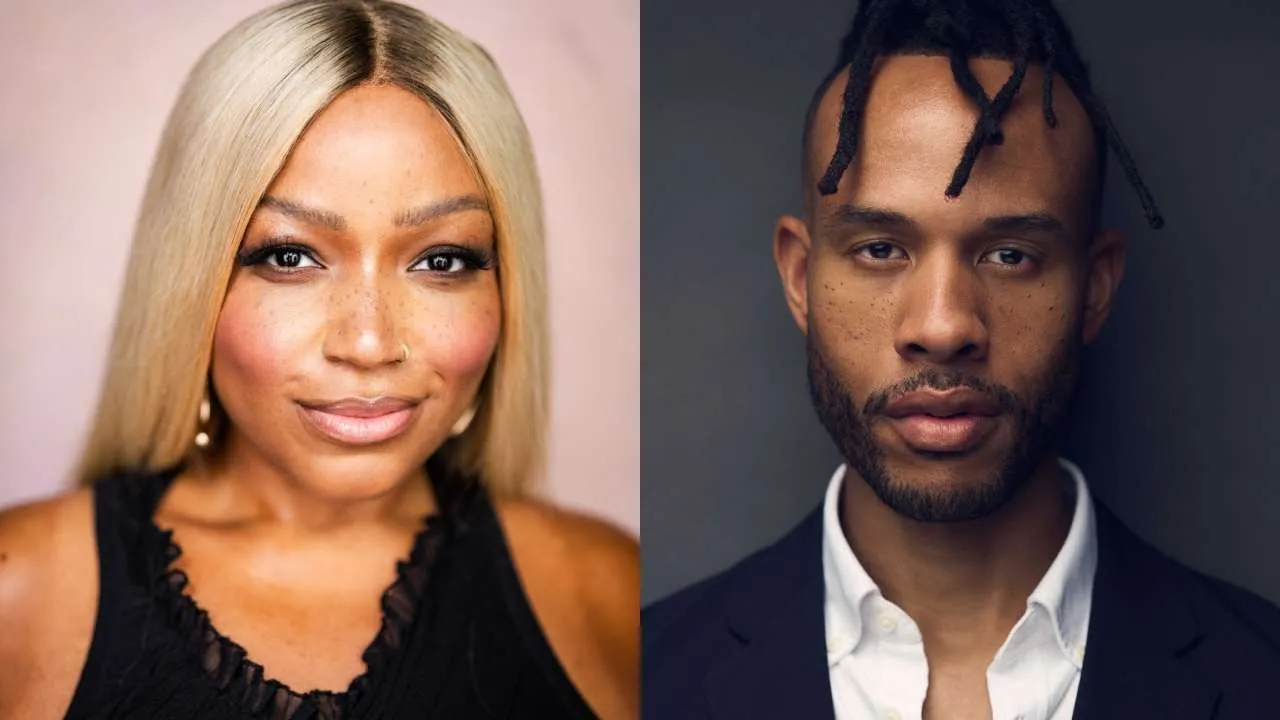
Table 17 UK premiere to star Marisha Wallace & Michael Rishawn at London’s Kiln Theatre
Latest News
A jaunt through the history of panto: how a flexible theatre form transformed Britain’s Christmas theatre scene

Everything you need to know about West Side Story at the National Theatre
10 reasons we can’t wait for West Side Story