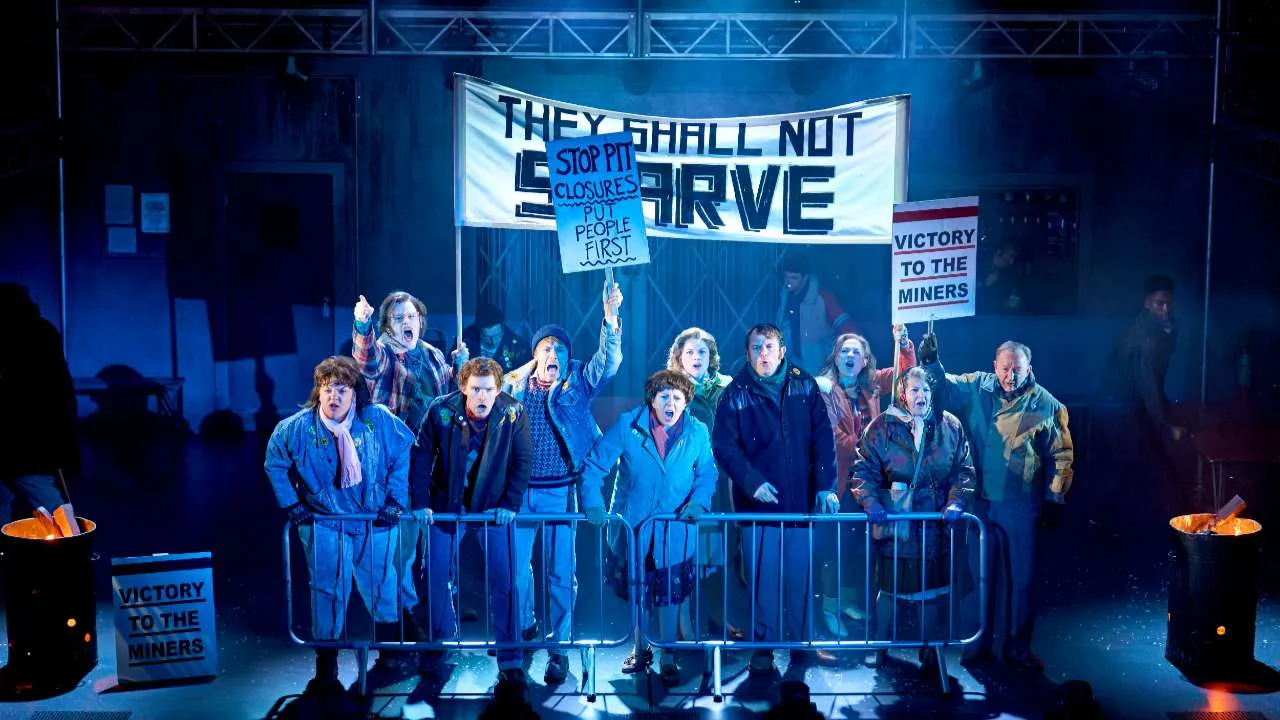

PRIDE, the stage musical based on the true story of LGBTQ+ activists who formed an unlikely alliance with striking Welsh miners in 1984, arrives at the Bridge Theatre this November following a sold-out run at the National Theatre. Funny, political and unashamedly emotional, it’s one of the most buzzworthy new British musicals in years and its subject matter is more relevant than ever. Here’s everything you need to know about the upcoming production.
Following a completely sold-out pre-London tryout at the Sherman Theatre in Cardiff and a sold-out run at the National Theatre, PRIDE the Musical is ready to take the West End by storm. The hot new musical arrives at the Bridge Theatre for an extended run from 12 November 2026. Much of the acclaimed cast returns for the West End run, including Samuel Barnett, Matthew Durkan and Gillian Elisa.
Written by Stephen Beresford and directed by Matthew Warchus, the team behind the beloved 2014 film of the same name, the production has already picked up five-star reviews from The Guardian, the Financial Times and the Daily Mail, among others. If you’re gutted you missed the National Theatre run, this is your chance to experience an uplifting and joyful story, inspired by true events.
View live availability for PRIDE the Musical tickets here
Key Dates and Venue
- Venue: Bridge Theatre, 3 Potters Flds Pk, London SE1 2SG
- Booking dates: Previews begin 12 November 2026, and it is currently booking until 8 May 2027
- See full details for PRIDE the Musical
What is PRIDE about?
Set in the summer of 1984, PRIDE follows Mark Ashton, a 24-year-old gay activist in London, who notices that police attention has shifted away from harassing the gay community and onto striking coal miners instead.
Struck by the parallel between the two groups he starts collecting money for the miners at that year’s Pride march, and soon forms Lesbians and Gays Support the Miners (LGSM), a small group determined to build a genuine alliance between London’s gay community and a mining community in South Wales.
What follows is the story of that unlikely partnership: initial suspicion and culture clash giving way, gradually and often very funnily, to real friendship and solidarity between two communities who had little obvious reason to trust one another, at a moment when both were under sustained attack — the miners from Thatcher’s government, the gay community from police harassment and, as the story progresses, the emerging AIDS crisis.
It’s an uplifting and joyful musical based on true events, which is a large part of why audiences and critics alike have responded to it as strongly as they have.
From screen to stage
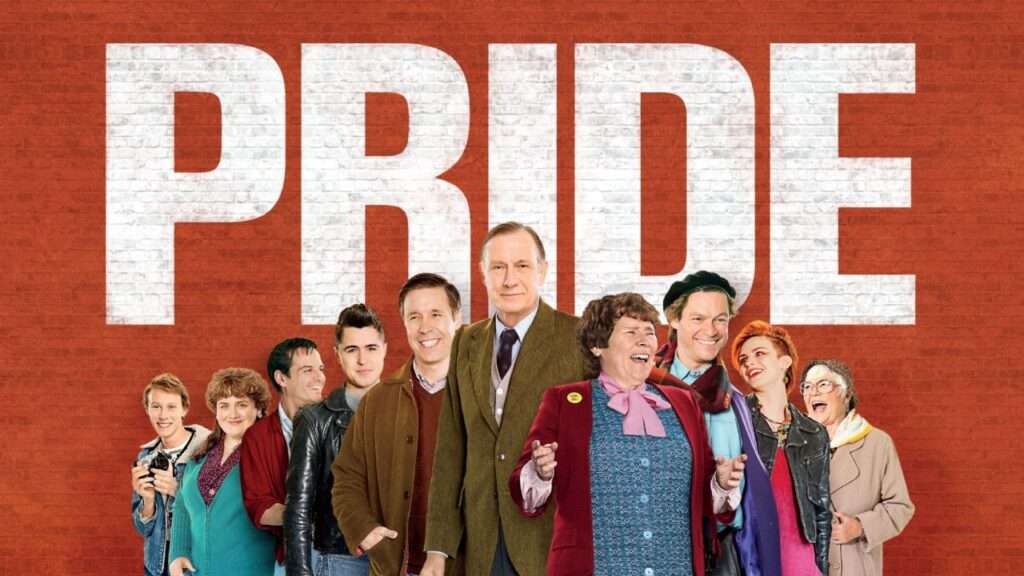
Before it was a hit musical, PRIDE began its life began as a film, released in 2014 and starring Bill Nighy, Imelda Staunton, Dominic West, Andrew Scott, Paddy Considine, George MacKay, Joseph Gilgun and Ben Schnetzer. Written by Stephen Beresford and directed by Matthew Warchus (who would reunite for the musical), the film was a critical success, winning the Queer Palm at Cannes alongside several BAFTA and Golden Globes nominations. It also won Best British Independent Film at the 2014 British Independent Film Awards.
While it wasn’t a commercial success in the traditional sense, the film has gone on to have a long life thanks to word-of-mouth, LGBTQ+ focused programming, and streaming. It’s been praised for balancing real political history with warmth and genuine comedy. As Mark Kermode of the Guardian put it, Warchus opted “to respect and empower anyone willing to fight the good fight.”
The musical reunites the same writer and director, which means it isn’t just a reinterpretation but a continuation of the same creative vision.
The creative team behind PRIDE
The production is directed by Matthew Warchus, best known for Matilda the Musical (the stage production and the film) as well for his tenure as artistic director of the Old Vic, where he directed numerous productions, including A Christmas Carol, now in it’s 10th year.
The book and lyrics are by Stephen Beresford, who wrote the original 2014 film screenplay. His other work includes The Last of the Haussmans and Tolkien, starring Nicholas Hoult, Lily Collins, Colm Meaney, and Derek Jacobi.
The original score is by Christopher Nightingale, Josh Cohen and DJ Walde and draws on pop, rock, disco and Welsh choral music. The wider creative team includes set and costume design by Bunny Christie, choreography by Lizzi Gee, lighting design by Hugh Vanstone, and sound design by Bobby Aitken.
Historical Context of the Show
The musical is set against the very real backdrop of the UK miners’ strike of 1984–85. It was one of the most significant and bitterly contested industrial disputes in modern British history, in which Margaret Thatcher’s government faced down the National Union of Mineworkers over pit closures. The strike devastated mining communities across Wales, England and Scotland.
Around the same time, the gay rights movement was gaining momentum. The community was targeted by continued police harassment of gay venues and individuals, with hostilities escalating with the emergence of the AIDS crisis.
Mark Ashton recognised the similarities between the two and began to fundraise, creating the activist group Lesbians and Gays Support the Miners. They raised thousands of pounds for stiking families in Wales and in return, the miners joined the 1985 London Pride. They also urged their union to push for gay rights resolutions within the wider labour movement.
Mark Ashton, the activist at the story’s centre, died of an AIDS-related illness in 1987 at the age of 26.
Why the Show Matters
The musical might dramatizes a genuine, well-documented act of solidarity between two communities who every reason to turn away from each other, but it does so in a warm and touching way, without losing sight of the real people who fought the fight.
PRIDE is also a notable example of a distinctly and proudly queer, working-class British story finding mainstream commercial success on a major stage, something critics have suggested could open doors for similar shows.
It’s hard not to see how, despite taking place nearly 40 years ago, the subject matter still feels incredibly urgent and relevant in a more politically polarised present. The show doesn’t labour the point but it does highlight what ordinary people can accomplish when they come together.
What to Expect on the Night
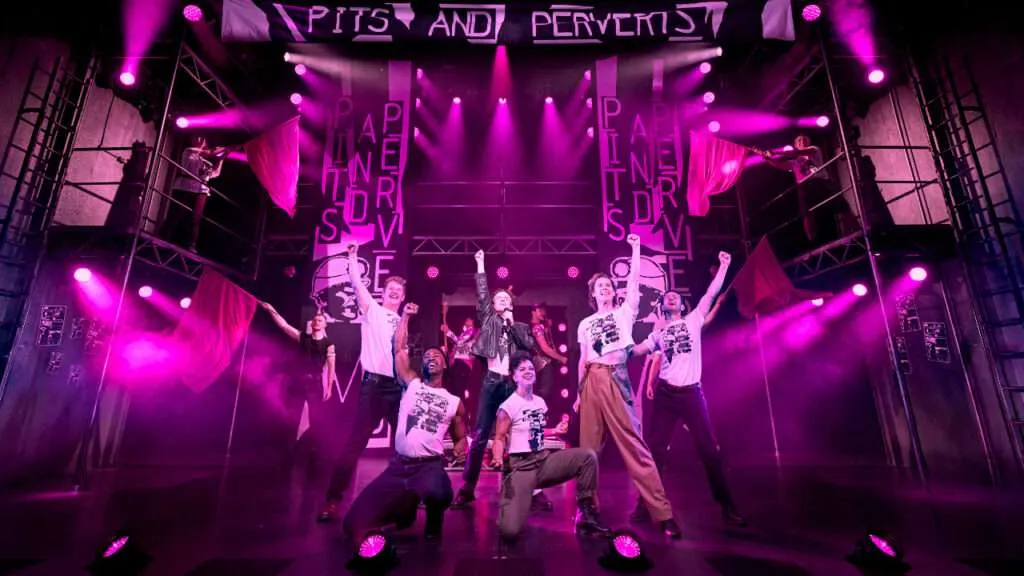
It’s funny, it’s heartwarming, it’s challenging… PRIDE doesn’t just fit into one box. The Guardian praised PRIDE for leaning “into the same joy-filled spirit as the film” while TimeOut was complimentary about the production’s penchant for ‘never neglecting to find the very human humour in even its most sombre moments.’ Several reviews have described audiences on their feet applauding before the lights had even fully come up at the end.
The film was a pleasure to watch, and the musical takes it a step further for something even better. At 2 hours and 40 minutes, this is standard musical fare, but it’s one that packs a punch. The subject matter is heavy with references to the AIDS crisis, police violence, and industrial conflict, but there’s plenty of heart and emotion too.
Is Pride Worth Seeing?
Emphatically YES. The fact that it sold out two limited runs speaks volumes, and critics showered the production with praise. If you want a genuinely moving, funny musical grounded in history, this is a must see.
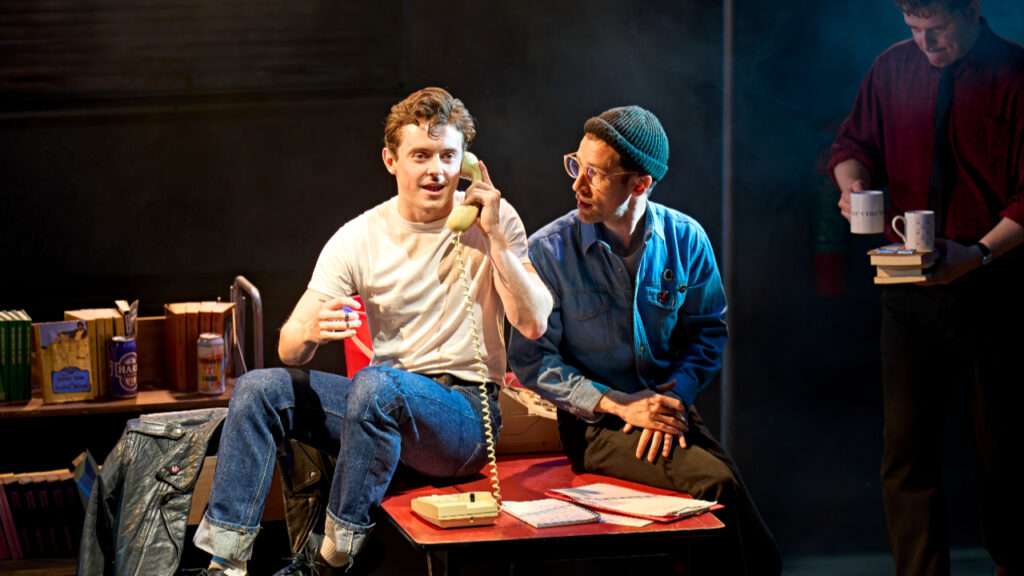
The production transfers to the Bridge with much of the National Theatre cast intact, including Samuel Barnett, who received particular praise from critics for his role as Jonathan, one of the first people in the UK to be diagnosed with HIV and a member of LGSM.
This musical is weighty and big, but its uplifting and a real delight. Now that it’s transferring, more audiences have the chance to experience it firsthand, and they absolutely should.
Plan Your Visit to PRIDE
- Venue: Bridge Theatre, 3 Potters Flds Pk, London SE1 2SG
- Booking dates: 12 November 2026 to 8 May 2027
- Performance schedule: Monday to Saturday evenings; Thursday and Saturday matinees
- Running time: 2 hrs 40 mins (including interval)
- Age guidance: 12+
- Getting there: London Bridge station (Jubilee, Northern lines, and National Rail) and Tower Hill station (Circle, District lines). Several bus routes also stop nearby along Tooley Street.
- Access Performances: Current scheduled access performances include Captioned on Wednesday 3 February at 7.30pm, Audio Described & Touch Tour on Wednesday 10 February at 7.30pm and British Sign Language on Wednesday 24 February at 7.30pm
Bridge Theatre, London
Related News
What to expect from Pride the Musical ahead of highly anticipated transfer to the Bridge Theatre
Anne-Marie Duff stars in world premiere of Some Woman by Helen Edmundson at the National Theatre: see newly released production images

The full cast of PRIDE the Musical announced with special video from Andrew Scott, Jessica Gunning, Imelda Staunton, Bill Nighy and Dominic West, who starred in original film
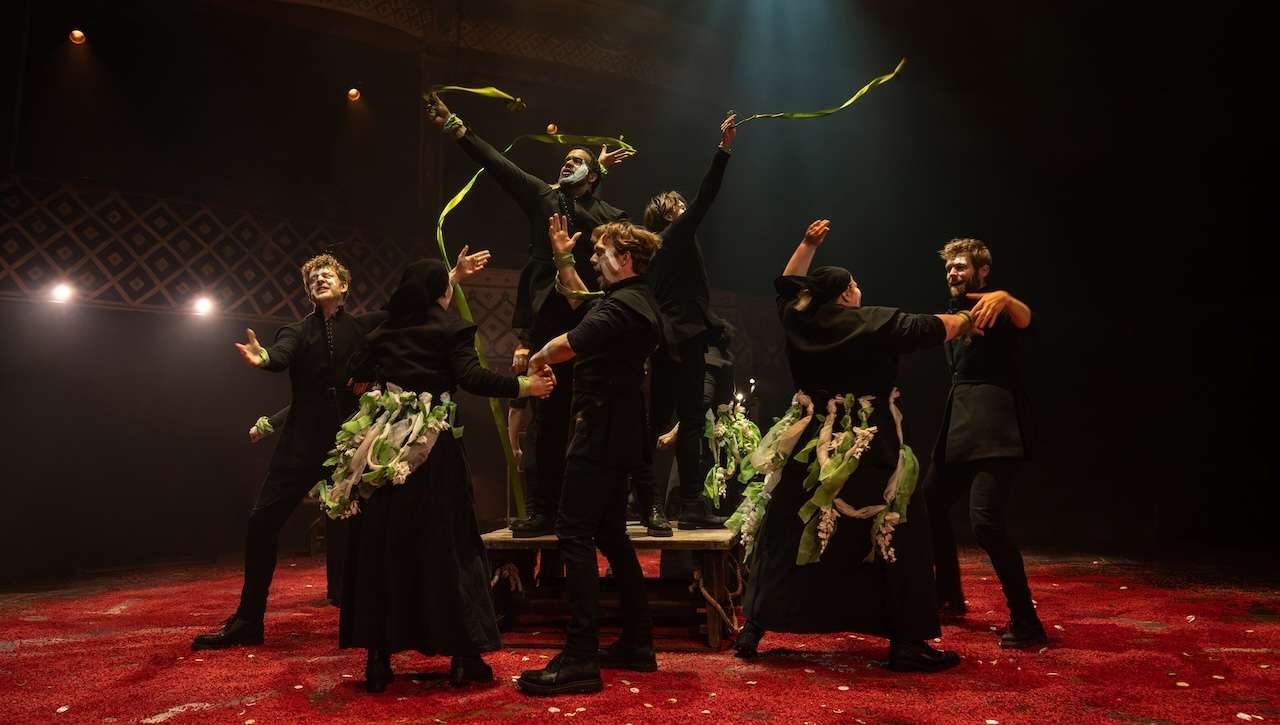
Brand-new production images released for Martin Guerre at the Old Vic, from the creators of Les Misérables
Latest News
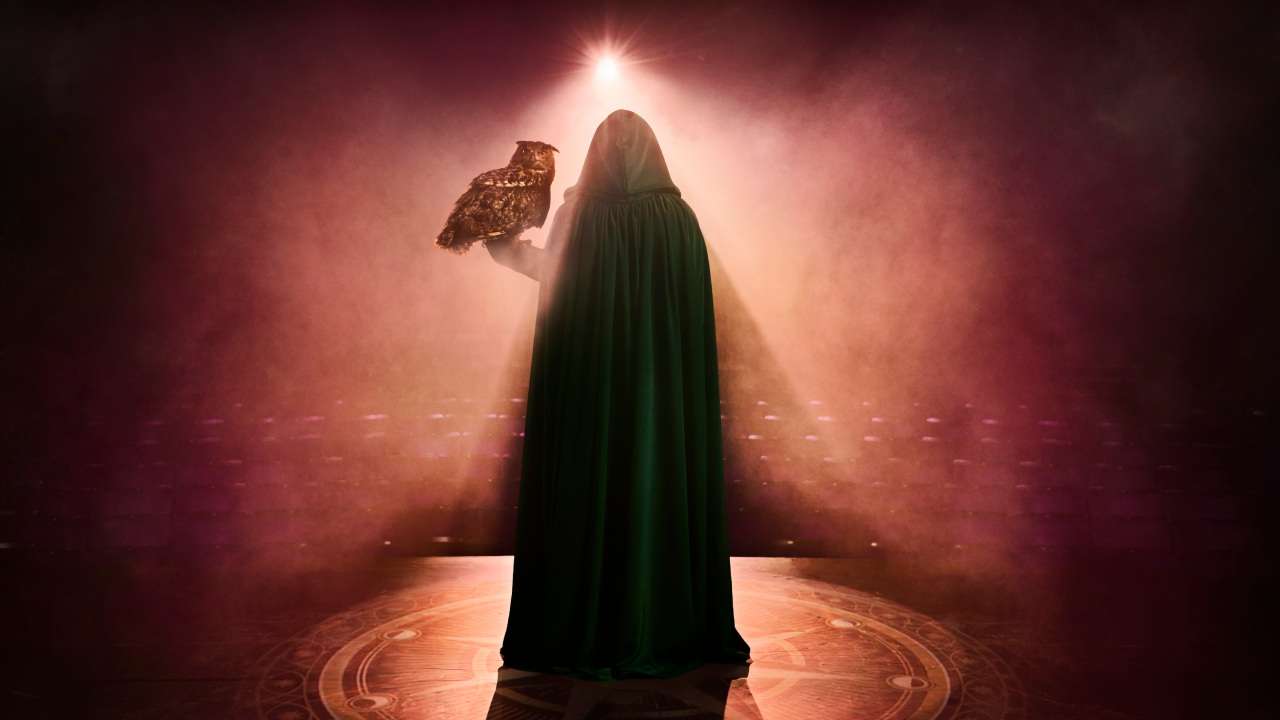
Everything you need to know about The Traitors: Acts of Betrayal in London
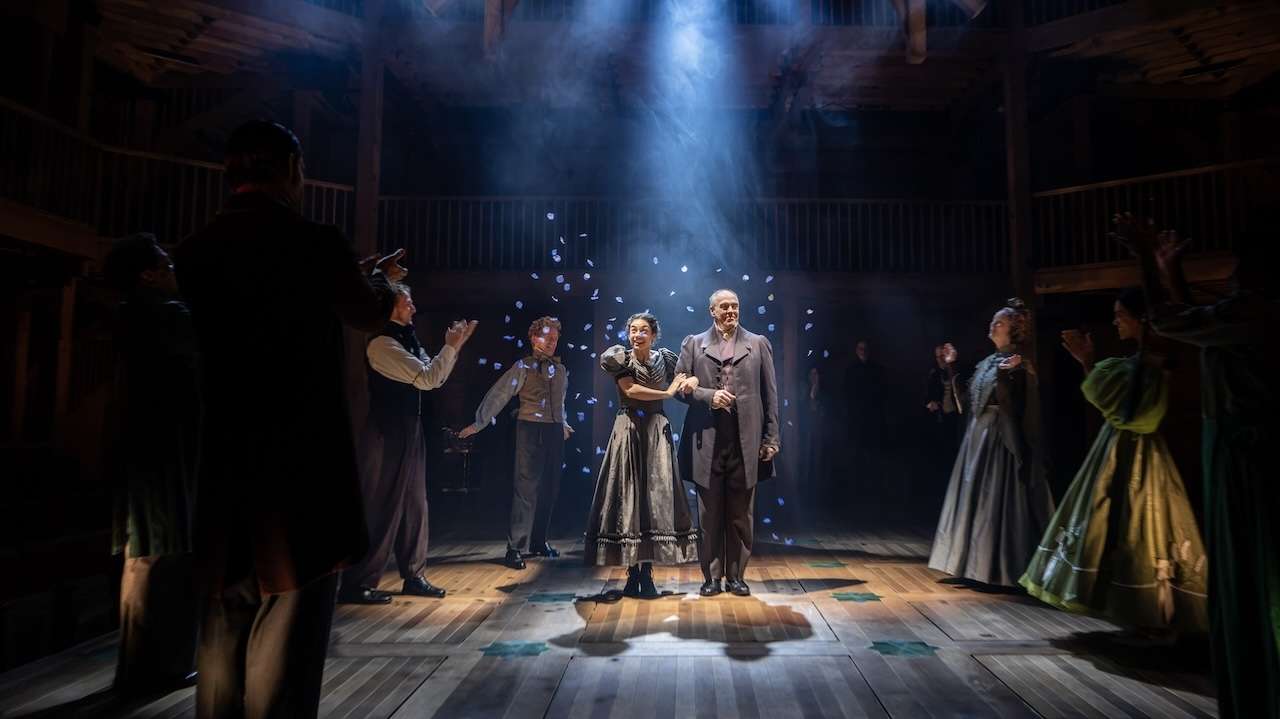
Nina Raine’s sweeping new adaptation of Middlemarch arrives at the RSC: See brand-new images from the production
What to expect from Pride the Musical ahead of highly anticipated transfer to the Bridge Theatre