
Reviews are in for the world premiere of Benedict Andrews’ Electra/Persona at the National Theatre, starring Cate Blanchett and Nina Hoss. Critics agree the two actresses are mesmerising in this Sophocles/Bergman mash-up, but they’re split on whether the concept itself holds together.
Benedict Andrews new fusion piece Electra/Persona premiered at the National Theatre this week, blending Sophocles’ Electra to Ingmar Bergman’s 1966 film Persona. Stars Cate Blanchett and Nina Hoss lead the intimate cast, and each night they swap roles based on the toss of a coin.
Critics agree that the shows two stars are riveting, calling Blanchett and Hoss’s performances the main event but where they diverge is on the show’s structure: some critics found that the Sophocles half lands more successfully than the Bergman half, with others thought the concept as a whole didn’t quite hold up.
The verdict: The production features two electrifying performances from Blanchett and Hoss, but critics were divided on whether or not the occasionally uneven fusion of Greek tragedy and arthouse cinema lands.
Critic’s comparison
| Publication | Rating | The Key Takeaway |
| BroadwayWorld | ★★★★★ | An audacious pairing whose elegant parallels genuinely enrich both works. |
| Time Out | ★★★★ | Doesn’t entirely work, but watching Blanchett and Hoss is worth it. |
| WhatsOnStage | ★★★ | Intellectually loose but never less than dazzling, powered by two star turns. |
| The Stage | ★★★ | Slickly staged but ultimately ‘theatre for the head, not the heart.’ |
| The Times | ★★★ | Blanchett alone is worth the ticket, but the fused script is a harder sell. |
| The Guardian | ★★★ | A searing Electra let down by a ‘strangely sterile’ Persona. |
| The Telegraph | ★★★ | Beautifully rethinks Sophocles but proves unequal to Bergman |
The reviews: what they loved about Electra/Persona
- Blanchett and Hoss themselves: The consistent thread with all critics was how powerful the two actors were. BroadwayWorld’s Clementine Scott called their chemistry ‘erotic, maternal and hostile,’ while Time Out’s Andrzej Lukowski framed the whole show as ‘a flex over how good’ they are, reiterating later that Blanchett and Hoss are ‘really, really good.’
- The nightly coin-toss device: what could be a gimmick ends up working very well. BroadwayWorld, the Guardian, WhatsOnStage and Telegraph all flagged the live coin flip as a clever way to ground the show’s themes of identity and duality.
- The Electra/Sophocles half: Critics were largely in agreement that the first ‘half’ was the stronger, for all that it’s shorter and there’s no interval to delineate. The Telegraph’s Claire Allfree praised the ‘pin-sharp emotional clarity’ that Andrews’ take on Electra offered, while The Guardian’s Arifa Akbar called it ‘much more successful’ than his take on Bergman’s classic.
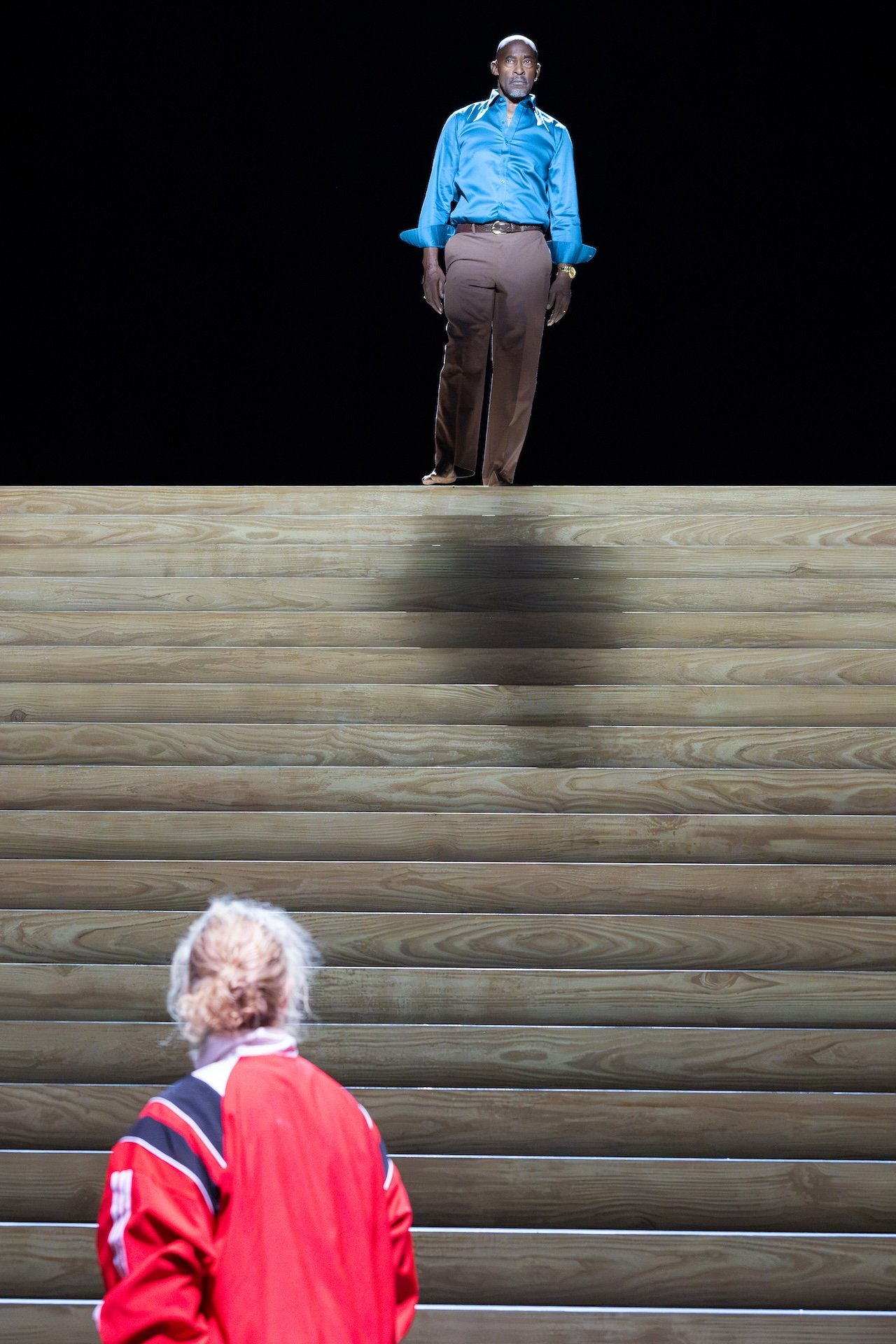
- The set, sound and costume: Magda Willi’s steep, ziggurat-like wooden staircase set drew consistent praise from critics: The Stage called it ‘dizzying’ while Time Out referred to it as ‘disorienting’. Merle Hensel’s costumes (like Agamemnon’s military jacket or Clytemnestra’s furs) were singled out by BroadwayWorld while Hildur Guðnadóttir’s score was called ‘gentle but ominous’ and Jon Clark’s lighting praised for shifting the mood from ‘balmy summer to inky netherworld’ by Time Out.
The reviews: what fell flat for Electra/Persona
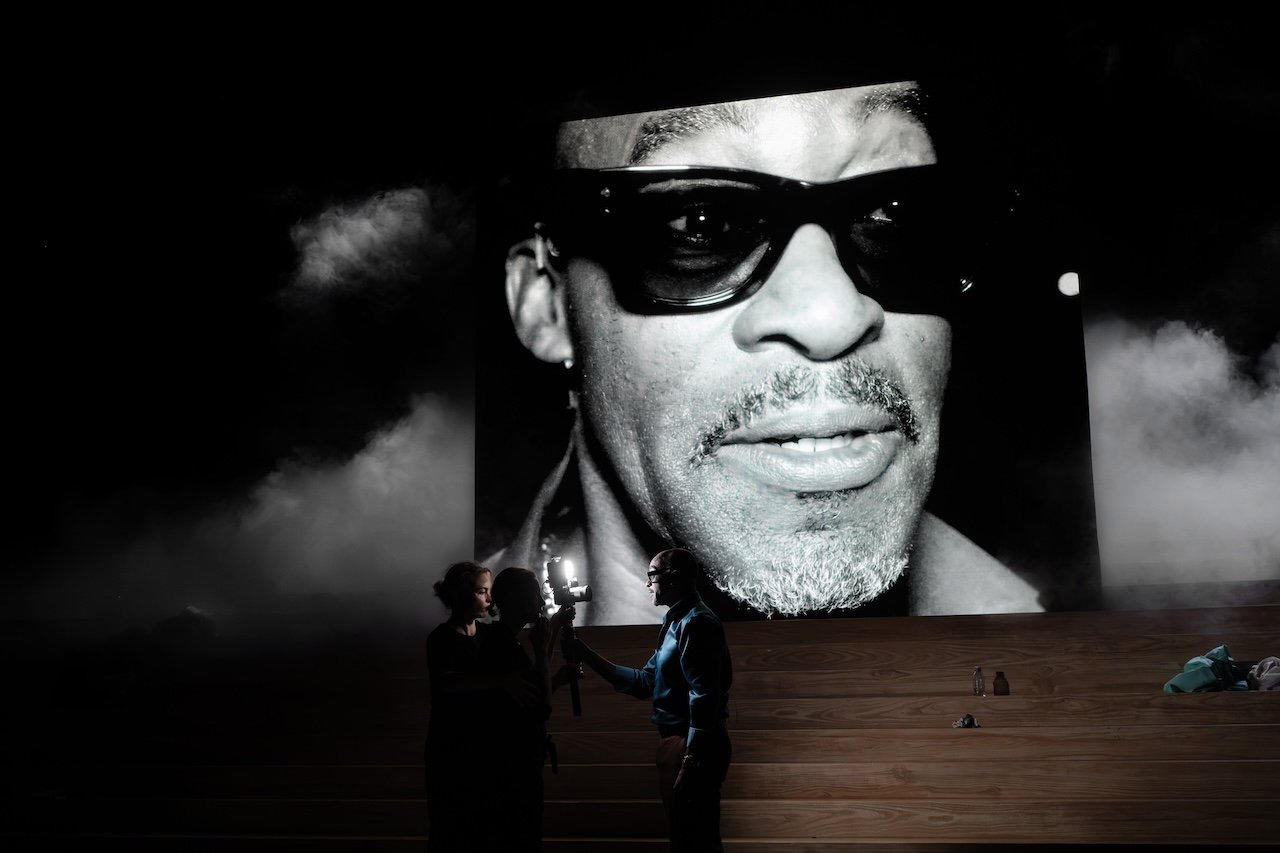
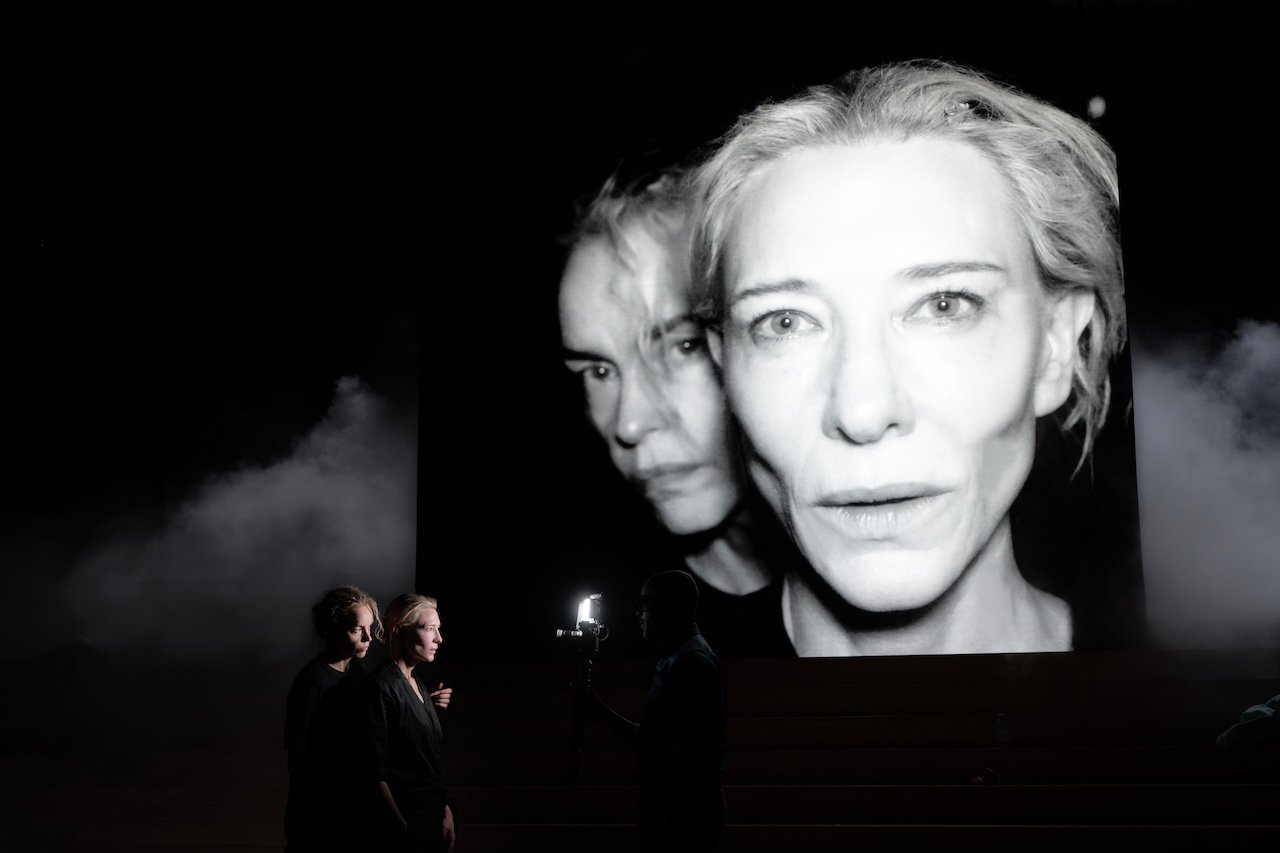
- The Persona/Bergman half and its use of live camera: This element of the production proved divisive to critics, with many feeling that while it was powerful to see Blanchett and Hoss up close, the use of cameras was ‘unequal to Bergman,’ as The Telegraph commented. The Guardian found the Persona half ‘strangely sterile’ and found the backstage-camera device an ‘old trick.’
- Tonal imbalance between the two halves: Time Out’s core critique was on the structure of the play, arguing that ‘Electra is good, Persona is good, Electra/Persona isn’t necessarily one for the ages,’ largely because the shorter, lighter Electra section is overshadowed by the much longer, more demanding Persona section. TimeOut felt the shorter Electra section ends up ‘somewhat thrown away.’
- Supporting roles: WhatsOnStage noted Ella Lily Hyland and Patrick Robinson are stuck in ‘unrewarding but necessary’ parts.
The back story
Electra/Persona fuses two very different works in to one. Sophocles’ Electra follows a daughter locked in a cycle of vengeance against her mother, Clytemnestra, who murdered her father Agamemnon. Ingmar Bergman’s 1966 film Persona follows an actor, Elisabeth, who falls silent mid-performance of Electra and is cared for by a nurse, Alma, whose identity begins to blur with her patient’s.
As the boundaries between myth and reality begin to dissolve, the blended works explore grief, trauma, identity, memory and the masks we create to survive.
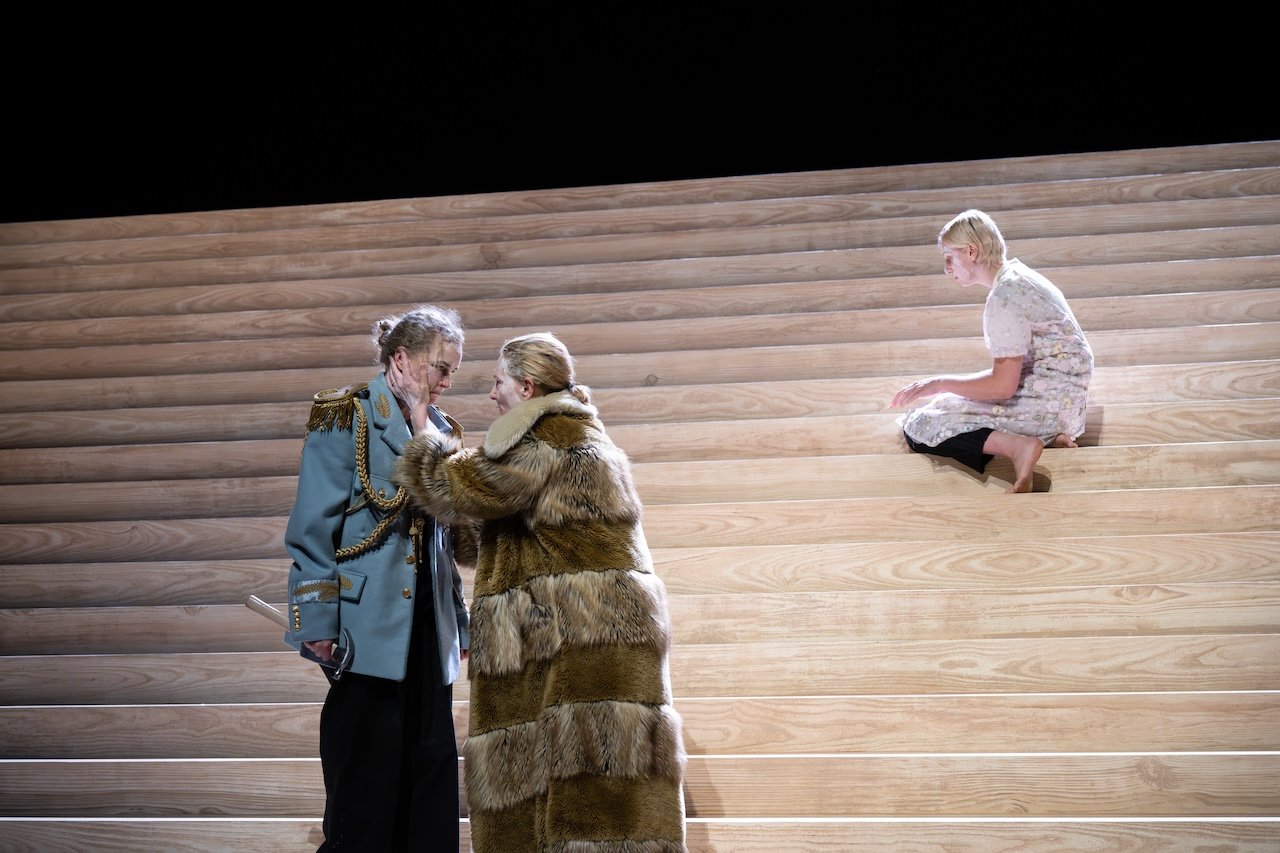
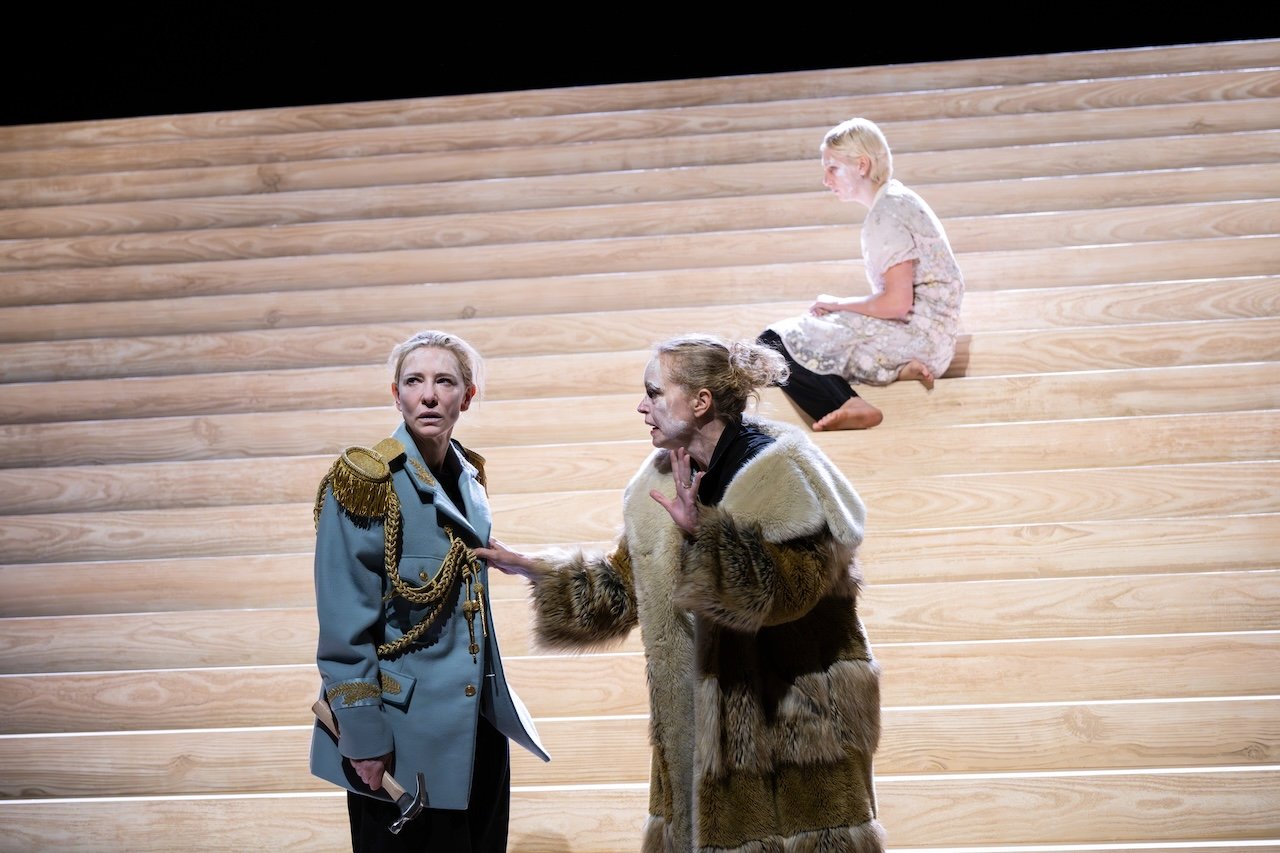
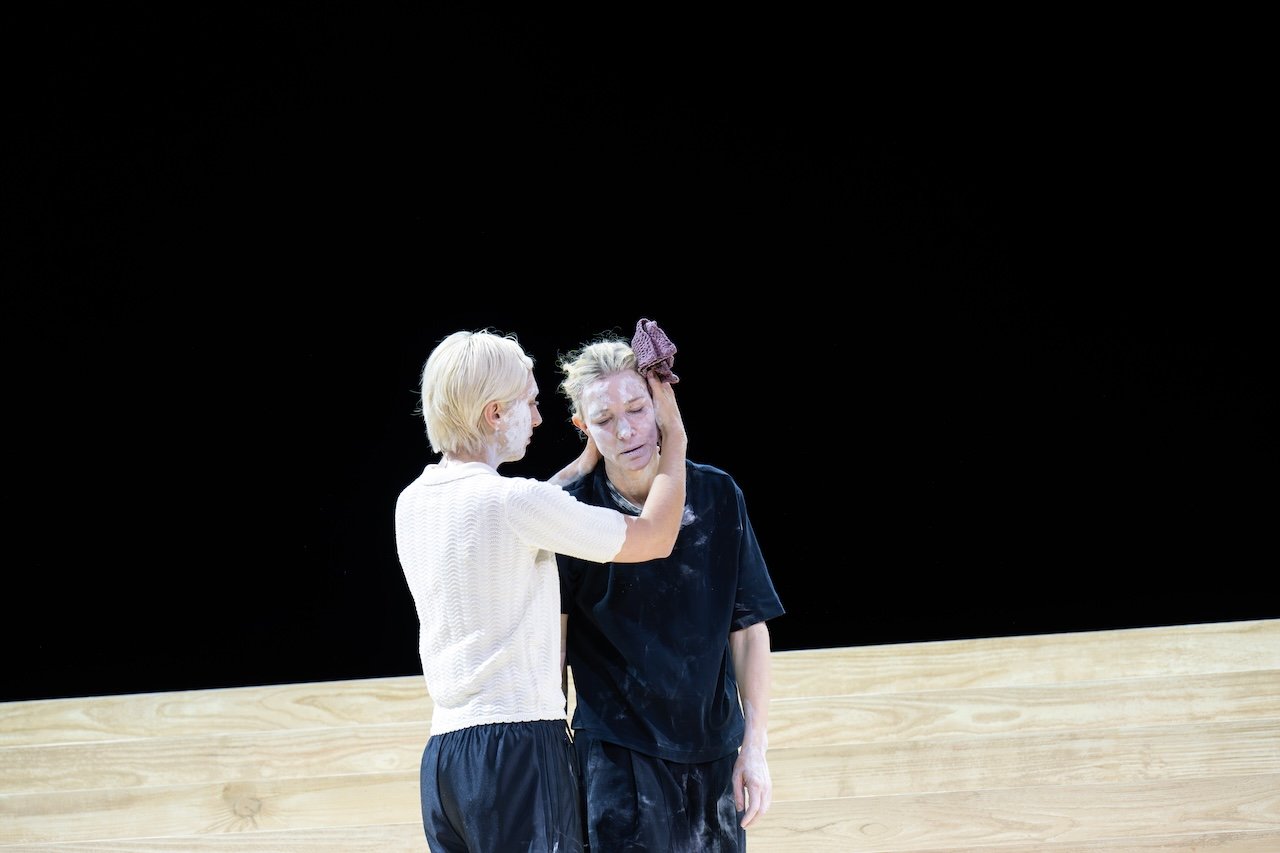
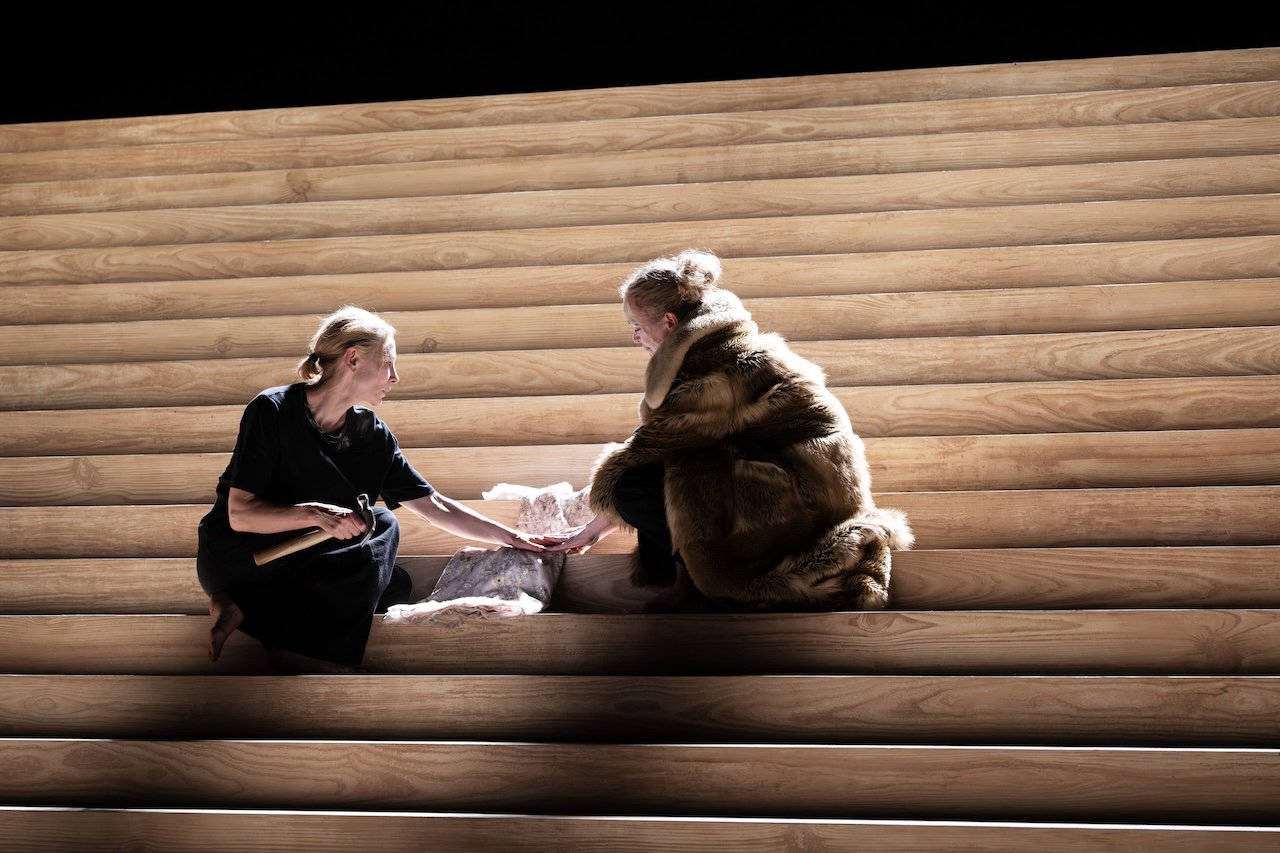
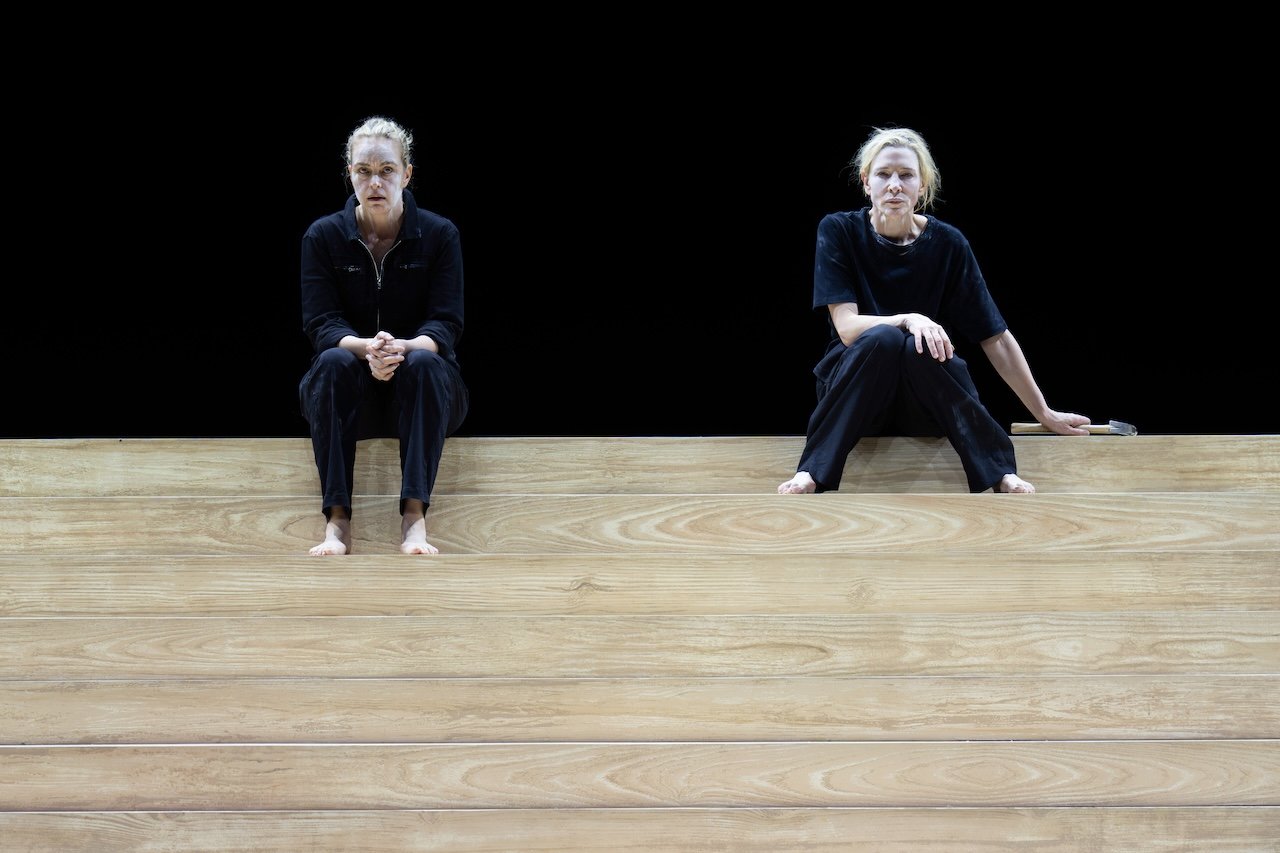
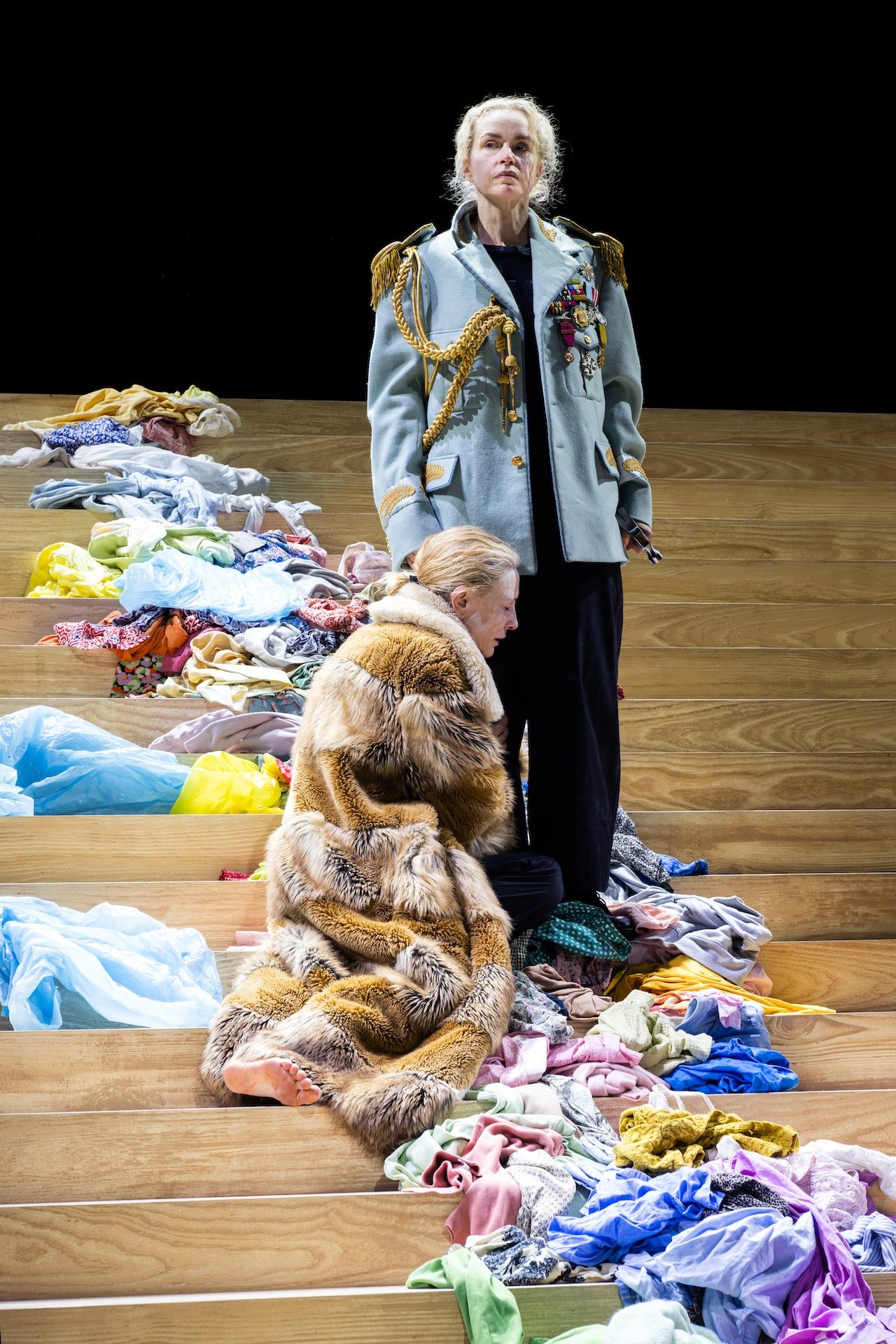
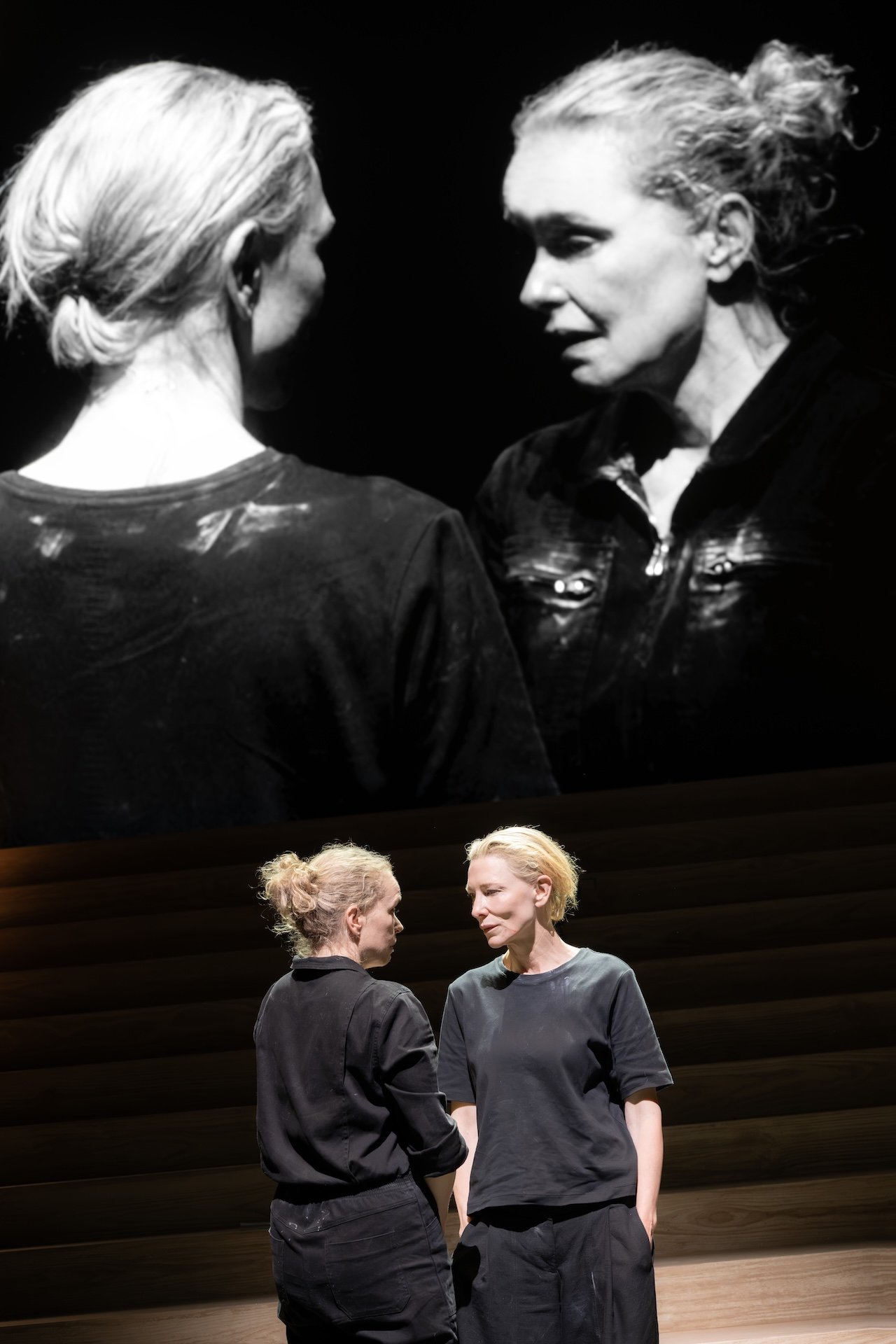
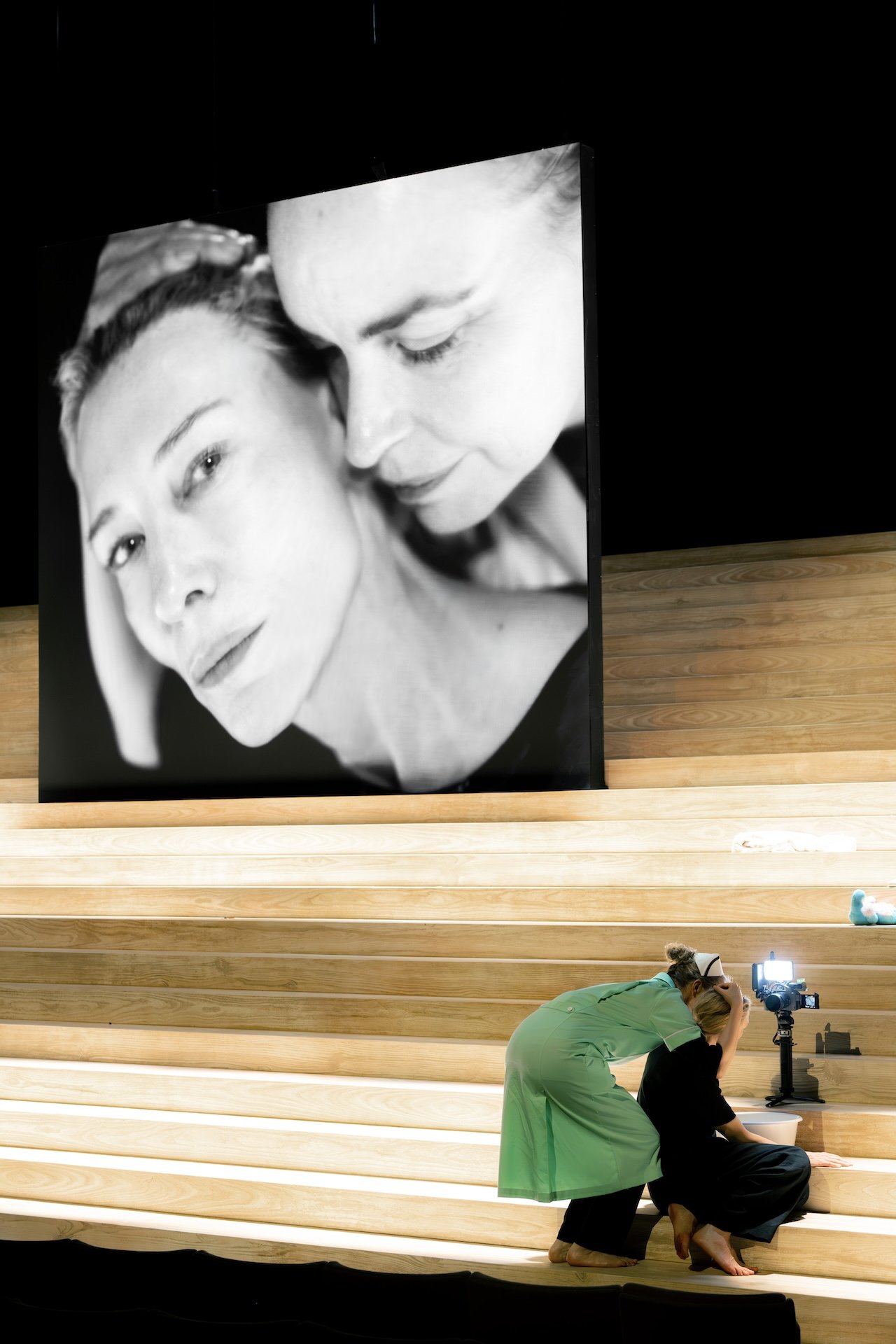
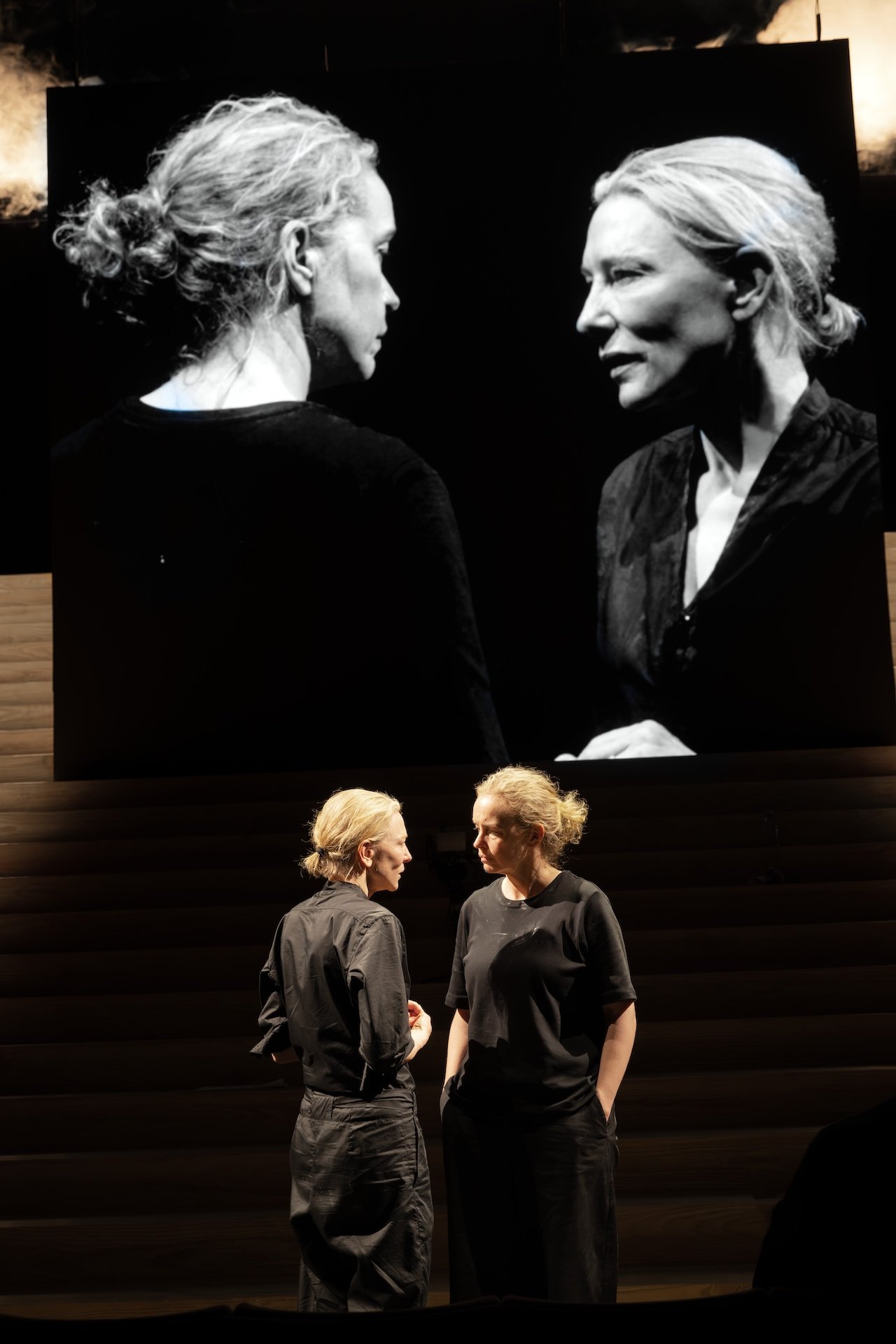
The cast includes:
- Electra / Alma & Clytemnestra / Elisabeth: Nina Hoss & Cate Blanchett, alternating based on a coin toss
- Chrysothemis: Ella Lily Hyland
- Aegisthus: Patrick Robinson
The creative team includes writer and director Benedict Andrews, set designer Magda Willi, costume designer Merle Hensel, lighting designer Jon Clark, sound designer Brendan Aanes, with video/projection design by Ash J Woodward, composition by Hildur Guðnadóttir, and dramaturgy by Sasha Milavic Davies.
Where to see Electra/Persona
- Venue: National Theatre, until 10 October 2026
- Runtime: 2 hours (without interval)
- Full details on Electra/Persona
What are the critics saying about Electra/Persona?
"Australian writer-director Benedict Andrews takes a new tack – he poses the question of why, of all the plays, Elisabet’s breakdown should happen during Sophocles’ Electra."
"A central feature of Andrews’ production is that his stars, Cate Blanchett and Nina Hoss, toss a coin before each show to determine who’ll be playing Electra and Clytemnestra."
"It’s far from a gimmick. Immediately, we get a sense that the roles these actors are playing are not fixed, but permeable, and will bleed into one another."
"Andrews doesn’t always have total confidence in his vision. Perfunctory nods to social media news fatigue and to the climate crisis lack subtlety, and feel at odds with these characters’ inward-looking self-obsession."
"The aforementioned onstage camera work serves its thematic purpose, and is a fine showcase for both performers’ skilful facial acting, but often tips into Jamie Lloyd-esque self-indulgence, or mimics memorable shots from the Bergman film without expanding upon them."
"Both Andrews’ sElectra and his Persona could more than stand on their own as imaginative takes on seminal texts that reward those with knowledge of the source material. But the production’s real strength is in the elegant parallels it draws, to form a new whole that enriches and enhances the work of both Sophocles and Bergman."
"From the POV of an audience member who will (probably) only ever see it one way around, let’s call it what it is: a flex over how good Blanchett and Hoss are. And they’re really, really good."
"Even if Benedict Andrews’ production doesn’t entirely ‘work’, the sense that it is just bloody amazing having two incredible actors doing an enormous amount of acting – and that we’re actually only seeing half of it – carries the night."
"While there are links between the pieces, you could drive yourself mad looking for continuity: I think it’s easier to view Electra/Persona as a double bill."
"The Bergman adaptation is much more faithful to the original, albeit it’s set in the present day (a mobile phone is a big plot point). There is much more stage trickery in this part, notably the prominent deployment of live film."
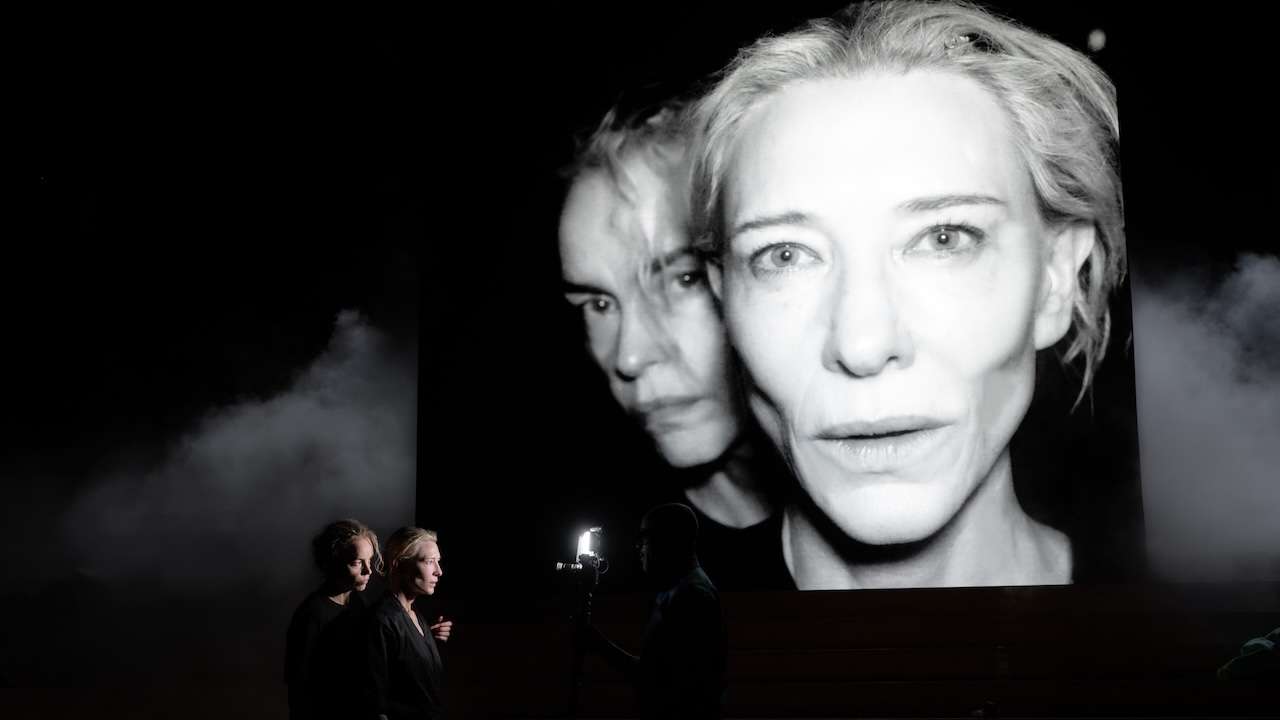
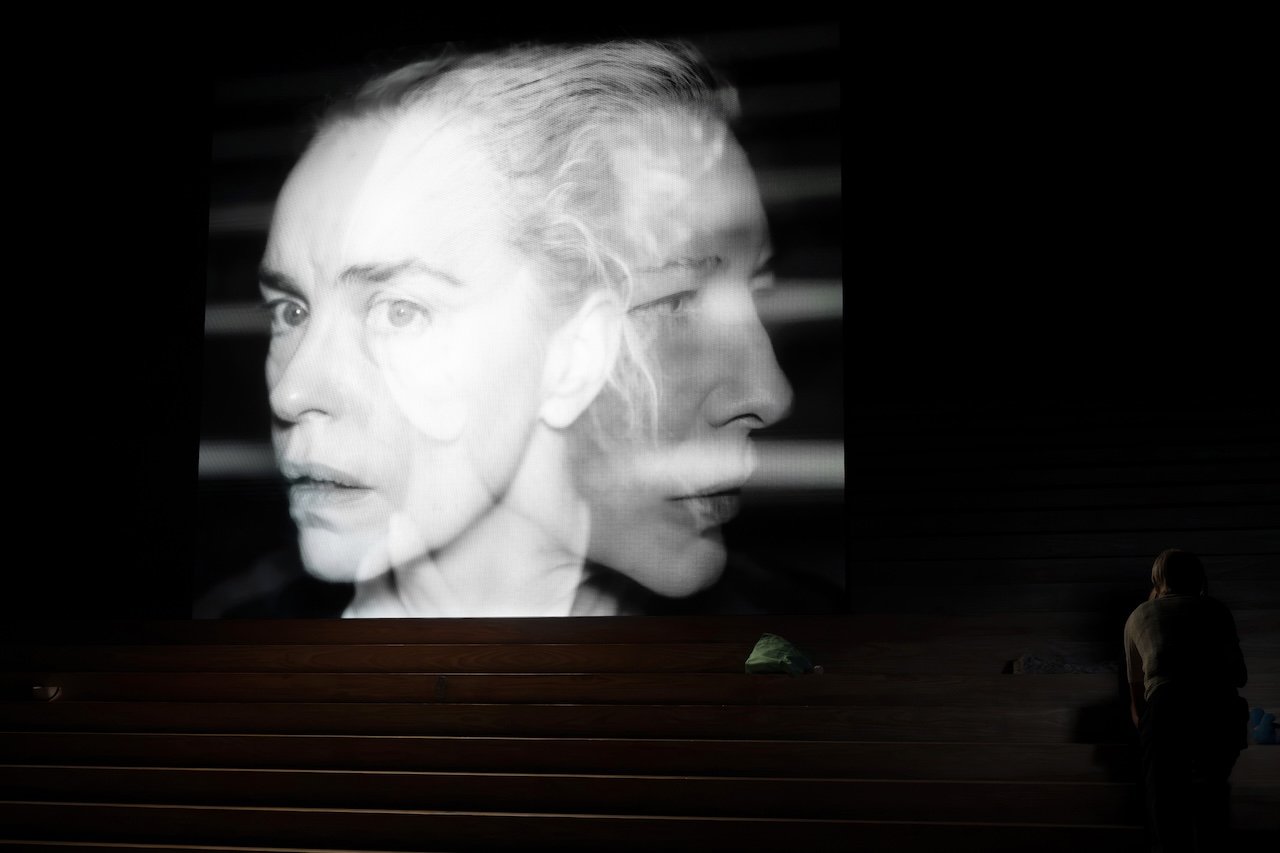
"There’s some virtuosic live camera work, but it’s all in aid of the actors: Hoss’s huge, scared eyes, Blanchett’s agelessly beautiful face rendered sinister and skull-like in shadow, and the two women’s movements settling into eerie lockstep."
"Hildur Guðnadóttir’s original soundtrack is gentle but ominous, recordings of heartbeats and – according to the credits – teeth, with added strings. There is particularly fine lighting, from Jon Clark, that takes us from balmy summer to inky netherworld."
"Electra is good, Persona is good, Electra/Persona isn’t necessarily one for the ages."
“What it lacks in intellectual coherence, it more than makes up for with its sheer star power – which is appropriate enough since one of its multiple themes is acting itself.”
“The evening draws attention to its own innate theatricality by starting with Blanchett and Hoss, their blonde hair pulled back in fierce buns, and dressed in black shirts and trousers, walking into the Lyttelton’s auditorium and asking an audience member to toss a coin. The outcome determines what parts they will subsequently play.”
“Here [Andrews] yokes a fairly radical version of Sophocles (where Electra morphs into her own brother Orestes) onto a reasonably faithful approximation of Persona, which slightly softens some of its harder blows.”
“It is however, one thing to notice some similarities and another to make two works, radiant and revolutionary in themselves, shine light on one another. ”
“Benedict Andrews’ stitching of the ancient Greek play and Swedish film is slickly staged and persuasively performed, but clinically intellectual.”
“The roles of the actor Elisabeth and nurse Alma are played entrancingly by Hollywood royalty Cate Blanchett and her Tár co-star Nina Hoss – who alternate characters.”
“But Andrews incorporates an appetiser in the form of a mini production of Electra – one that dials down the tragedy and heightens the comedy, holding its audience at arm’s length to remind us it’s all pretend.”
“It illustrates the production’s wider arguments around duality and playing roles, but makes for sterile viewing.”
“Taboos surface and shame swirls as the women’s lives begin to merge, and another strangled mother-daughter relationship eventually emerges. We feel little when it does, though. It’s not a case of too little too late, but for all its stylishness and persuasive performances, this production is clinically intellectual – theatre for the head, not the heart.”
“Blanchett remains such an icily charismatic presence that you’re reluctant to look away even when the pace sags.”
“Still, as the overlong Bergman segment wafts towards its conclusion, it’s the crispness of the images of the two women projected on to a compact screen that holds your attention rather than the script itself.”
“It’s the Greek section that proves slightly more satisfying. Andrews has added modern ingredients to the Trojan War tale.”
“Blanchett and Hoss’s immaculate screen technique comes to the fore: these are actors who can make the most of the smallest gesture.”
“Brendan Aanes’s sound design is claustrophobic in both sections.”
“As theatre, though, it lacks spontaneity.”
“Blanchett and Hoss face off in lopsided Sophocles/Bergman double bill”
“Benedict Andrews’ drama after Bergman and Sophocles first welds the two together, then raises the concept higher by enlisting his star castings in Cate Blanchett and Nina Hoss to share the parts of Electra and her murderous mother, Clytemnestra, as well as Bergman’s inexplicably silent actor, Elisabeth, and her nurse, Alma, who fall into a disturbing, mirrored relationship.”
“It’s a clever twist (too clever?) that seems earnest in its intentions to eke out mother-daughter friction from each drama, as well as exploring ideas on performance, how actors assume roles and who they become when they are off-stage – rather than a production conceived as theatrical sport.”
“this intense, interval-free show is quite literally a game of two halves, Andrews’ overhaul of the ancient much more successful than his strangely sterile play on Bergman’s classic.”
“There is some clever overlay between the two parts, with same props and costumes turning up. But Alma’s monologues seem like witterings against Elisabeth’s silences.”
“As a double bill, of sorts, the first is the showcase, not only of its two central performers but the power of performance itself.”
"It’s a coup too for the National to get Blanchett who here gives [Persona] a blast of fresh air and a strong dose of Hollywood glamour following a lacklustre couple of years."
"Andrews signals the artifice from the outset. Just as Persona begins with a montage that includes images of projectors and film strips, here Hoss and Blanchett first rub their faces with chalk, like a Greek mask, before stepping on stage."
"Andrews allows us another perspective on Electra’s all-consuming grief – it’s a performance, indulged in by Electra and observed with cynical weariness by her mother."
"Andrews then tips us into Bergman’s film, the shift signalled for real – in somewhat hackneyed fashion – by stage hands mopping up the stage."
"While Andrews lends a pin-sharp emotional clarity to Sophocles, he fails to find a theatrical language to match Bergman’s cinematic artistry."
"Hoss and Blanchett are entirely watchable, although Hoss has the edge, her Electra ravaged by anguish but also amusingly prone to adolescent petulance."
Related News
What to expect from Pride the Musical ahead of highly anticipated transfer to the Bridge Theatre
Anne-Marie Duff stars in world premiere of Some Woman by Helen Edmundson at the National Theatre: see newly released production images

The full cast of PRIDE the Musical announced with special video from Andrew Scott, Jessica Gunning, Imelda Staunton, Bill Nighy and Dominic West, who starred in original film
Everything you need to know about PRIDE the Musical
Latest News
Everything you need to know about The Traitors: Acts of Betrayal in London
Nina Raine’s sweeping new adaptation of Middlemarch arrives at the RSC: See brand-new images from the production
What to expect from Pride the Musical ahead of highly anticipated transfer to the Bridge Theatre