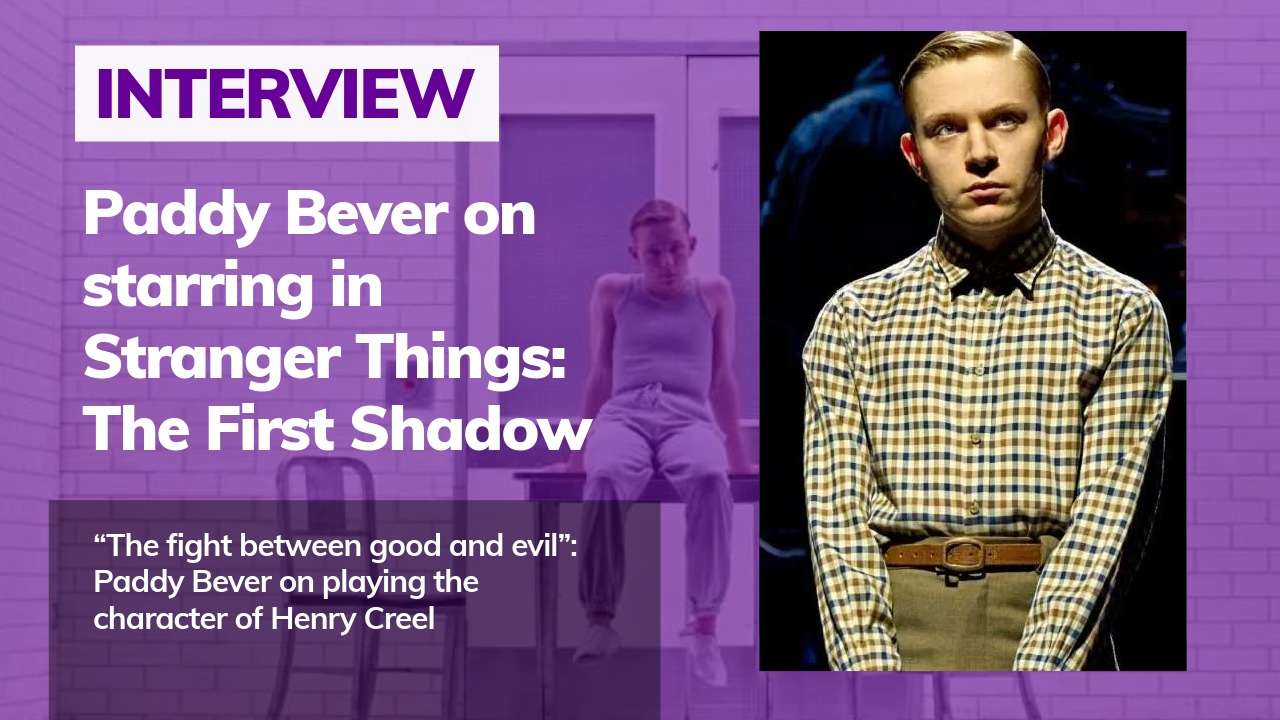

Paddy Bever took over as Henry Creel in Stranger Things: The First Shadow in June 2026 in his professional stage debut, and the role that will close the West End production this December. He talks about submerging himself in a character built on darkness, and what it means to be the one who closes the show.
Paddy Bever stepped into the role of Henry Creel, the part that carries the entire mythology of the Stranger Things mythology on its shoulders. Previously best known as Max Turner in Coronation Street, a role that won him the Rising Star prize at the National Television Awards in 2022, we spoke to him about submerging himself in a character built on darkness, the question of whether monsters are born or made, and what it feels like to be the actor who closes the show.
Becoming Henry Creel
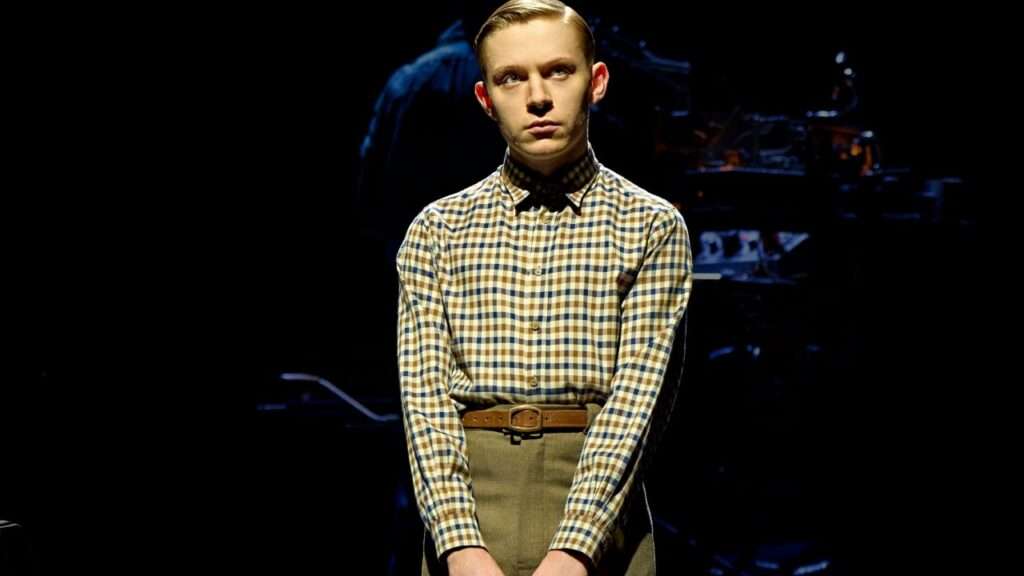
For Bever, the appeal of Henry was always in the contradictions: a boy caught between love and despair, hope and horror. “What attracted me to the role of Henry was the fight between good and evil,” he says, “and that sort of juxtaposition between his love and his feelings for Patty and her optimism, which is just lovely in comparison with his darkness.” Watching a 14-year-old become a monster over the course of a single performance, he adds, is “such an exciting thing as an actor — to have so much to play with every night is genuinely a real gift.“
Taking on a character who effectively unlocks the entire Stranger Things universe required a slow and deliberate process. “I approach the character in a similar way to sort of immersing yourself in water, where you sort of submerge yourself very slowly,” Bever explains. “The most important question that you can ask as an actor is: why does he say this? Why does he do this? Why does he walk towards Patty there?” It’s a step-by-step process, he says, one he’s built “day by day, until you’re completely underwater and the character is within you.“
Are monsters born or made?

The play’s defining question: whether monsters are born or made, sits at the centre of Bever’s approach to Henry.
“My heart wants to believe that monsters are not born, that they are made,” he says. “I don’t feel that Henry was born a bad egg.” That belief holds even as Henry arrives in Hawkins trying, genuinely, to start again. “I think he’s trying to behave himself. He’s very aware that his parents have moved to this place because of something that he has done, or an injury that has been caused by him,” Bever says. “I really feel for him when he’s trying to be normal. Not to excuse any of his later actions, of course, but I do think that his need to fit in and be accepted by the crowd is something that we can all relate to.“
Playing a character rooted so specifically in 1959 also meant rethinking his physicality from the ground up. “All I’ve done so far in my career is play someone in the now and the present day,” he says, “so that’s really interesting to explore: the music and the clothing and everything affects your physicality and how you stand.” The era’s reserve shapes Henry too: “There was a veil of politeness over Henry’s feelings, and that influences how open he can be with his classmates and with his mum and with other people.“
From Coronation Street to the Phoenix Theatre
Moving from years of long-running television to eight shows a week has been one of the biggest adjustments. “There are vast differences between television and theatre,” Bever says. “The immediacy of having an audience right in front of you versus having an audience at home who are watching six to eight weeks after you film is so different, because you can hear reactions,and I think that’s wonderful, because it influences the performance every night in a different way. The energy of the room is different.“
Chaos, spectacle and a role he’s inherited

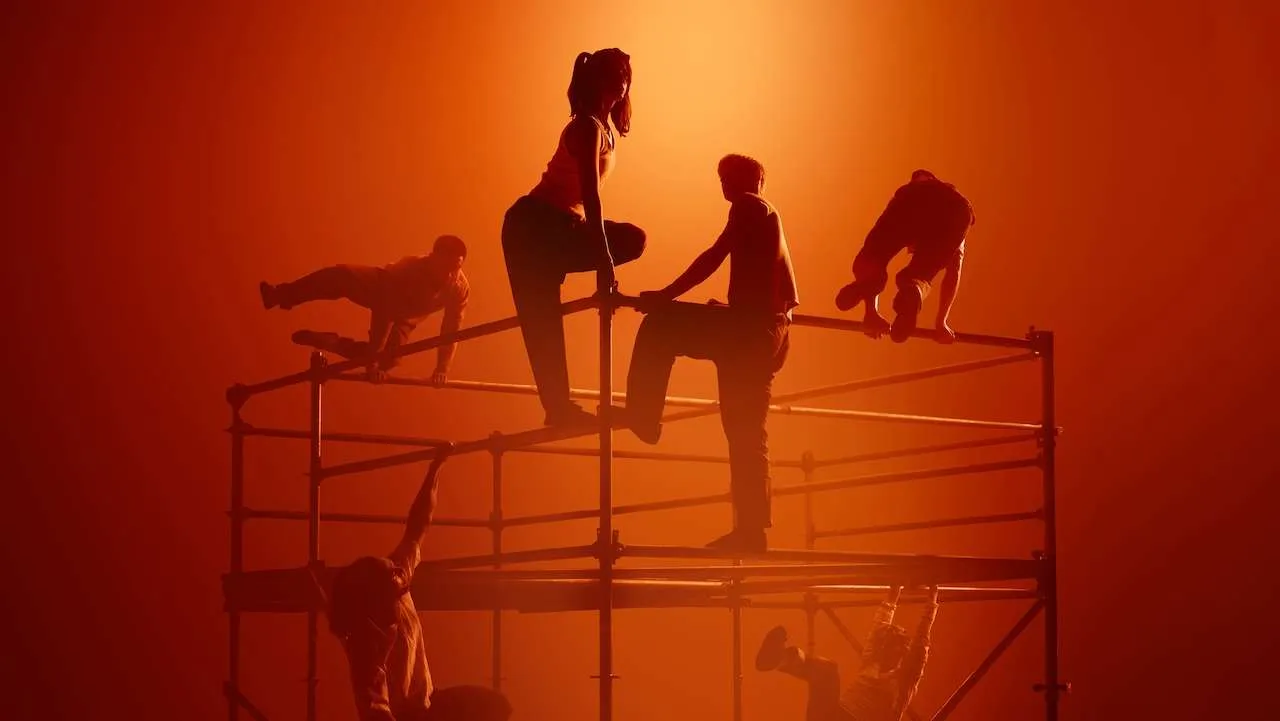
The First Shadow is as technically ambitious as anything in the West End, and Bever performs at the centre of it. “Performing in the middle of it is this wonderful chaos within all of these amazing technical spectacles,” he says. “It kind of adds to the feeling of wonder or terror, whatever is going on for Henry at that moment, because you can see these things, and they’re happening around you, and you can feel them, you can smell them, you can hear them.” That immersion comes with pressure: “It’s also a huge responsibility, because I know that if I say the wrong cue or slightly miss my mark, the effect won’t work properly. When you get it right, it looks incredible. So I really want to get it right.“
Bever is conscious, too, of the audience’s preconceptions: most arrive already knowing Henry as Vecna. “I feel like I’m there to challenge their perception, or to make them at least question it,” he says. “They come in having seen Henry as a grown man, seeing him do some pretty evil things, which they see in the play too. But I feel as though people’s minds are changed, that they feel sorry for somebody they may never have felt sorry for if they hadn’t come and seen the play — because what the play does is add context and a background story, which is really rewarding.“
Knowing he’ll be the one to close the West End production adds a particular weight. “I’ve inherited this role, and so to be closing the production is a gift, I think,” he says. “I meet people who have been to see it seven, eight, nine times, and I see their enthusiasm for it — to have been trusted with that is a real honour.“
Interview by Julianna Barnaby. Stranger Things: The First Shadow plays at the Phoenix Theatre until 27 December 2026.

Phoenix Theatre, London

Related News
12 soap stars to watch in the West End this autumn

11 kid-friendly shows to book during London Theatre Week 2026
No day but today: full cast announced for West End revival of RENT as Bella Brown withdraws due to injury
Stranger Things: The First Shadow announces new graphic novel based on play
Latest News
A jaunt through the history of panto: how a flexible theatre form transformed Britain’s Christmas theatre scene
Everything you need to know about West Side Story at the National Theatre
10 reasons we can’t wait for West Side Story