The winner has been announced for the inaugural Victoria Wood Playwriting Prize for Comedy.
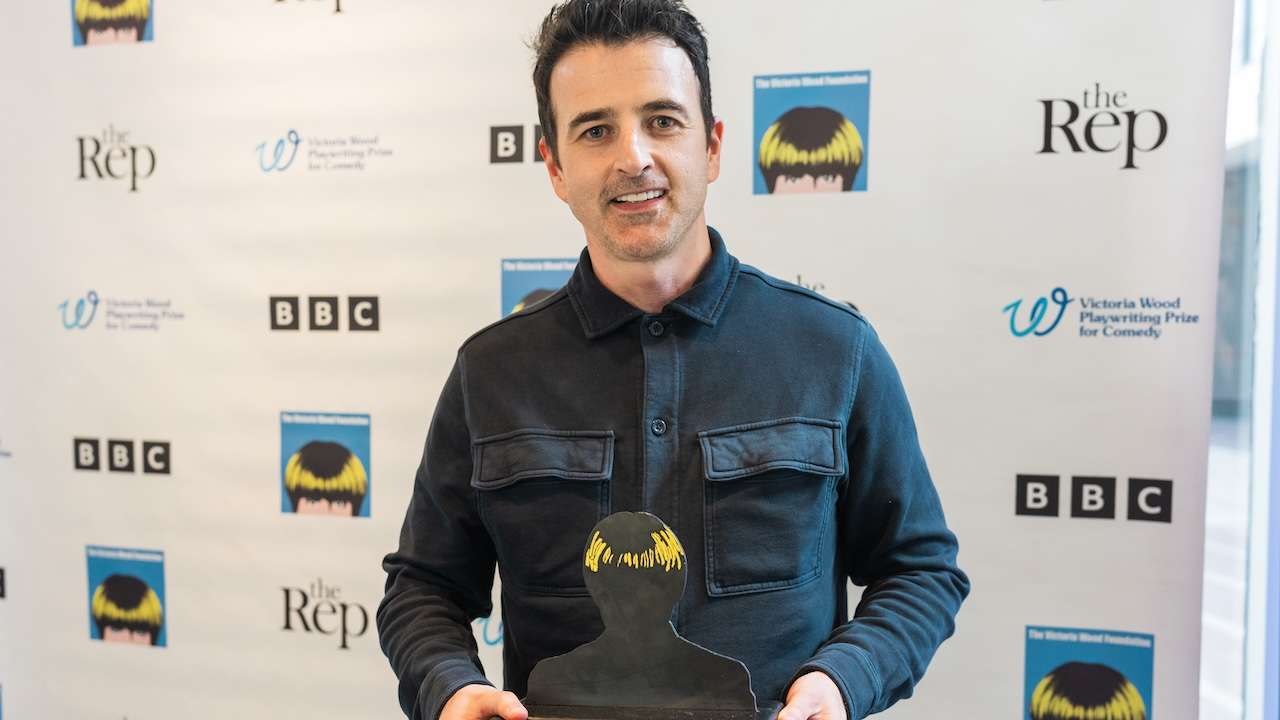
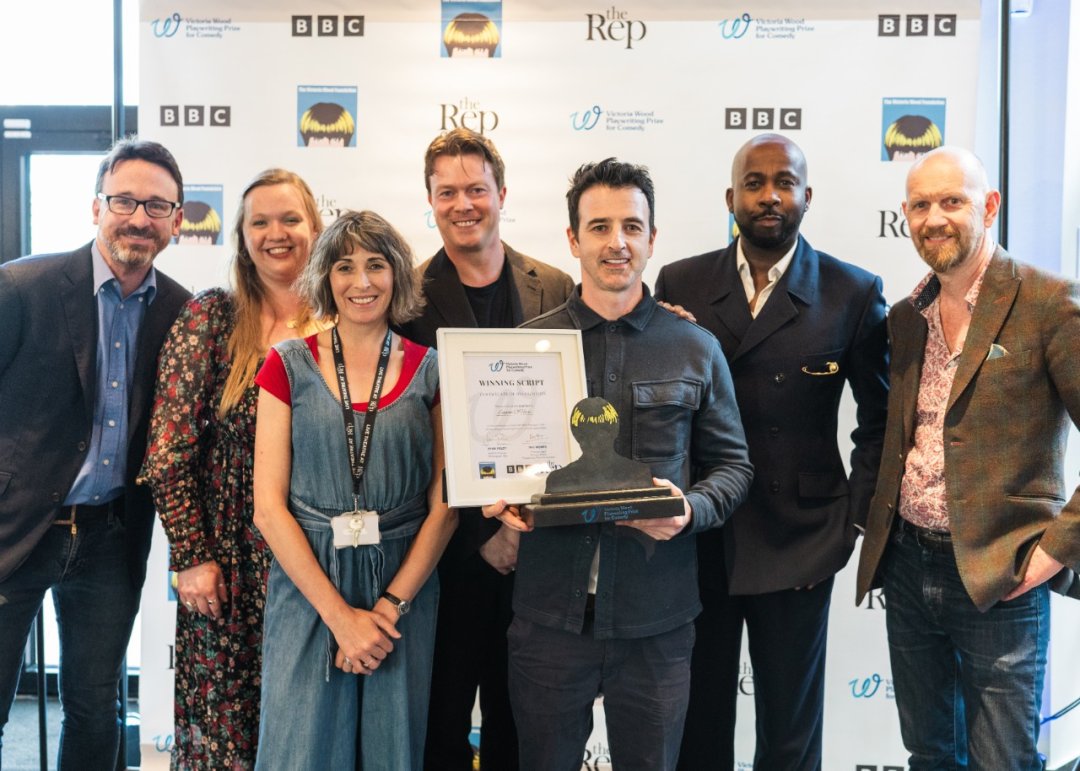
Announced today by the Birmingham Rep’s outgoing artistic director Sean Foley, the winner is Eugene O’Hare, who won for his drama Portugal.
O’Hare receives a special award designed and made in The Rep’s own workshops, and £25,000 – £15,000 of which is prize money, and £10,000 of which will be the play commission.
The Prize is dedicated to the art of Comedy writing, and is a partnership between the Birmingham Rep and The Victoria Wood Foundation, and is supported by BBC Comedy. The Victoria Wood Foundation is a charity that was set up after the death of acclaimed and much-missed writer, actor, presenter and stand-up comedian Victoria Wood in 2016, by her friends to support the arts.
Eugene O’Hare’s two-act comedy is centred on a working-class Belfast woman called Jennifer, who says that her life is so ordinary that she no longer feels like she exists. Her desire to be set free and find a completely different life in Portugal throws her family and fiancé into a mad spin. Portugal is about taking ownership of your one shot at life no matter who you upset along the way.


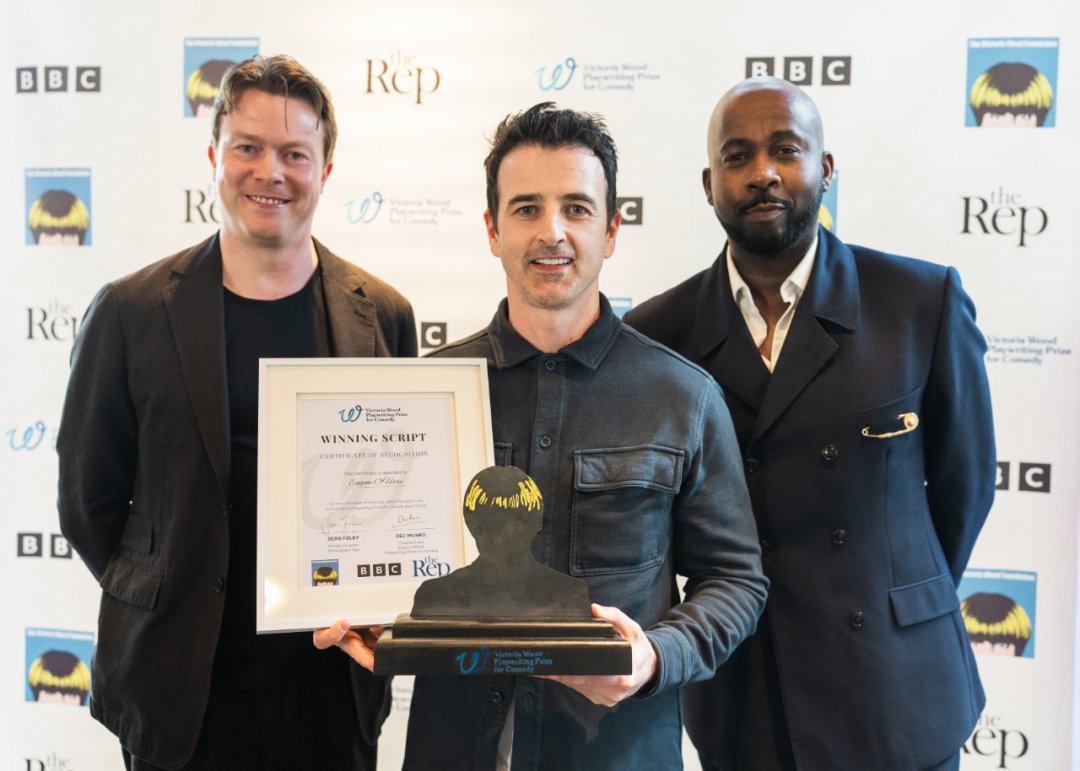
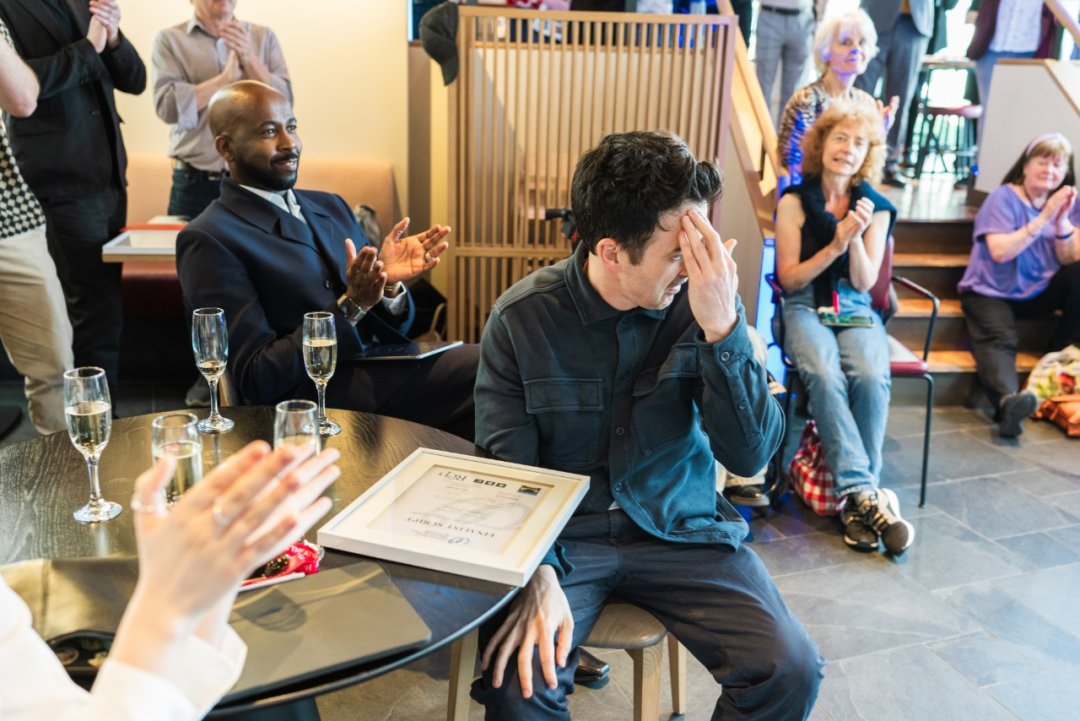
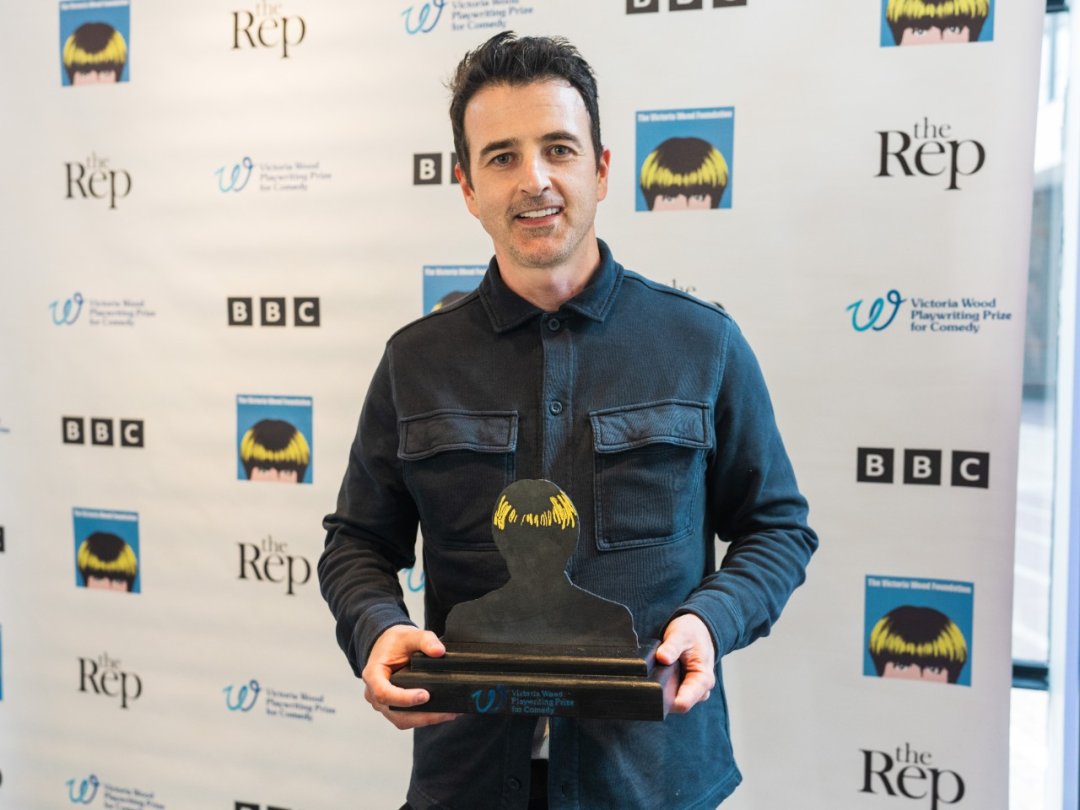
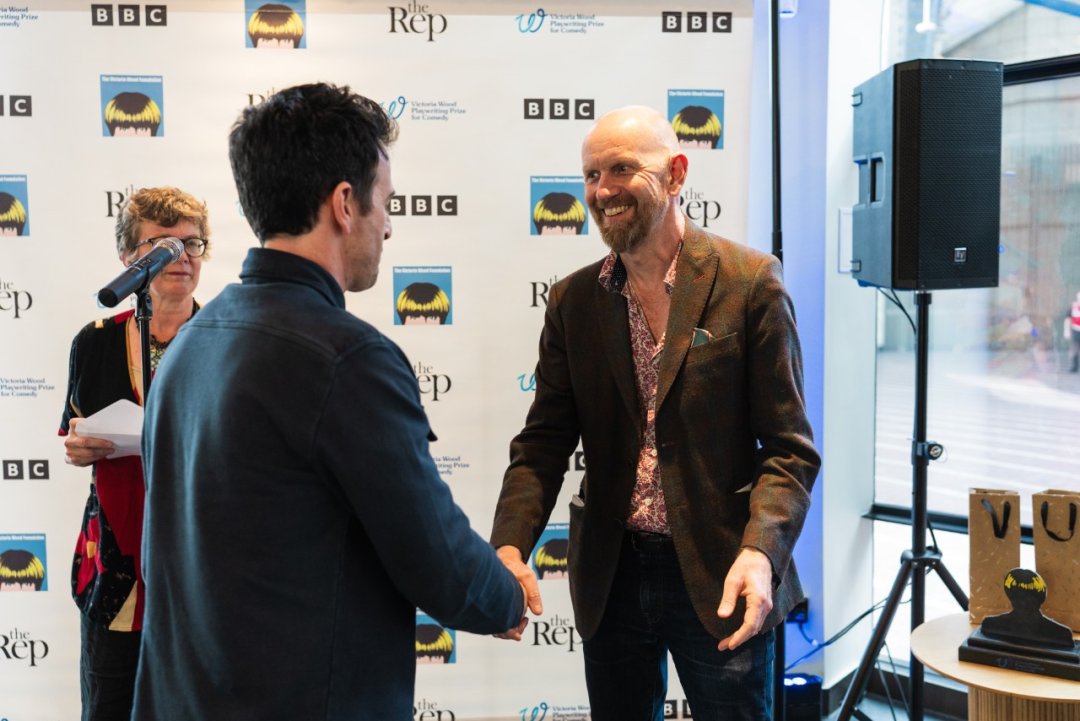

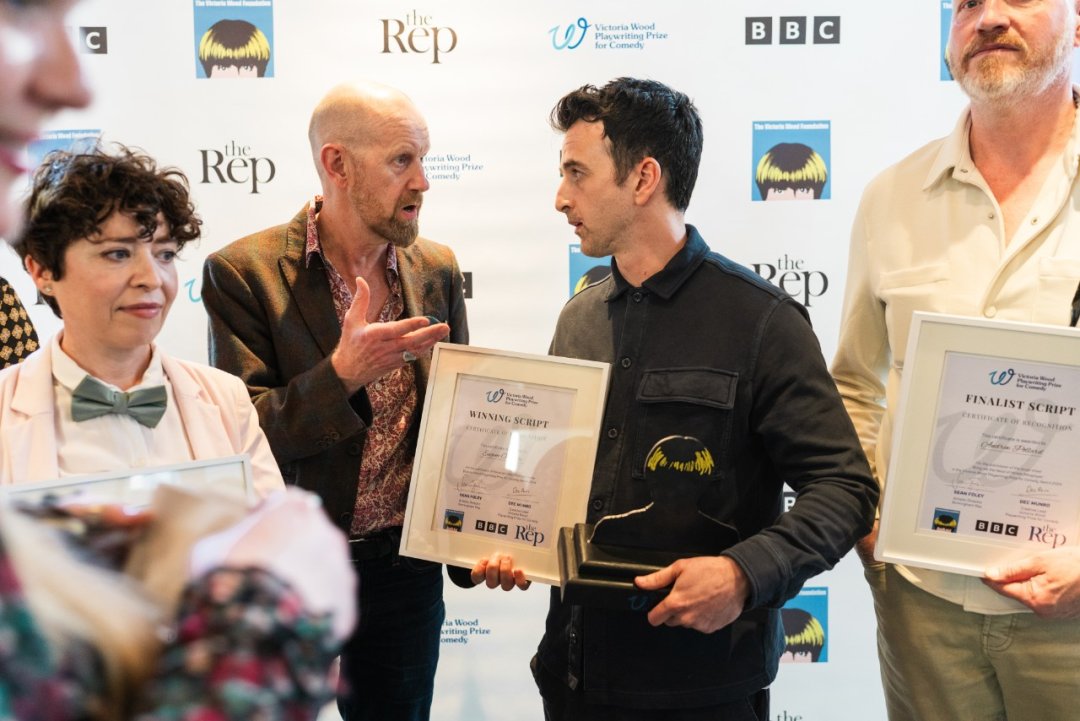
Winner Eugene O’Hare said in a statement: “I’m very surprised and overwhelmed to receive this incredible and generous award. It’s especially meaningful post-COVID when playwrights are struggling more than before to even get their work read. Owning something associated with Victoria’s name is very meaningful to me, and I will treasure it.”
O’Hare’s previous writing includes two full-length plays which opened at the Park Theatre in London in 2019 followed by a third play, The Dry House, which opened in London in 2023. As a screen actor he has played recurring and guest roles in shows for HBO, BBC, Channel 4, Starz and Netflix. He has worked extensively as a theatre actor in London, Sheffield, Glasgow, Dublin and both on and off Broadway.
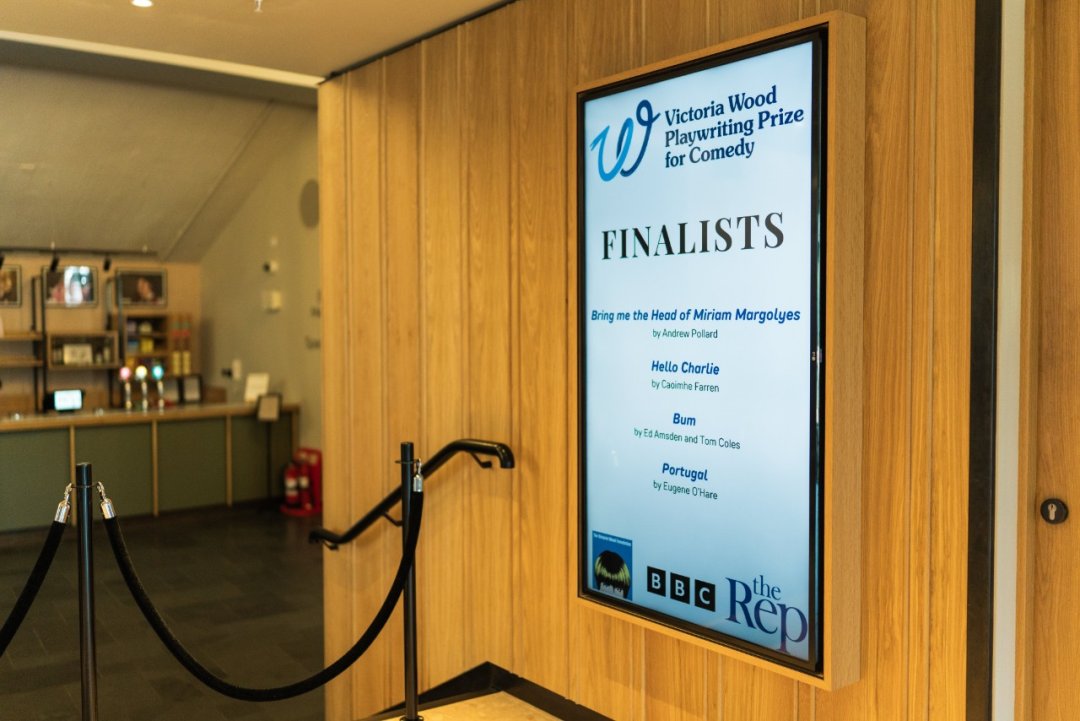
The winner was selected from four finalists, who also included: Bring me the Head of Miriam Margolyes by Andrew Pollard; Hello Charlie by Caoimhe Farren; and Bum by Ed Amsden and Tom Coles..

Initially eight plays were shortlisted, which also included: Goodbye Suzzie Jenkins by Ben Callon; Reach for the Stars by Jenny Knotts; Sidekicked by Patrick Maguire; and Fake Melania by Poppy Corbett.
The judges of the Prize were Sean Foley; BAFTA winning actor, comedian and friend of Victoria Wood, Daniel Rigby (Accidental Death of an Anarchist); BAFTA winning actor and broadcaster Siobhan McSweeney (Derry Girls); West End and Broadway producer Tegan Summer (Mozart Her Story); playwright Tanika Gupta MBE FRSL (The Empress); and TV producer and representative of the Victoria Wood Foundation, Piers Wenger (No Offence, Humans). The project is led by award-winning live comedy director, dramaturg and comedy teacher, Dec Munro.
Sean Foley said: “I’m thrilled that the inaugural Victoria Wood Playwriting Prize for Comedy had so many brilliant entries: the task of finding our first winner amongst the very many styles of comedy, the hundreds of extraordinary plots, characters and situations, was not easy. But the judging panel felt that Eugene O’Hare’s Portugal – a brilliantly funny play about taking ownership at your one shot at life, no matter who you upset along the way – had compelling, relatable characters, superbly funny Belfast-tinged dialogue, and a great situation that was often painfully hilarious. I couldn’t be prouder to have created this prize in conjunction with The Rep, The Victoria Wood Foundation, and with the sponsorship of BBC Comedy, and I’m delighted that we have such a fantastic first winner.”
Judge Siobhan McSweeney said: “This play is a perfect example of how comedy as a genre can deal with all the big philosophical questions about the human condition.”
Judge Tegan Summer said: “Portugal was our clear winner, albeit in a very strong field of finalists, due to the quality of its dialogue, clear character definitions, a relatable, emblematic premise, and the depth of its story arc. It keeps the reader and audience wanting to take the journey alongside its strong female protagonist to the last page.”
Related News
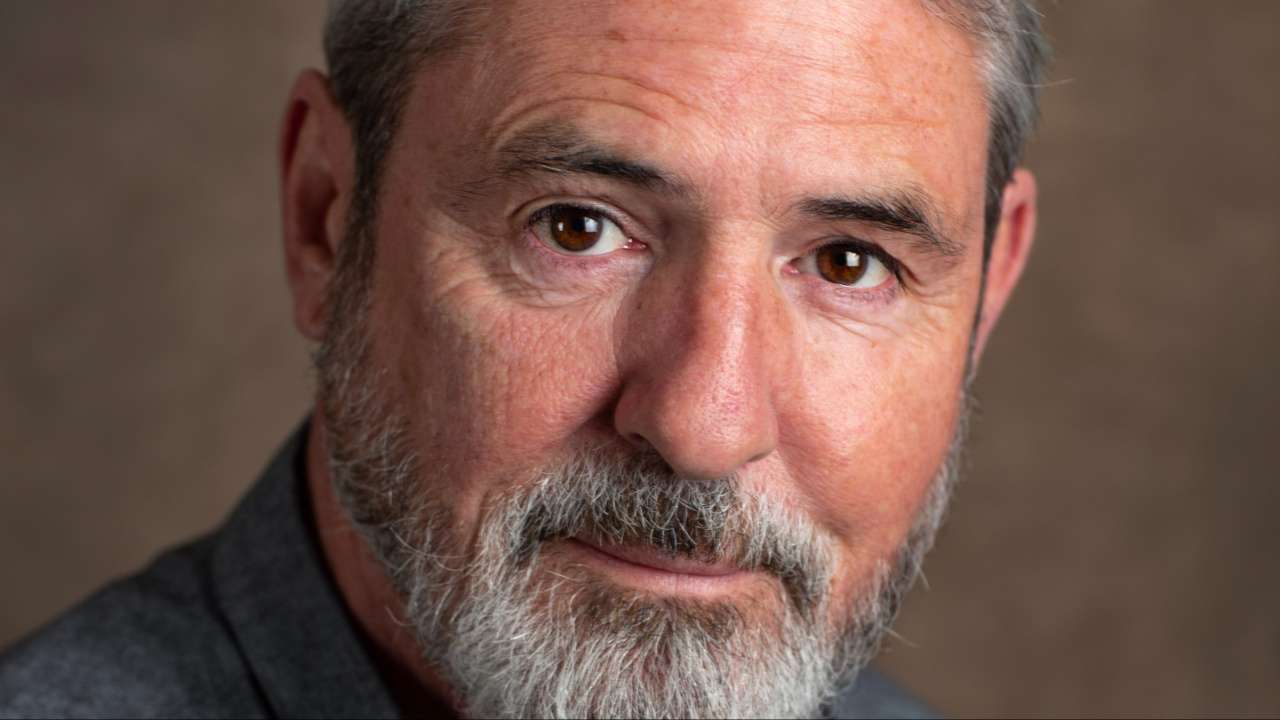
Neil Morrissey joins Ria Jones and Sally Ann Triplett in Fourteen Again at the Menier Chocolate Factory
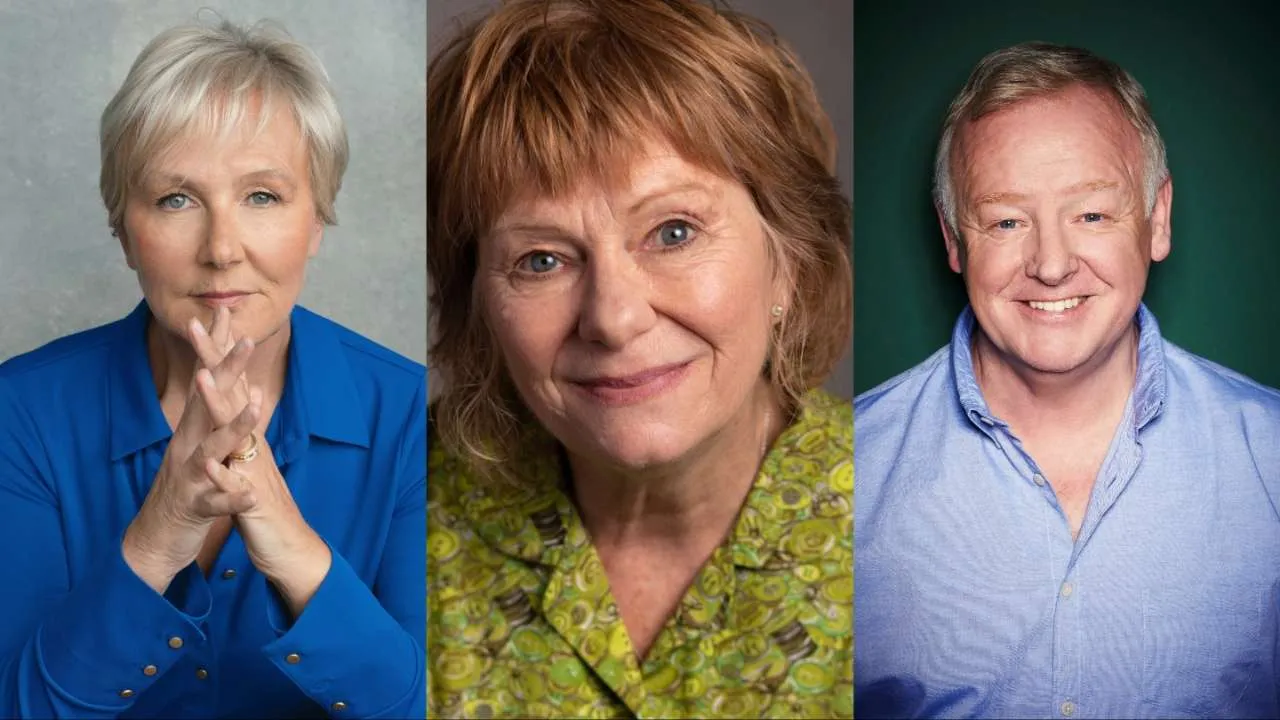
Sue Cleaver, Karen Henthorn join Victoria Wood’s dinnerladies UK tour cast alongside Les Dennis
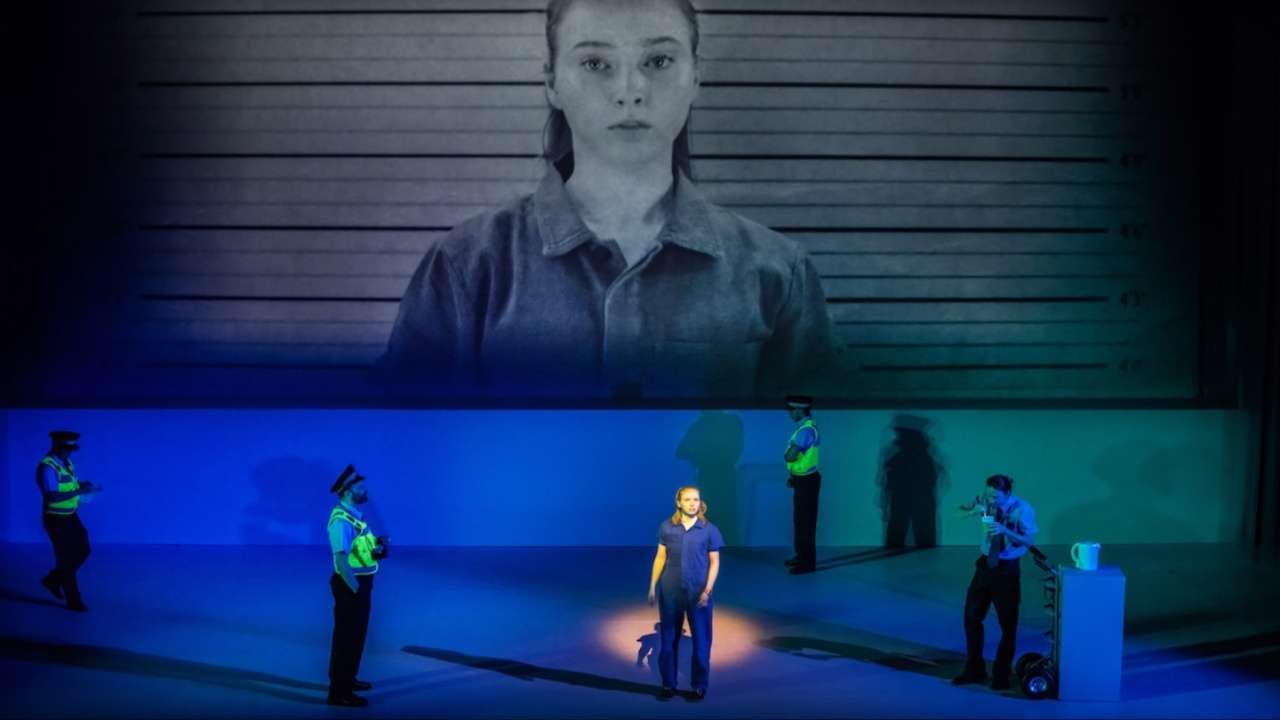
See first-look photos of The Curious Incident of the Dog in the Night-Time tour, as dates added across five further venues
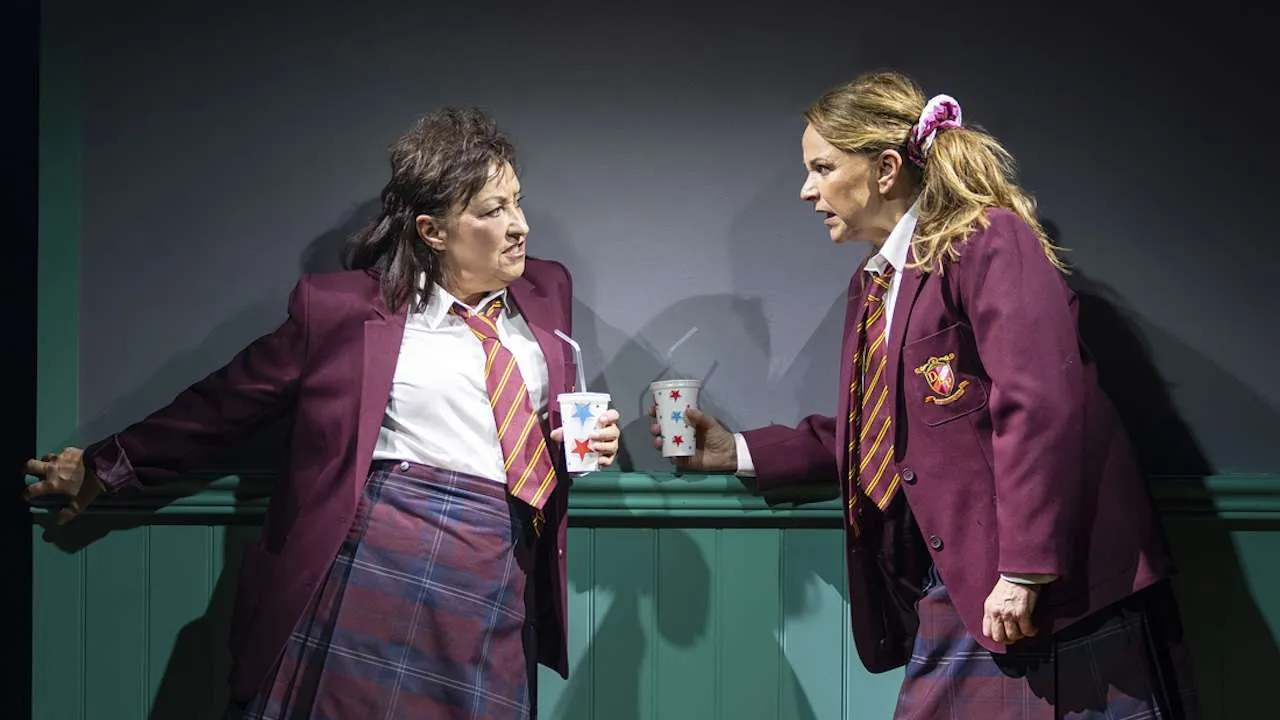
Ria Jones and Sally Ann Triplett reunite for London premiere of Victoria Wood tribute Fourteen Again
Latest News
Everything you need to know about The Traitors: Acts of Betrayal in London
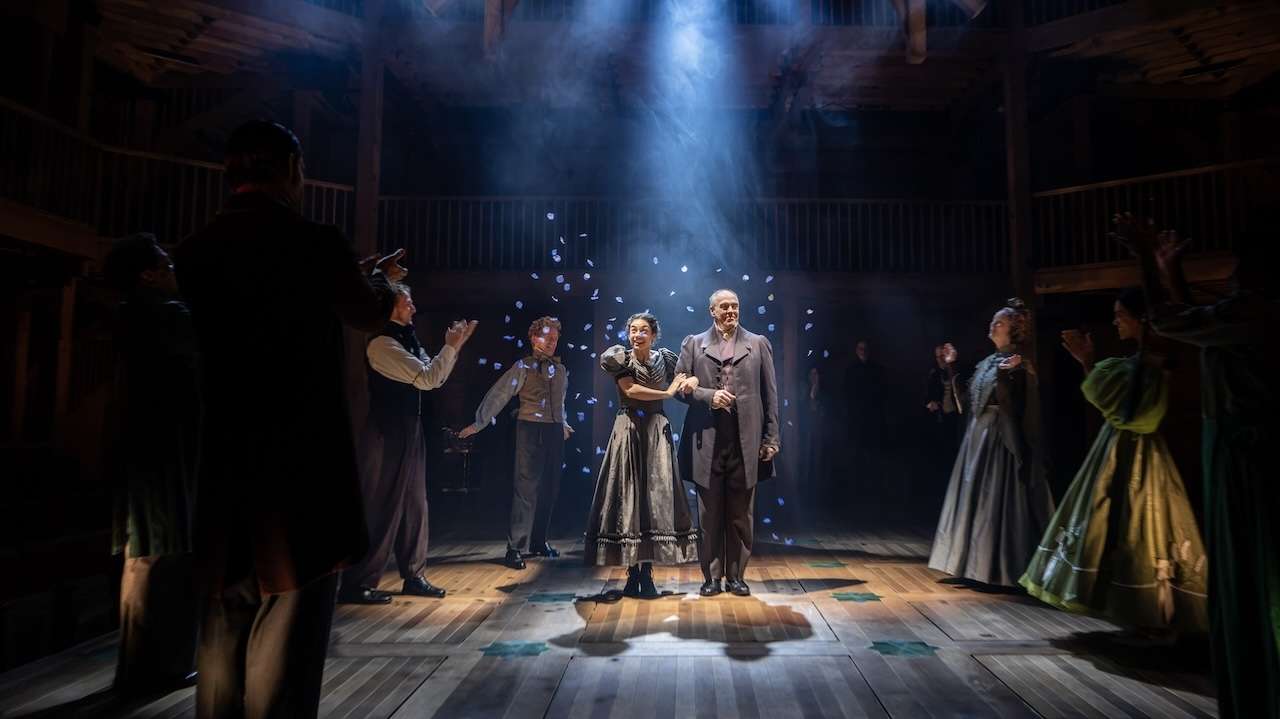
Nina Raine’s sweeping new adaptation of Middlemarch arrives at the RSC: See brand-new images from the production
What to expect from Pride the Musical ahead of highly anticipated transfer to the Bridge Theatre