The reviews are in for 1536, the hot ticket transfer from the Almeida: Ava Pickett’s brutal yet humorous play is back and better than ever.
Ava Pickett’s debut play 1536 premiered to great fanfare at the Almeida last year and has already received numerous accolades, including 2026 Critics’ Circle Theatre Award and the 2026 London Standard Theatre Award for Most Promising Playwright.
Critics have universally praised Pickett’s biting play, both in its original run and in the West End transfer at the Almeida. Reprising their original roles, Liv Hill, Siena Kelly and Tanya Reynolds all gave strong performances, and director Lyndsey Turner (Chimerica) was also praised by critics for her skilled handling of the work.
The verdict: Critics are unanimous in their enjoyment and praise of 1536, from the script’s snappy dialogue to the pace of the overall production. At 110 minutes, it uses every minute wisely to engage the audience in the still relevant discourse on the treatment of women throughout history.
Critic’s comparison
| Publication | Rating | The Key Takeaway |
| The Telegraph | ★★★★★ | Fresh, funny and devastating |
| The Standard | ★★★★★ | An electrifying blend of laugh-out-loud humour and chilling horror |
| Time Out | ★★★★★ | A tour de force |
| What’s On Stage | ★★★★★ | A bold, essential piece of theatre |
| The Stage | ★★★★ | Masterly and haunting |
| The Times | ★★★★ | A twisty, clever hit |
The reviews: what they loved about 1536
- The actors are electric: overall, praise was high for the three lead actors, each of whom shine in their role as they play out a familiar archetype.
- The play is funny: despite the insidious subject matter, critics across the board praised Pickett’s ability to lead with humour without overshadowing the play’s message.
- The creative team: not only were the set and lighting design praised for adding to the vaguely claustrophobic feel of the play, but director Lyndsey Turner was also praised for handling ‘each beat of the action impeccably,’ as the Telegraph writes.
The reviews: what fell flat for critics in 1536
- The unsubtle messaging: less a criticism of the play and more of an observation, but one critic commented that on occasion, some of the plot forfeited the subtlety of the play’s messages.
The back story
Set in Tudor England, 1536 follows three women in rural Essex who gather to indulge in some gossip about the goings on at court: rumour has it there’s a clash between King Henry VIII and his Queen, Anne Boleyn. And closer to home, another rumour begins to catch fire.
Over the course of the play, these three women begin to see dangerous echoes of the drama in their own lives, exploring themes of female friendship and systemic violence.
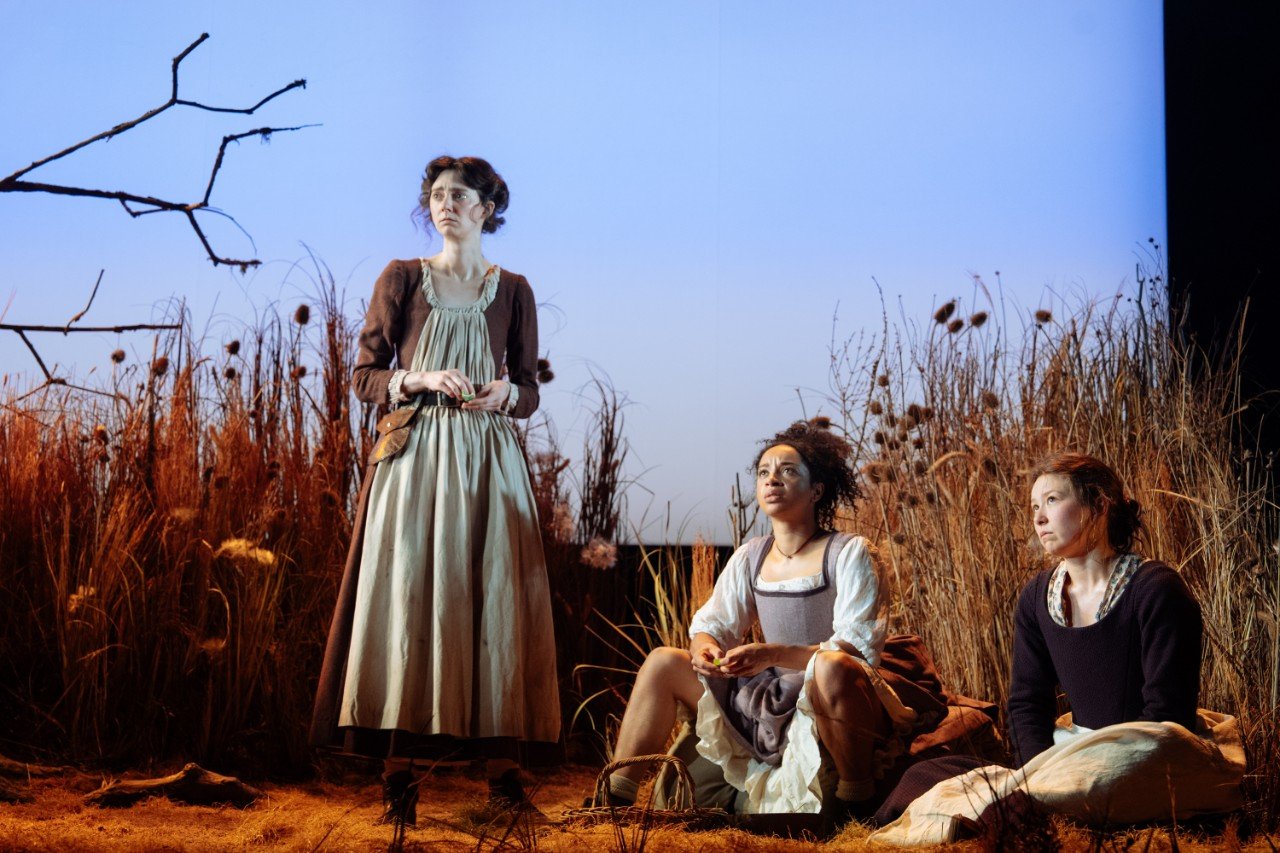
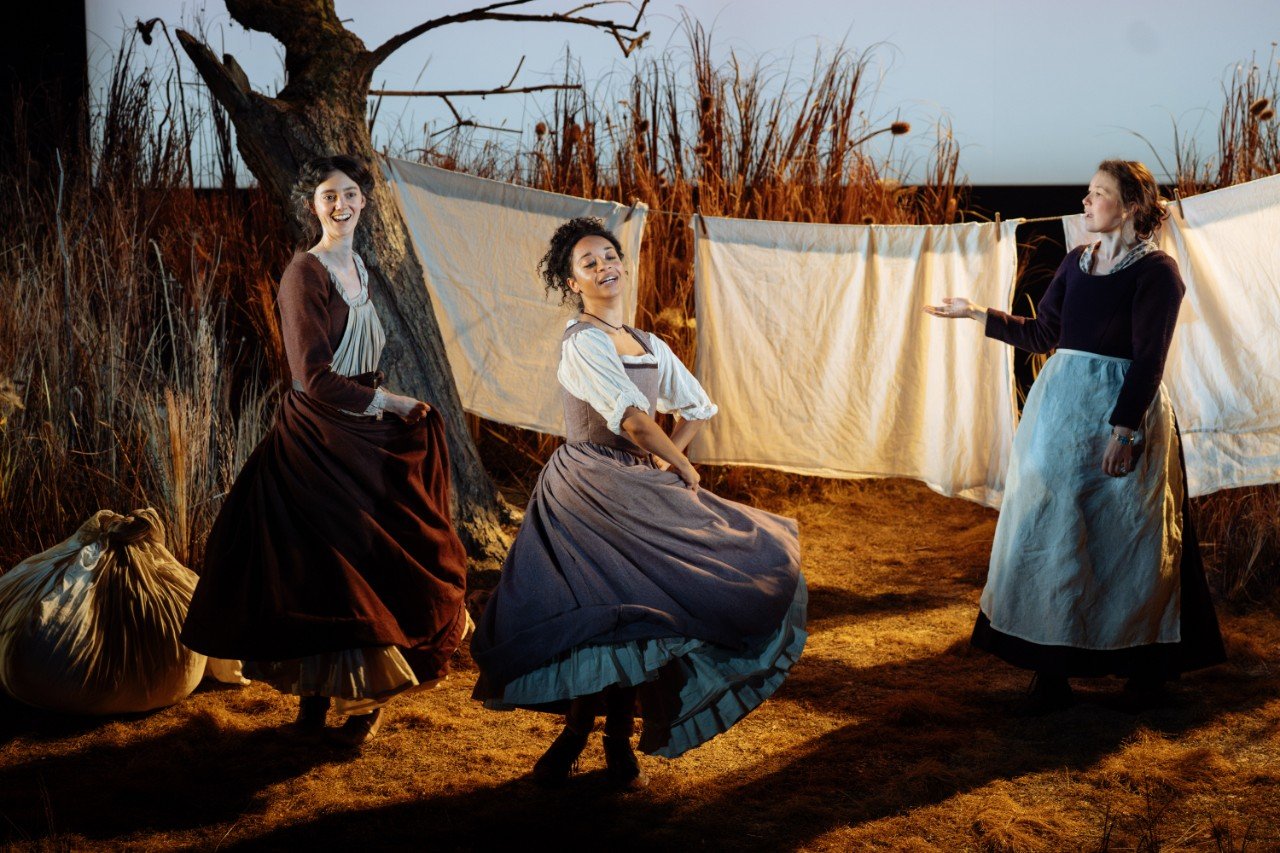
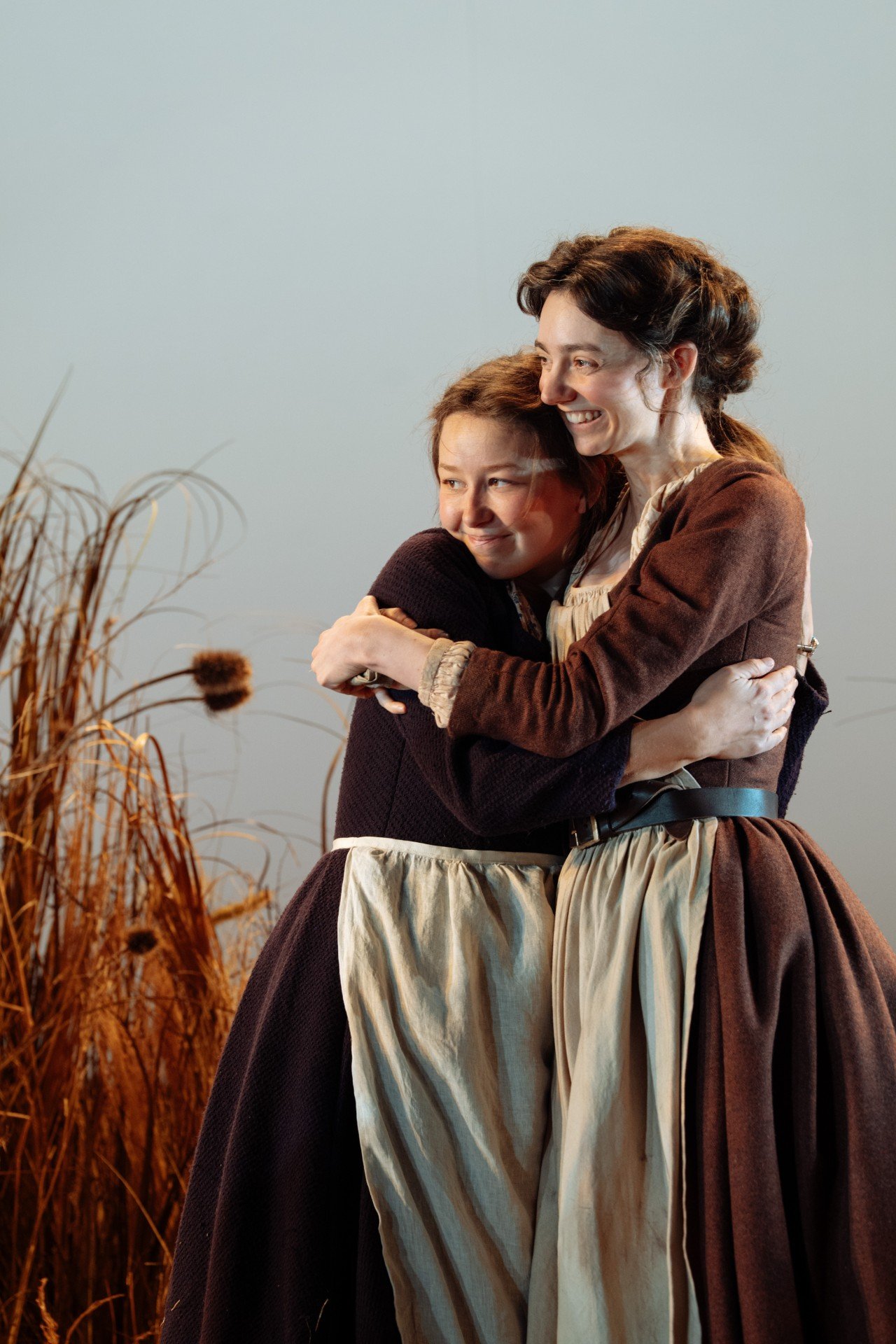
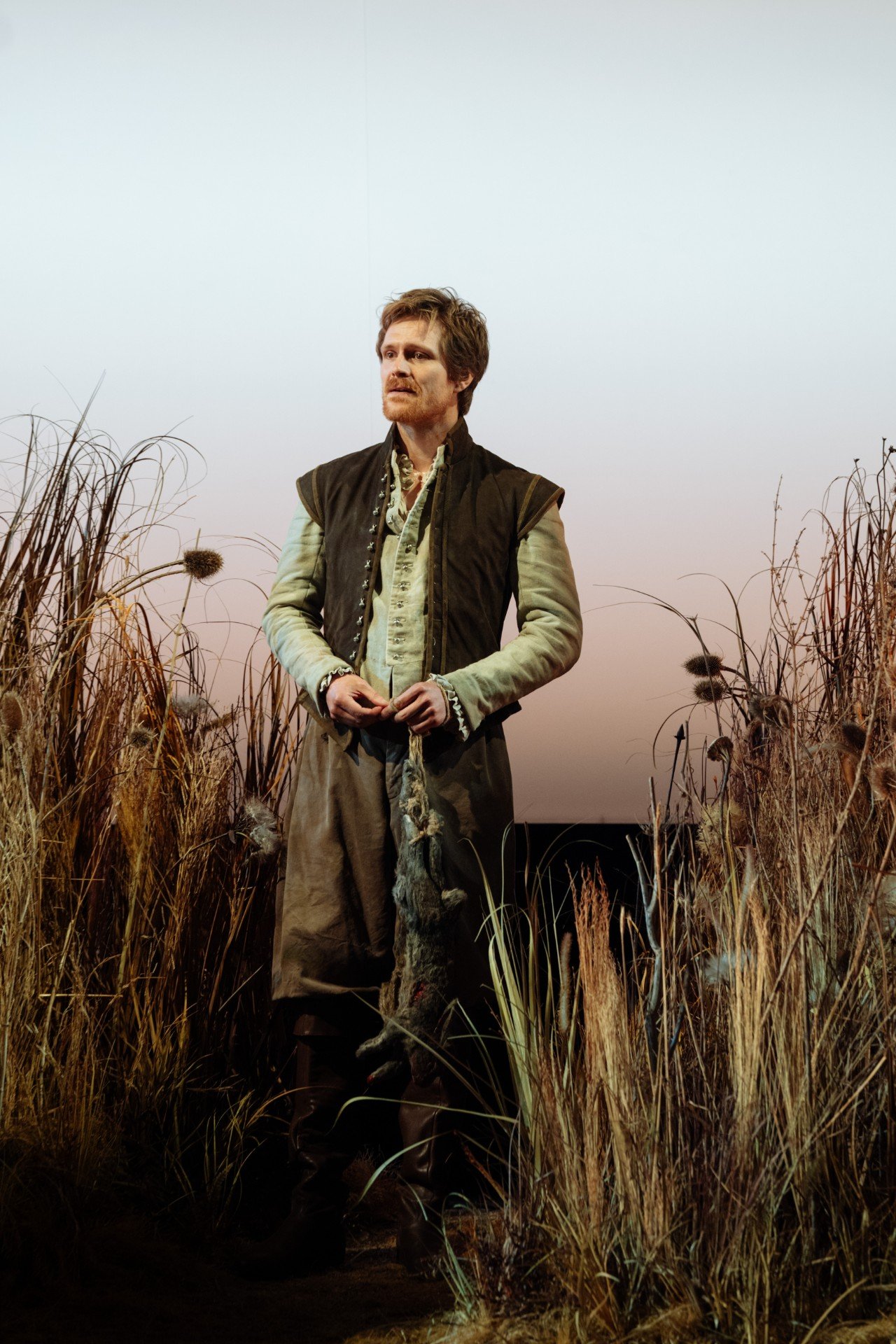
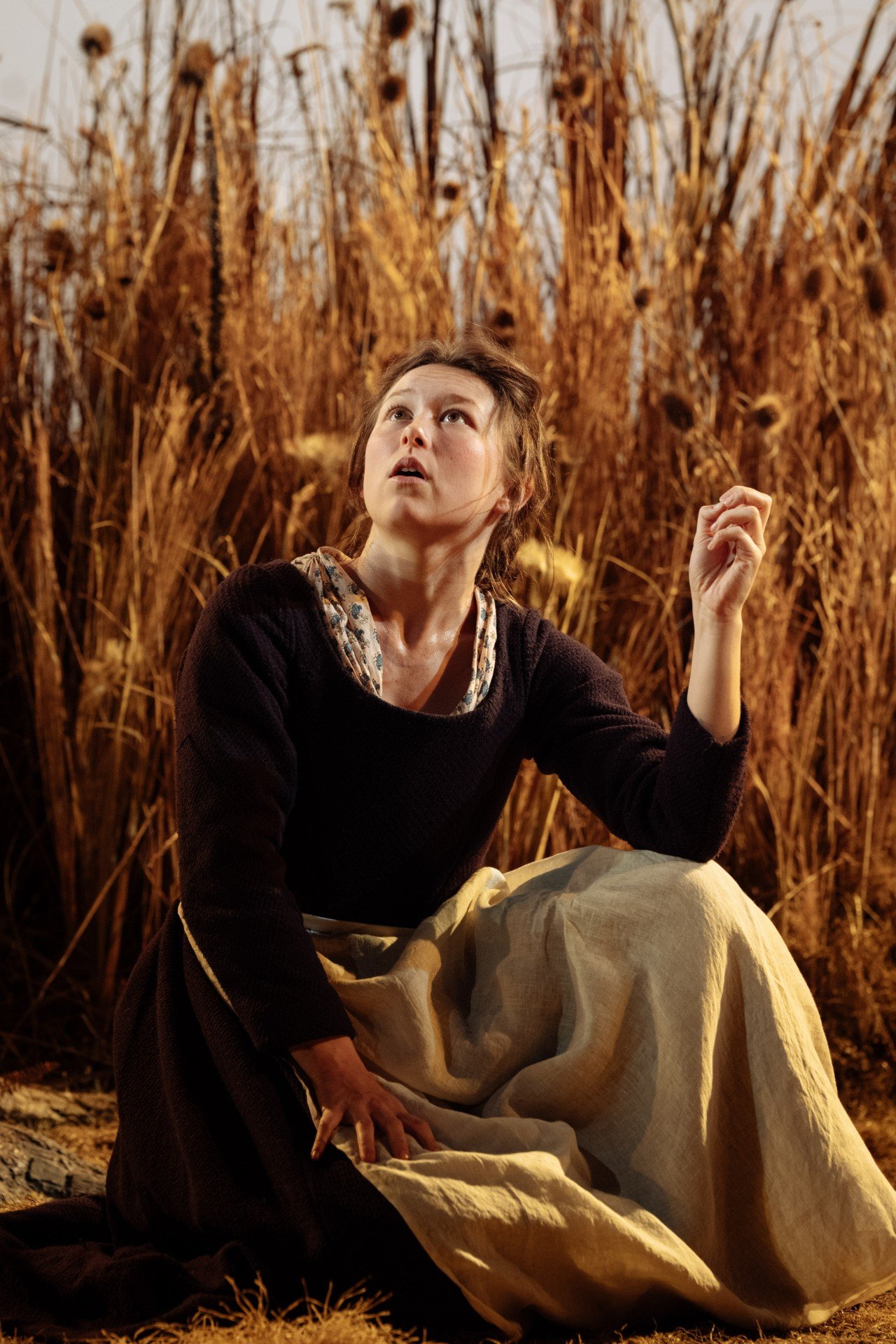
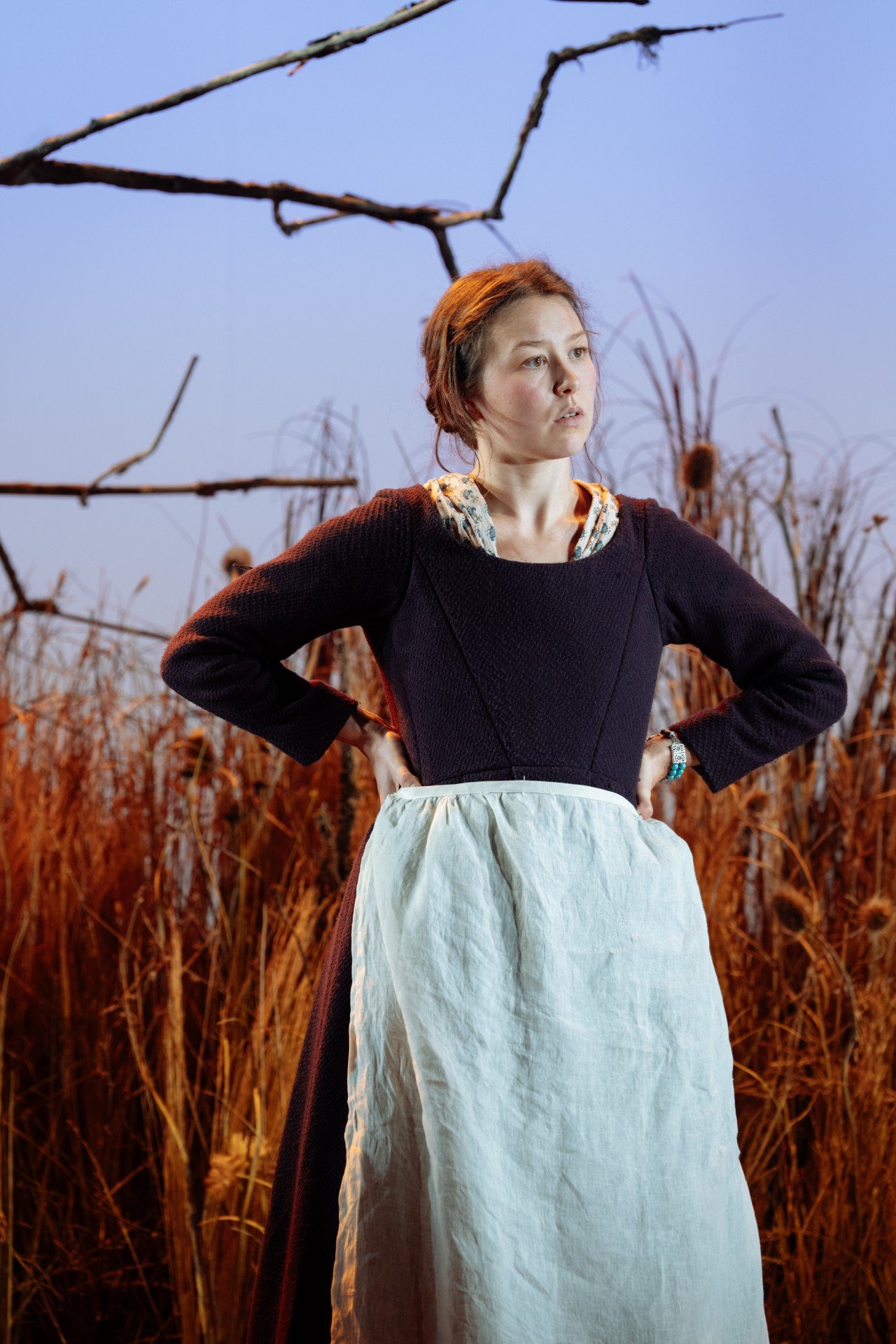
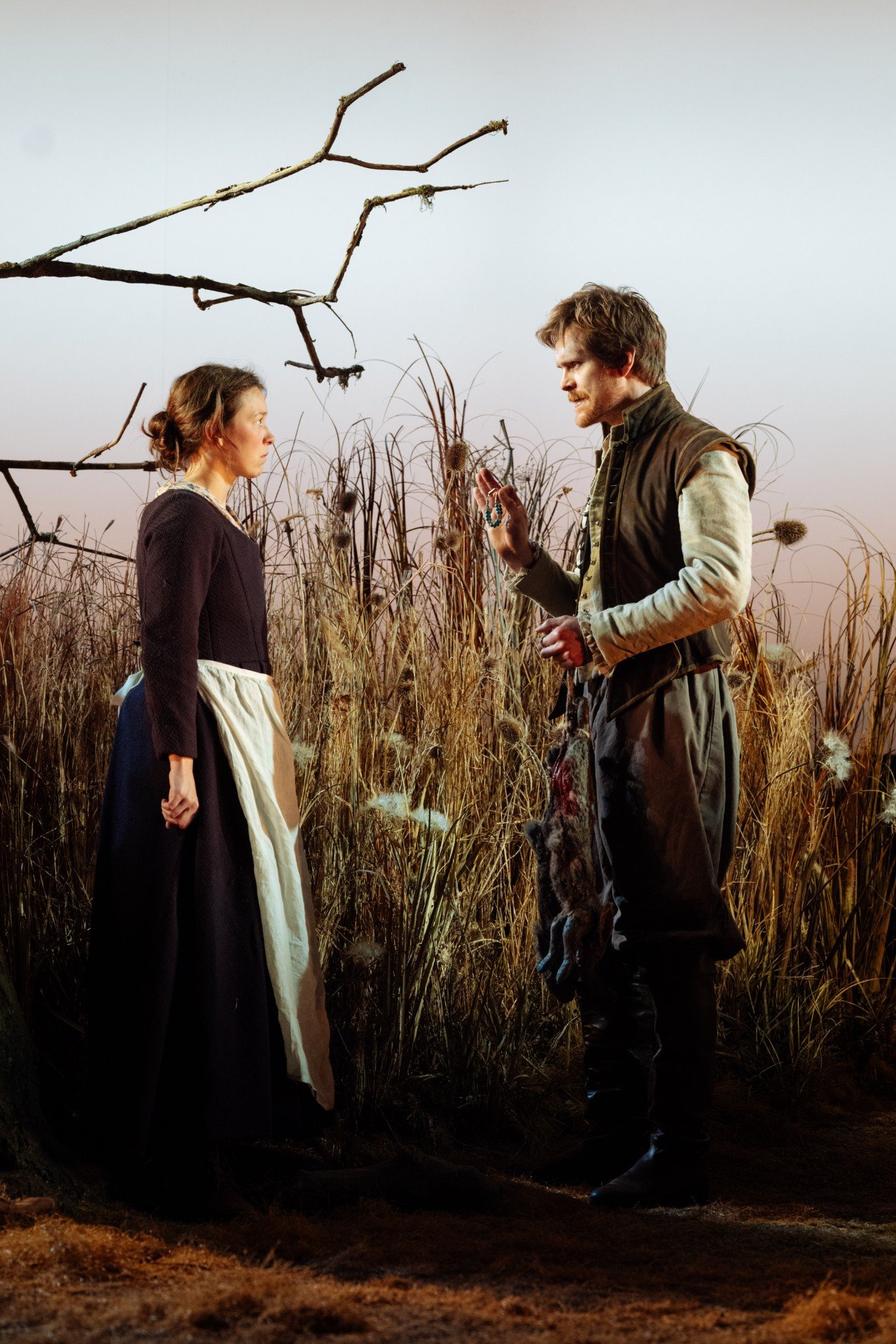
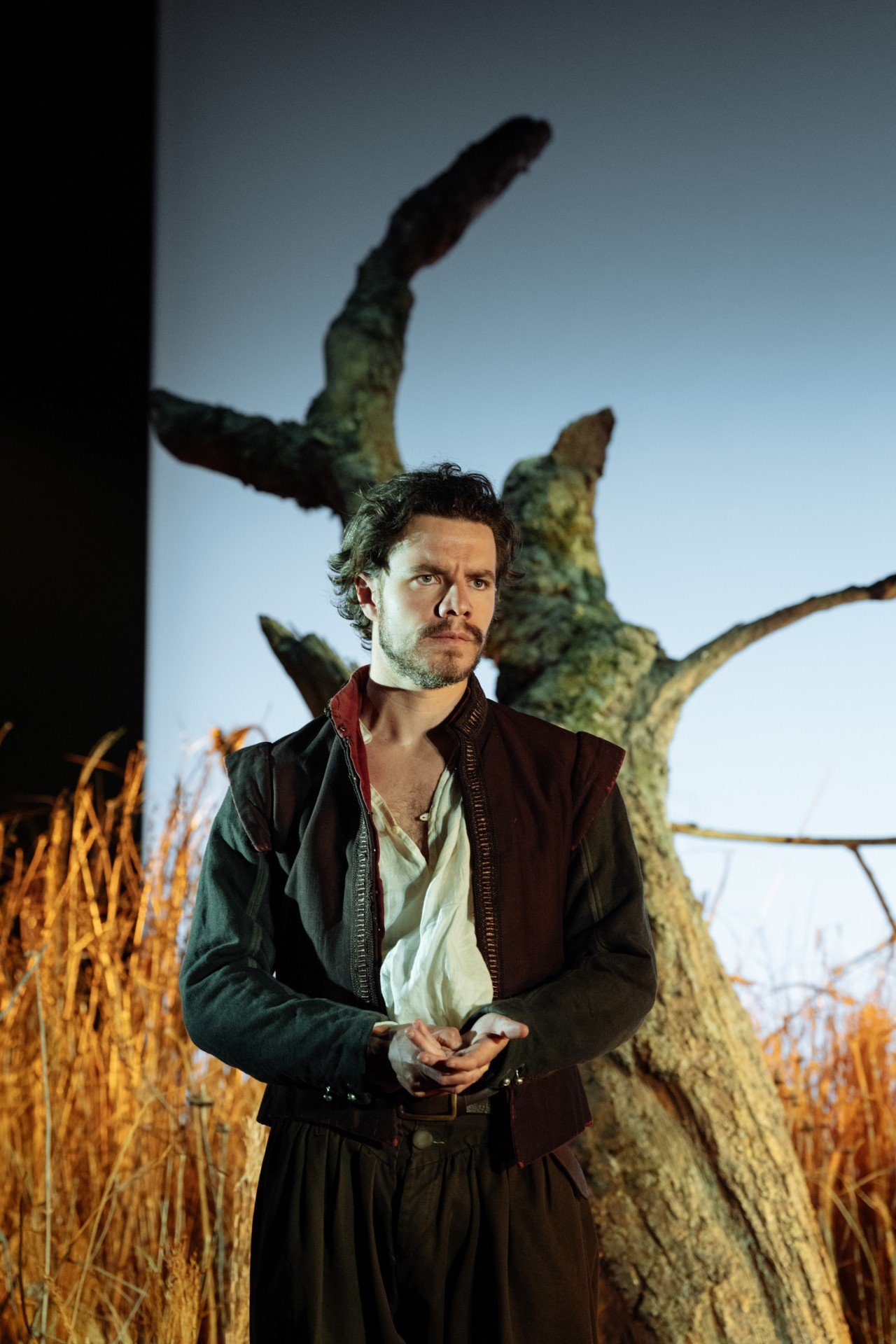
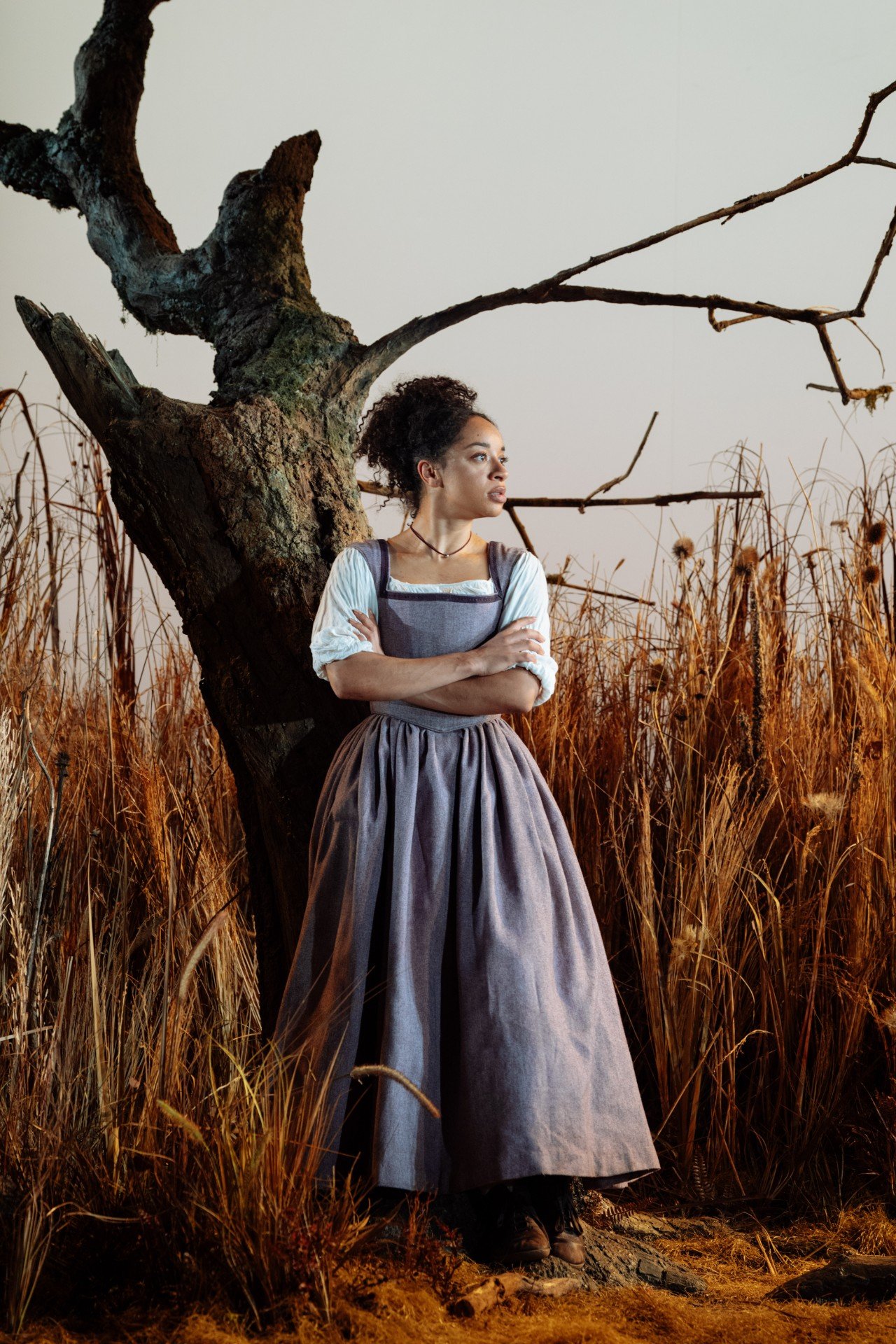
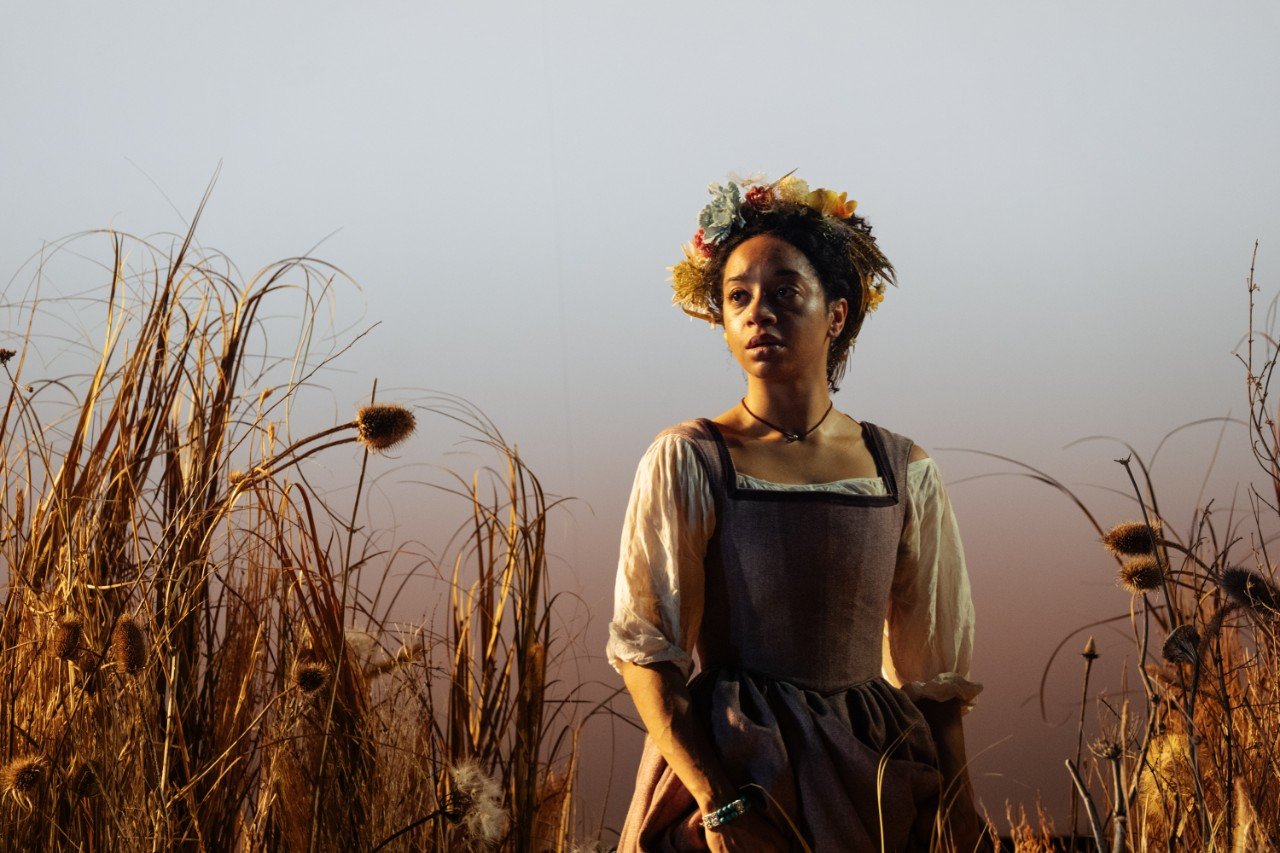
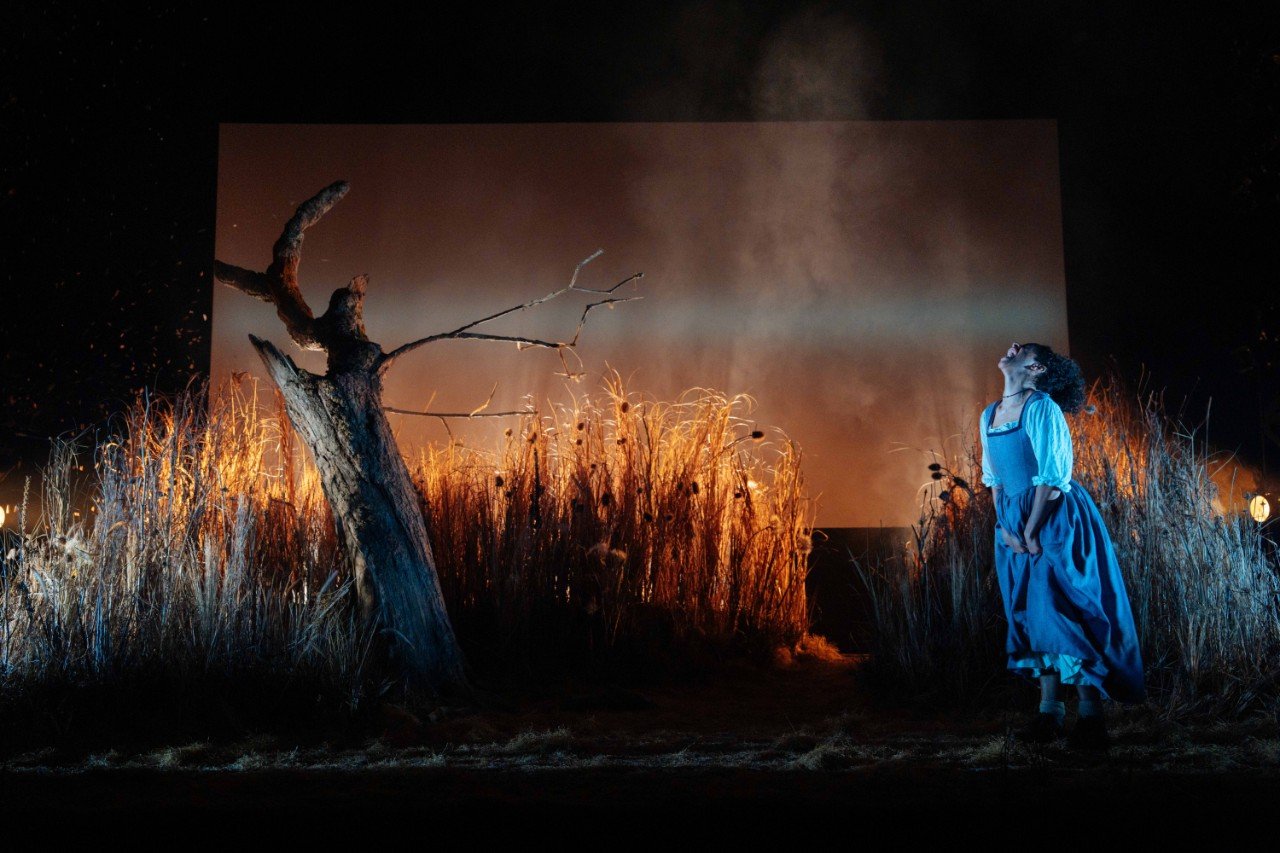
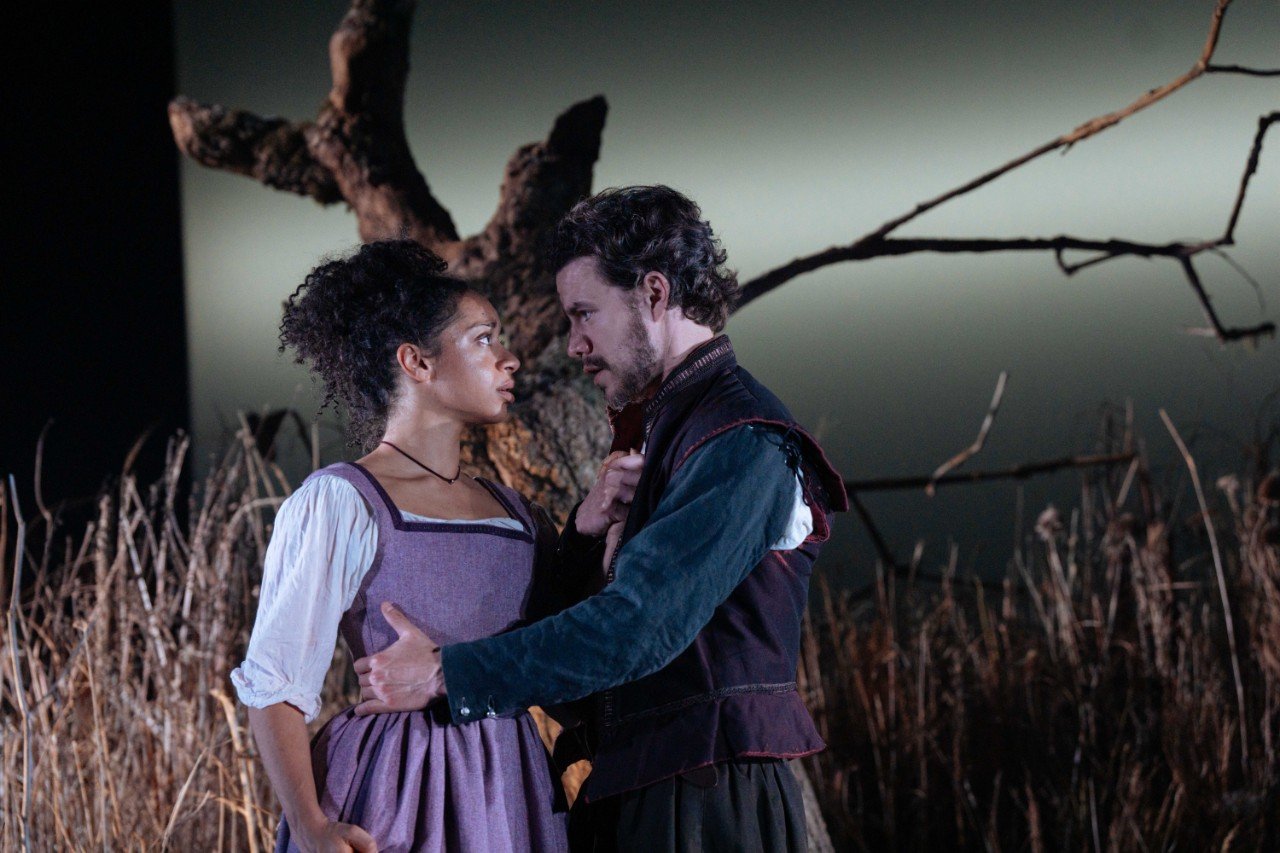
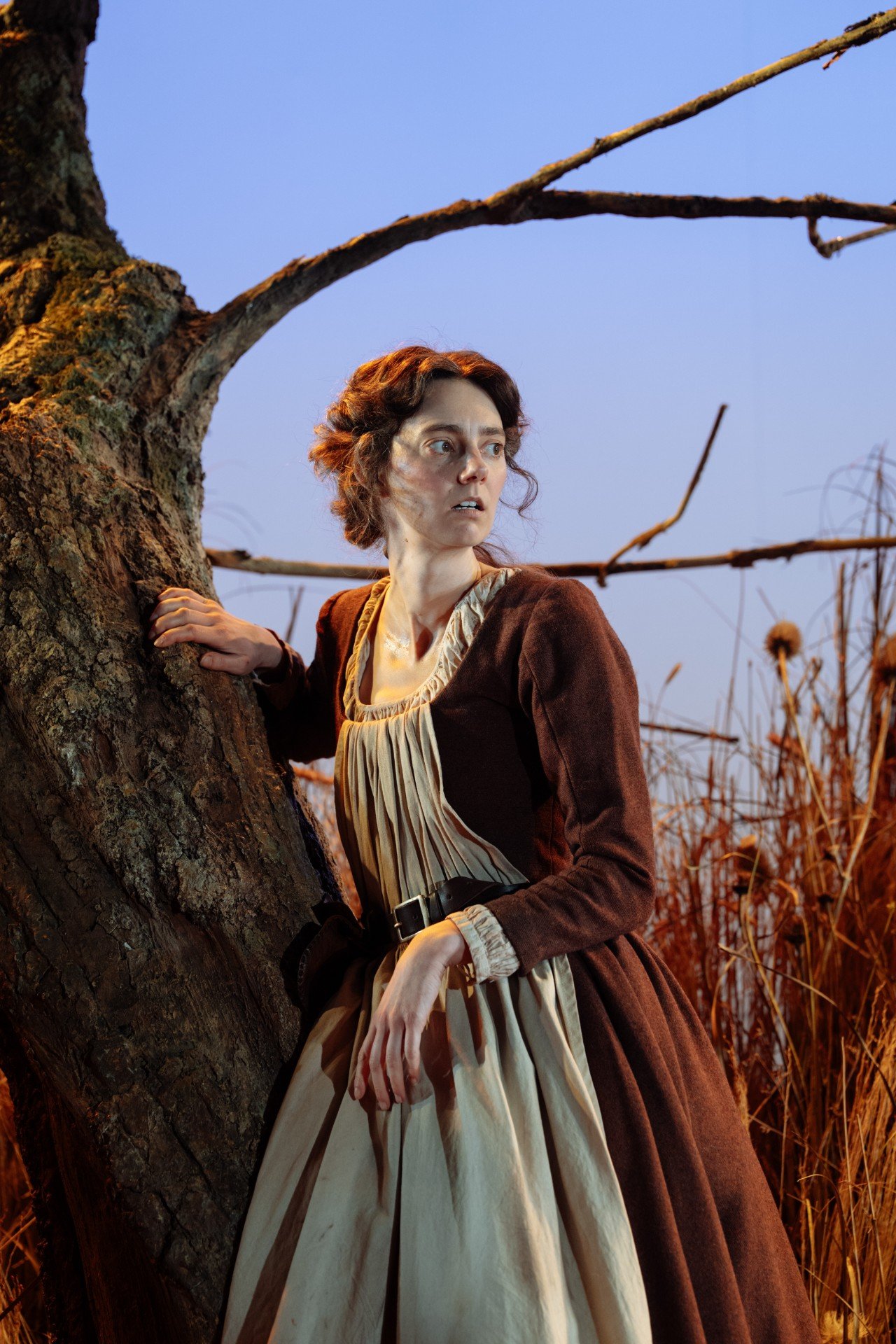
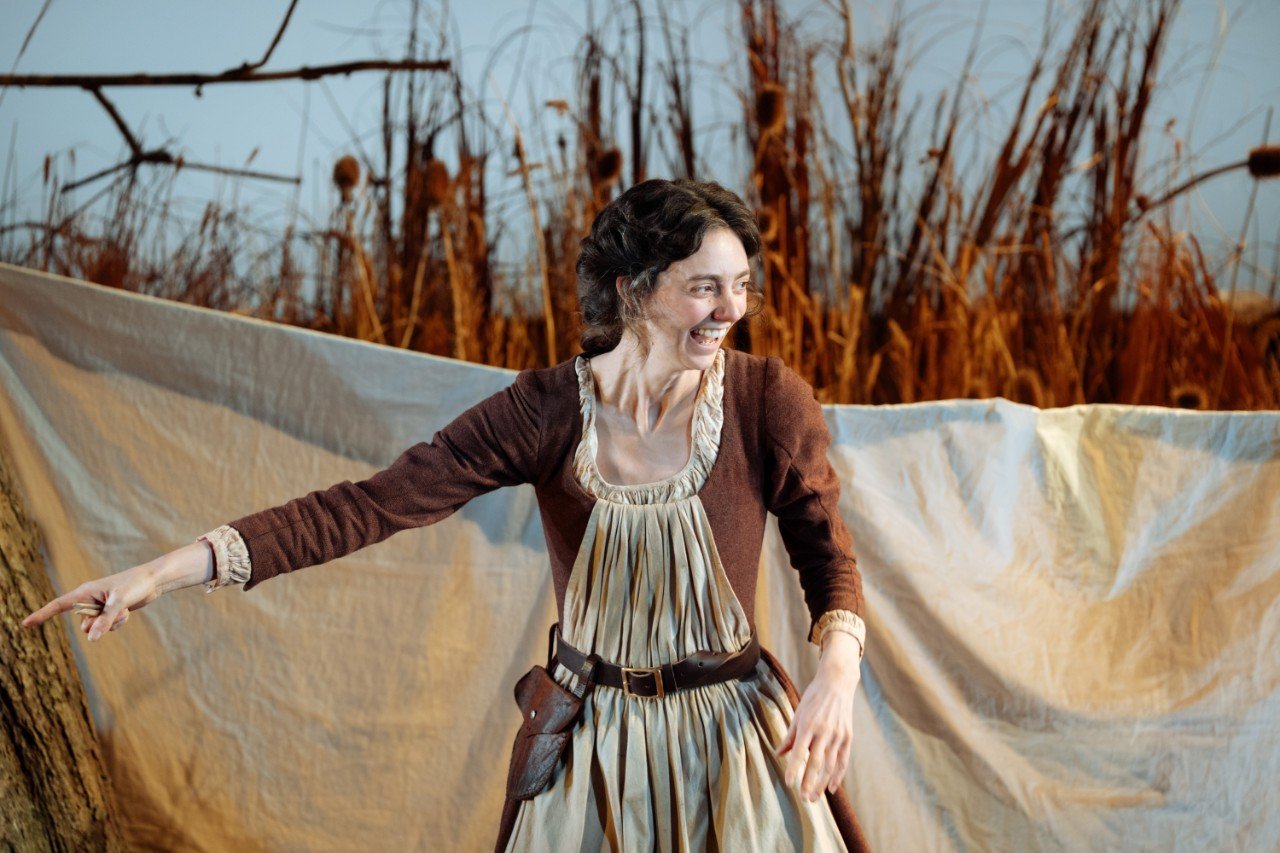
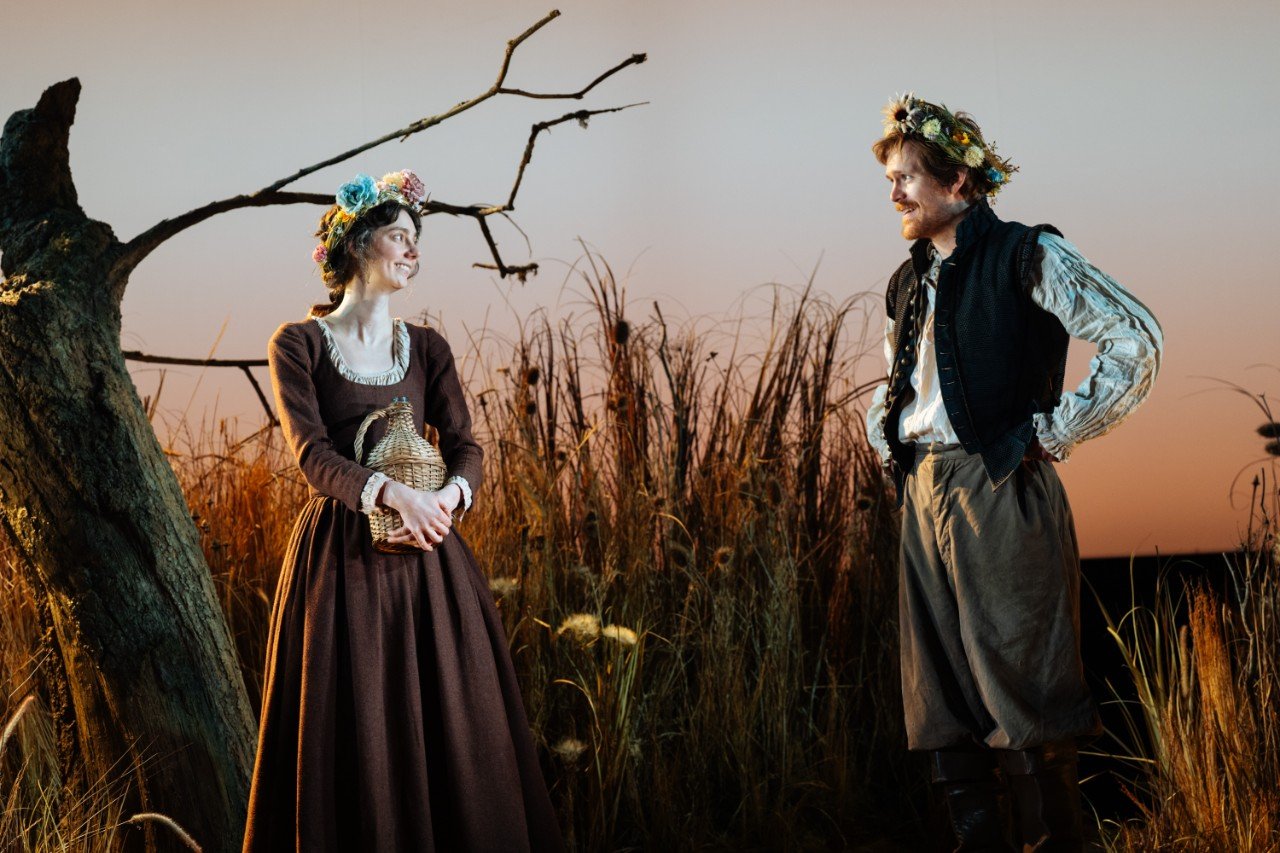
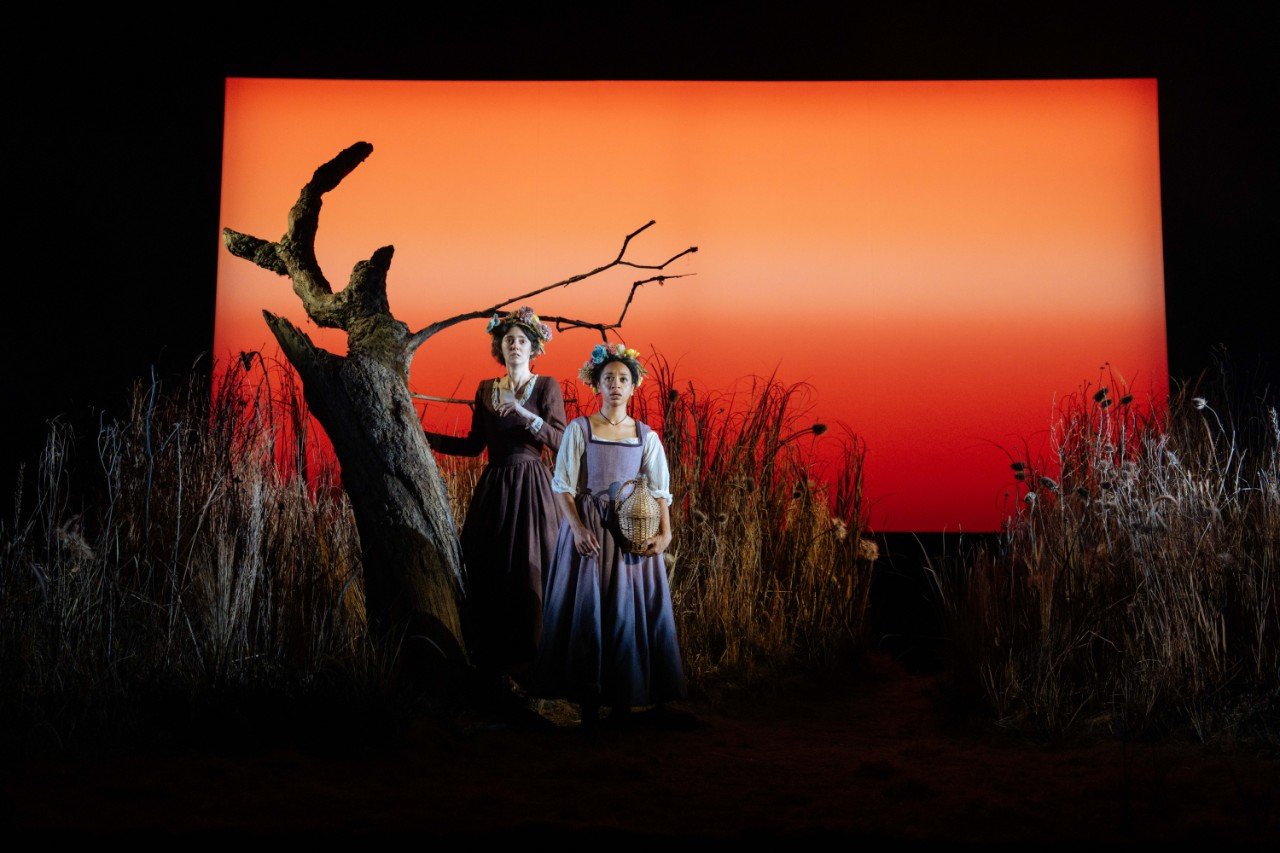
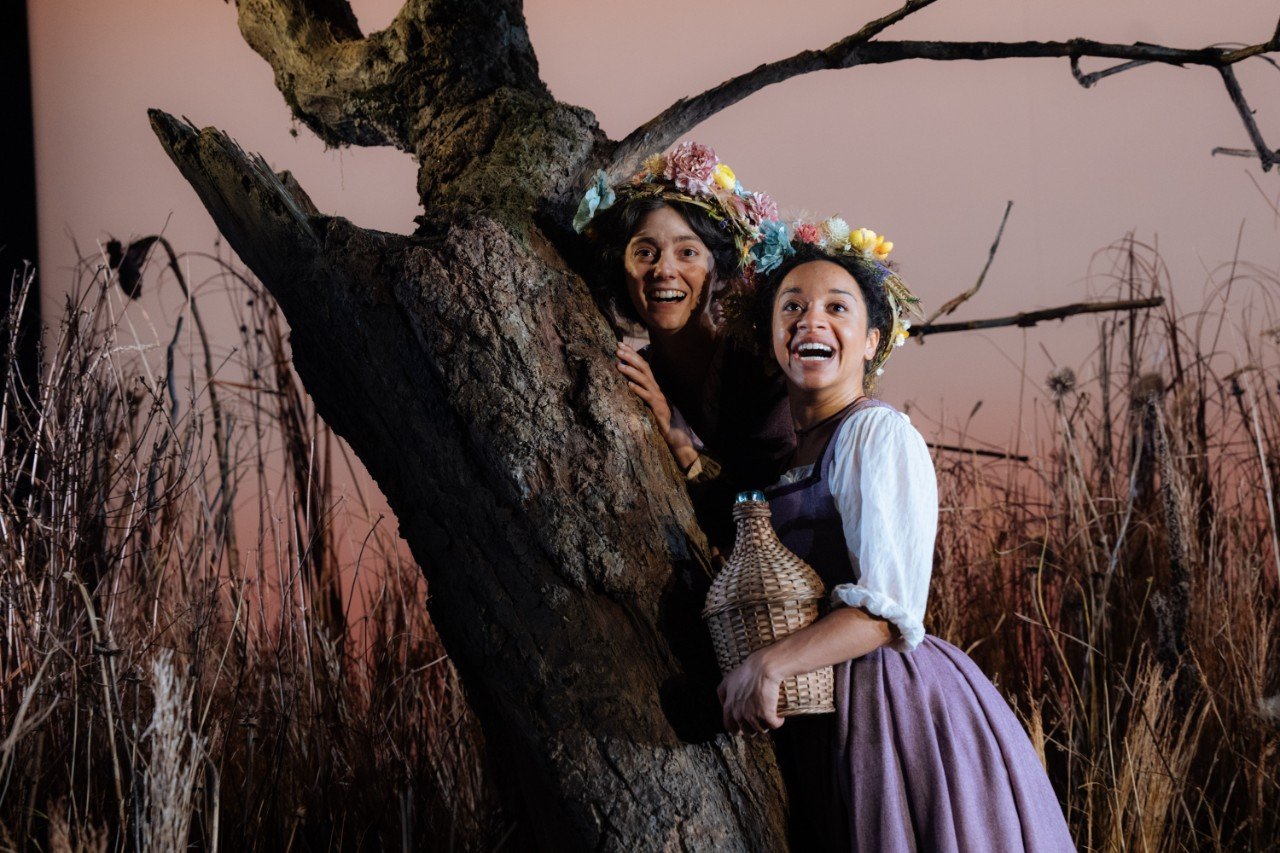
The cast of 1536
- Jane: Liv Hill (Film Club)
- Anna: Siena Kelly (On the Town)
- Mariella: Tanya Reynolds (Sex Education)
- Richard: Oliver Johnstone (All My Sons)
- William: George Kemp (Bridgerton)
The company is completed by understudies Harry Bradley (Richard/William), Saroja-Lily Ratnavel (Jane/Mariella), and Sydney Spencer (Anna).
Directed by Lyndsey Turner (Chimerica), the creative team also includes set and costume design by Max Jones, lighting by Jack Knowles and sound by Tingying Dong.
Where to see 1536
- Venue: Ambassadors Theatre until 1 August 2026
- Age: Suitable for ages 15+
- Runtime: 1 hour 50 minutes (no interval)
- Full details on 1536
What are the critics saying about 1536?
"It moves apace from some of the freshest, funniest writing around to some of the most devastating, with nuanced performances to match."
“Lyndsey Turner’s direction manages each beat of the action impeccably, assisted by a superb design, lighting included. The building momentum and deepening sophistication are perfectly judged, and the accusatory message about women’s constrained lives, then and now, emerges via consummate craft.”
“Too often, historical drama adopts a strained register, creaking beneath an excess of exposition and, worse, saddled with olde worlde speak. Pickett’s inspired approach is instead to make these Essex lasses sound garrulously, often swearily, contemporary while maximising the dramatic force of their period ignorance.”
“There are belly laughs, especially at the expense of the credulous youngest, Liv Hill’s Jane (betrothed to Richard). But her conformist mindset comes to seem more tactically astute than Anna’s rebel spirit.”
“Completing the cast are Tanya Reynolds as Mariella, a midwife, and George Kemp as William, another powerful married man (all forced charm) with whom she is embroiled. From a quizzical sideline, Mariella comes to stand at the bloody centre of a denouement marked by dissent, death and a gathering storm of communal violence.”
"As the plot unfolds we judge how much and how little has changed since 1536."
"Ava Pickett’s debut play, which shows how Henry VIII’s repudiation of Anne Boleyn echoes down to three 16th-century Essex girls – and by extension to women today – is every bit as arresting and electrifying as it was at the Almeida last year."
"Director Lyndsey Turner again expertly navigates the script’s blend of sweary modern and archaic language and its swings from laugh-out-loud humour to sudden, chilling horror."
"Pickett’s palette of themes is deftly blended in this first scene. We witness the shifting eddies of female friendship, the spidery spread of news and gossip, the way that a culture can be poisoned from the top down."
"Moments of high comedy tip into a realisation that domestic violence is normalised and rape goes unpunished."
"Pickett has written three superb female roles, complete with subtly referenced backstories, and is repaid in full. Hill gives Jane a quiet dignity without stinting the comedy of her malapropisms and quaintness. Kelly convincingly embodies Anna’s dangerous sensuality, that she will eventually try to outrun. Reynolds is simply one of our subtlest, wittiest younger actors. The men, expertly played by Oliver Johnstone and George Kemp, are more than mere representatives of the patriarchy."
"The sky behind Max Jones’s set of sun-bleached thistles, grasses and the aforementioned shagging-tree reddens at moments of tension. Scenes end abruptly in neon-framed blackout."
"The ending has been tightened but is still slightly baggy and obvious compared to what’s gone before. A minor flaw in a splendid piece of theatre."
“Could it really live up to all that the hype? The answer, thankfully, is: yes, and then some.”
“Director Lyndsey Turner has crafted a heady, sensory experience, one that is jolted forward by faultless performances from the female leads. The 110-minute one-act run time might raise eyebrows, yet the show never loses pace, and refuses to overcook things either.”
“Initially inseparable, this trio are gloriously tactile, with the constantly shifting power dynamics between them playing out in through the slightest of facial twitches and bodily movements. Each character has an archetype by which the audience – like society at large – recognises and judges them.”
“While exclamations of ‘fackin’ hell’ might fill the air, the script is subtle enough to keep 1536 from feeling like an easy revisionist reimagining. The language is somewhat anachronistic, but the energy is believable. Who’s to say that women didn’t talk like this when they were alone?”
“In Pickett’s script – which has undergone some significant changes since the original Almeida run – the comedy never lets up. If anything, the attempt to maintain a sense of humour only adds to the gnawing feeling of dread Turner melds.”
“Pickett’s words draw clear lines between the ways in which Anne Boleyn was treated and how it impacted women then, and how that event’s ripple effects are still felt in a time when witchhunts play out on livestreams for us all to weigh in on. Under Turner’s direction, this message, and the anger and horror it conjures, never lets up.”
"It’s a bold, essential piece of theatre that the West End should always look to have on its stages."
“This is a play about the trickle-down effect of misogyny and how political events can ripple through society – to impact everything from female friendship to economic survival. It’s not hard to see why it feels so stirringly pertinent.”
“Director Lyndsey Turner keeps the pace as lean and dangerous as Pickett’s bracingly good script (reportedly tweaked since its initial spell last year). The cast of five is exceptional, led by a trio of women whose lives are tethered to the shifting whims of a flawed man, many miles away, that they will never meet.”
“Siena Kelly is electrifying as the rambunctious Anna, whose vitality and open sexual desire make her a target for a village suddenly obsessed with virtue. Opposite her, Tanya Reynolds gives a masterclass in dry, world-weary humour as Mariella, a midwife who understands the physical and financial vulnerability of her sex better than anyone."
"Liv Hill rounds out the trio as Jane, the good girl who quickly learns that adherence to the rules offers no real protection when the rules are designed to break you. Though absent for the bulk of the second half, the erosion of her idealism is painful to watch. It is not coincidental that Anna and Jane’s names are so close to those of the successive queens.”
“Turner does magnificent work teasing out the genial face of everyday cruelty. There’s also poignancy: one scene, where Reynolds and Kemp mourn a lost love soon to be weaponised by circumstance, is truly heartbreaking.”
“Pickett has a deft understanding of tone. 1536 is incredibly dark – there is a sense of encroaching dread that chills the air. Jack Knowles’ lighting seems to cool as the show progresses, emerging in a raw, bloody dawn, that’s helped by sharp, shocking blackouts between scene changes. For all that, the play is riotously funny.”
"Director Lyndsey Turner’s production is brisk, without ever feeling hurried: as morsels of news – carried on foot from London all the way to this secluded nook – arrive, we feel their weight as they’re slowly, quietly processed between the dialogue."
“This West End transfer is a chance for its fiery message to spread further. Her writing is sparky and contemporary. Remove the Tudor garb and references to execution, and the portrait she paints of a rotten patriarchy could well speak for the current, Andrew Tate-style brand of toxic masculinity.”
“The play is also very funny, although the humour never undermines the impending sense of doom that throbs from start to finish.”
“Electricity sizzles between the women, when they share a bawdy joke or turn on one another, succumbing to internalised misogyny.”
“The sexist rhetoric is like a virus, invisible, but inescapable. Despite resembling an open space, Max Jones’ set of scorched, long hay is cleverly claustrophobic, while Jack Knowles’ queasily warm lighting somehow captures the closeness of the stifling weather.”
“It’s a play that could end a couple of scenes before it does, with talk of Anne Boleyn’s execution and news of women burning at the stake just two villages away. Instead, there’s a dramatic unravelling that forfeits the subtlety of its message. But it’s masterly – and haunting.”
“The hype is justified.”
“This is Henry VIII’s England. And these women talking in a very 21st-century way risk being cancelled in a very 16th-century way.”
“Pickett’s dialogue nails her protagonists’ teasing intimacies and friendly rivalries from the off.”
“Max Jones’s design counters the contemporary, sometimes sweary chat with a bewitching countryside set that uses shifts of colour to take us through seasons and times of day.”
“A play about women on the margins becomes a play about women in the thick of it. It’s a feminist drama, one that highlights a rigged system that prizes and punishes female sexuality.”
“Turner’s cast are stars in the making. Hill is a gentle presence as Jane, who then turns compellingly vengeful. The reliably good Reynolds gives a masterclass in words unspoken as the seemingly sensible Mariella. And Kelly’s Anna drives it all with a free-thinking brio: a wit both alluring and hazardous.”
Related News
Production images released for Bloodsport: After Helen of Troy

Paranormal Activity extends West End run into 2027 following Broadway opening
Helen of Troy never got to tell her side. Watch the trailer for the play that does
Michelle Dockery returns to the stage as the woman who launched a thousand ships: in photos
Latest News
Everything you need to know about The Traitors: Acts of Betrayal in London
Nina Raine’s sweeping new adaptation of Middlemarch arrives at the RSC: See brand-new images from the production
What to expect from Pride the Musical ahead of highly anticipated transfer to the Bridge Theatre